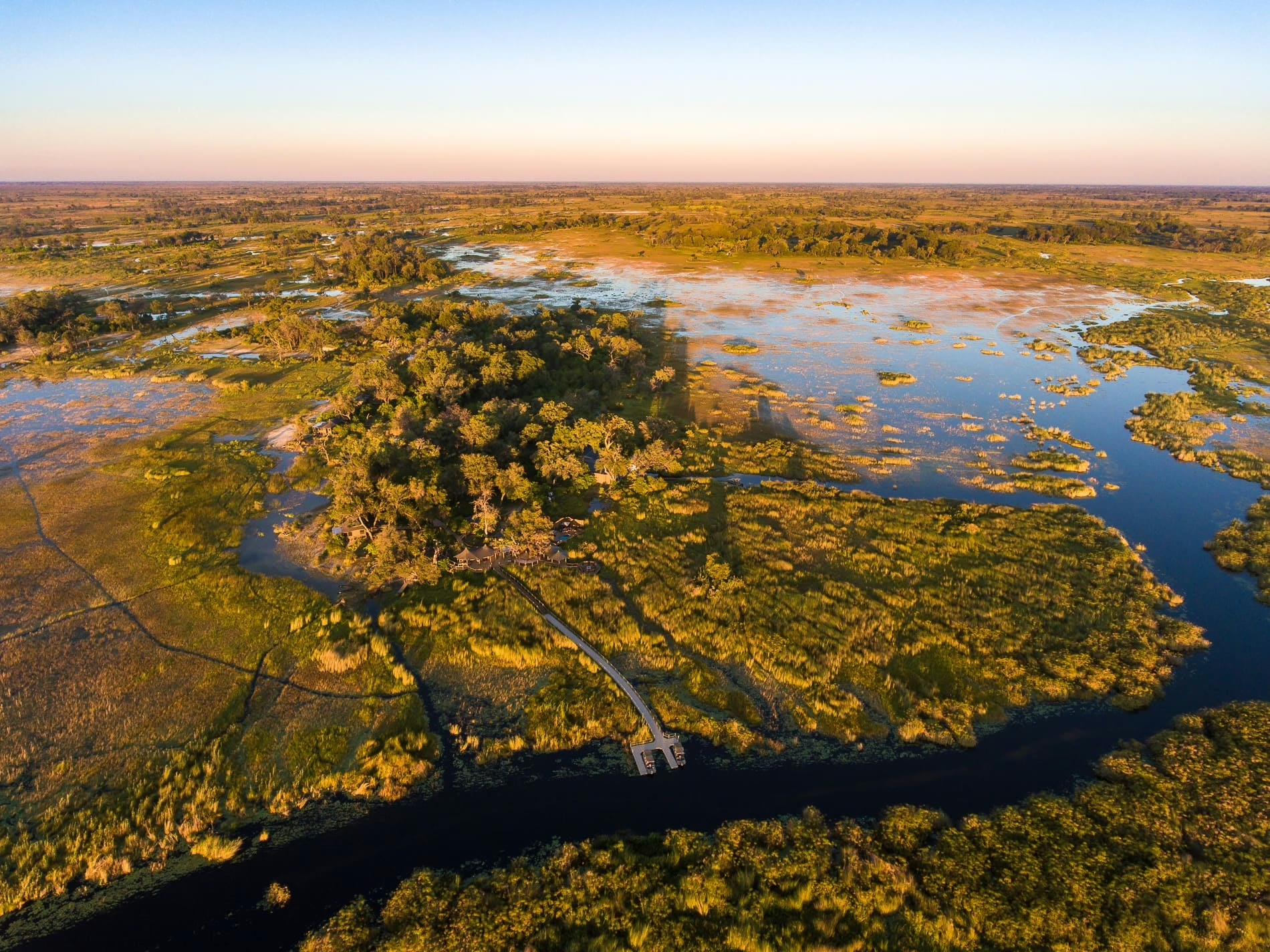
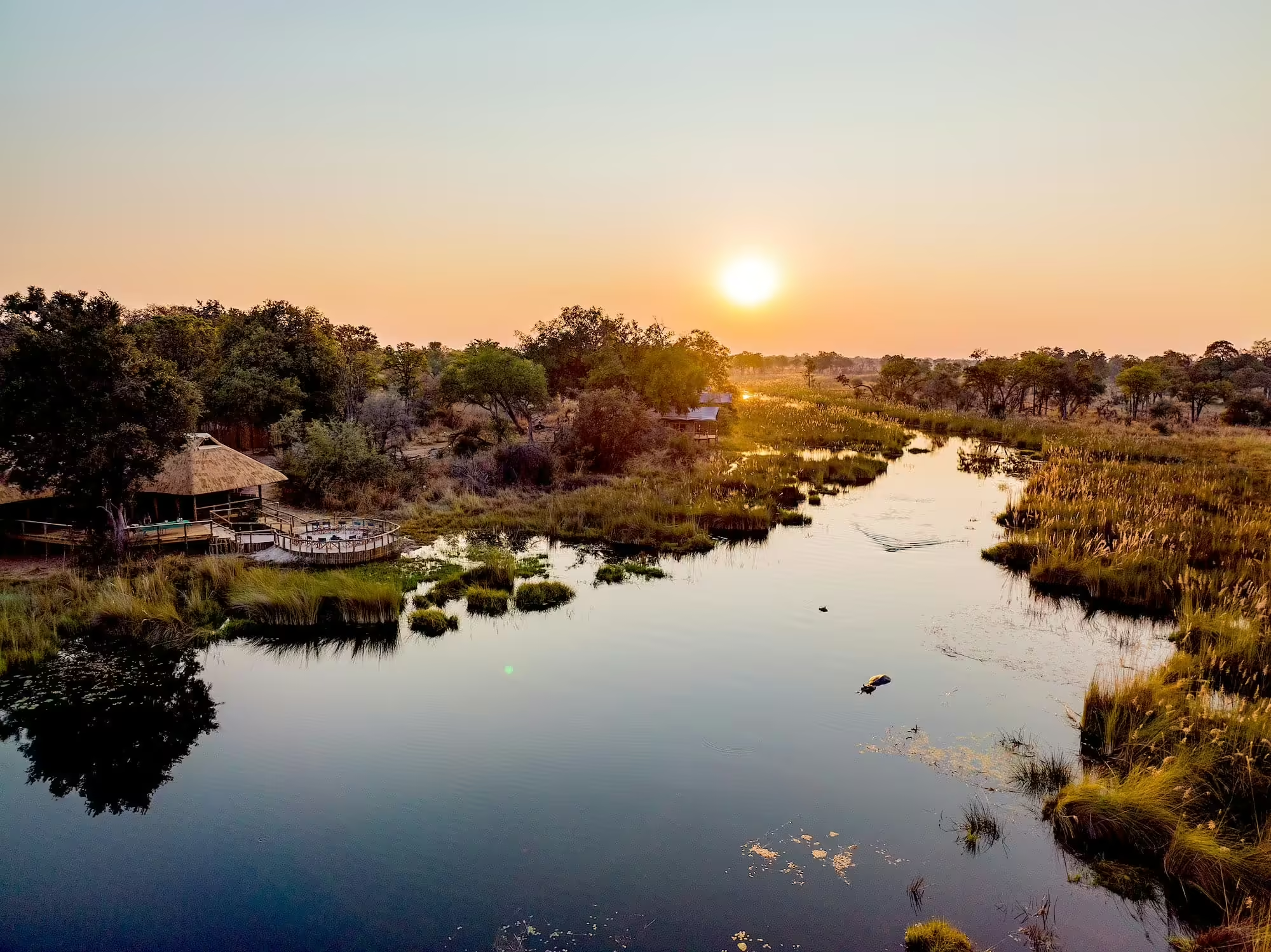
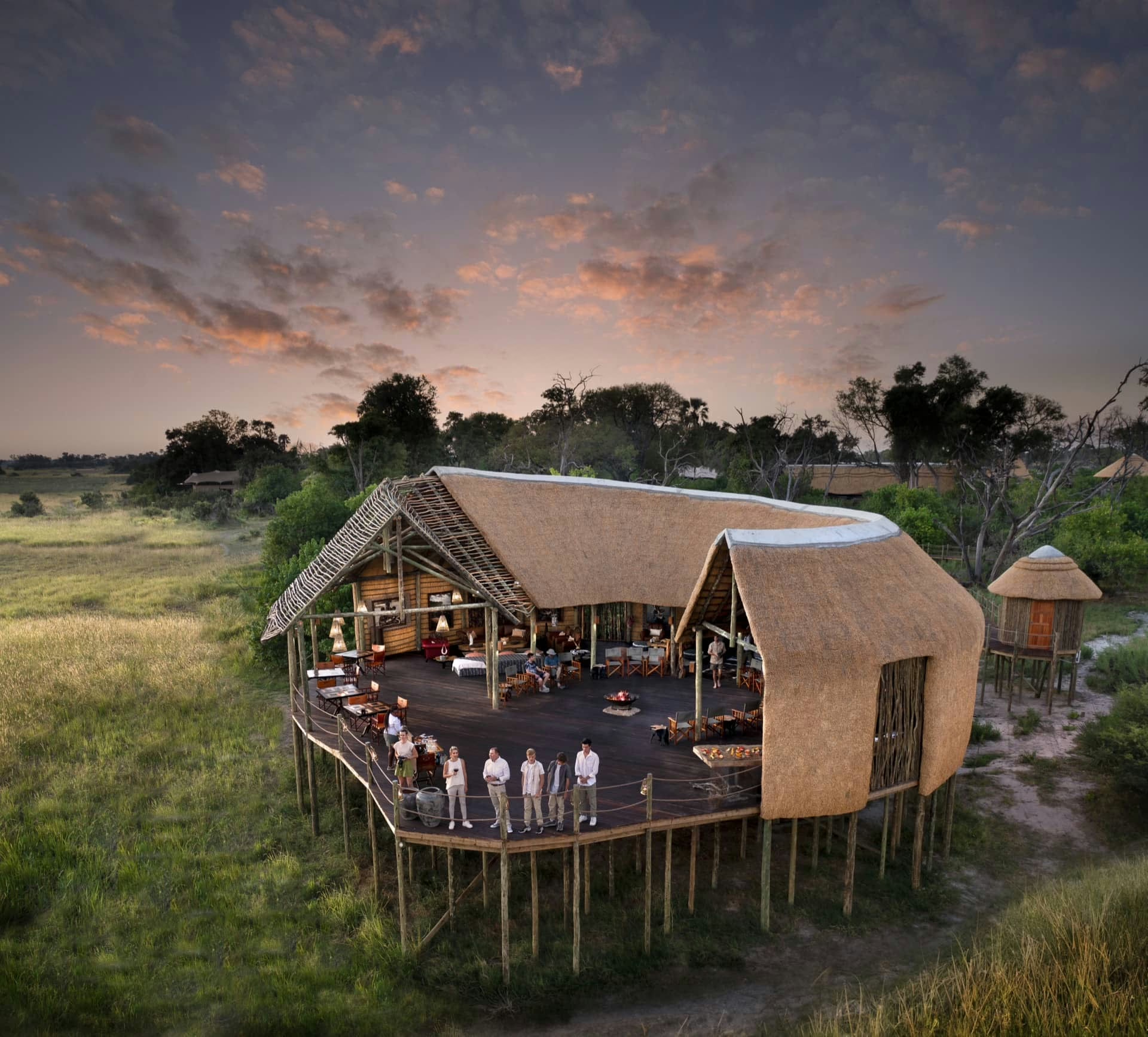
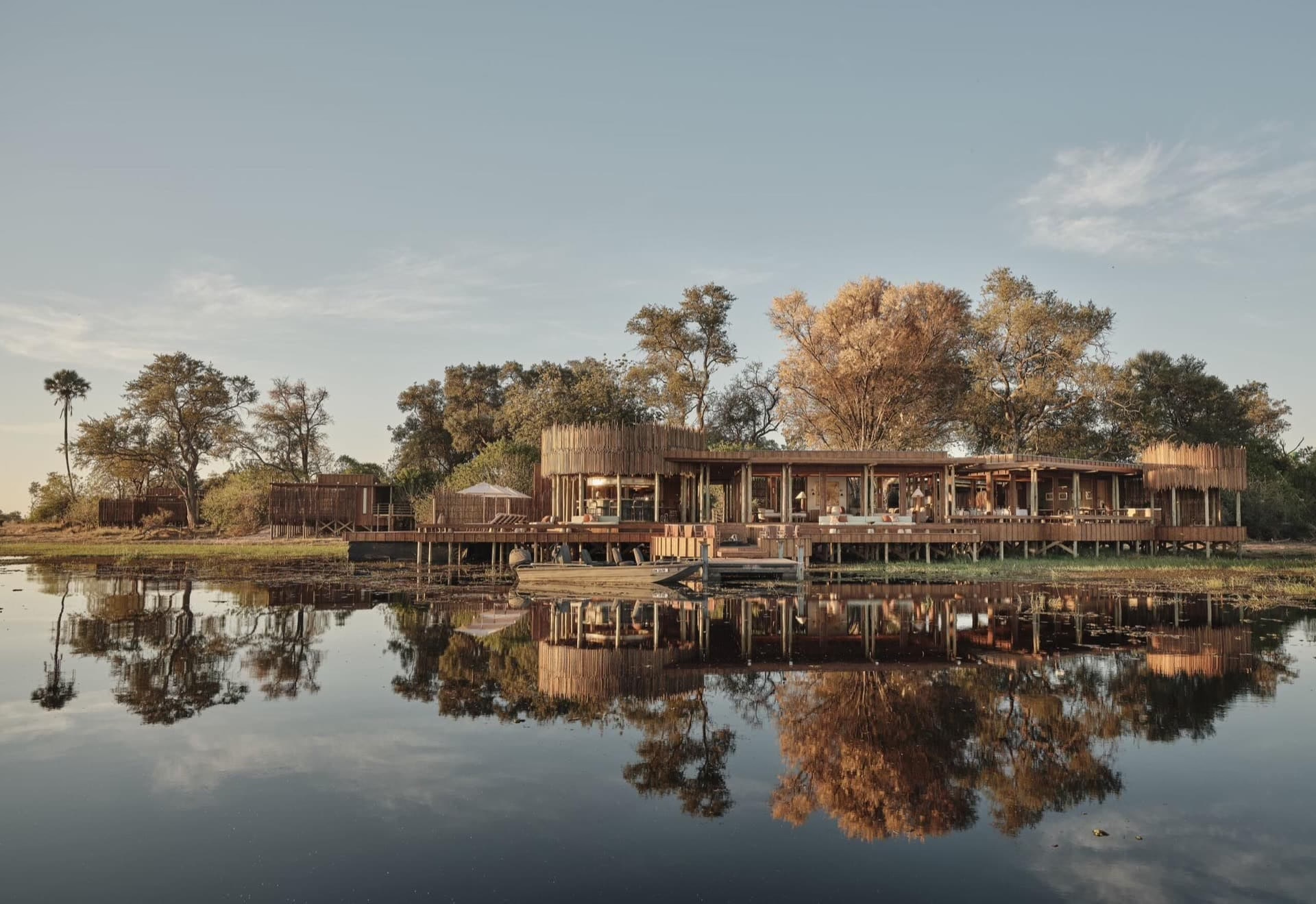
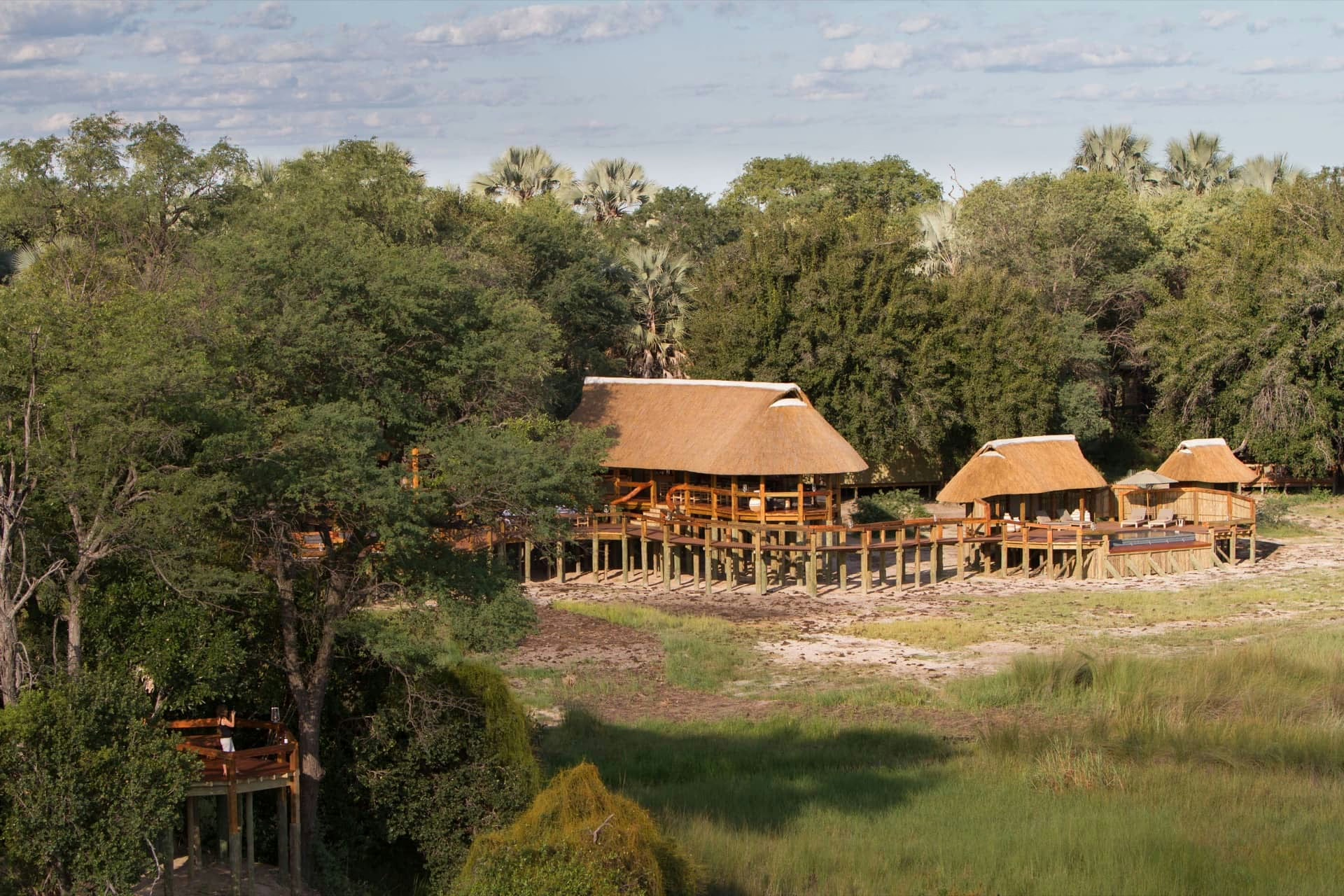
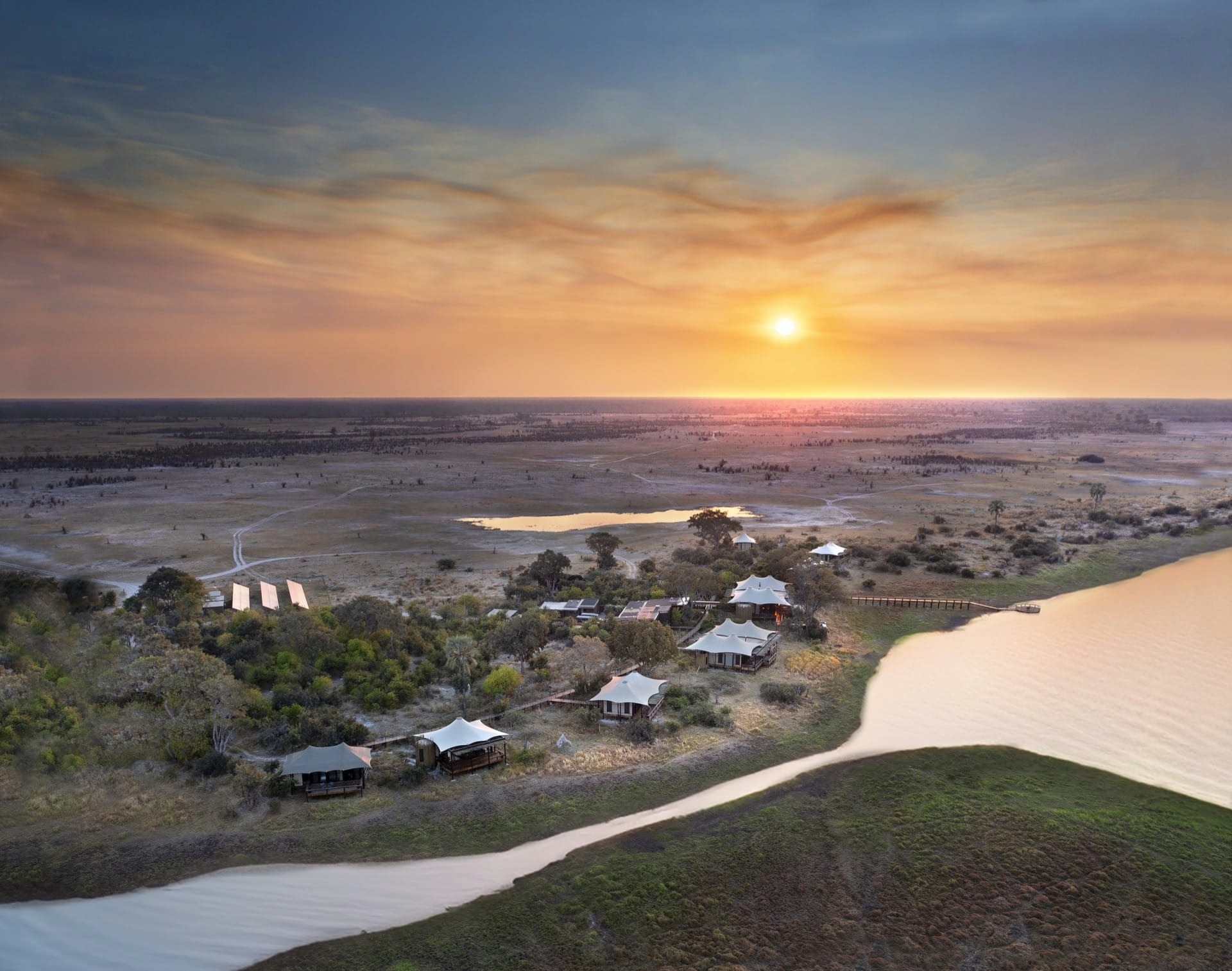
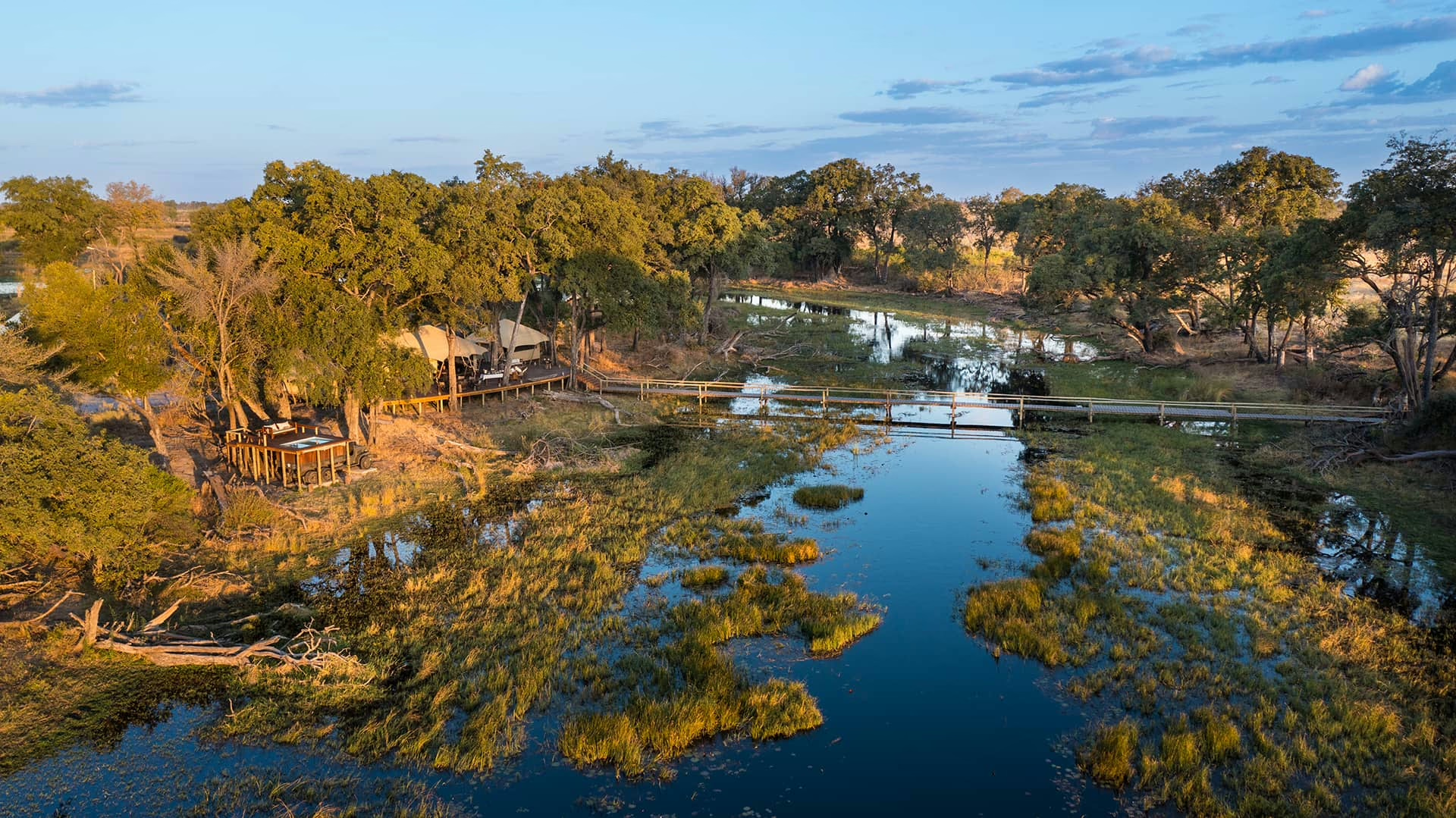
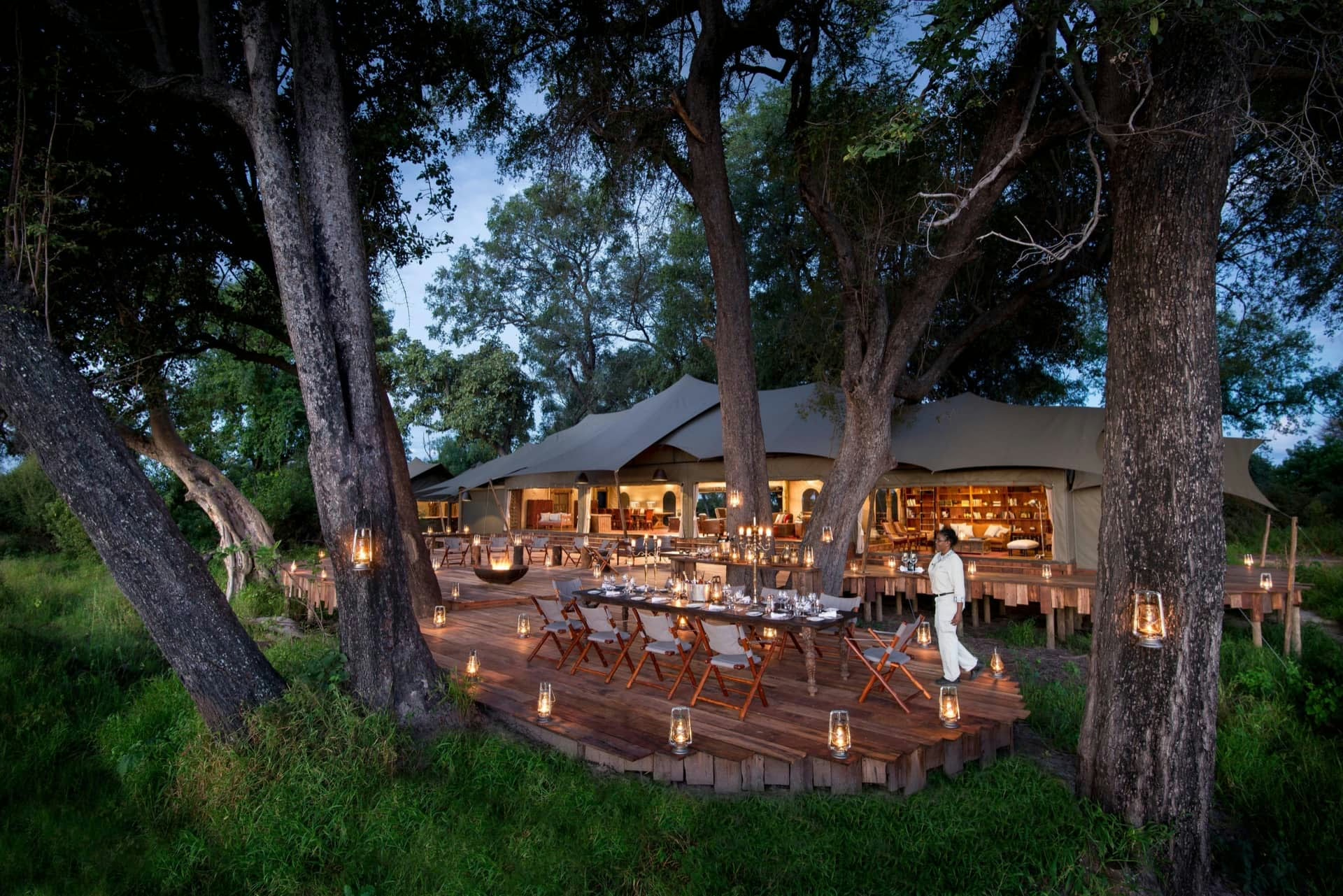
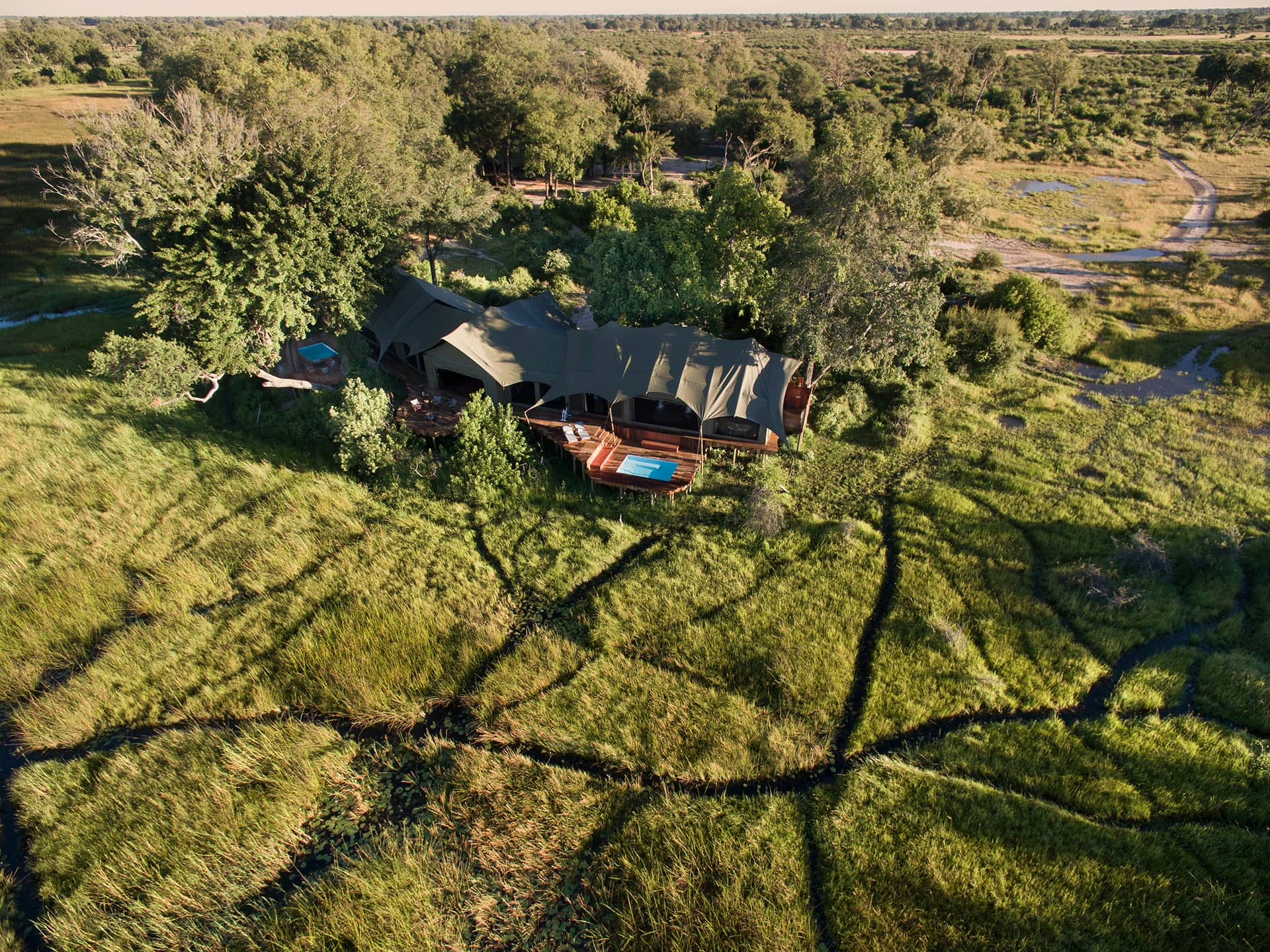
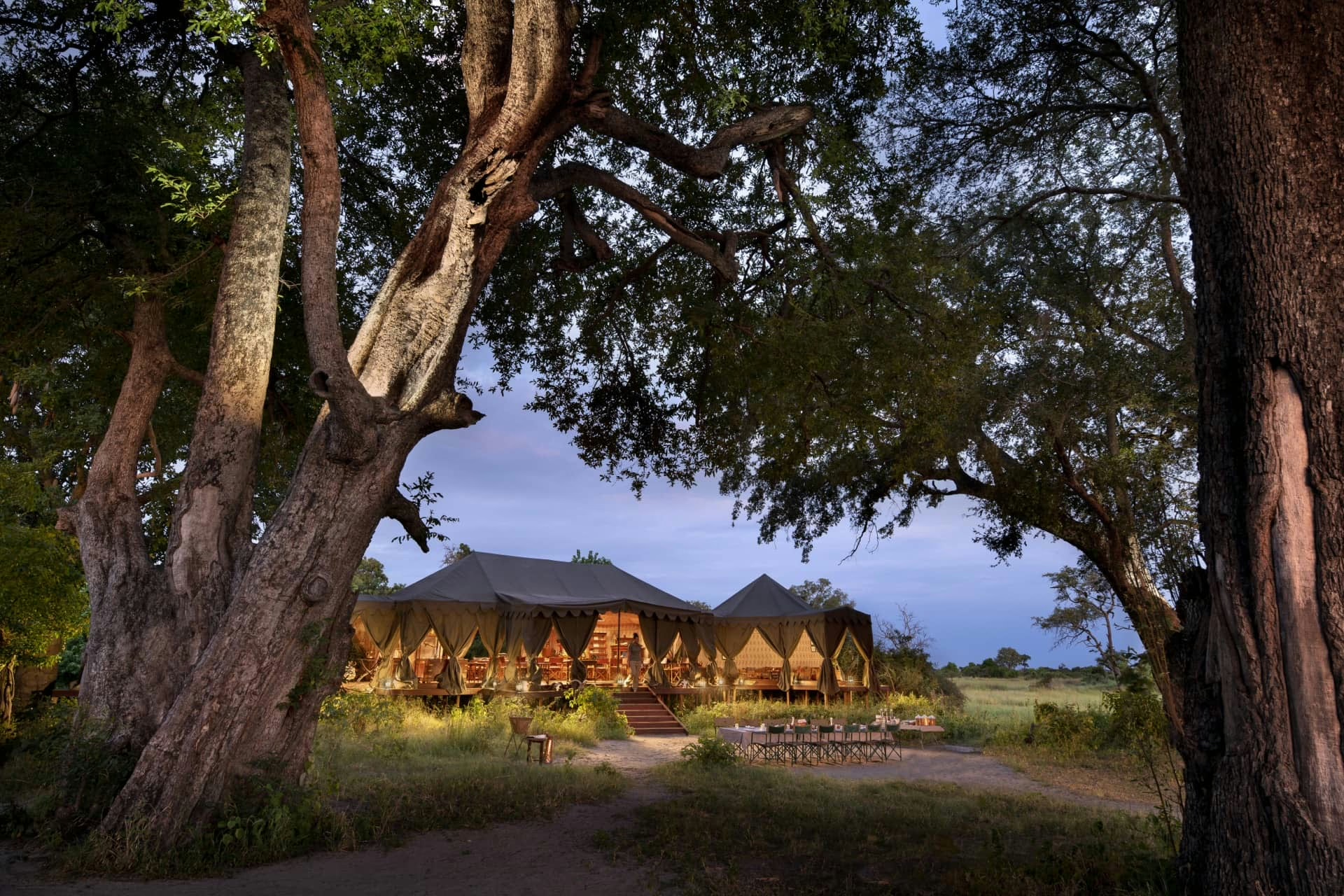
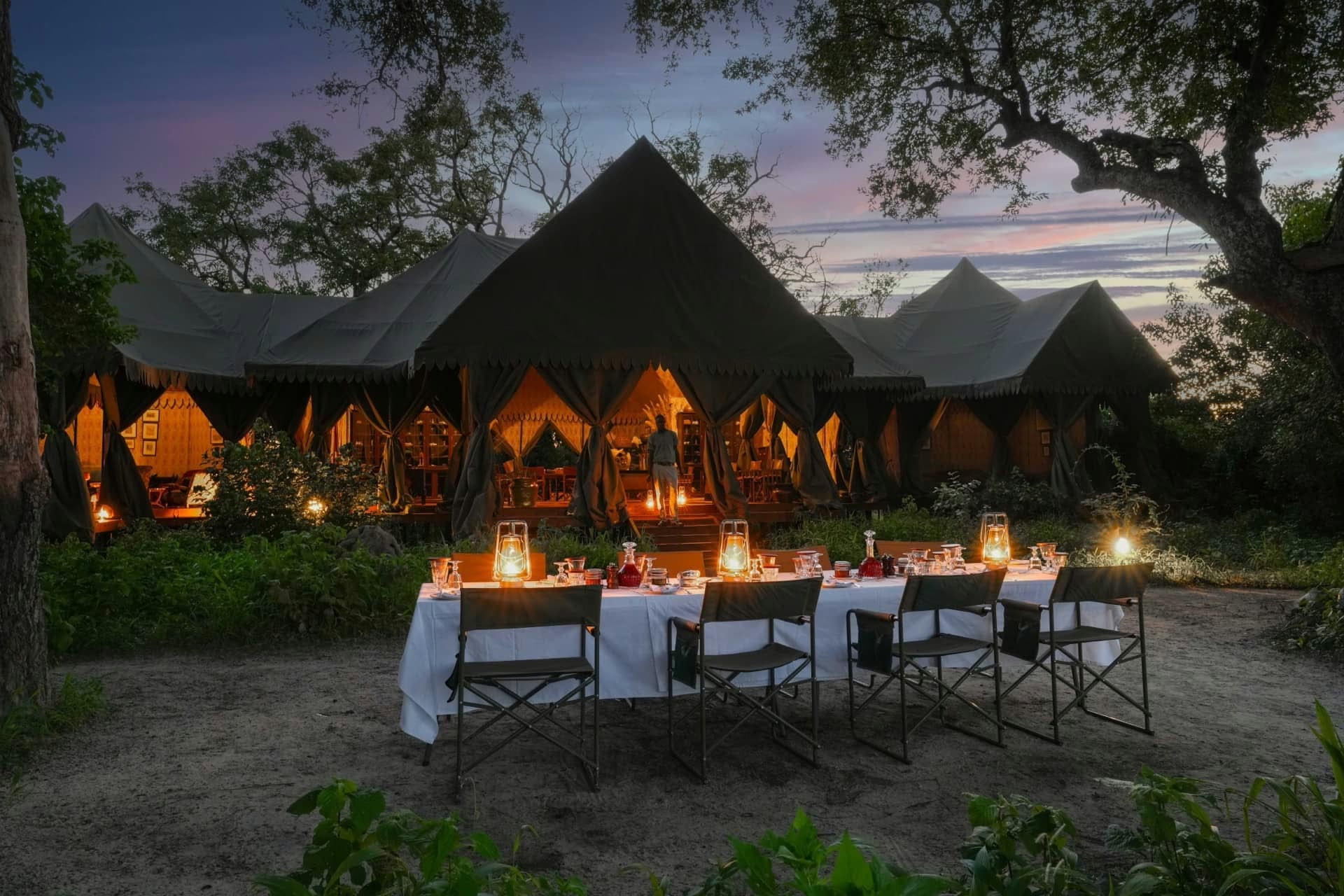
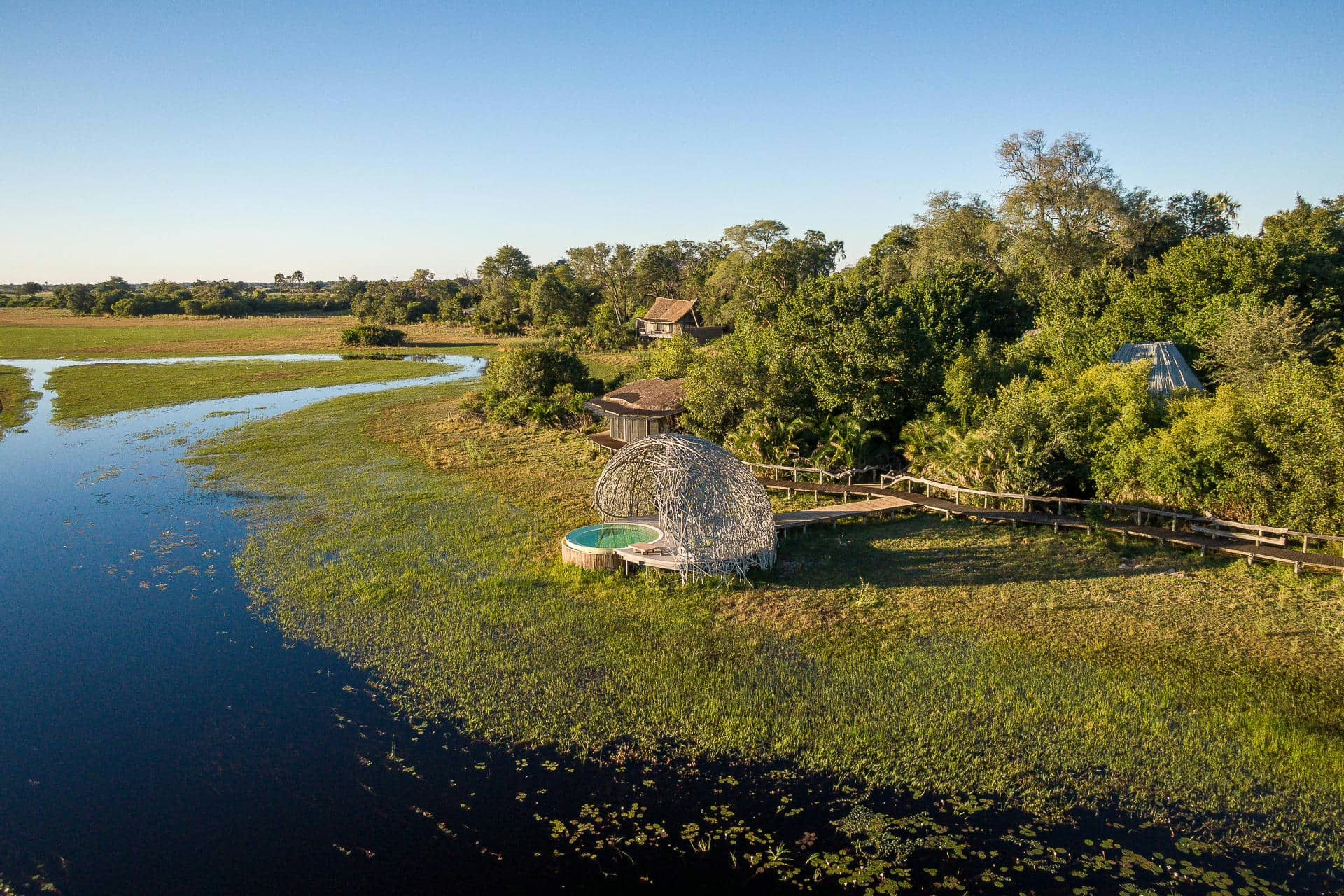
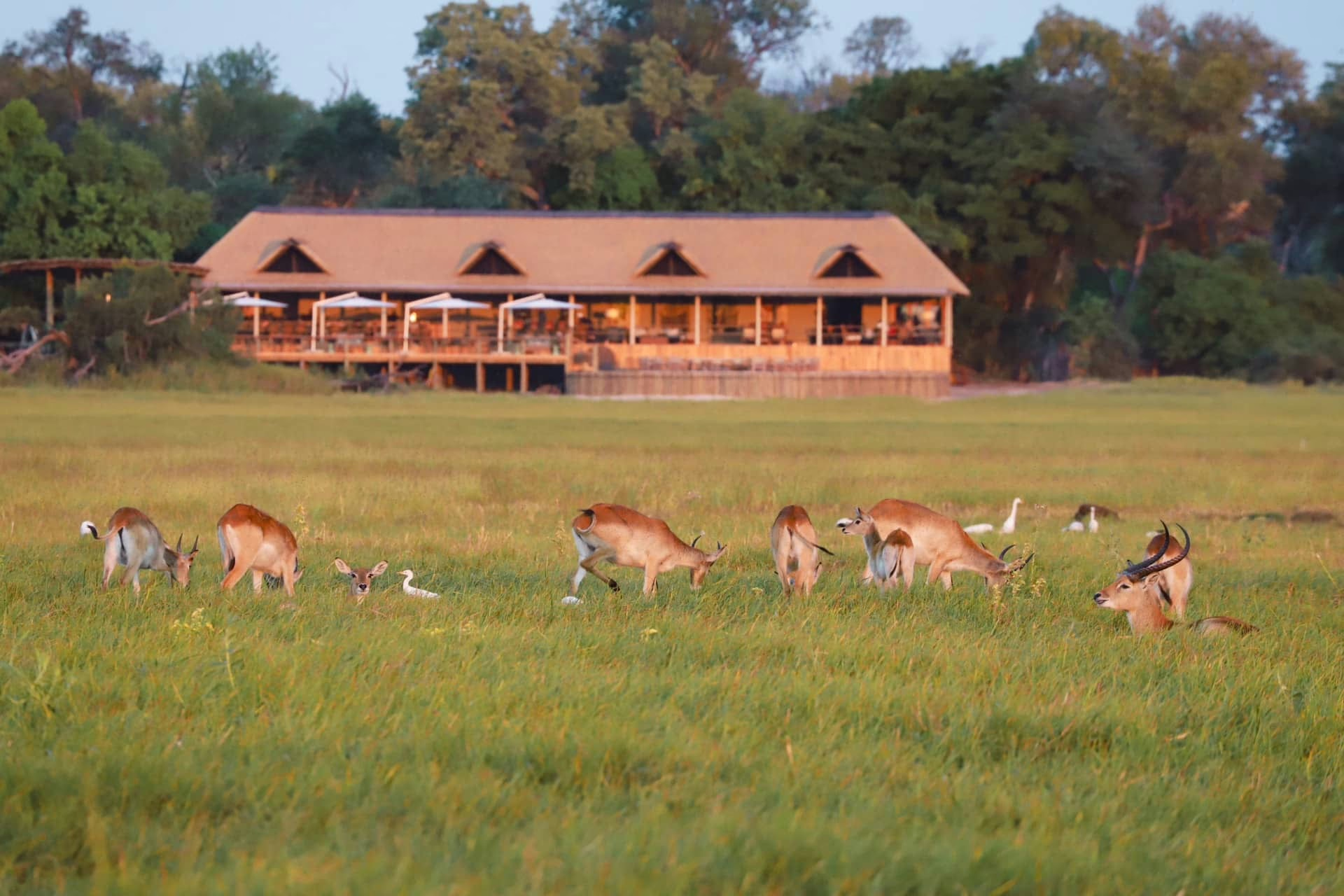
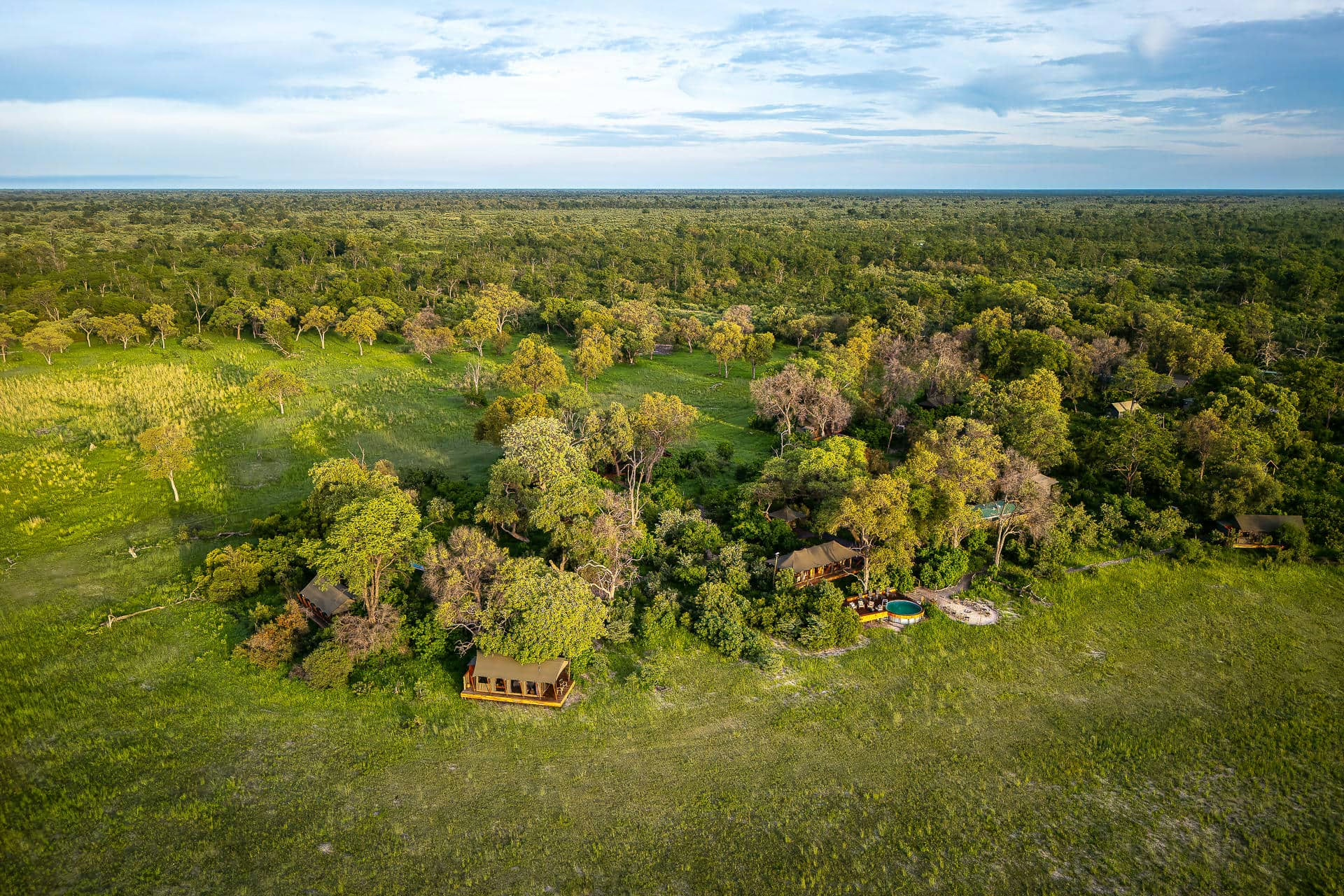
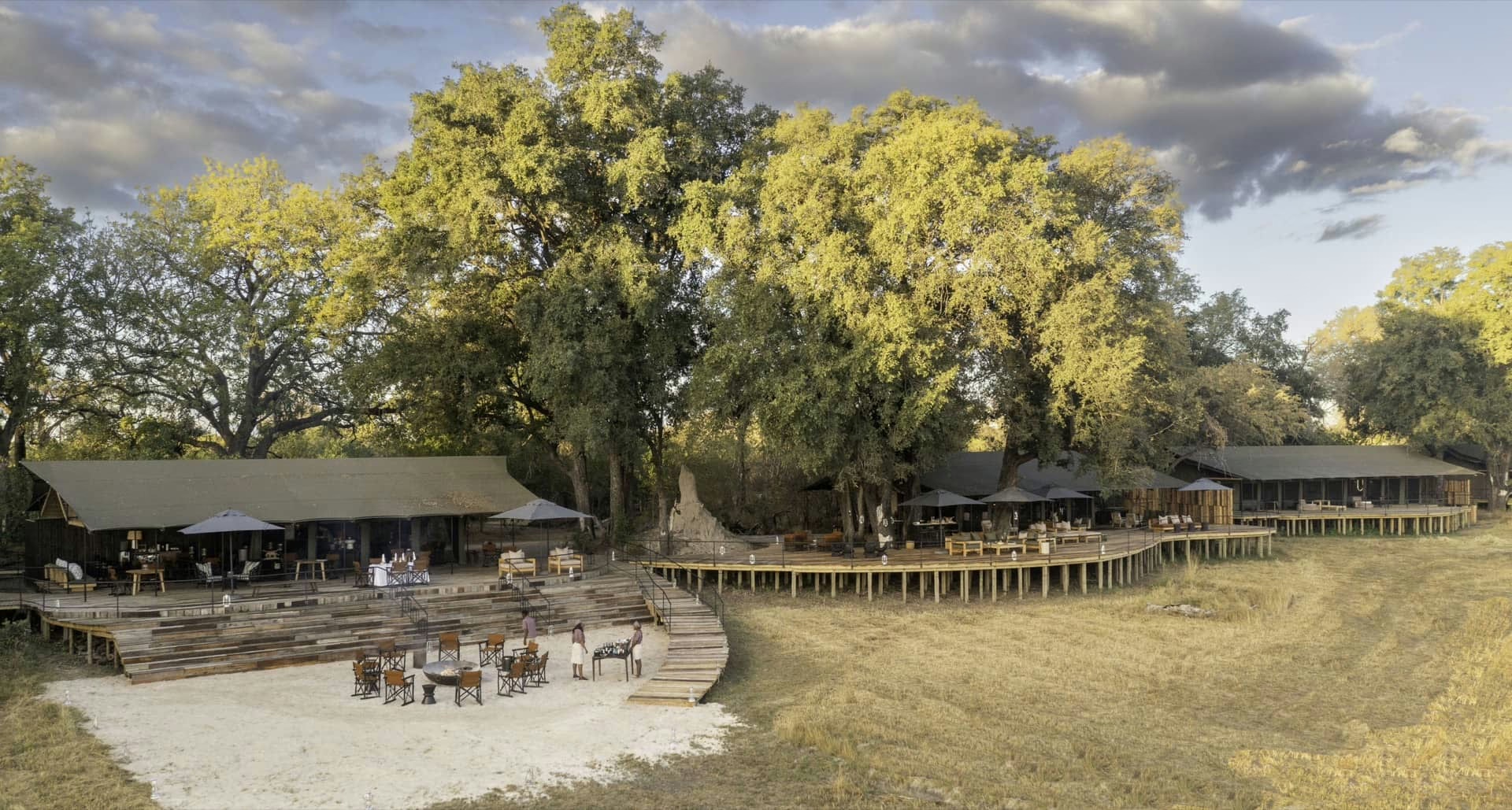
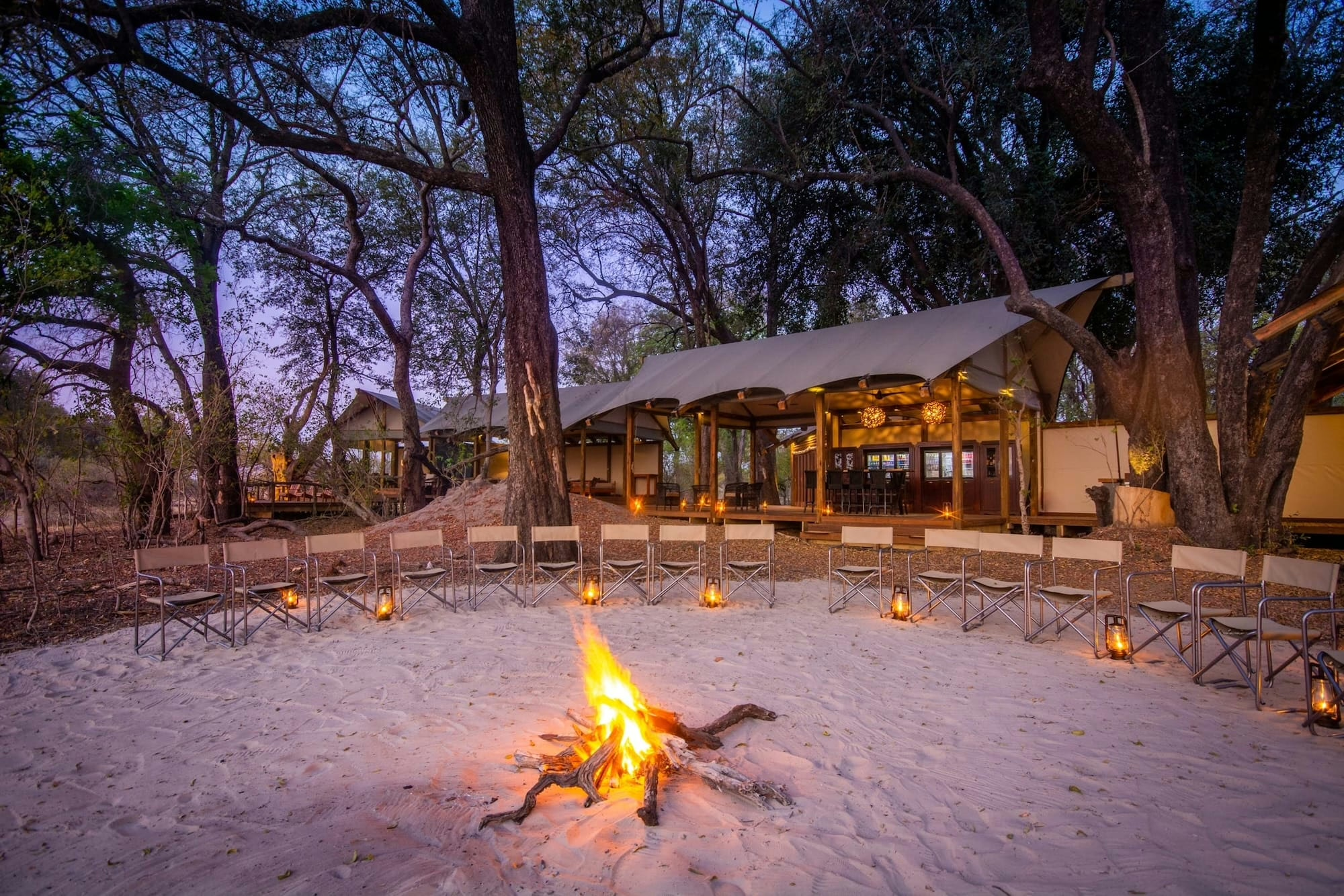
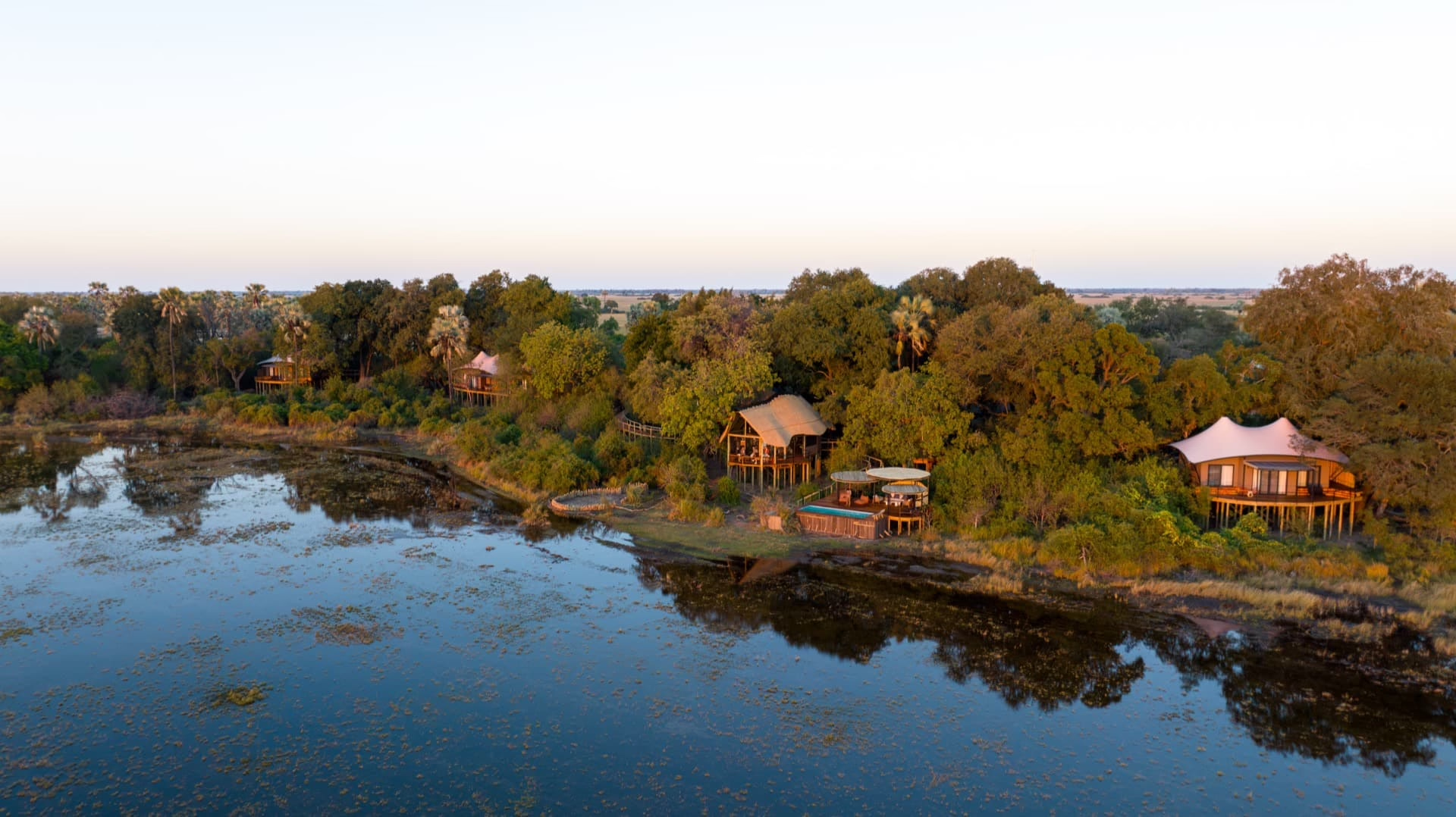
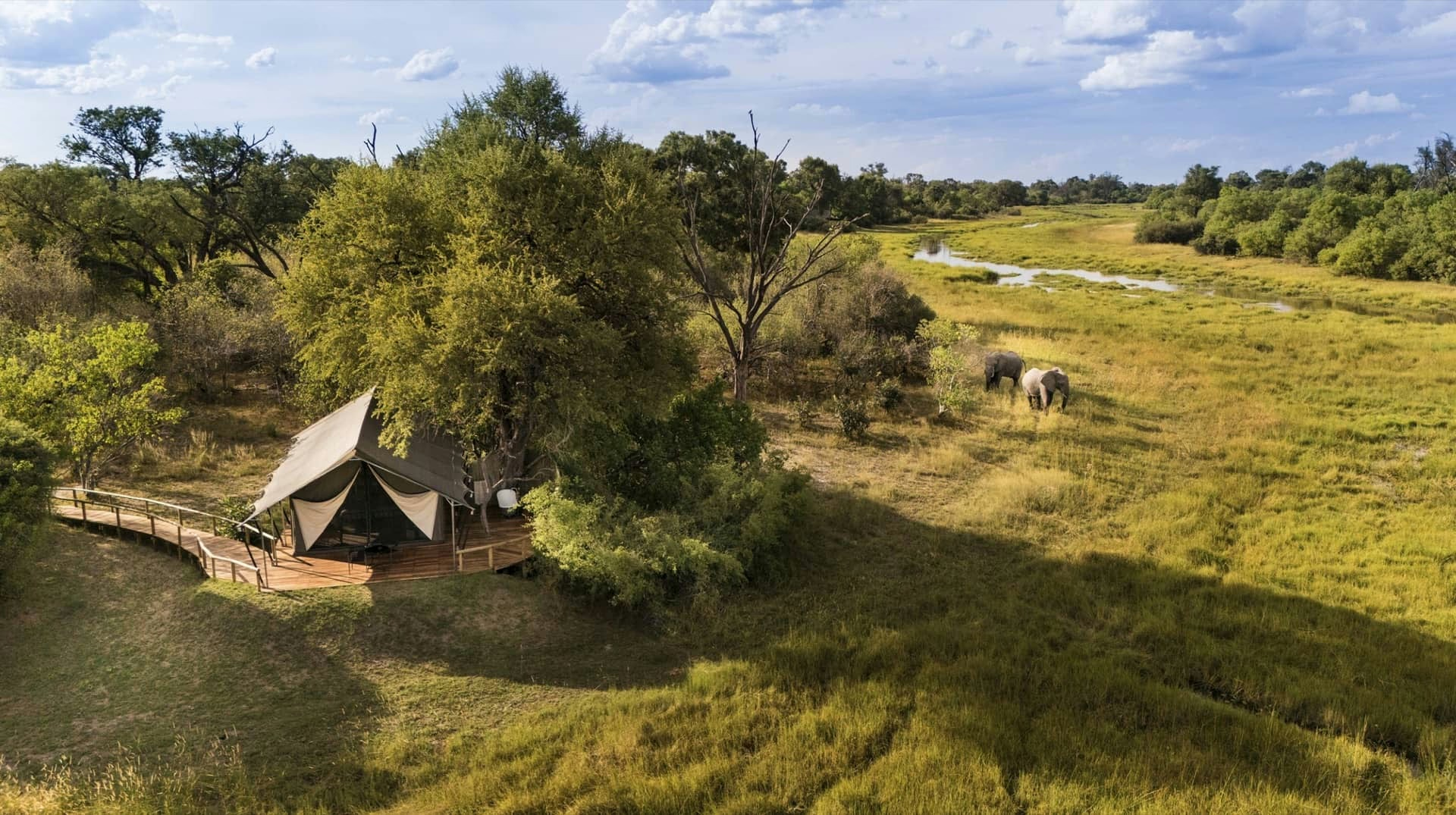
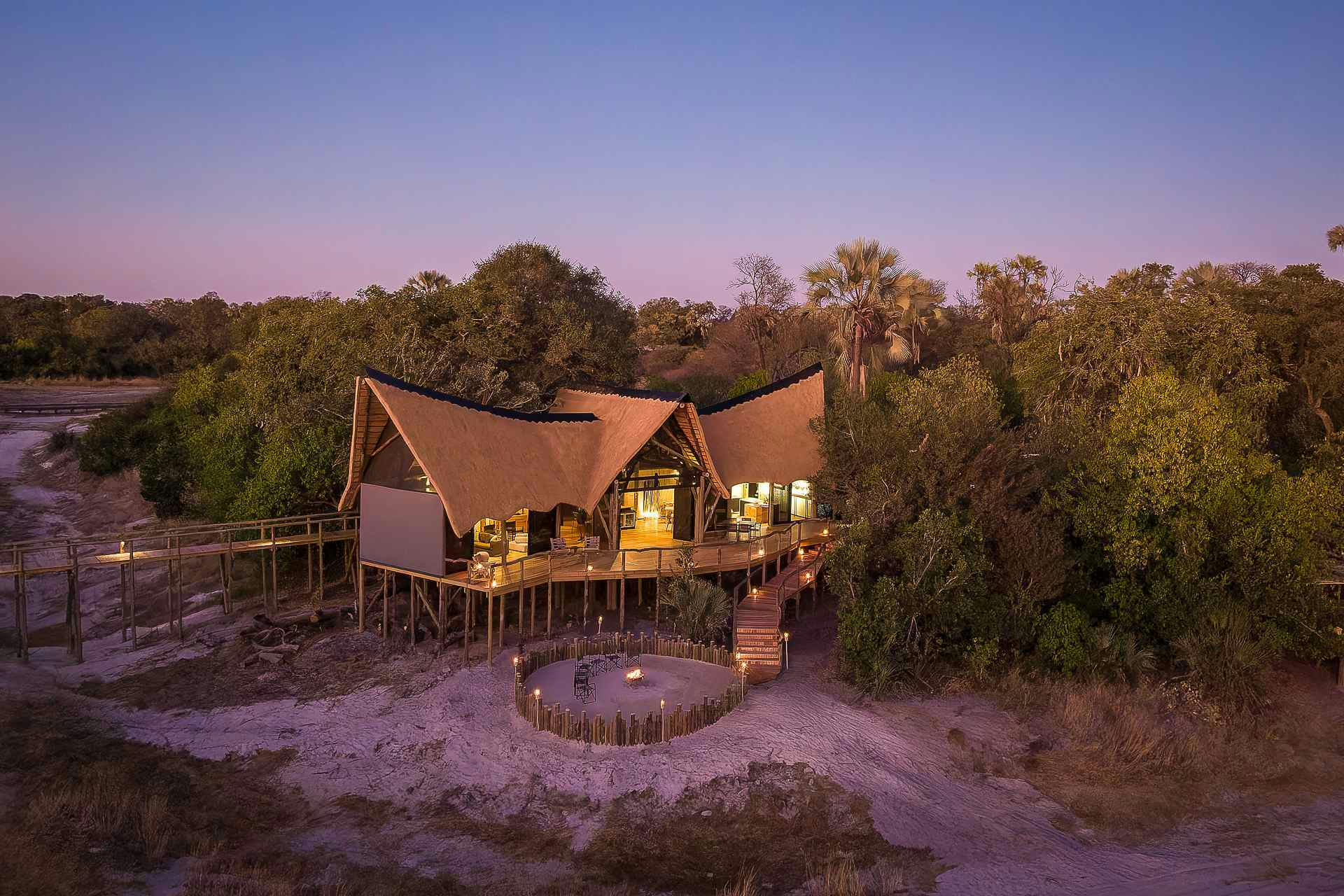
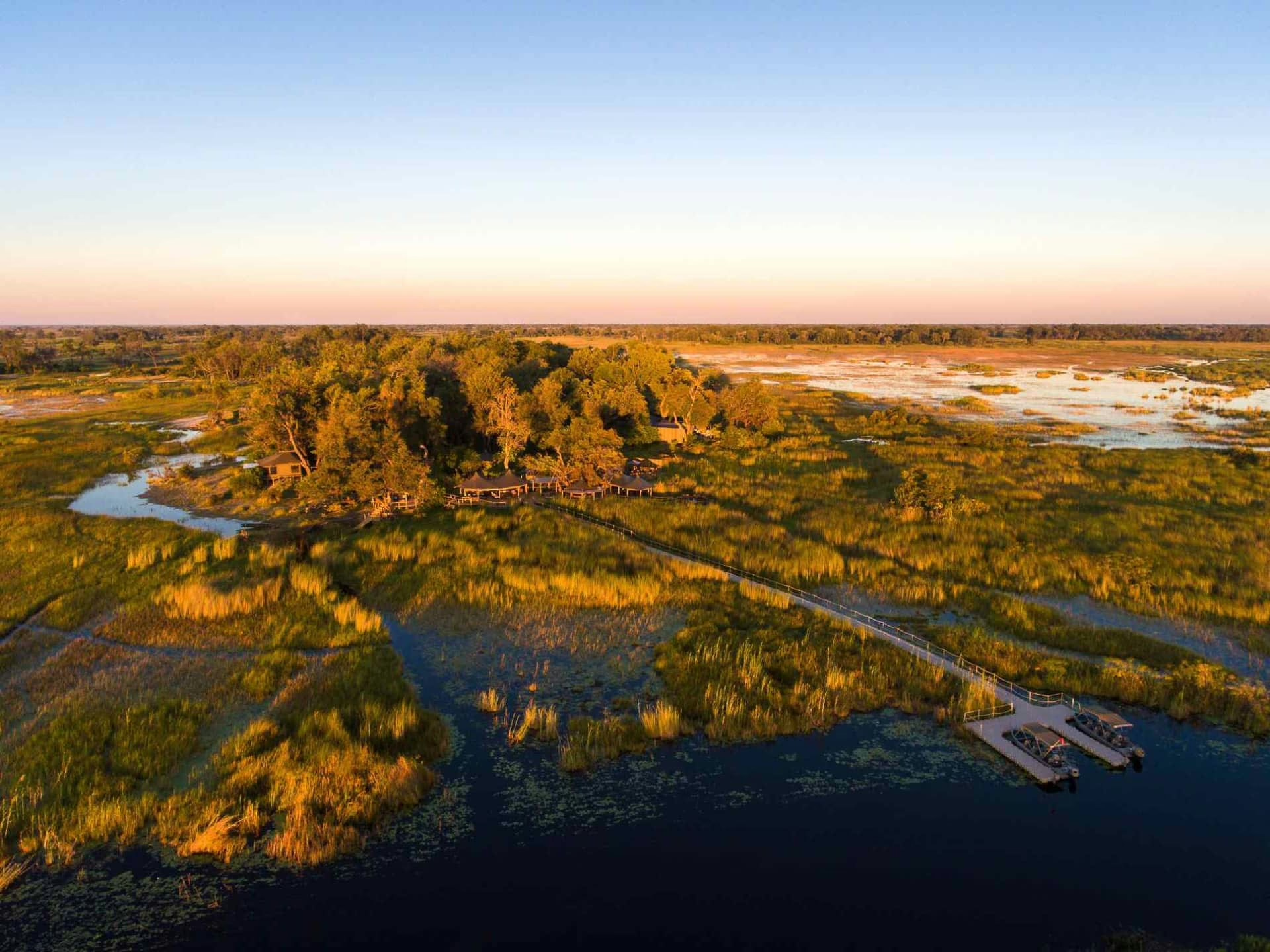
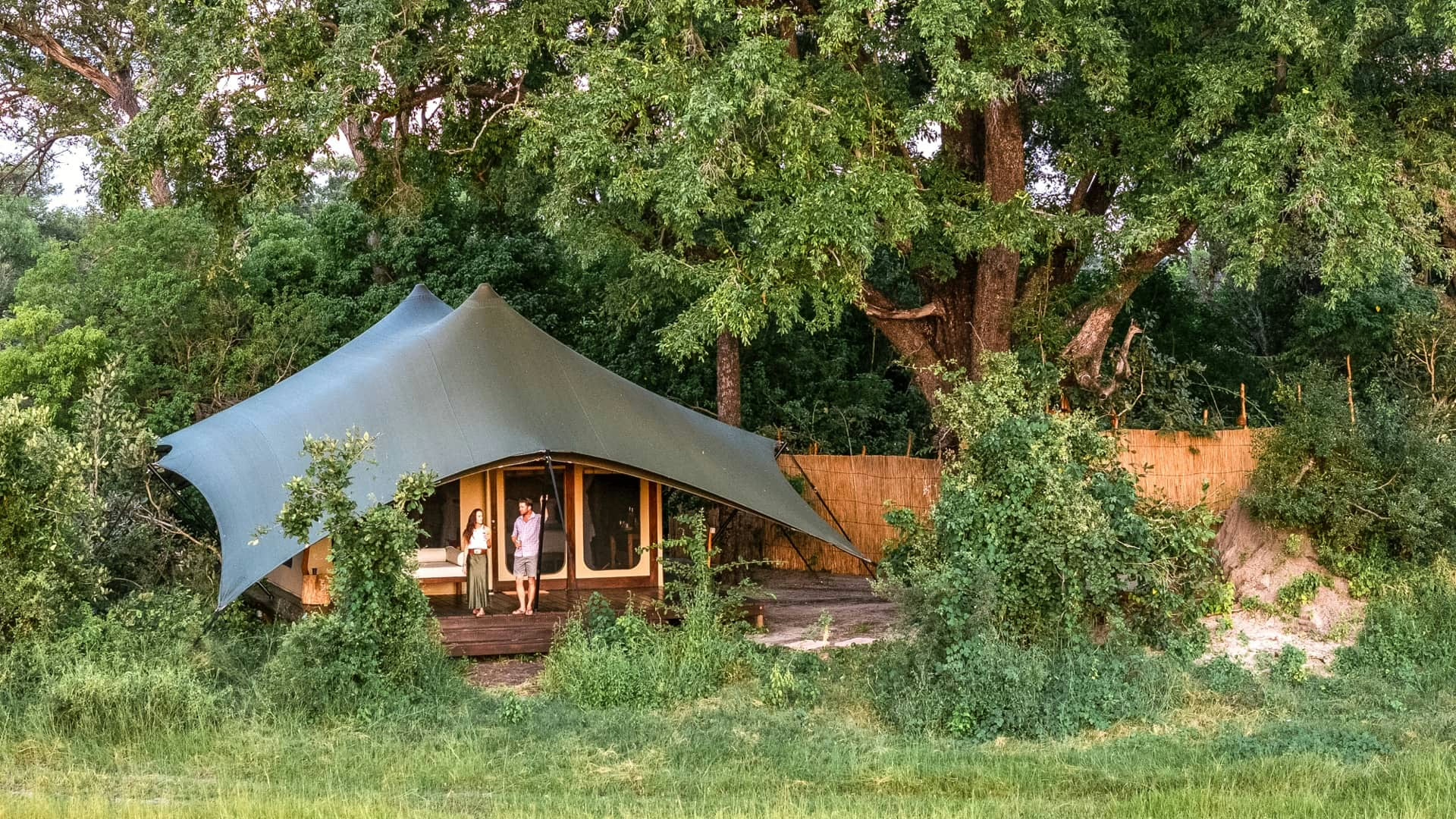
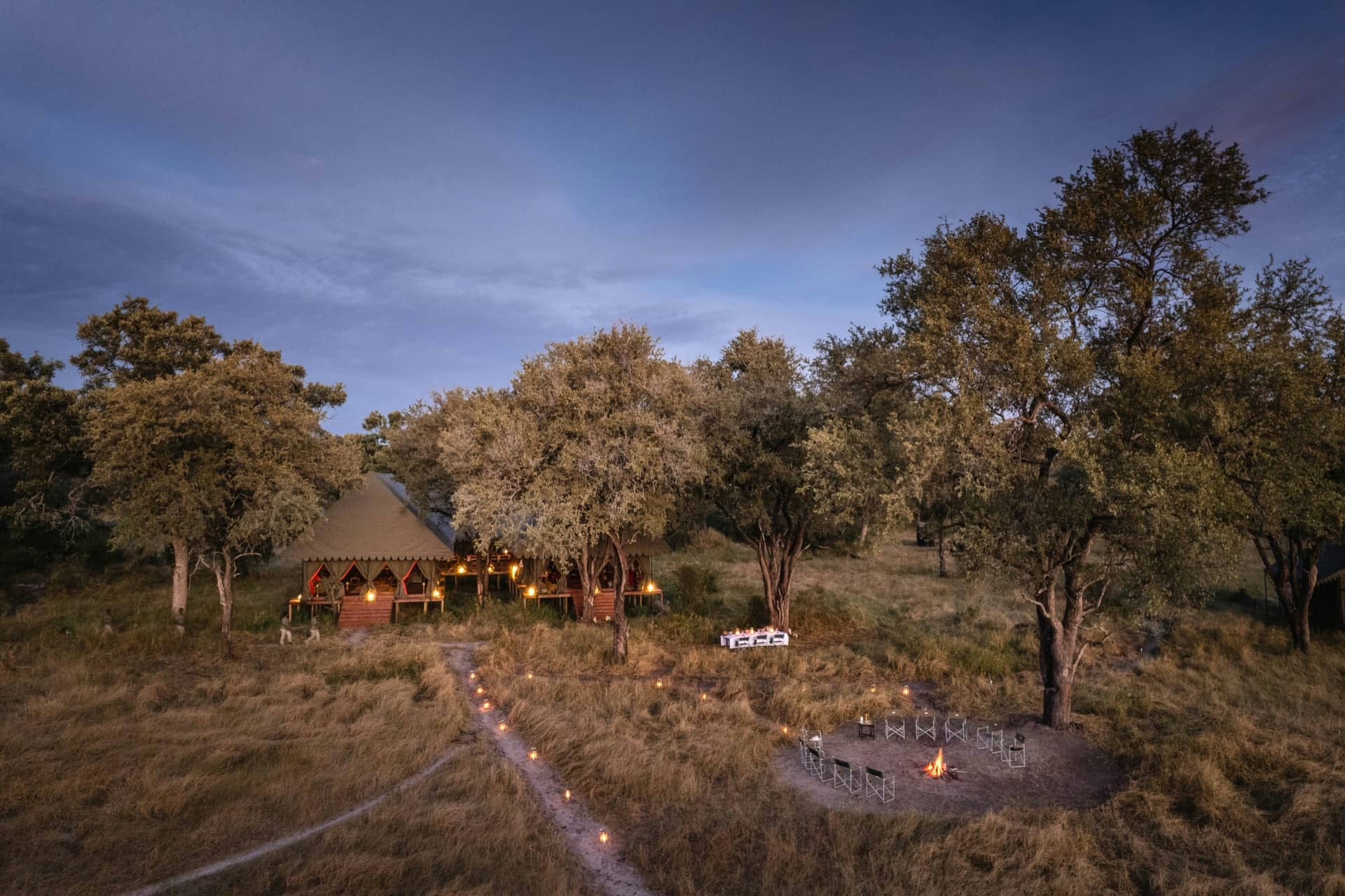
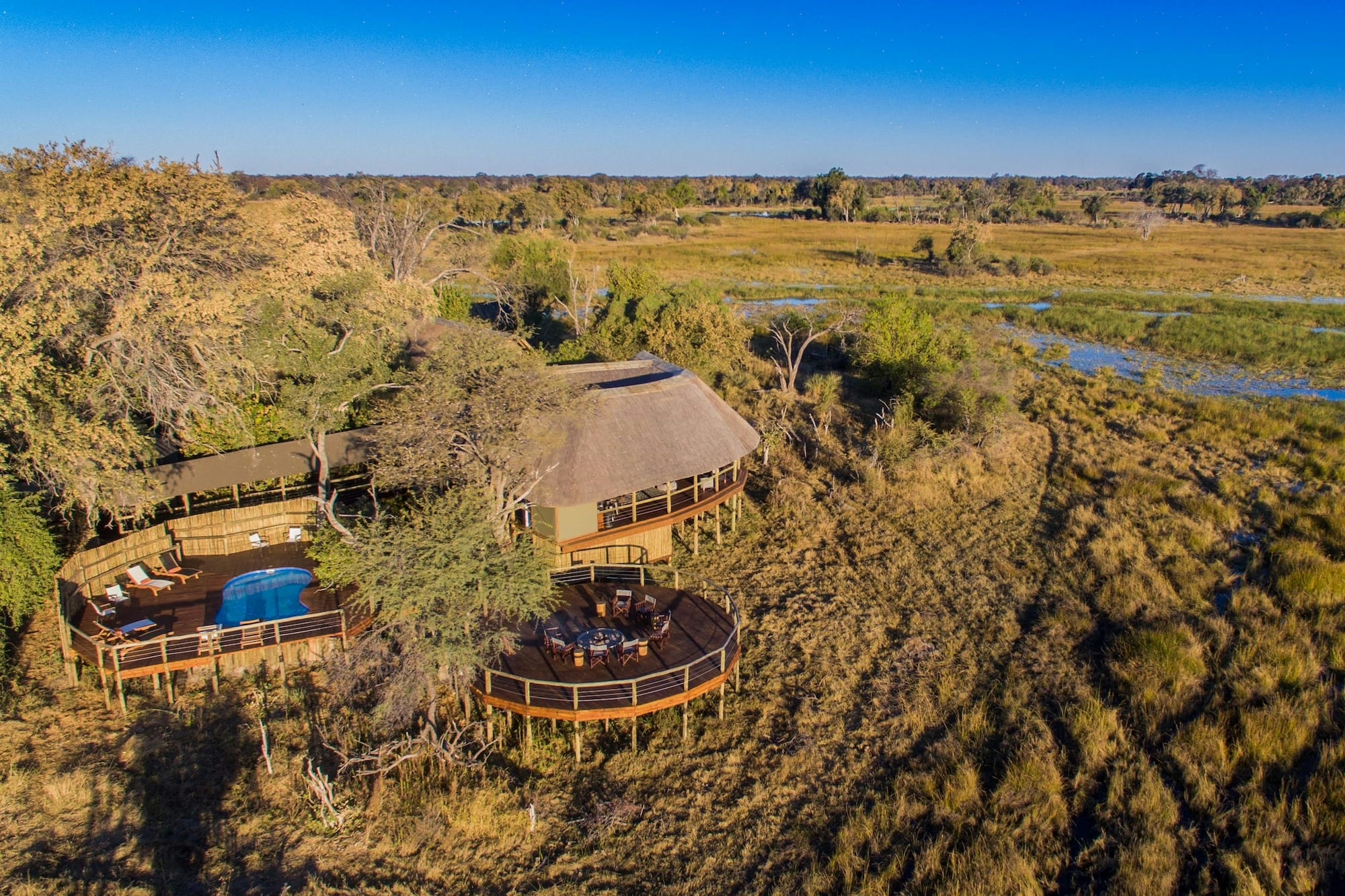
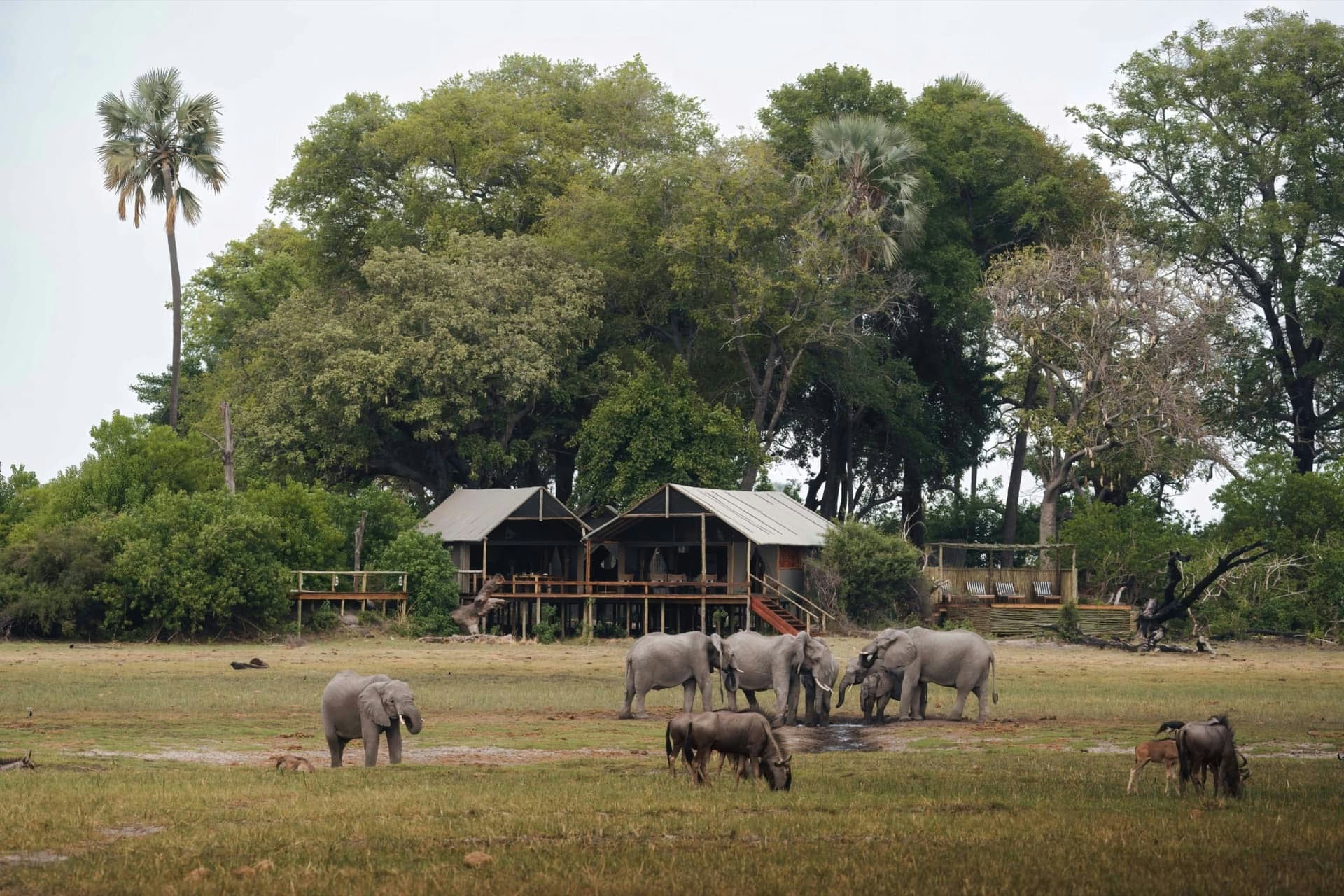
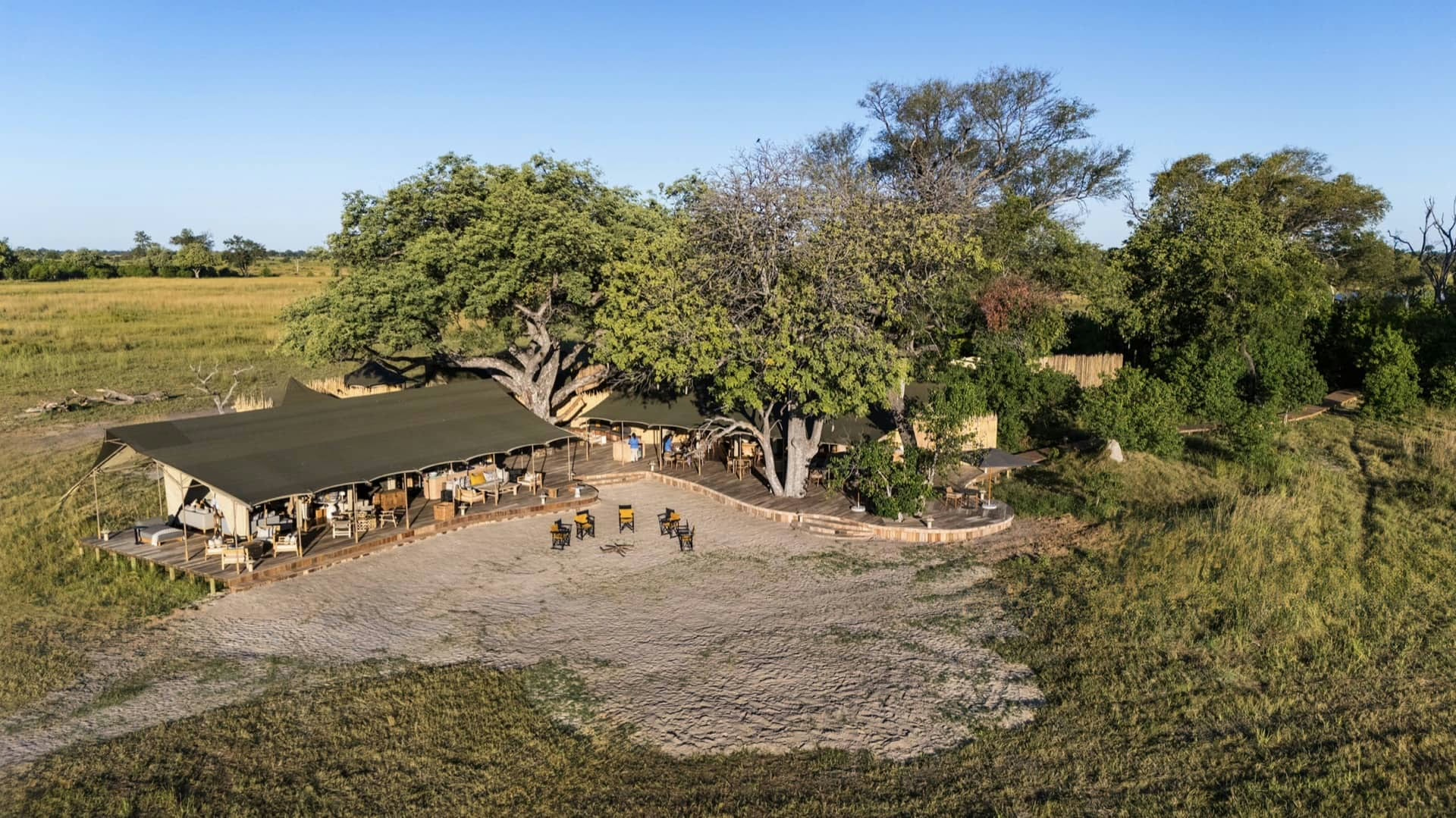
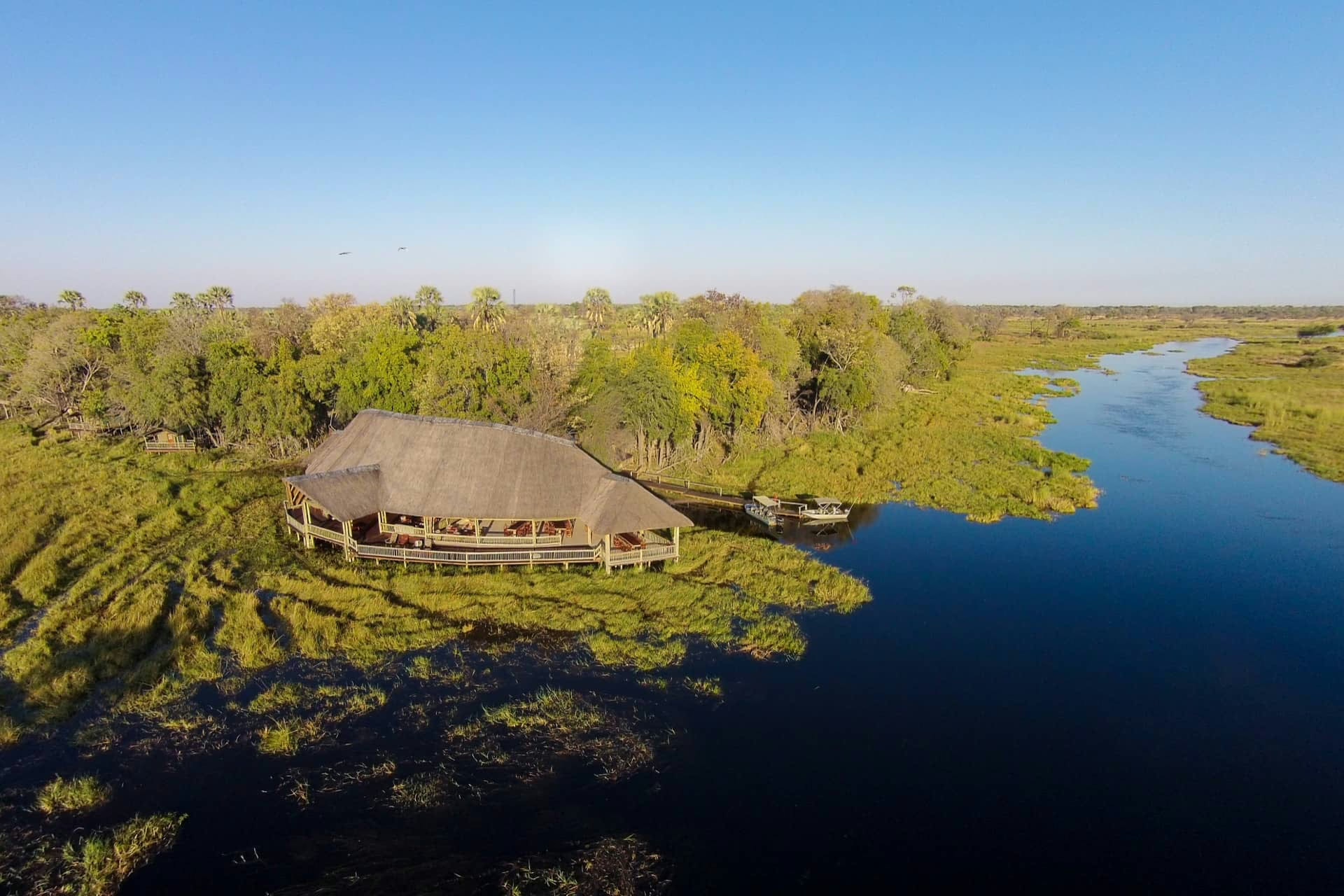
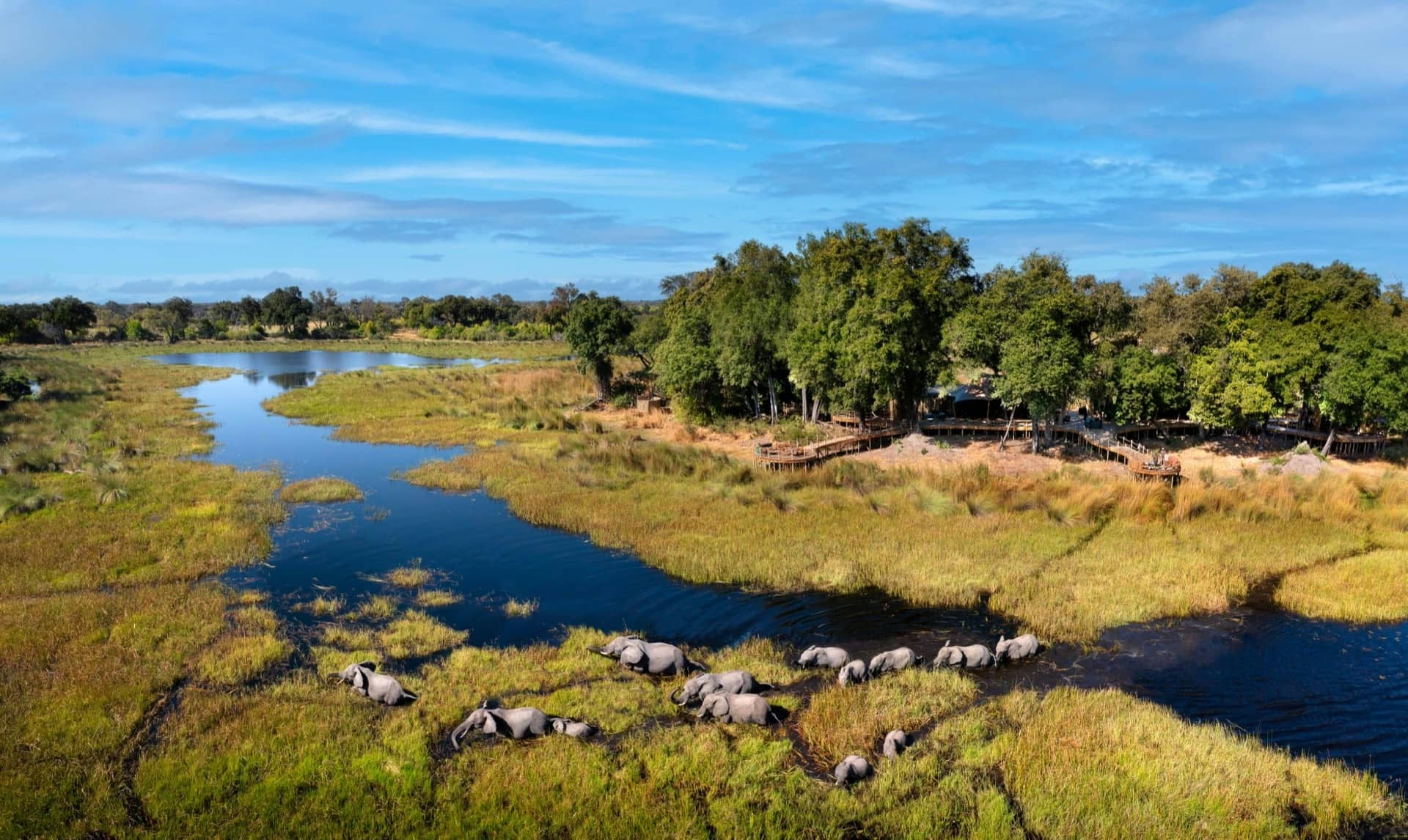
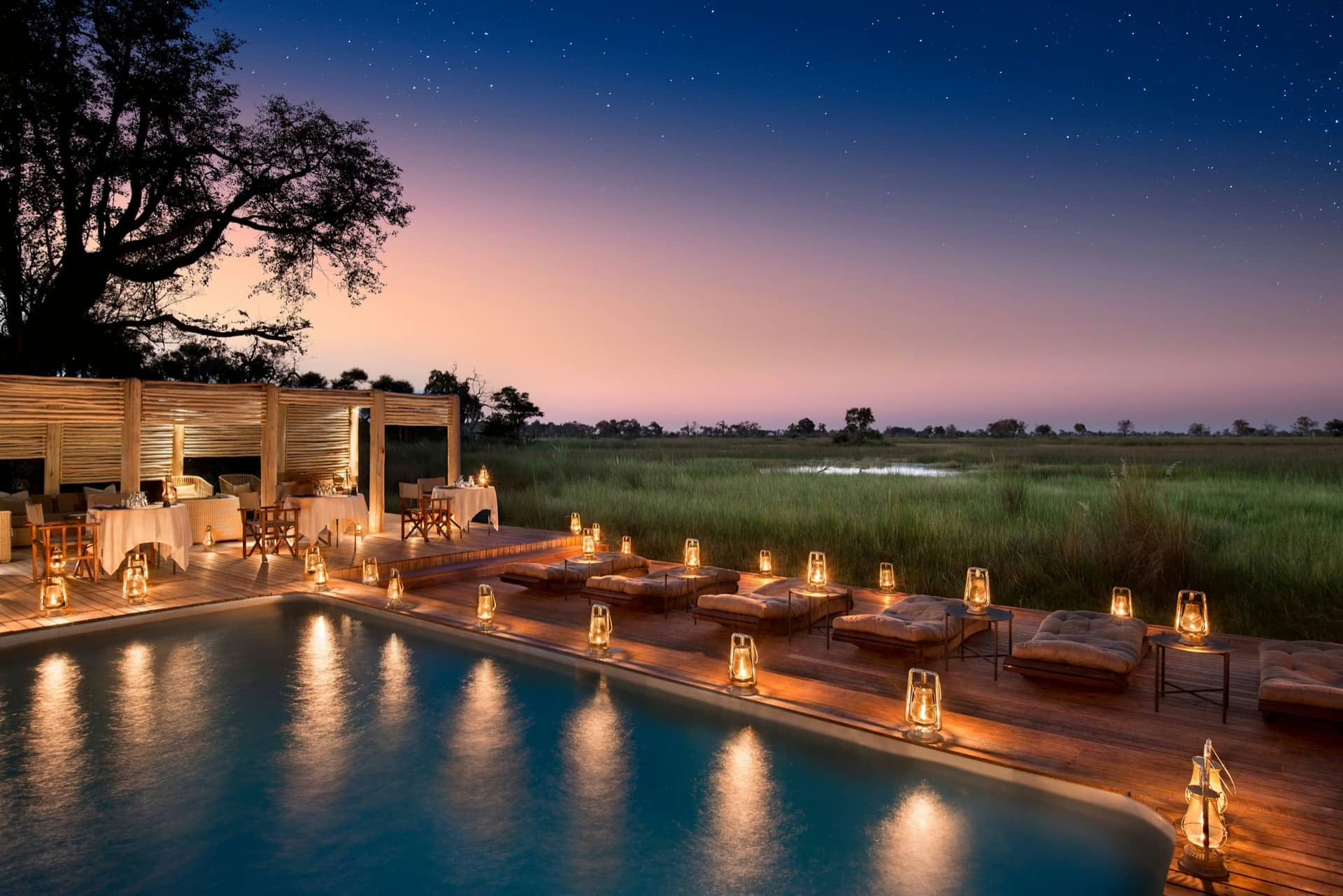
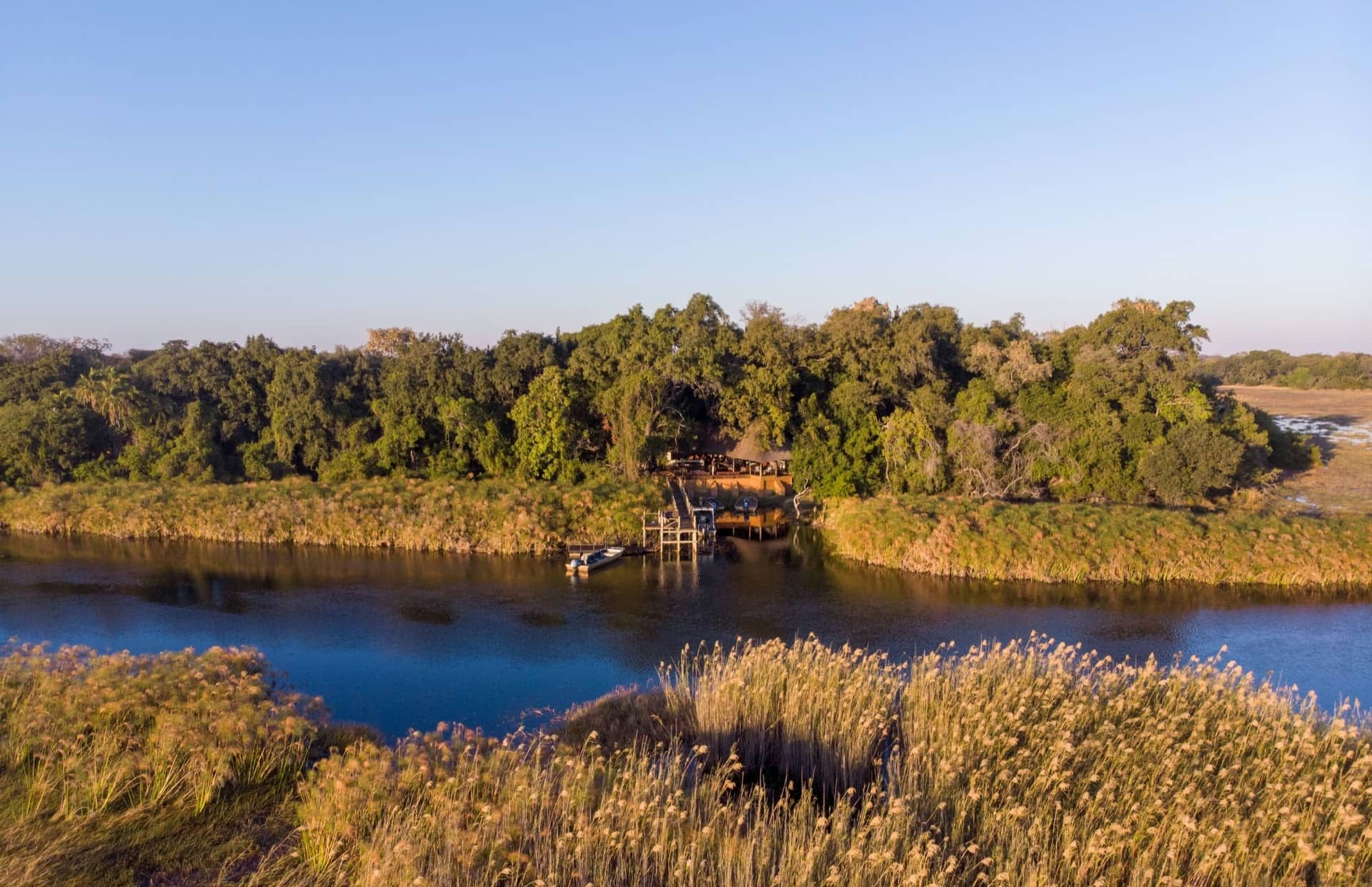
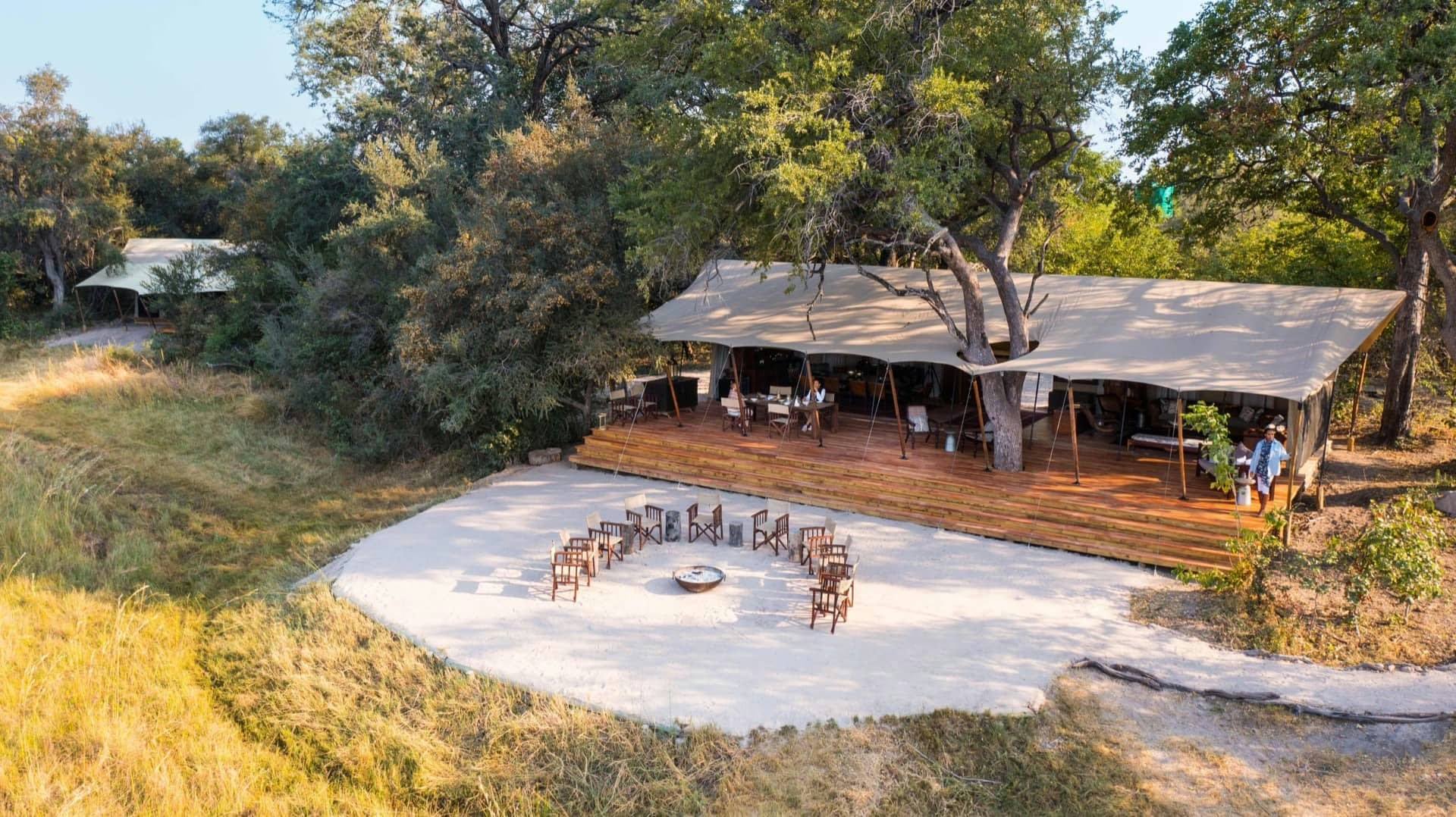
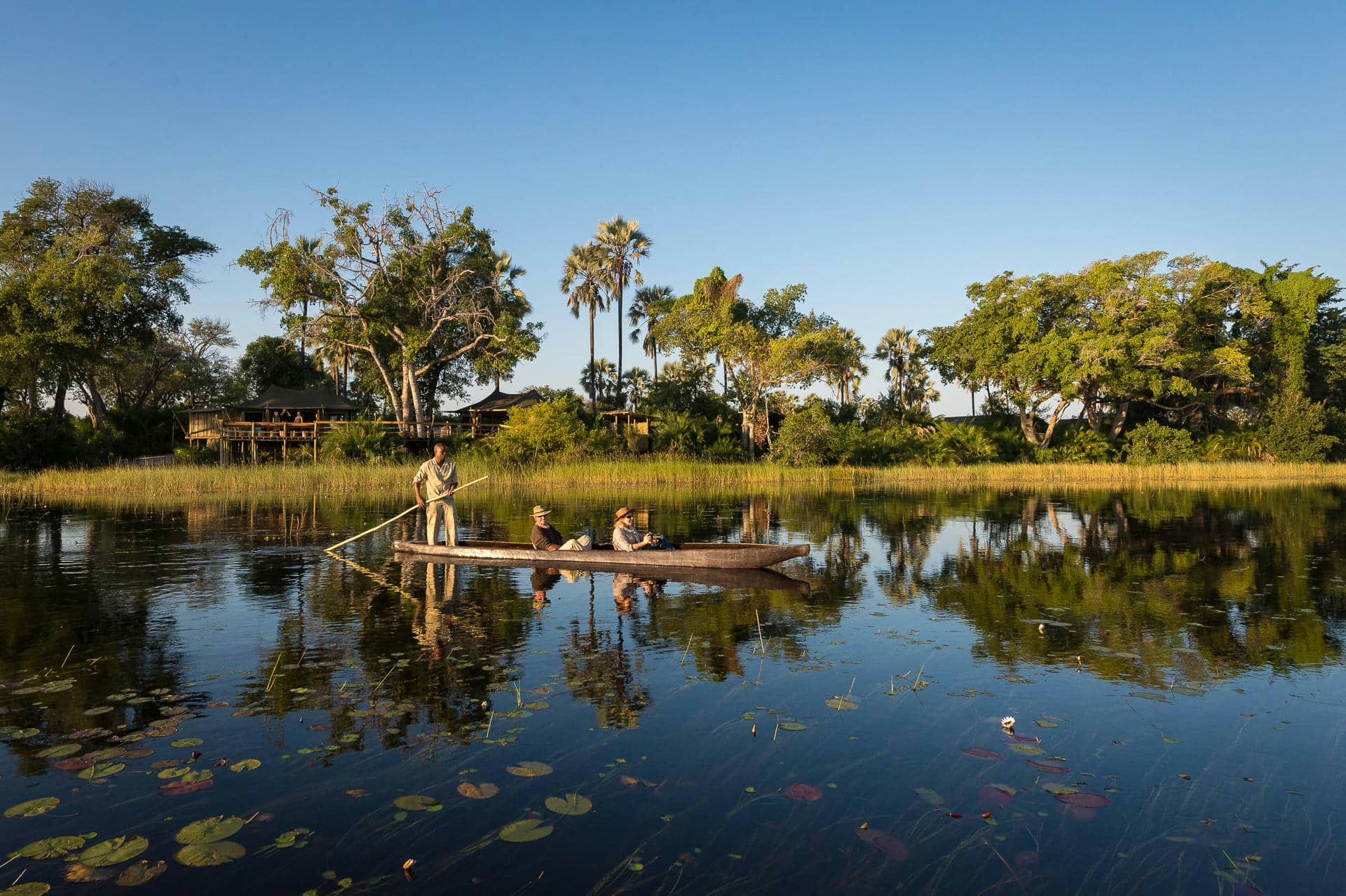
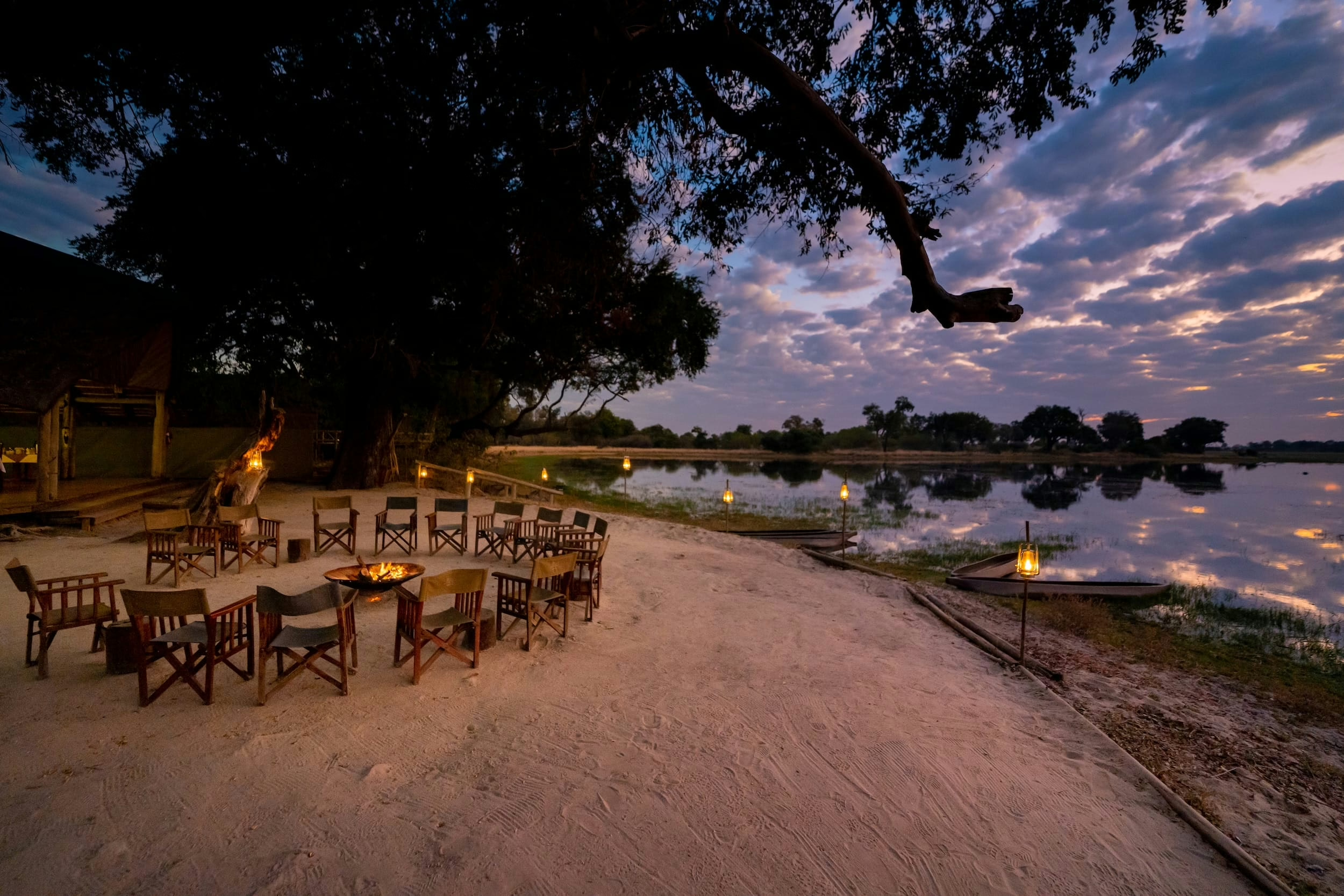
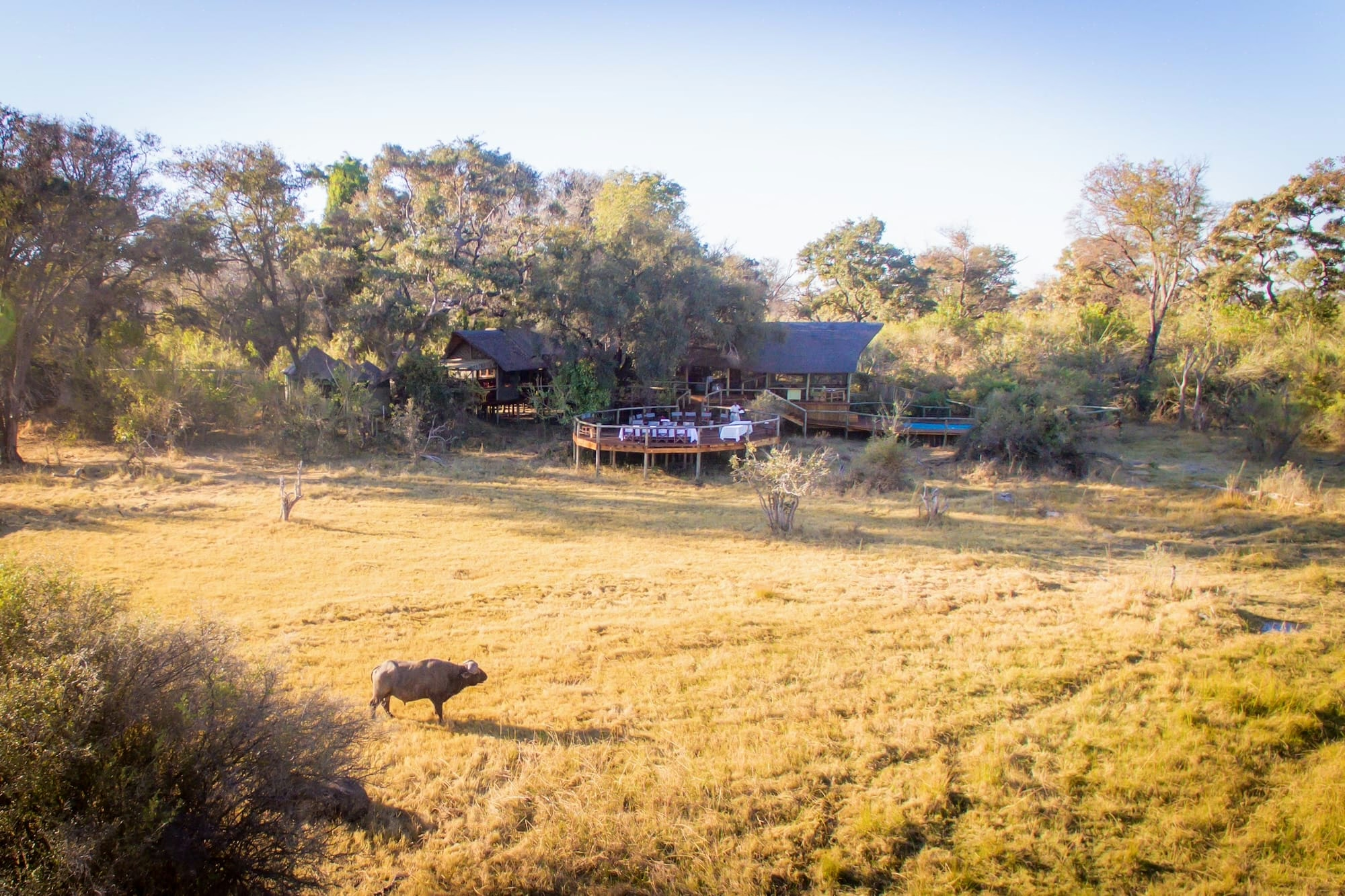
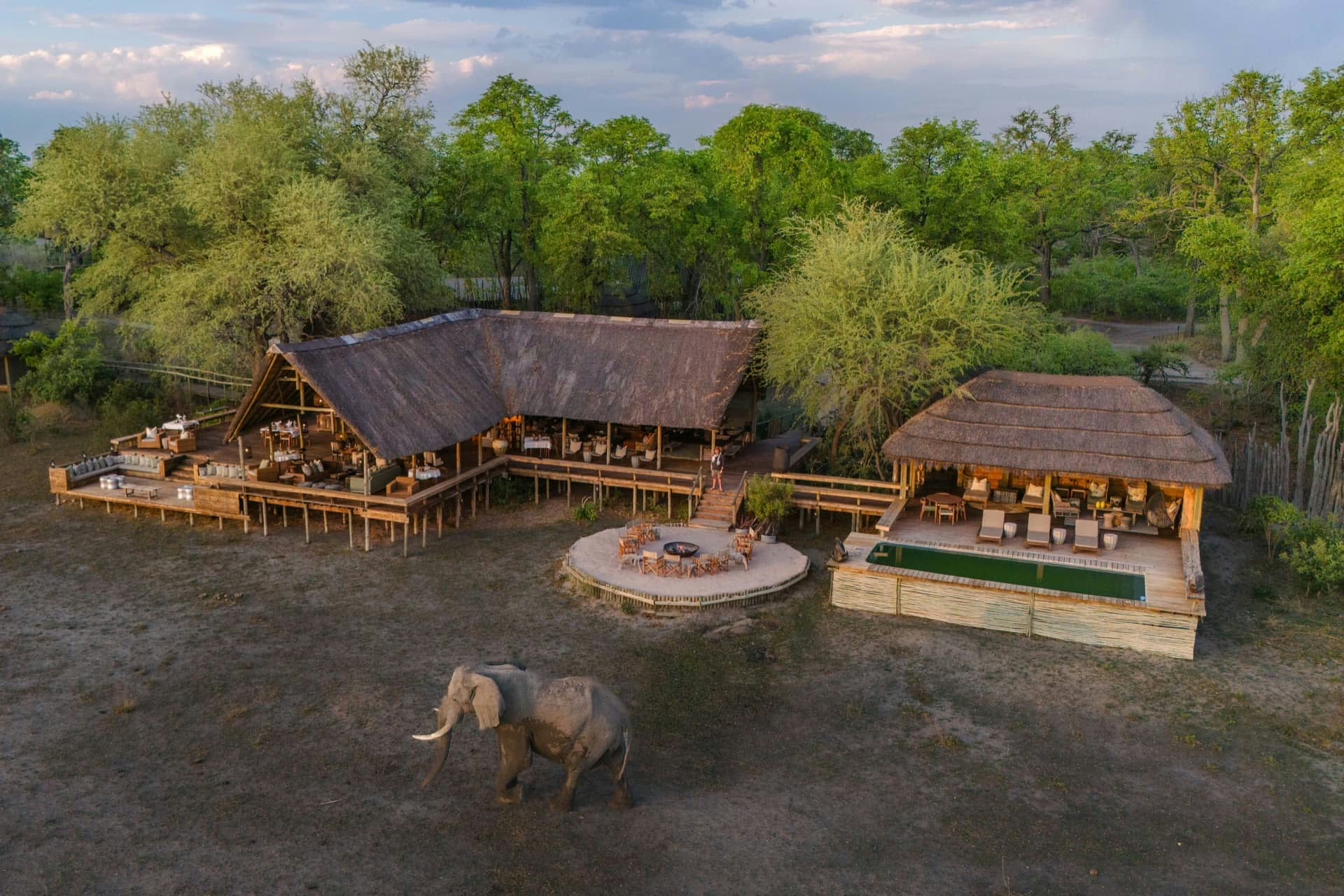
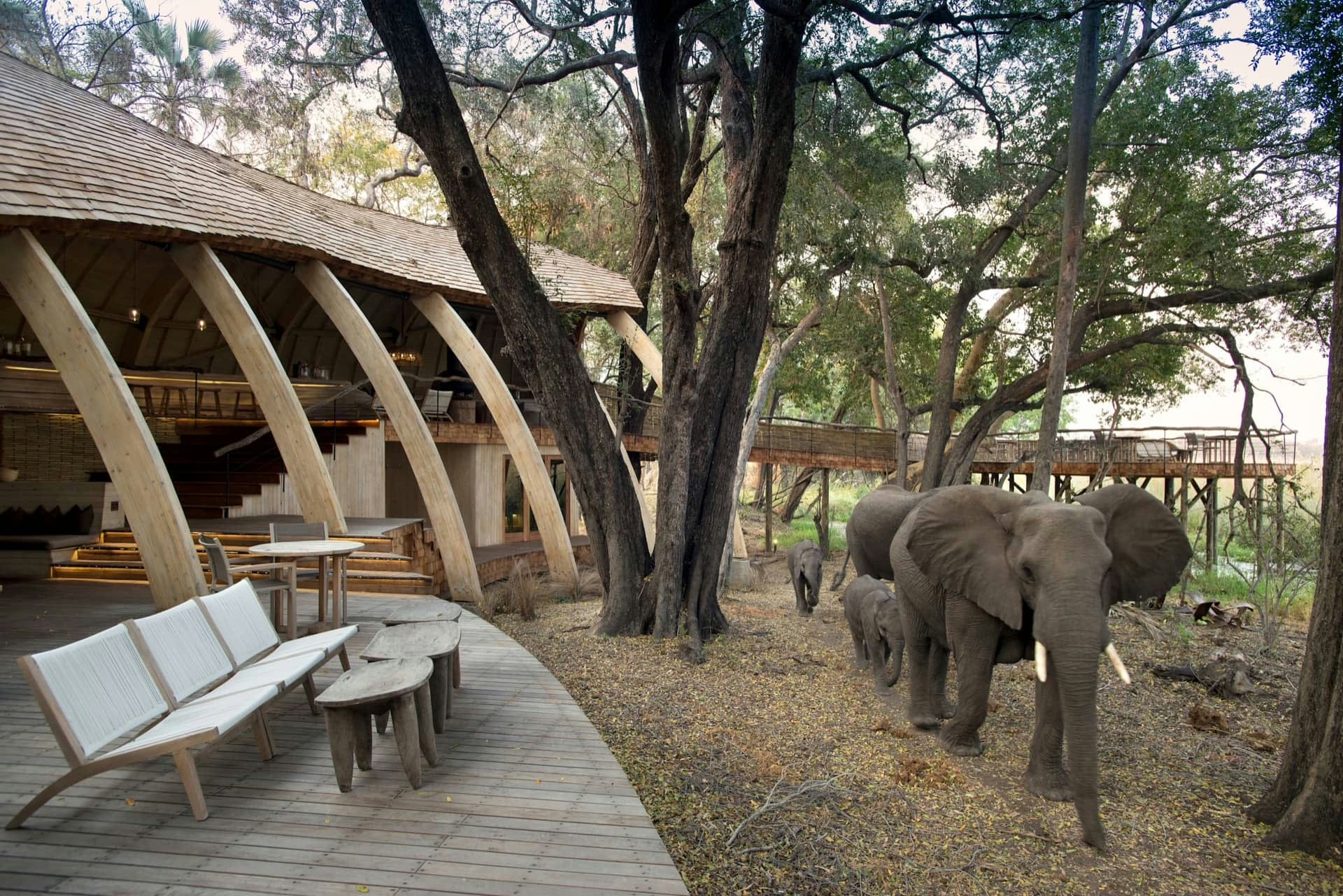
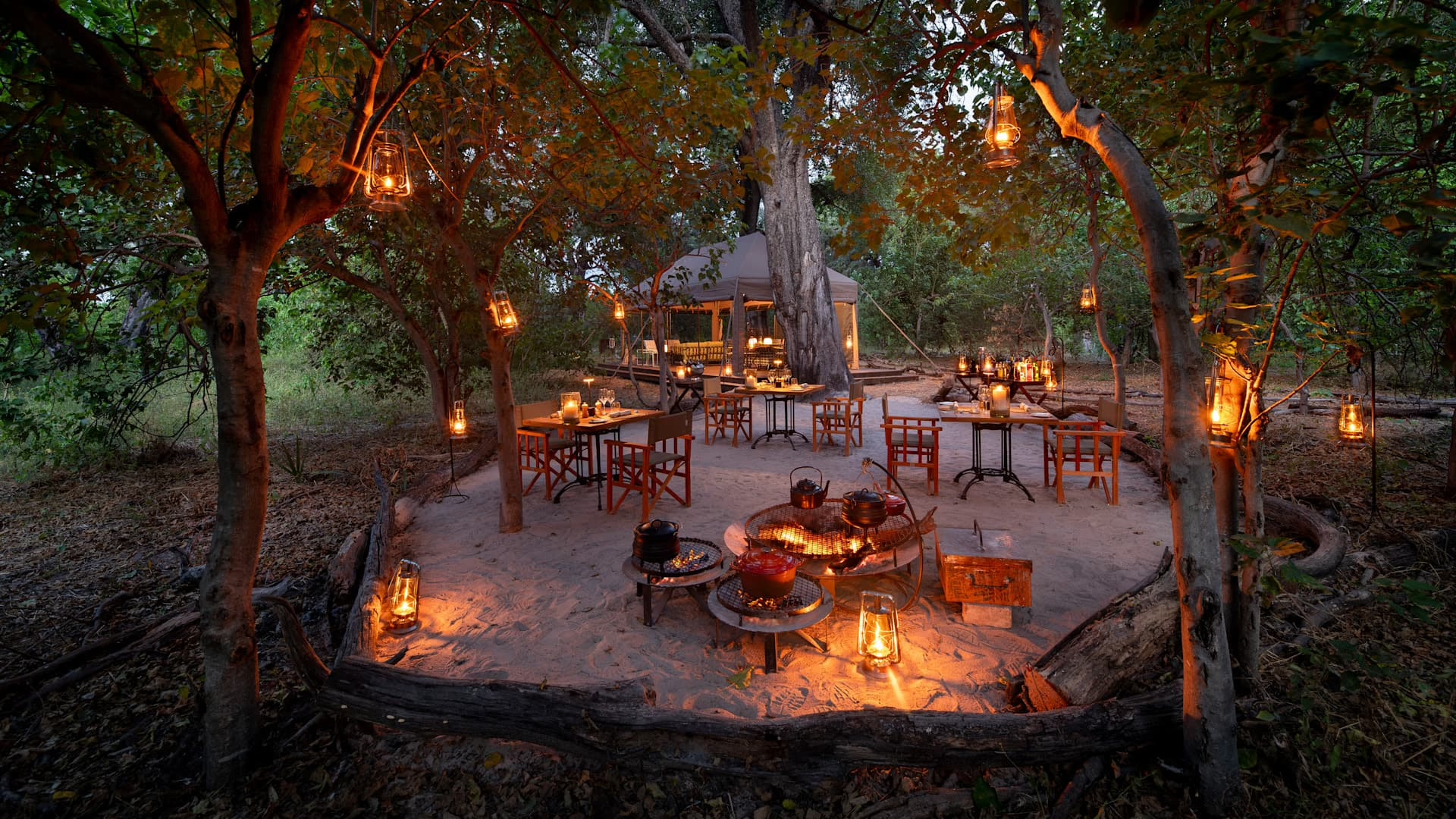
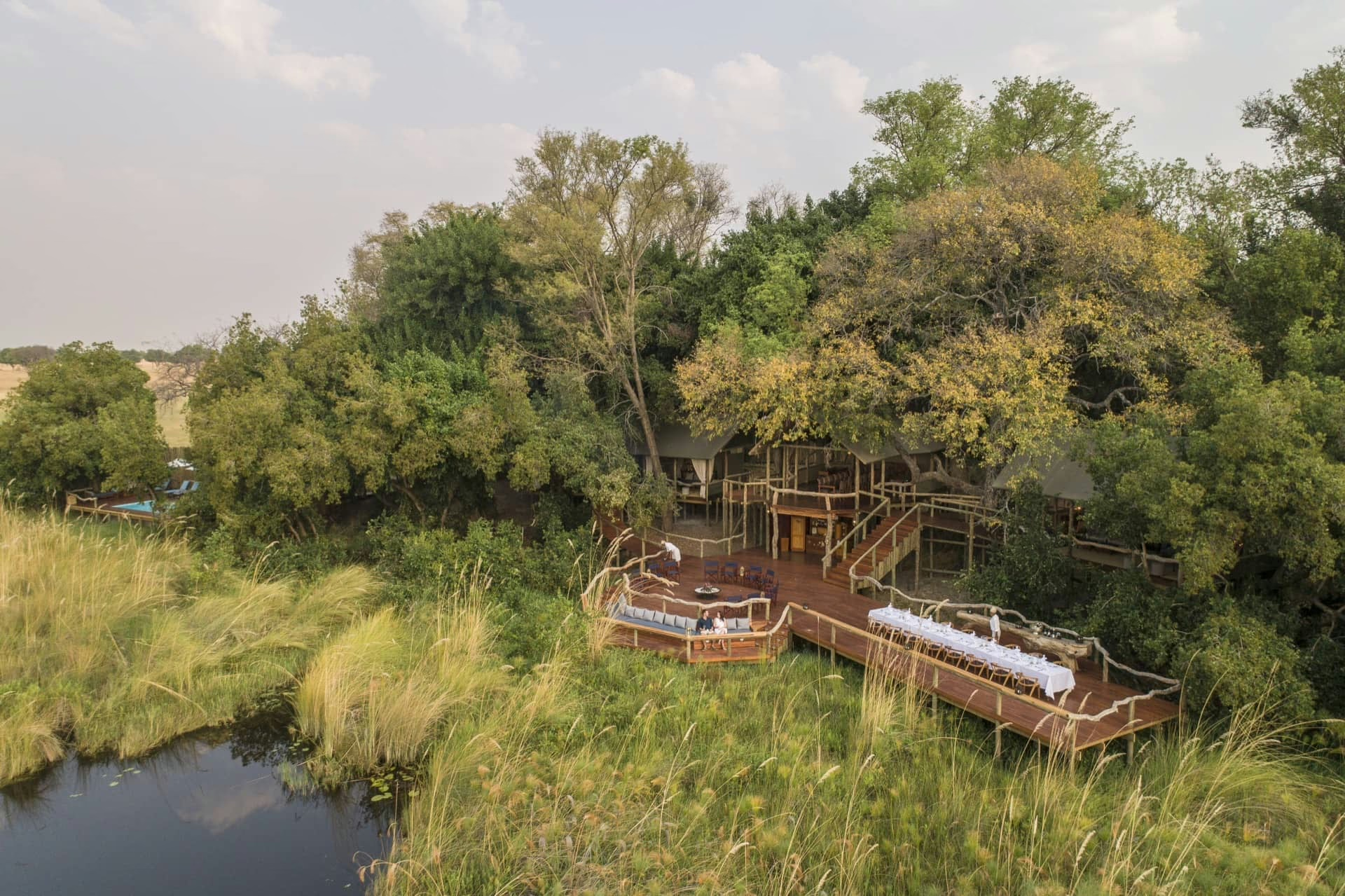
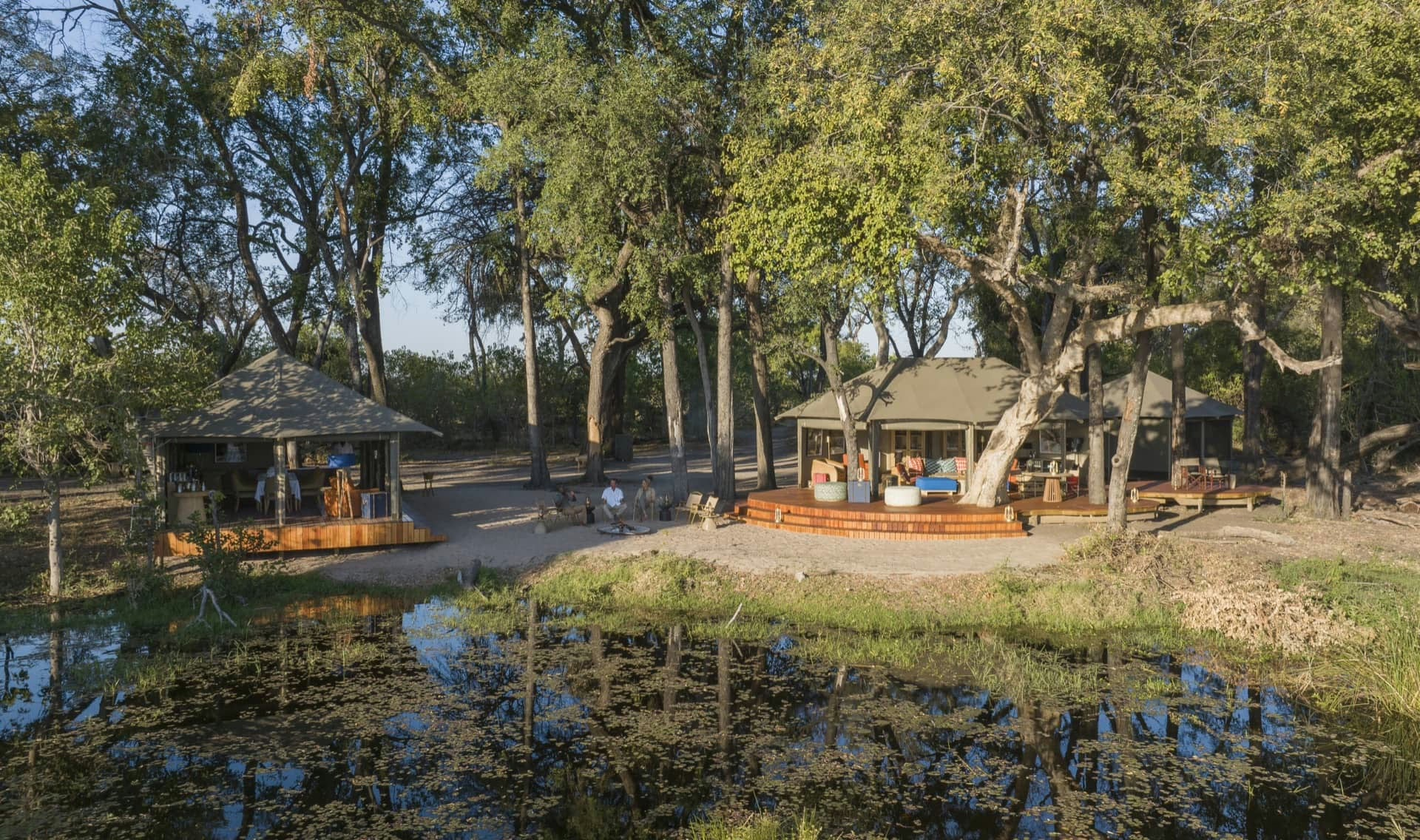
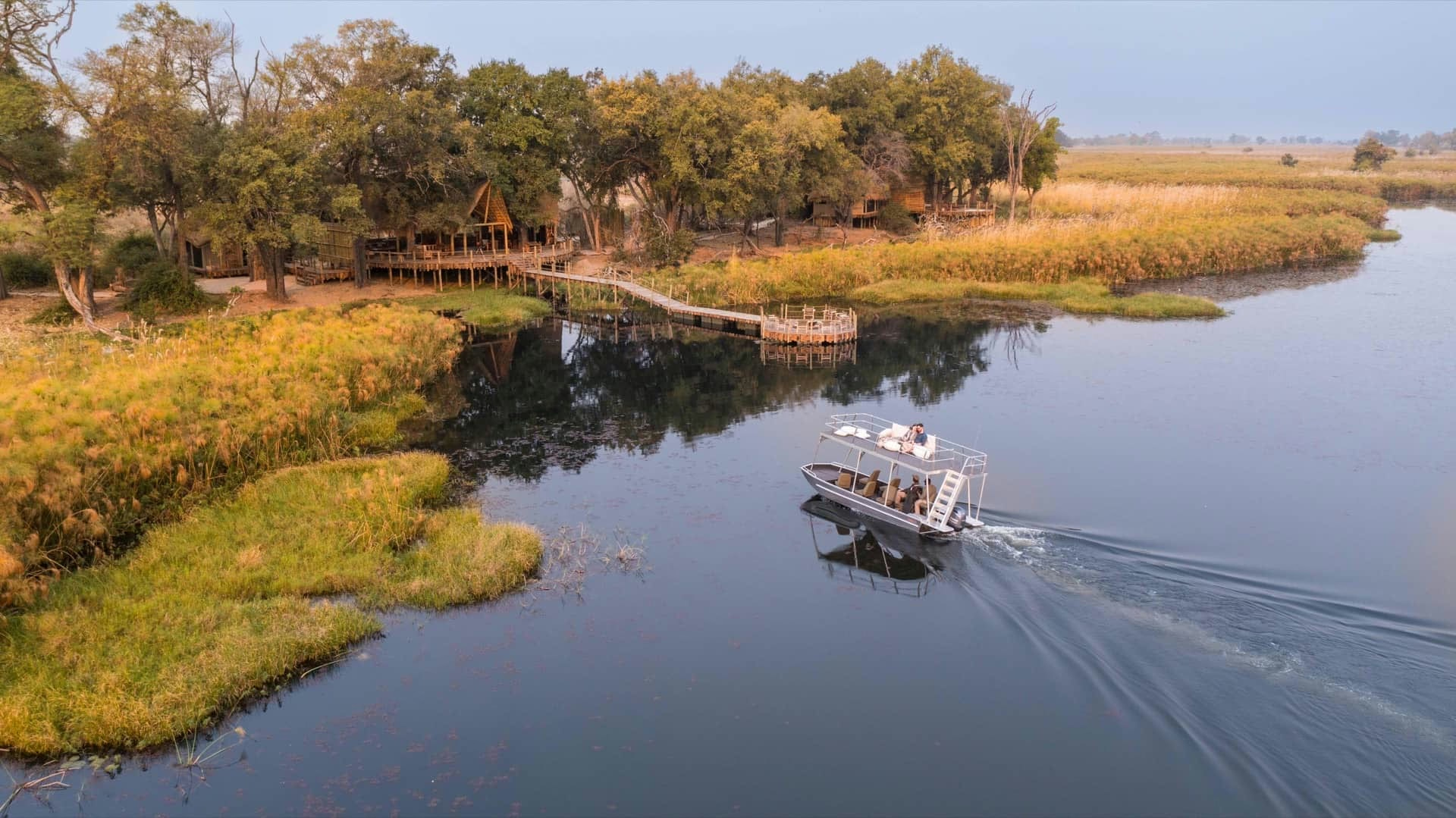
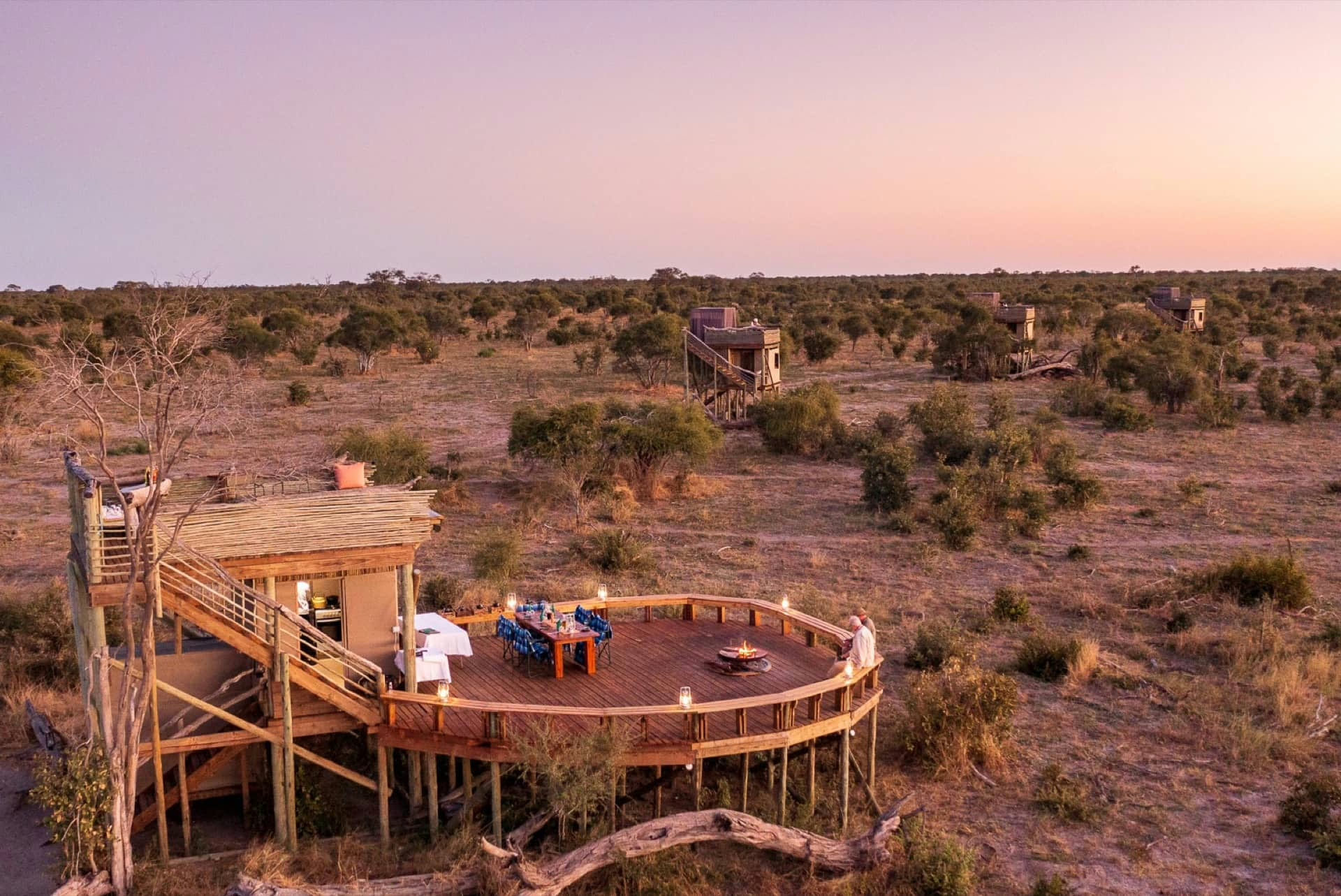
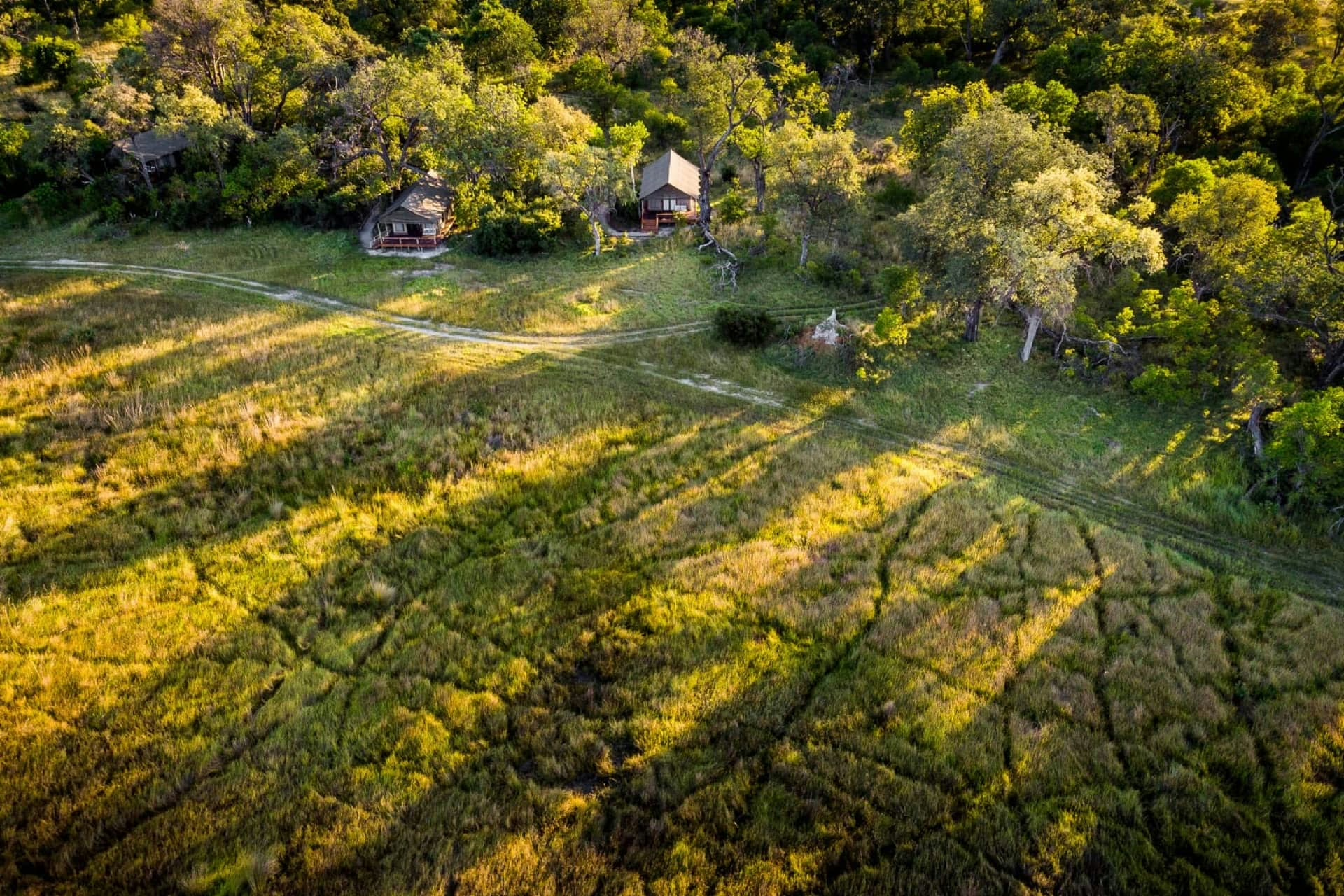
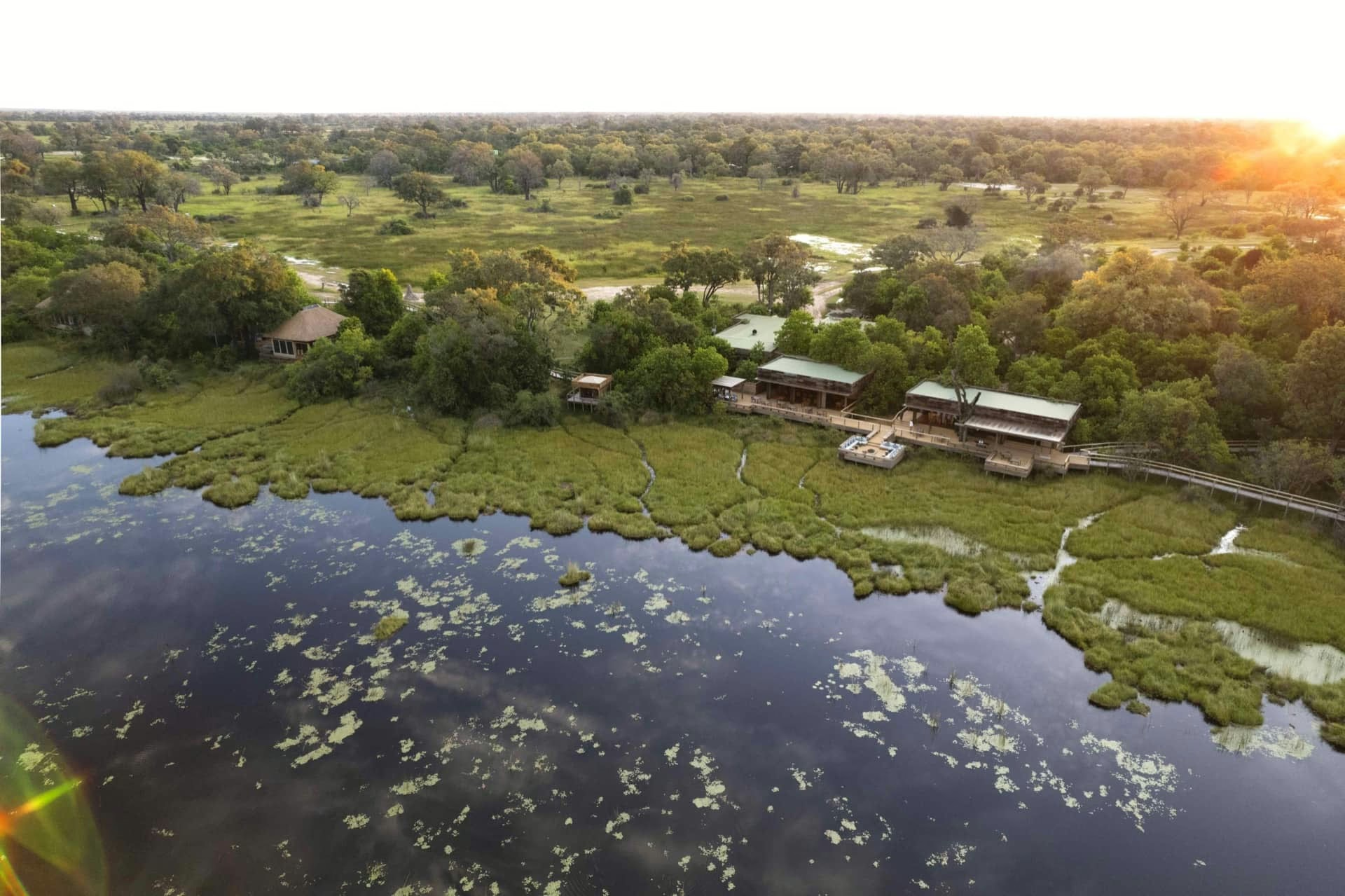
An almost immeasurable amount of water flows through into the delta from the hills of Angola creating a unique ecosystem. A patchwork of papyrus swamps and islands to the north, are fed by permanent channels, which spread like the fingers of a hand southwards. As the delta widens and fans out, the landscape changes to a myriad of palm fringed islands dotted in amongst flood plains. The central areas of land including Chiefs Island and the Moremi Game Reserve are larger landmasses that remain dryer than their surroundings during the height of the floods.
It is never an exact science but the flood will generally start pouring through the Delta in March until it reaches its zenith in June or July. This really does depend on where in Delta you are as the floods travel some 250km within Botswana before it reaches its natural boundary and then starts to fill into other regions such as Lake Ngami. Even the term “flood” can perhaps be misleading as you are able to sit and watch the water creep inches at a time through the plains areas.
The Northern region of the Okavango Delta is referred to as the Panhandle and runs by the main town of Shakawe. This area is where you will find the permanent deeper channels lined by papyrus swamps and secret lagoons, the fishing here for bream and Tiger fish is amazing.
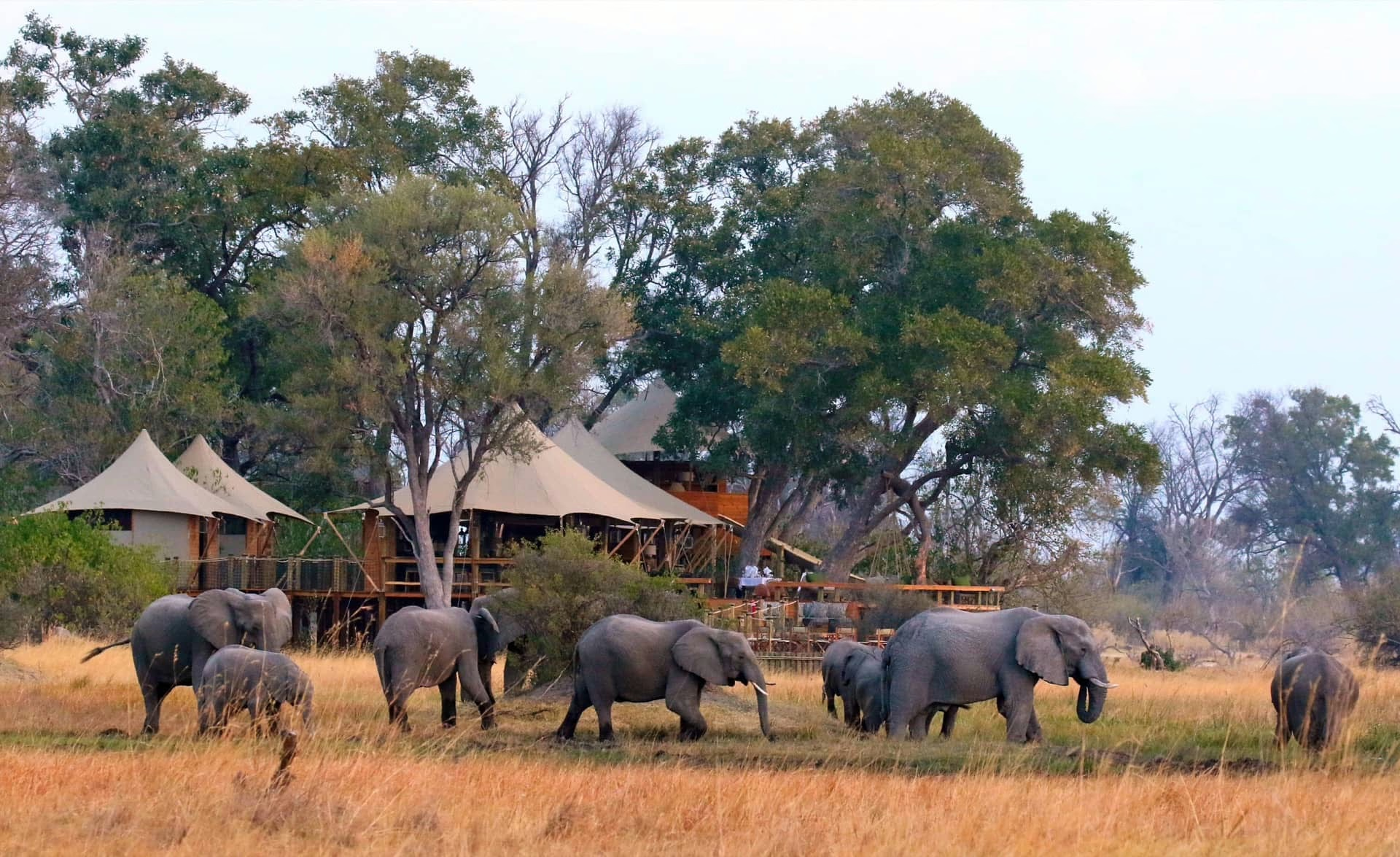
These permanent waters have of late run all the way down to the safari town of Maun and then on down the Boteti River and beyond. As the floods “fingers” stretch out, they slowly create an oasis of immense proportions turning surrounding areas from parched land scoured by a million dusty animal tracks to a verdant green and lush environment with game numbers equal to anywhere in Africa.
We believe that any visit to Botswana simply must include a visit to the Okavango Delta, its biodiversity and monthly adaptations provide for an astonishing range of animals, birds and flowers.
The Moremi Game Reserve and the Khwai Concession are technically part of the Okavango system. Due to their public nature, Safari Lifestyles have treated both these areas as separate regions, being interspersed with a group of Lodges, Mobile Tented Safaris and Self-Drivers occupying the area.
The greater Okavango Delta area, with its unique landmass and water incursions, is mostly comprised of private lodges in private concessions, and as such are allowed to be more flexible with their activities.