Mixed Lodges
The Full Picture: Botswana’s Lodges That Do Both Land and Water
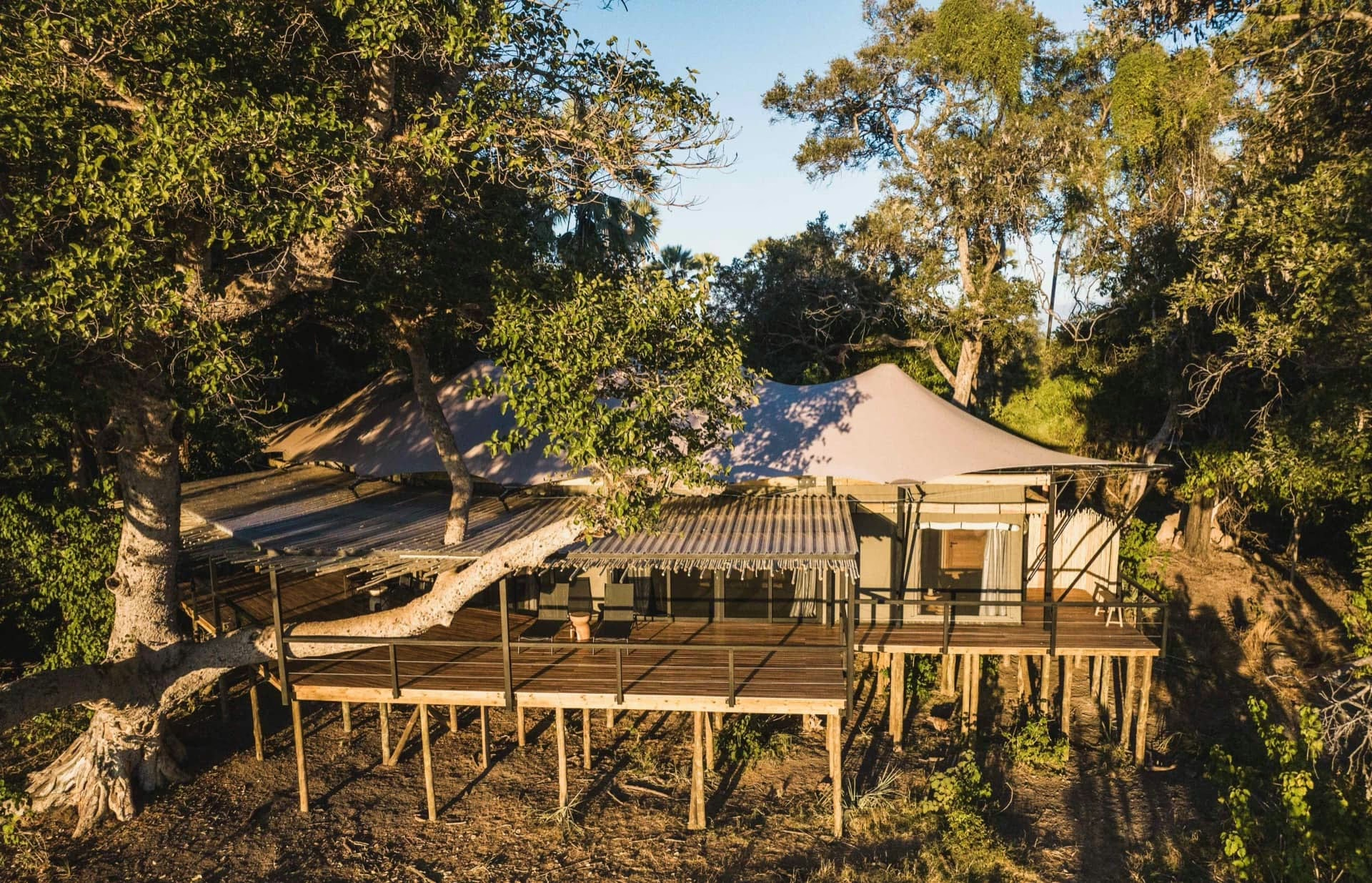
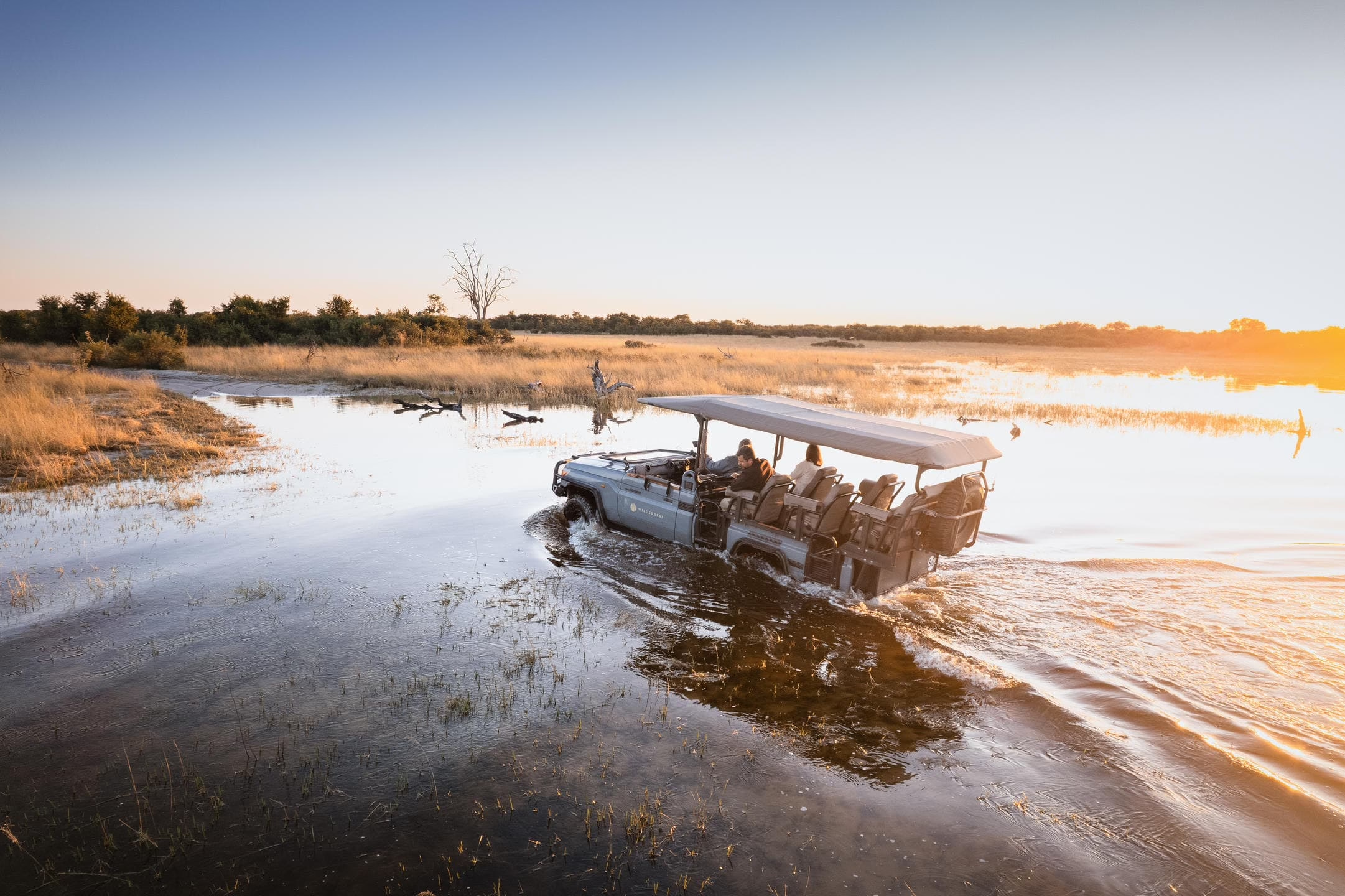
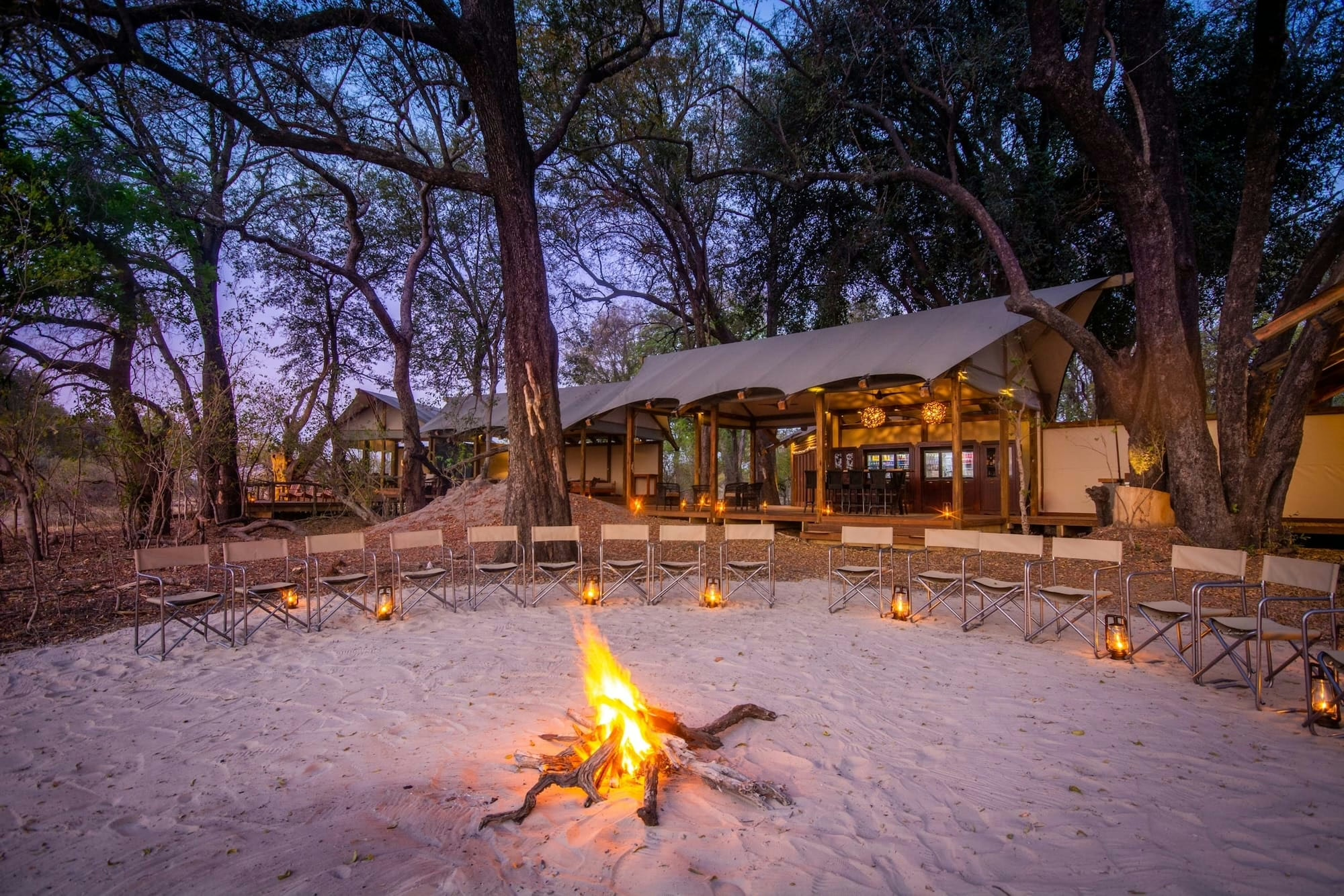
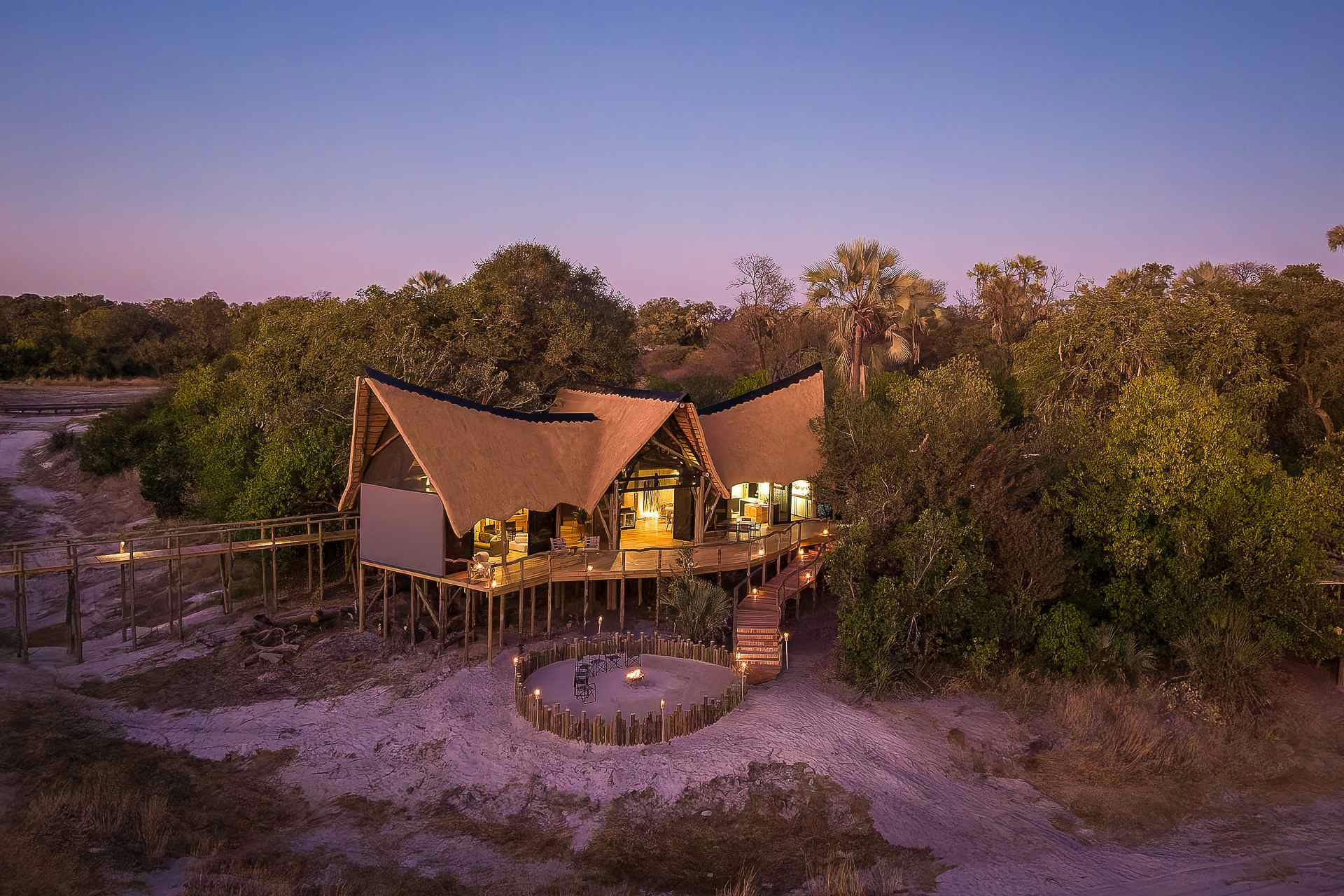
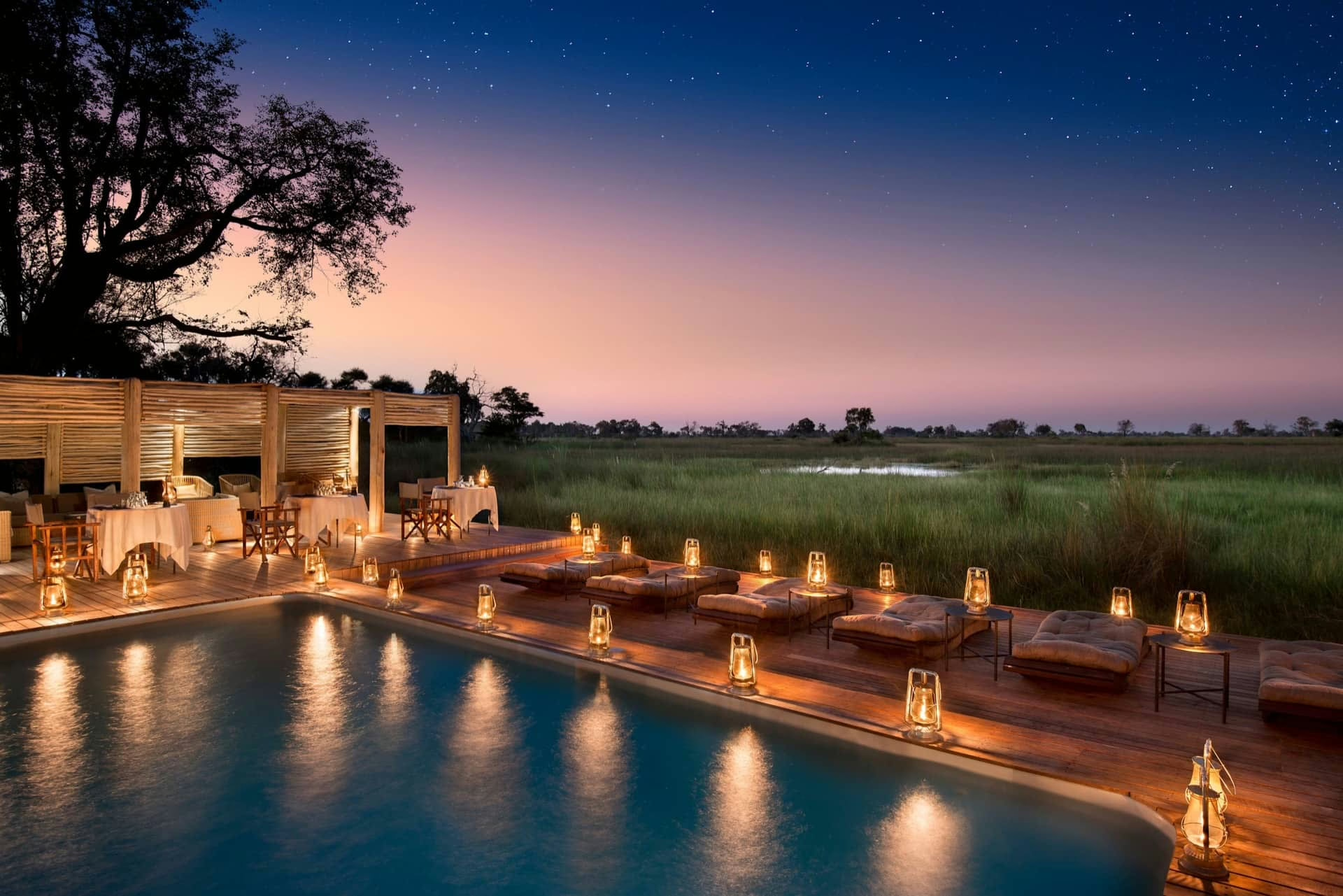
The most versatile safari experiences in Botswana belong to the camps and lodges positioned at the intersection of two worlds — where dry land meets water, and where the daily programme draws equally from both. These properties don’t have to choose between the mokoro and the game drive, the walking trail and the boat safari. They offer all of it, and the combination produces something richer than either environment could deliver alone.
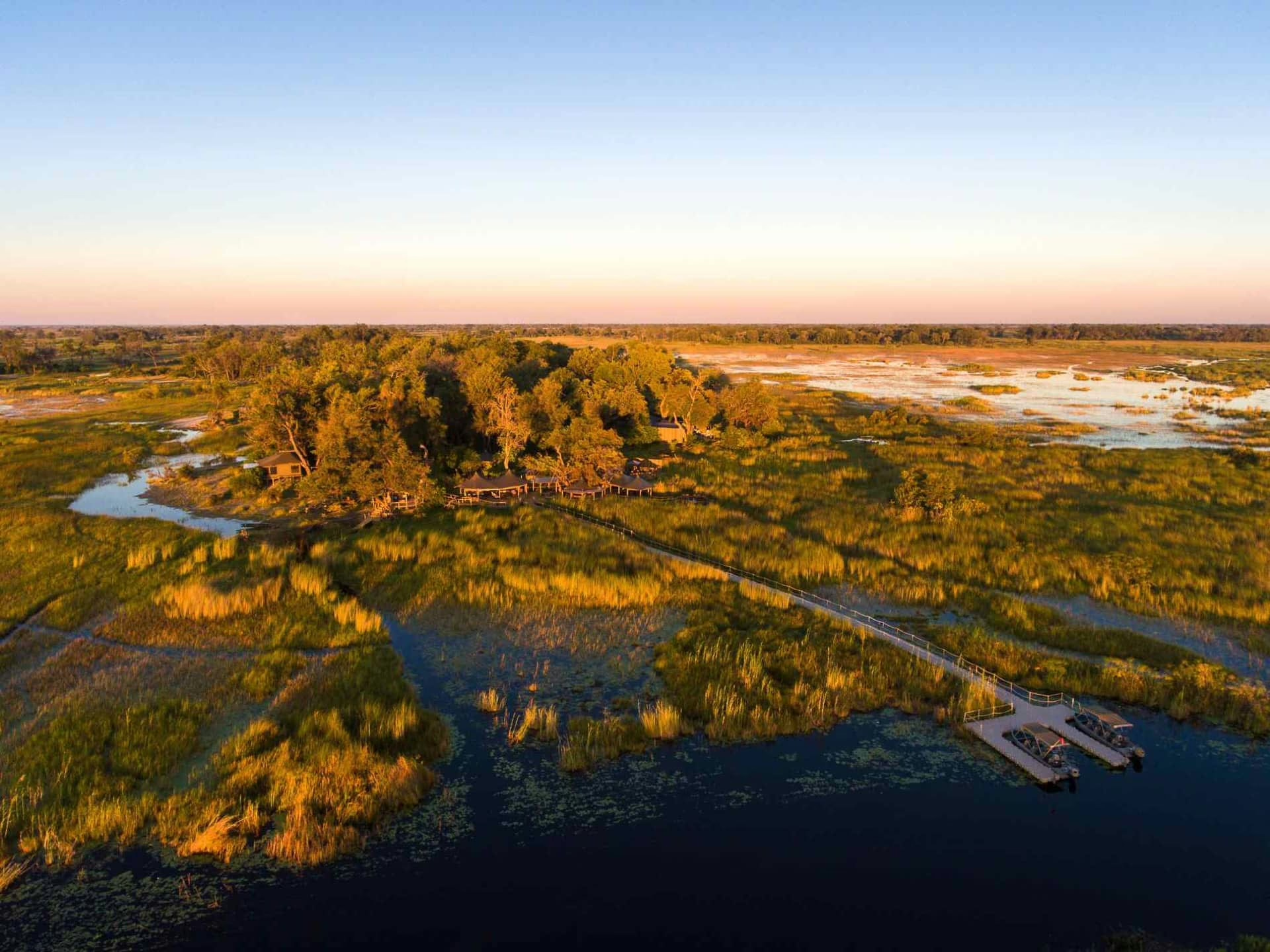
The Okavango Delta’s inner reaches are where this balance is most naturally achieved. Several of the established camps here sit on islands surrounded by permanent water on one side and dry woodland or floodplain on the other. Morning might begin with an early game drive through mopane scrub, tracking lion or following a pack of wild dogs on a hunt, before returning to camp and heading out in the afternoon by mokoro through papyrus channels where sitatunga move between reed beds and malachite kingfishers hover above the surface. The shift between environments within a single day is one of the things that makes these camps genuinely distinctive.
The Moremi Game Reserve and the private concessions that border it produce this duality in particularly strong form. The landscape here transitions constantly — open floodplain becoming dry woodland, permanent channel giving way to seasonal grassland. Camps with access to both tend to run flexible itineraries that follow the animals and the conditions rather than adhering to a fixed structure. A flood event might redirect an afternoon entirely, shifting a planned drive into an impromptu boat excursion to reach an area now only accessible by water.
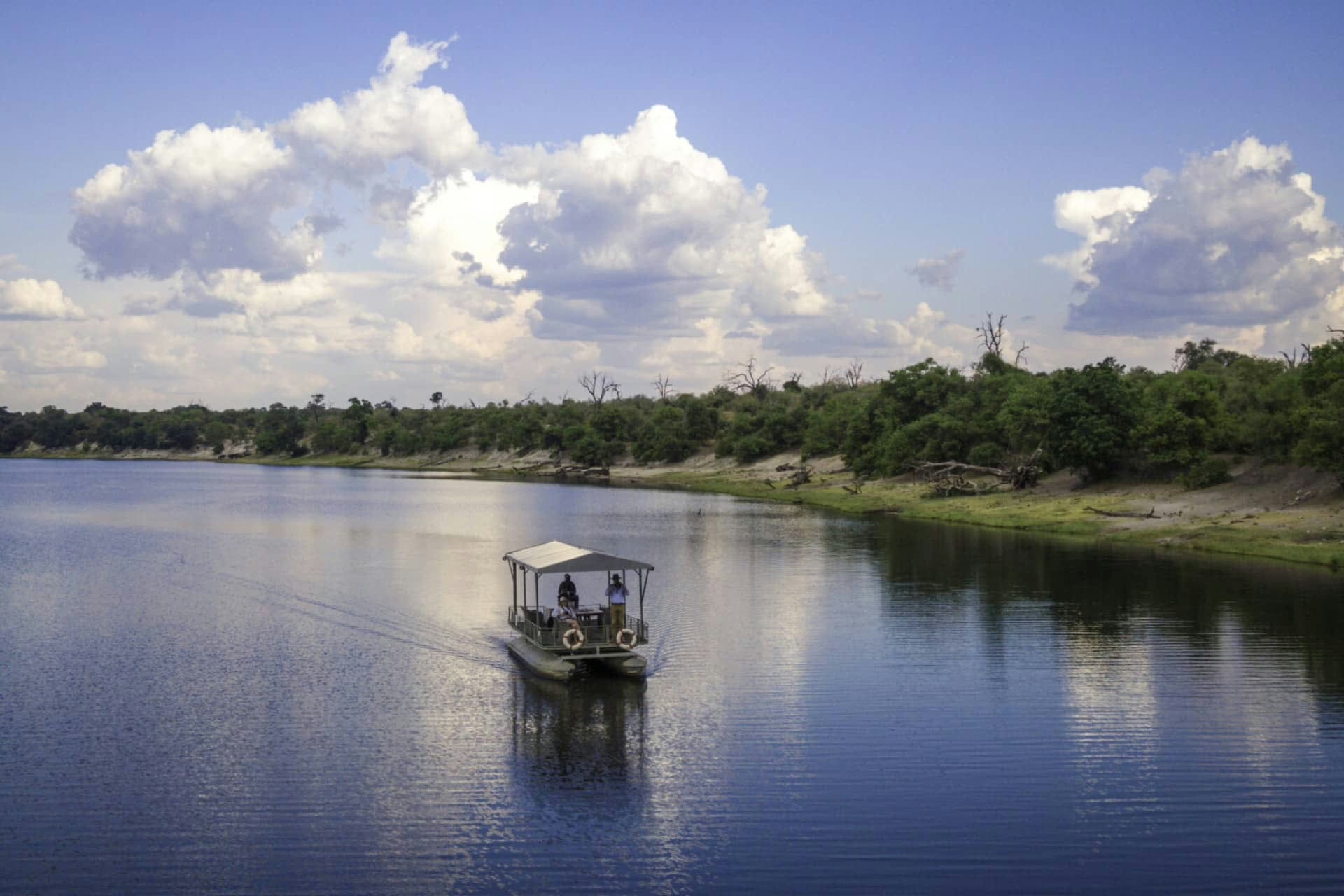
Further north, the Linyanti and Selinda systems offer a version of this combination along major river channels where boat safaris, fishing, and walking on the riverbank all sit comfortably alongside traditional game drives. The predator activity in these areas is exceptional, and being able to approach it from multiple angles — by vehicle, on foot, and occasionally from the water — adds genuine depth to the experience.
What distinguishes these dual-environment lodges is ultimately the quality and range of their guiding teams. A camp that operates meaningfully on both land and water needs guides who are fluent in both, and the best properties invest accordingly. The result is a safari that never feels repetitive, where each activity reveals a different layer of the same ecosystem, and where the landscape is explored rather than simply viewed.
Mixed Lodges
Budget
Baines Camp
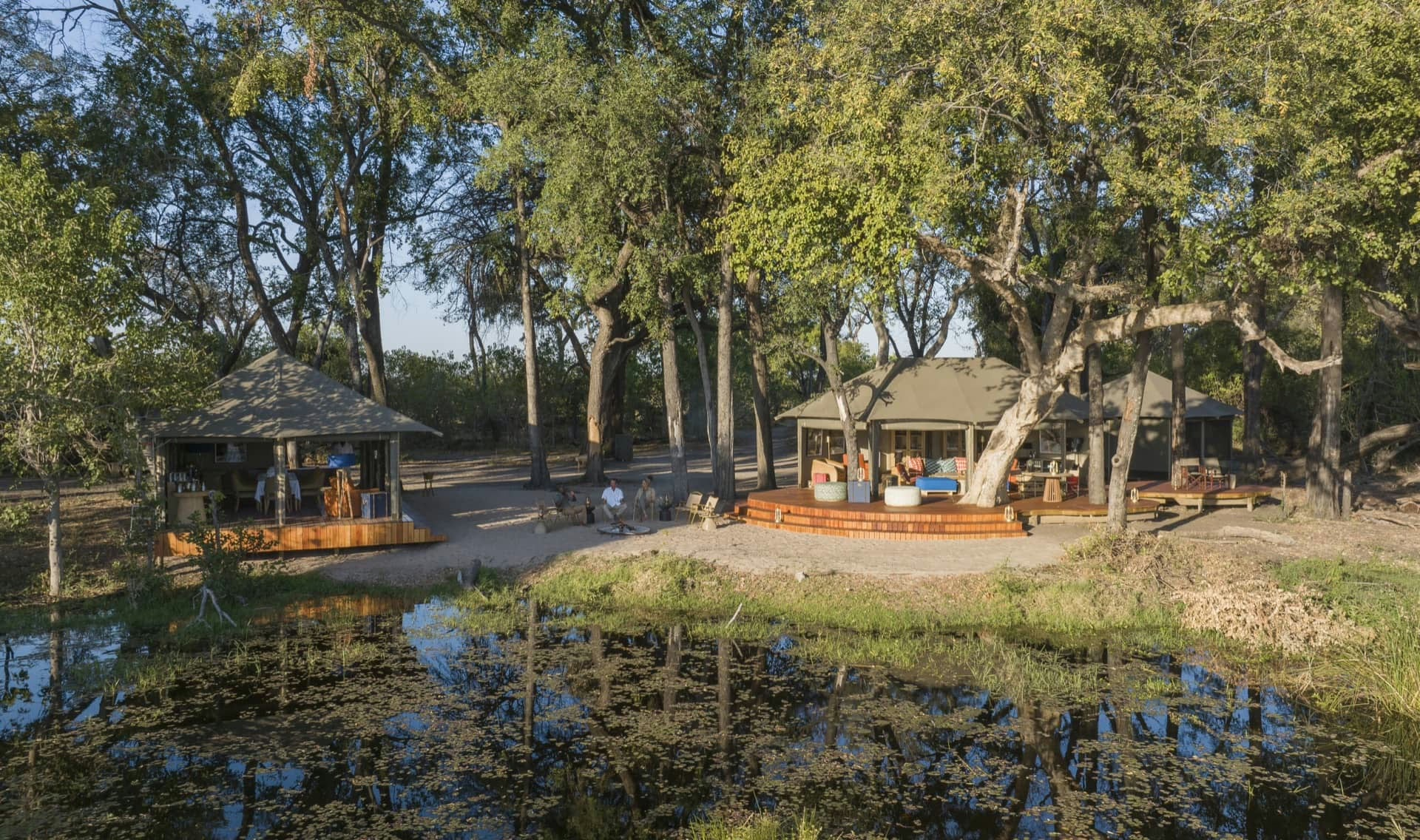
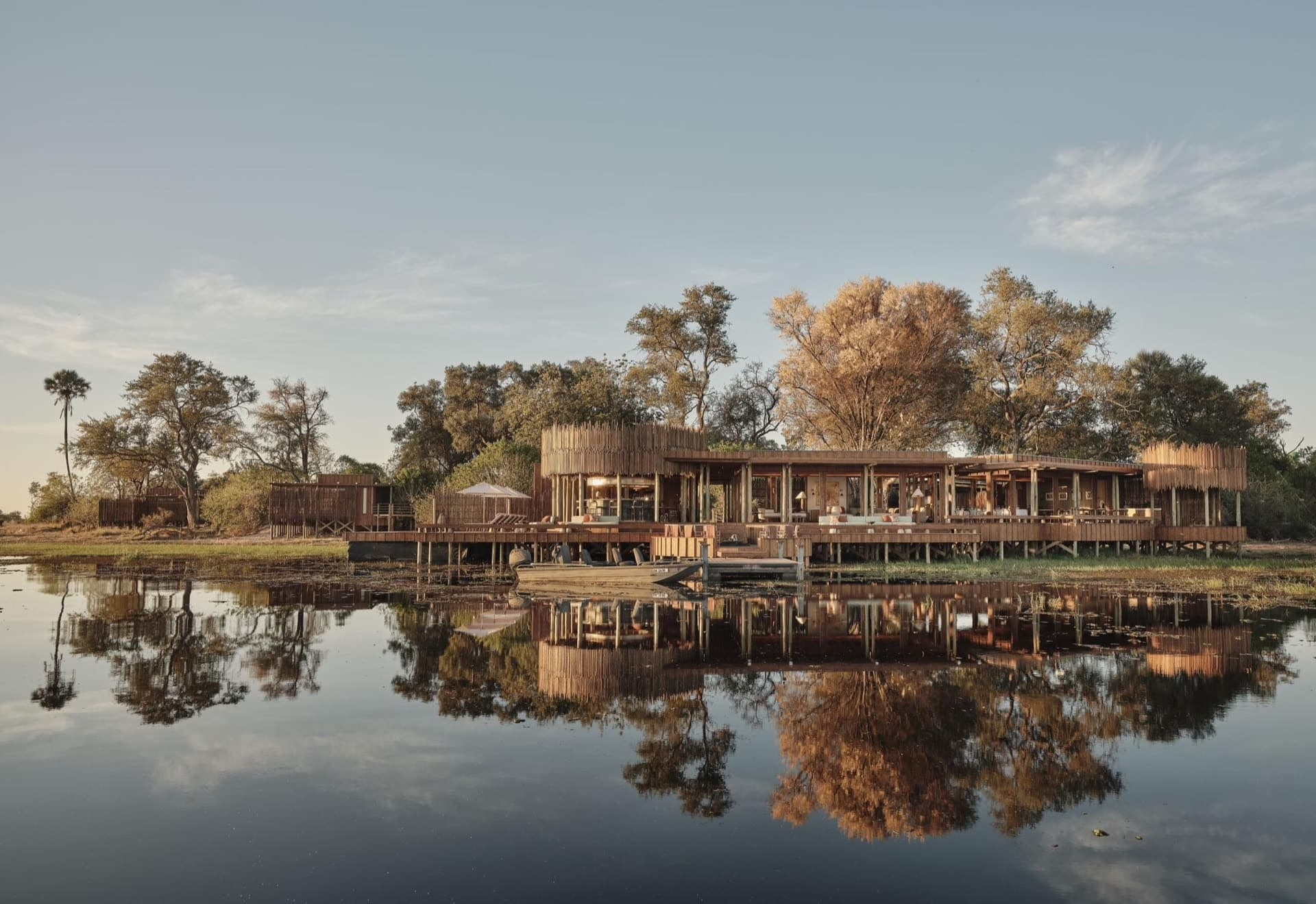
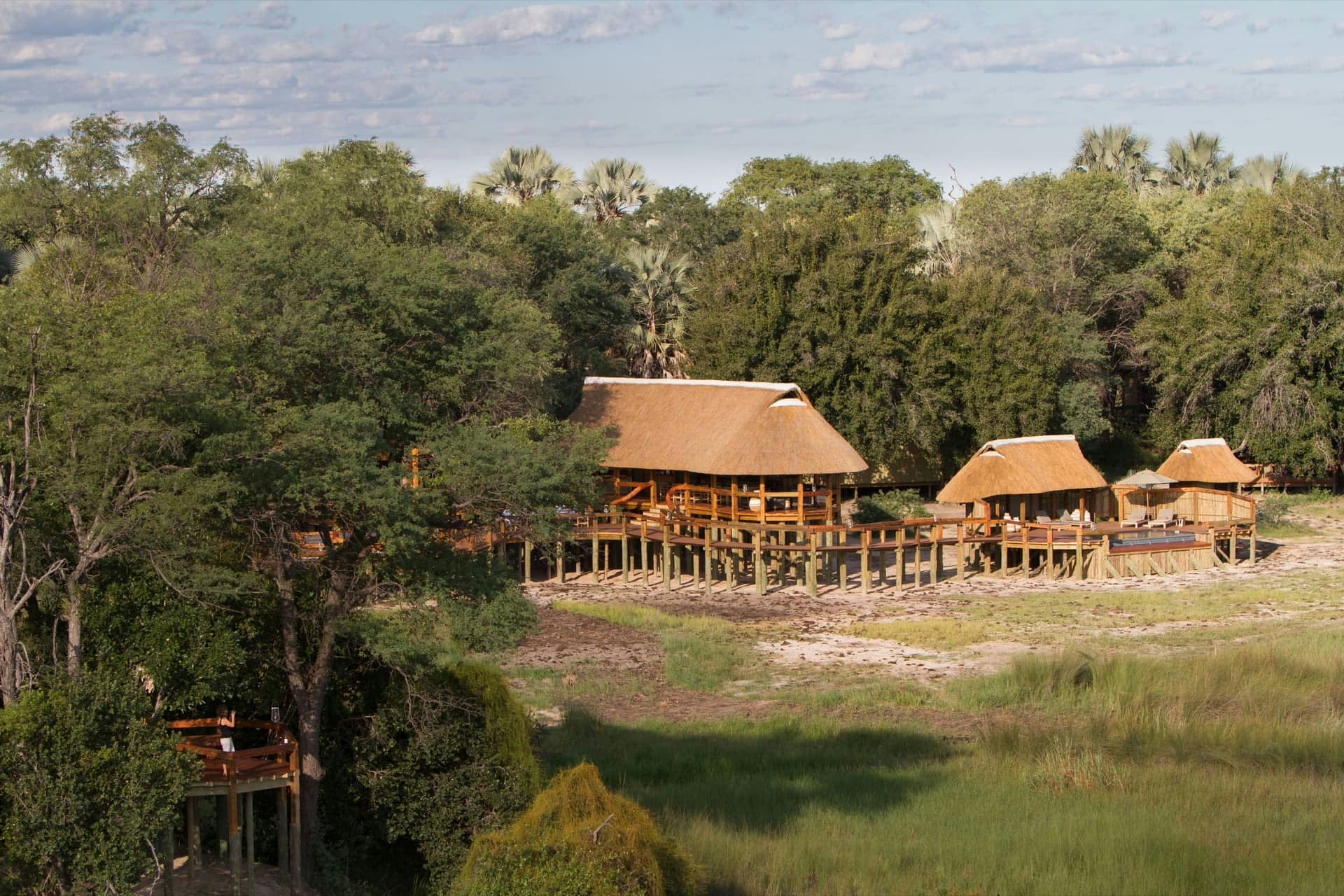
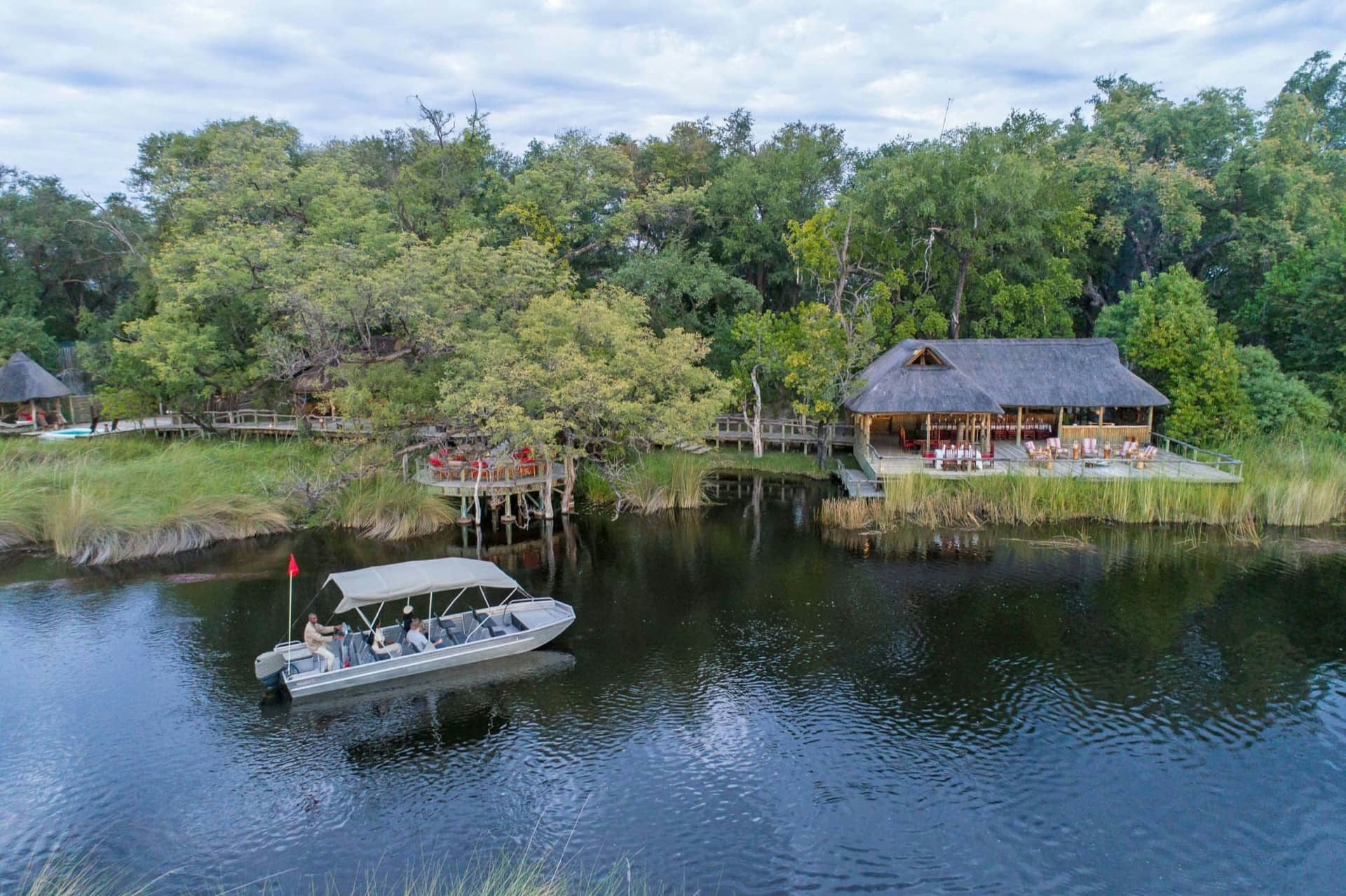
Luxurious lodge sitting on the edge of a permanent channel
Chobe Bakwena Lodge
Luxurious lodge sitting on the edge of a permanent channel
Chobe Elephant Camp
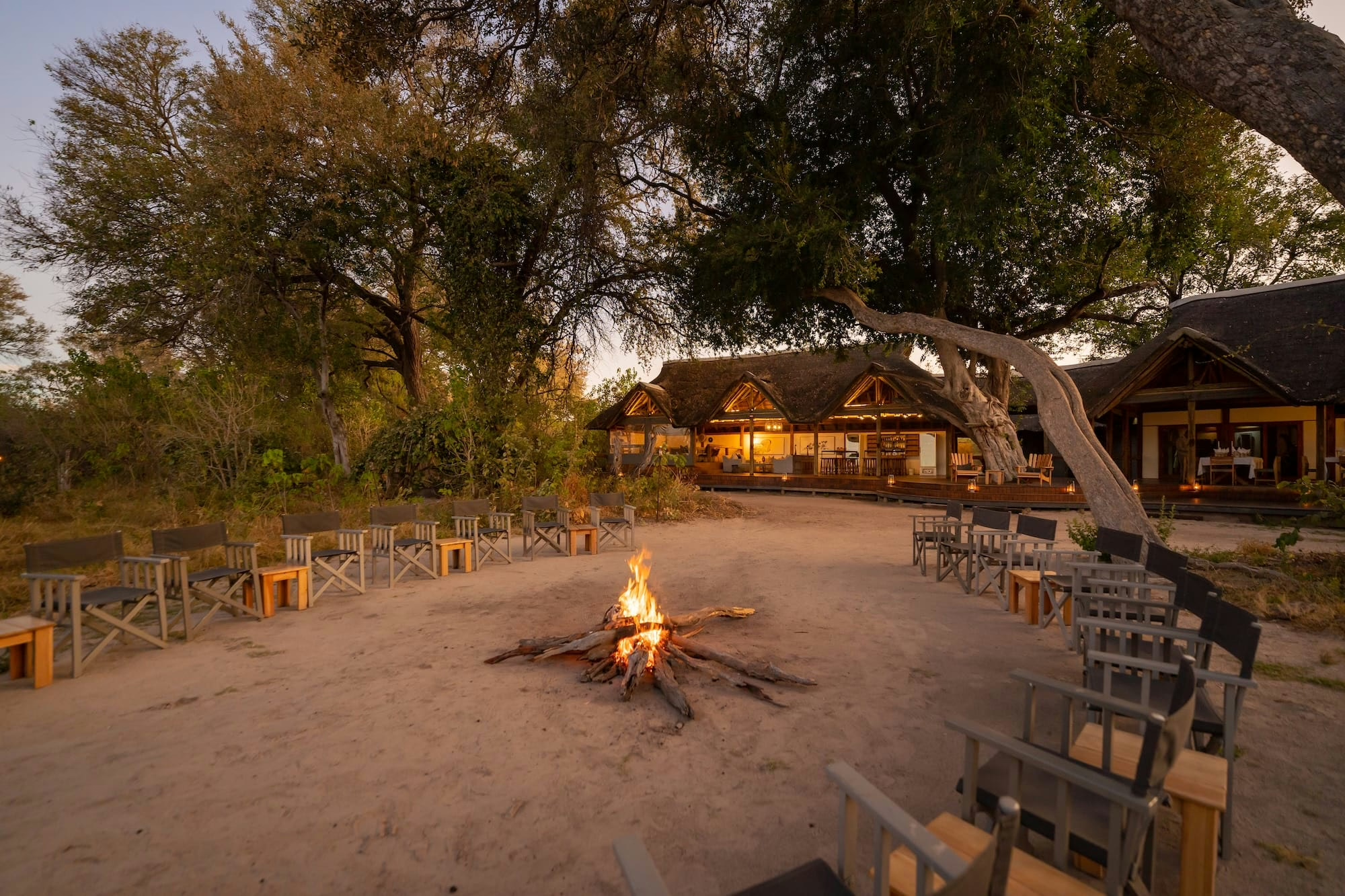
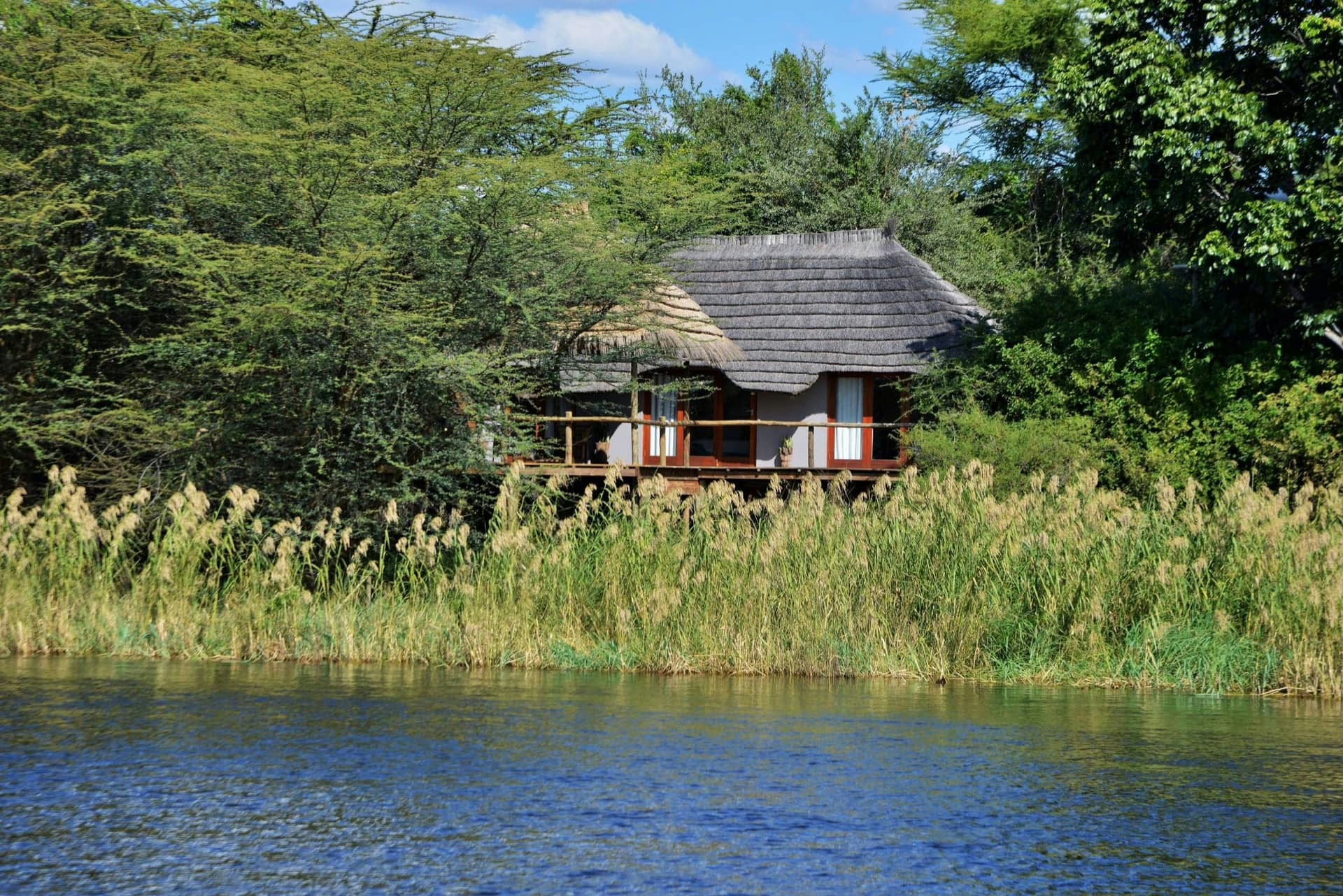
Situated within the Chobe National Park river area
Deception Valley Lodge
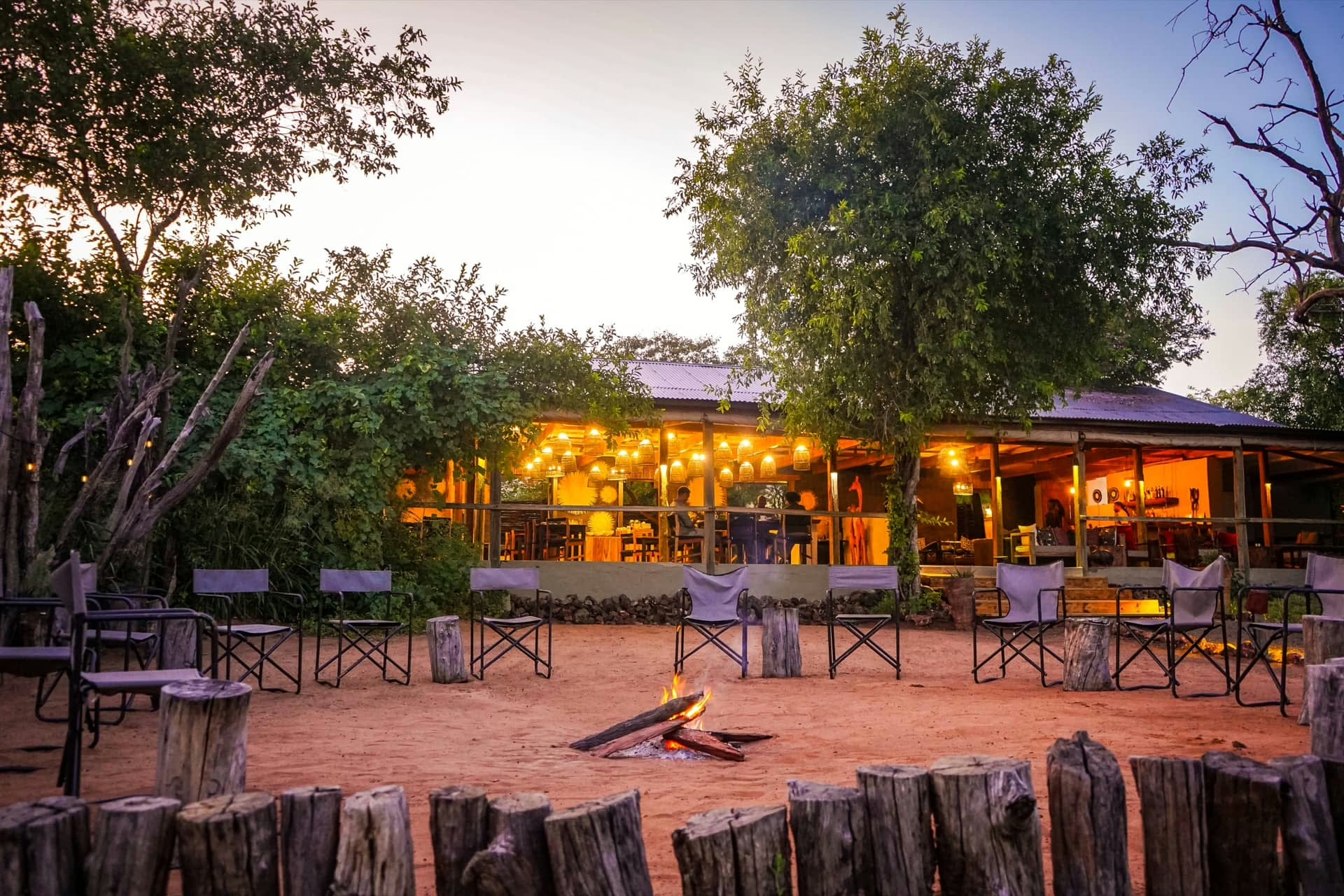
Situated within the Chobe National Park river area
Okavango Explorers
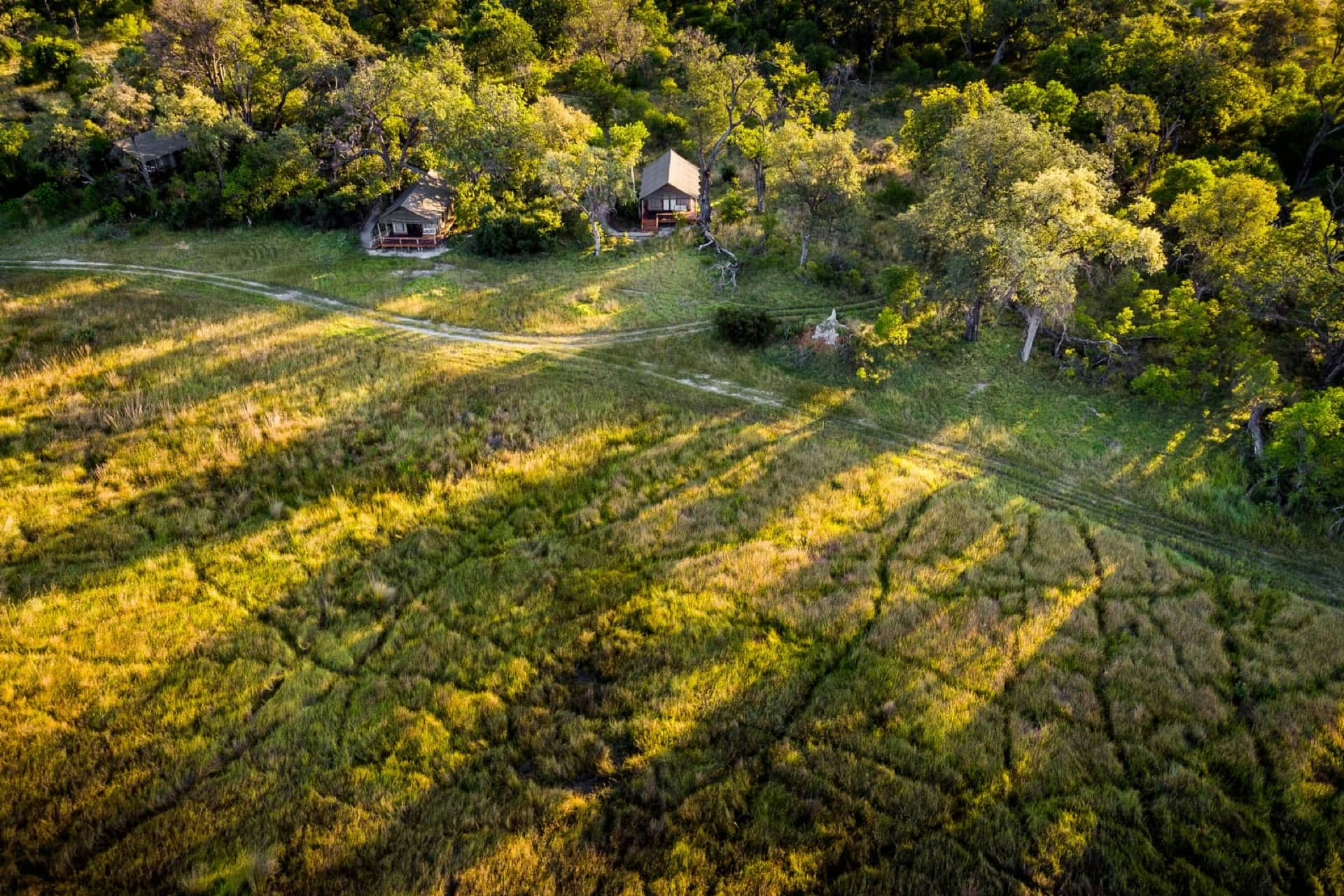
Stunning Explorer camp in the heart of the Okavango
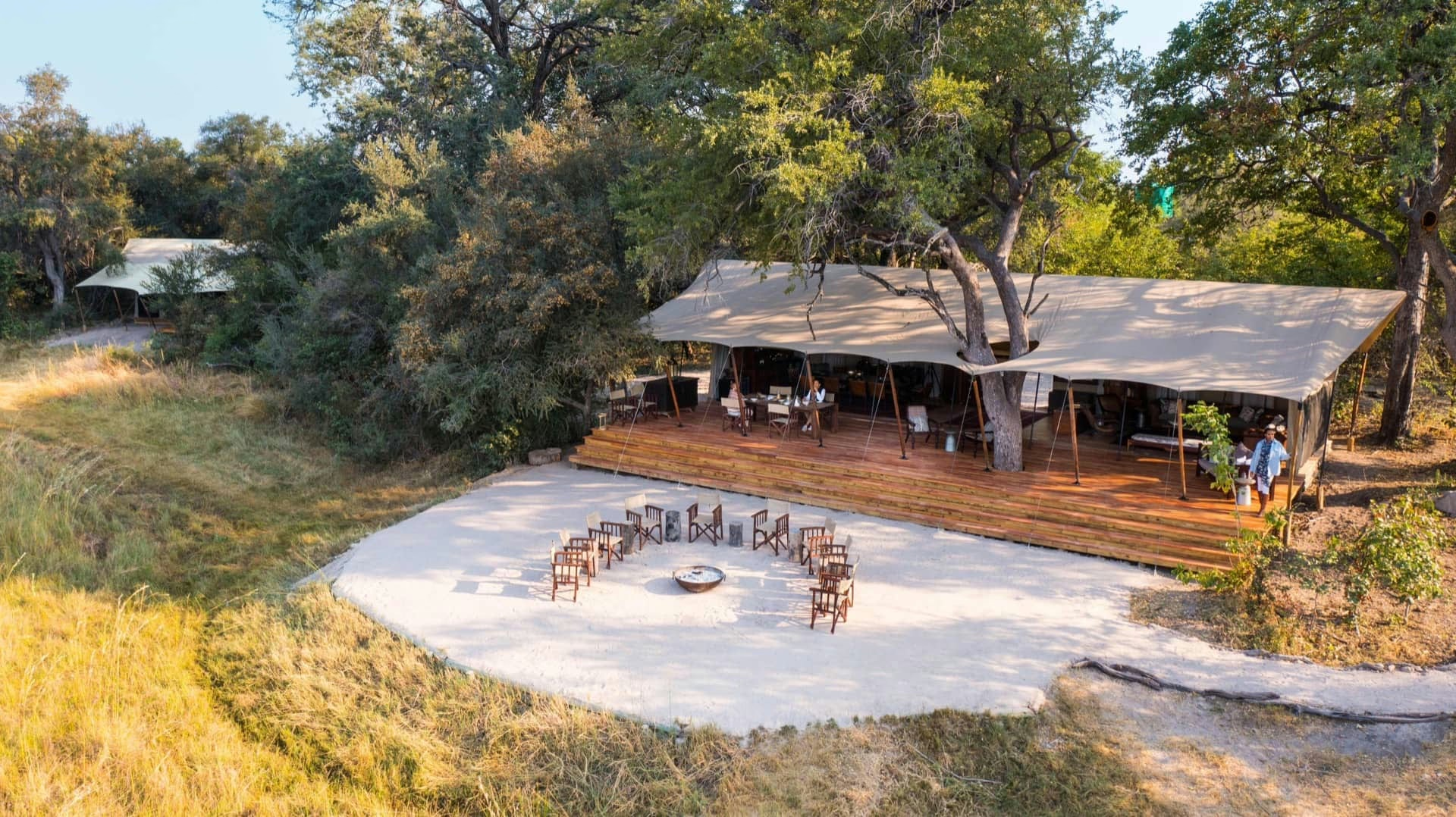
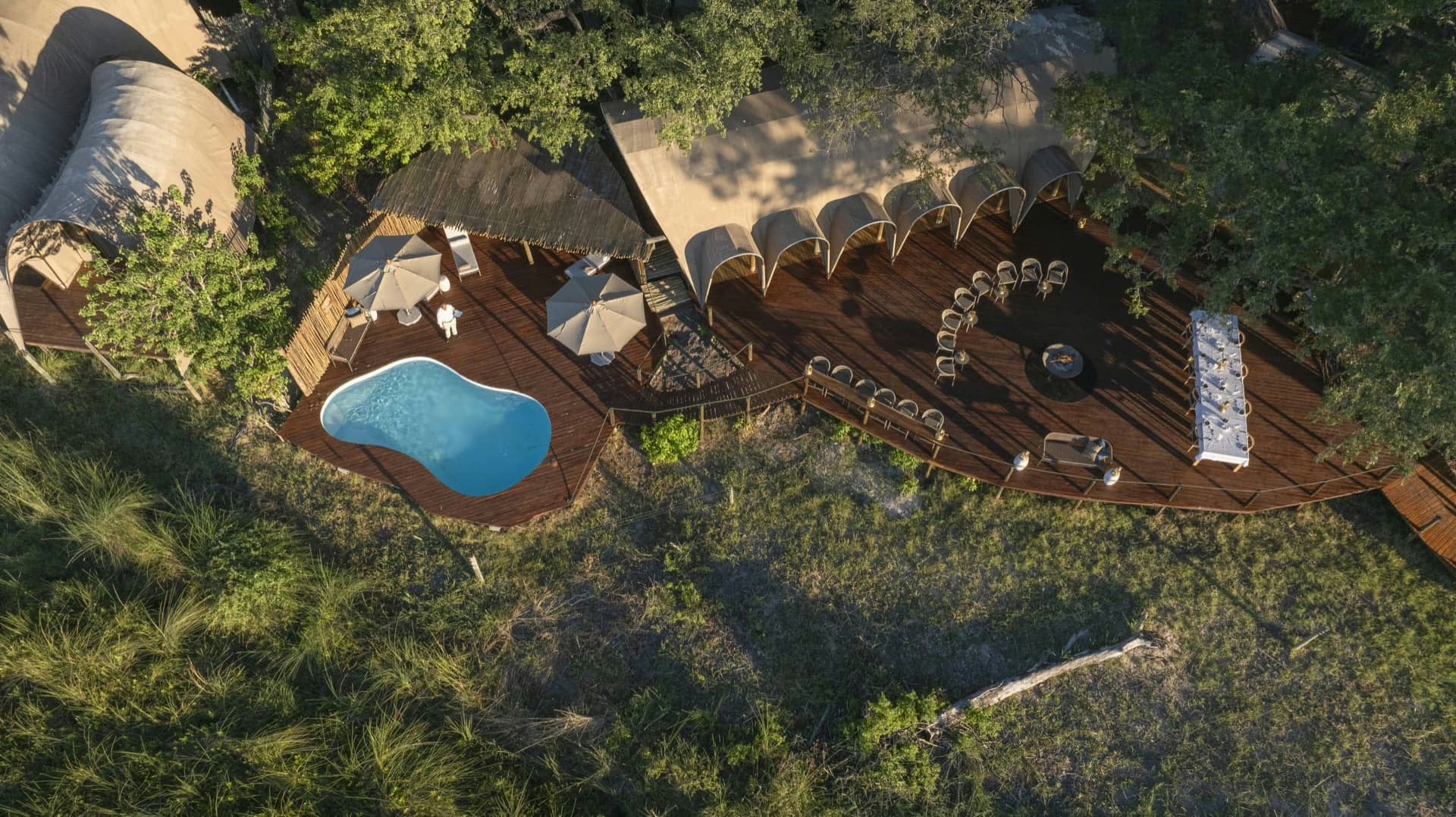
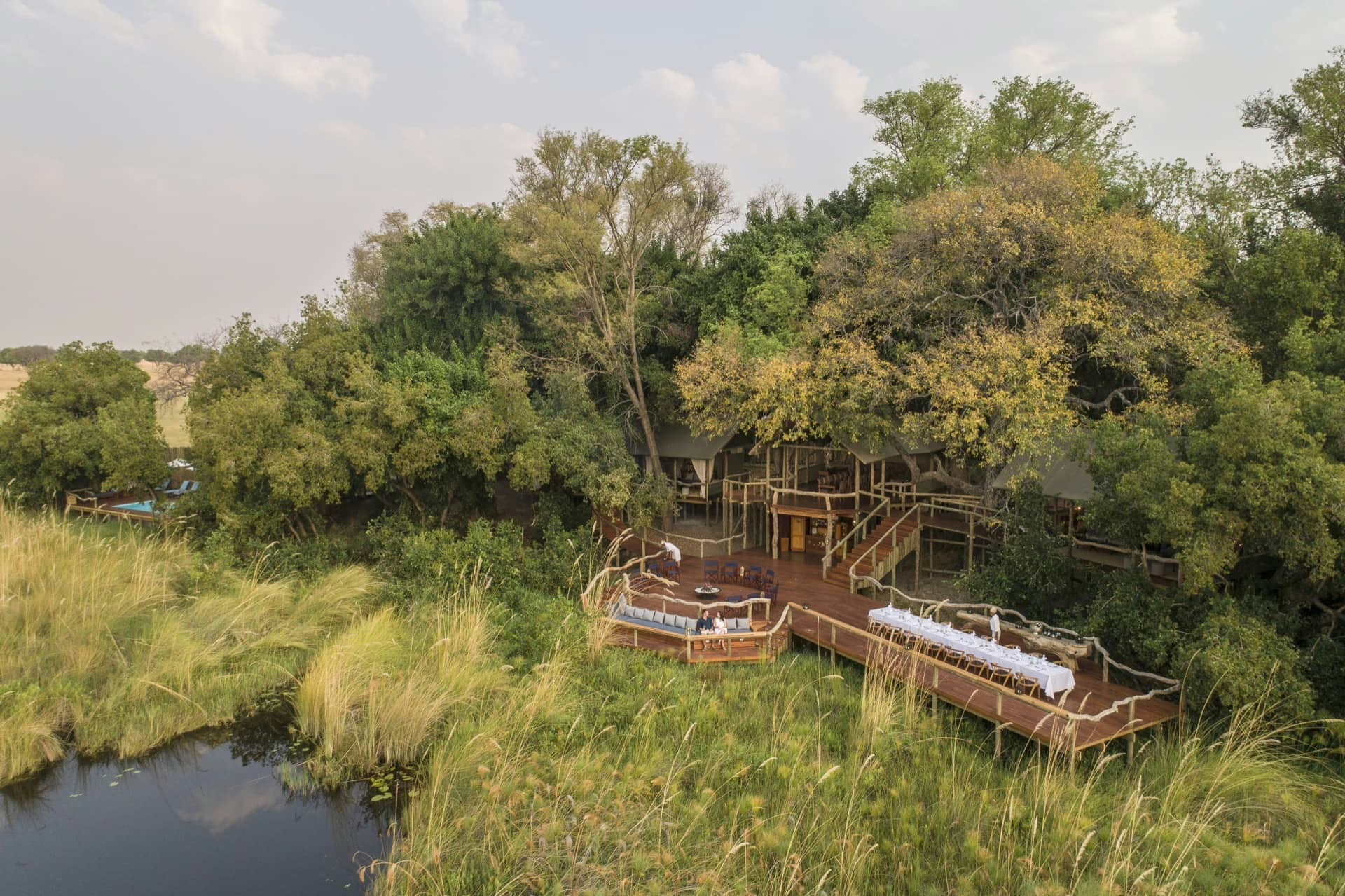
Shinde Footsteps
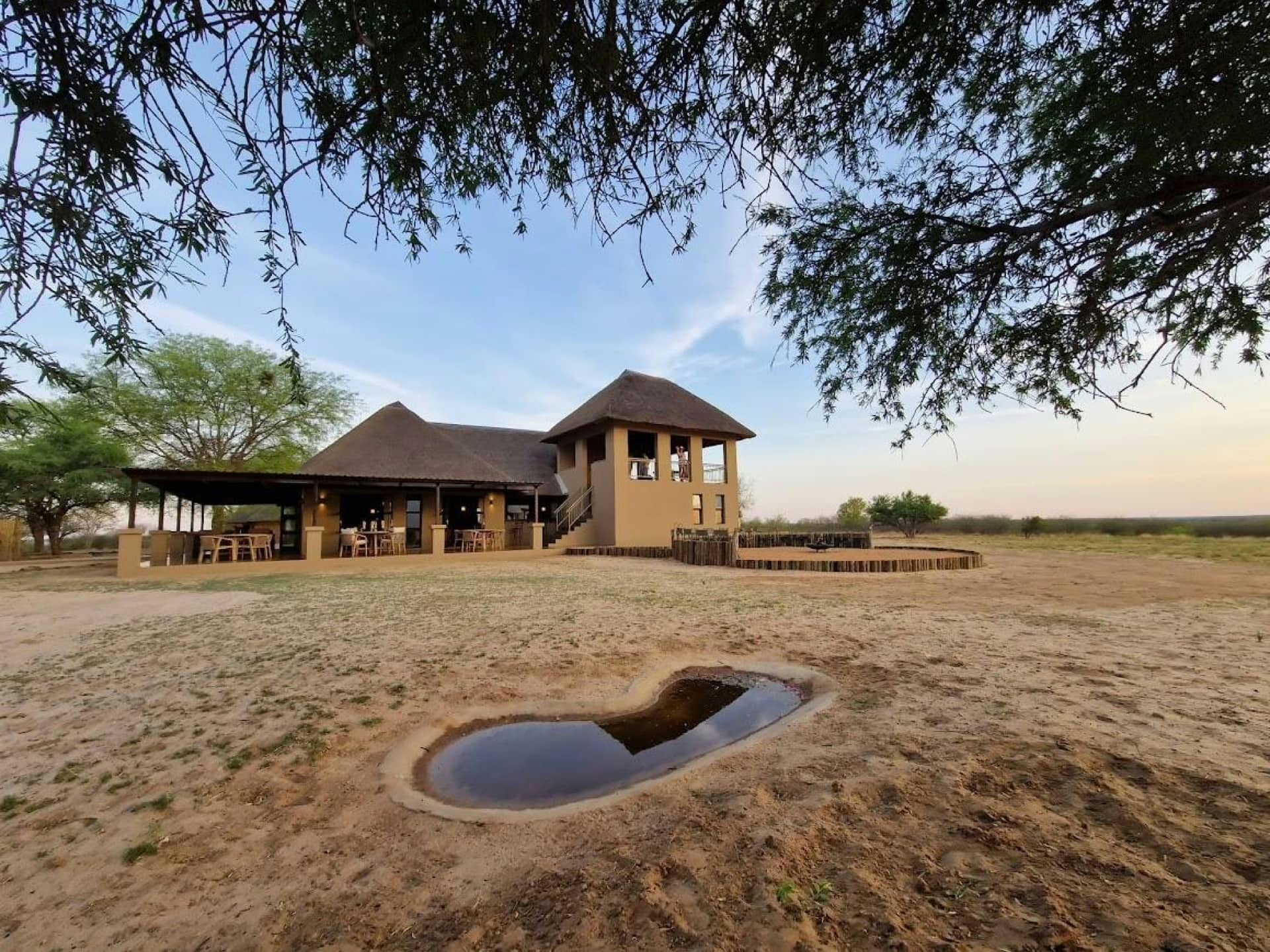
A fantastic experience for children and adults alike