We can't fit everything on your screen.Please rotate your device

Botswana Expedition

BUDGET MOBILE SAFARI
Includes the Nxai Pan, Okavango, Moremi, Savuti, Chobe River, Vic Falls

Price From
Number of Nights
Type
From $3,590
14
Mixed Safaris

Mobile Safari Summary

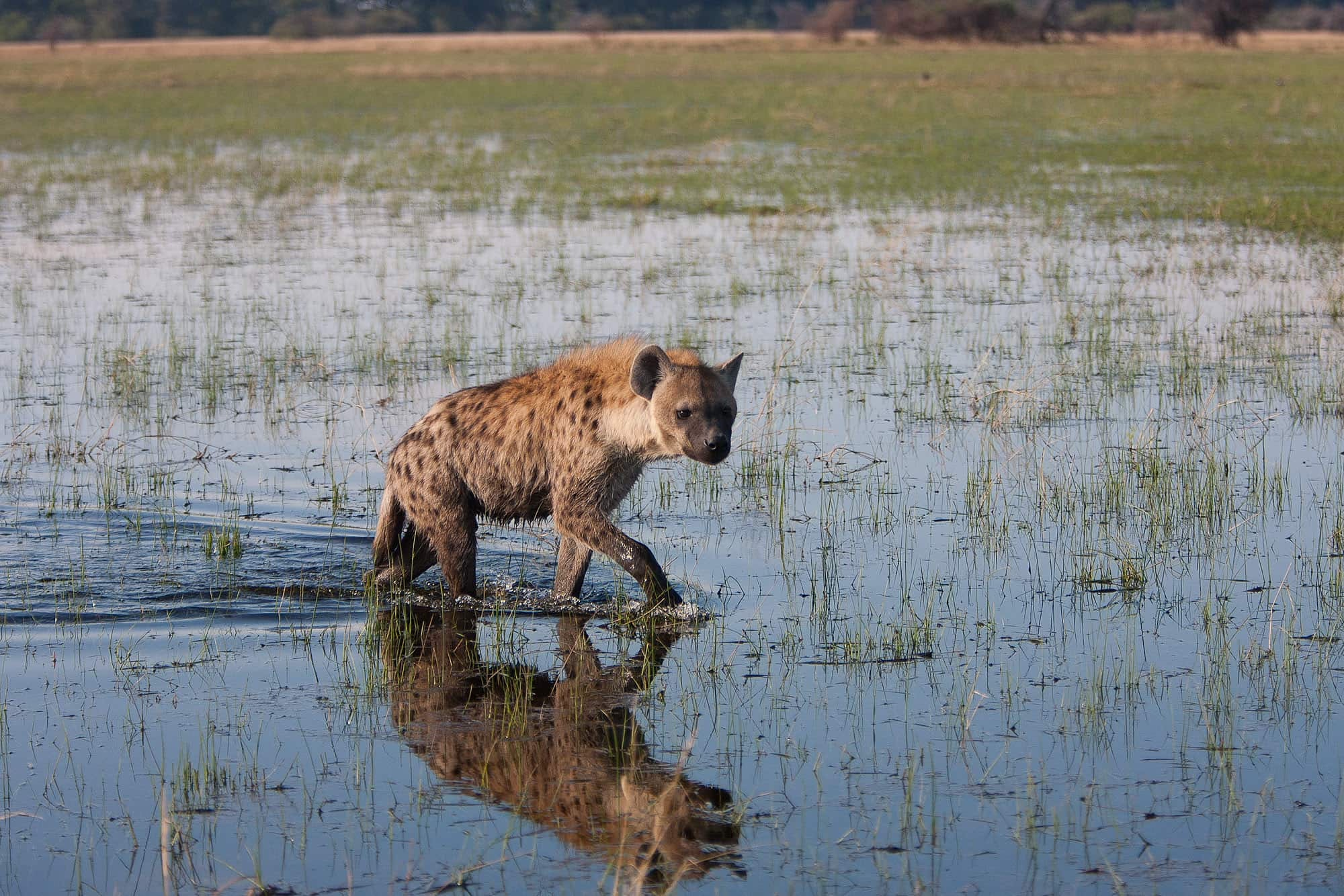
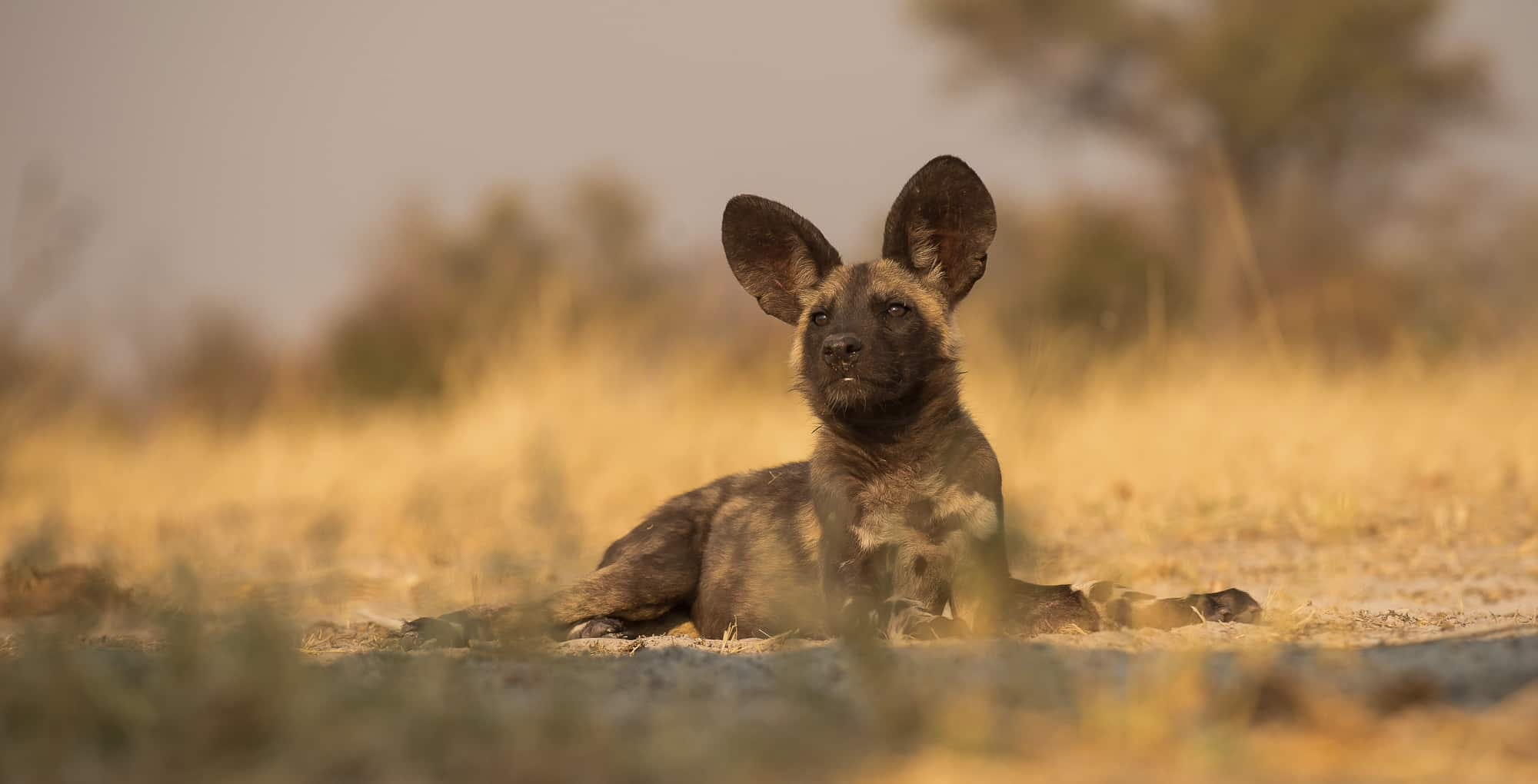
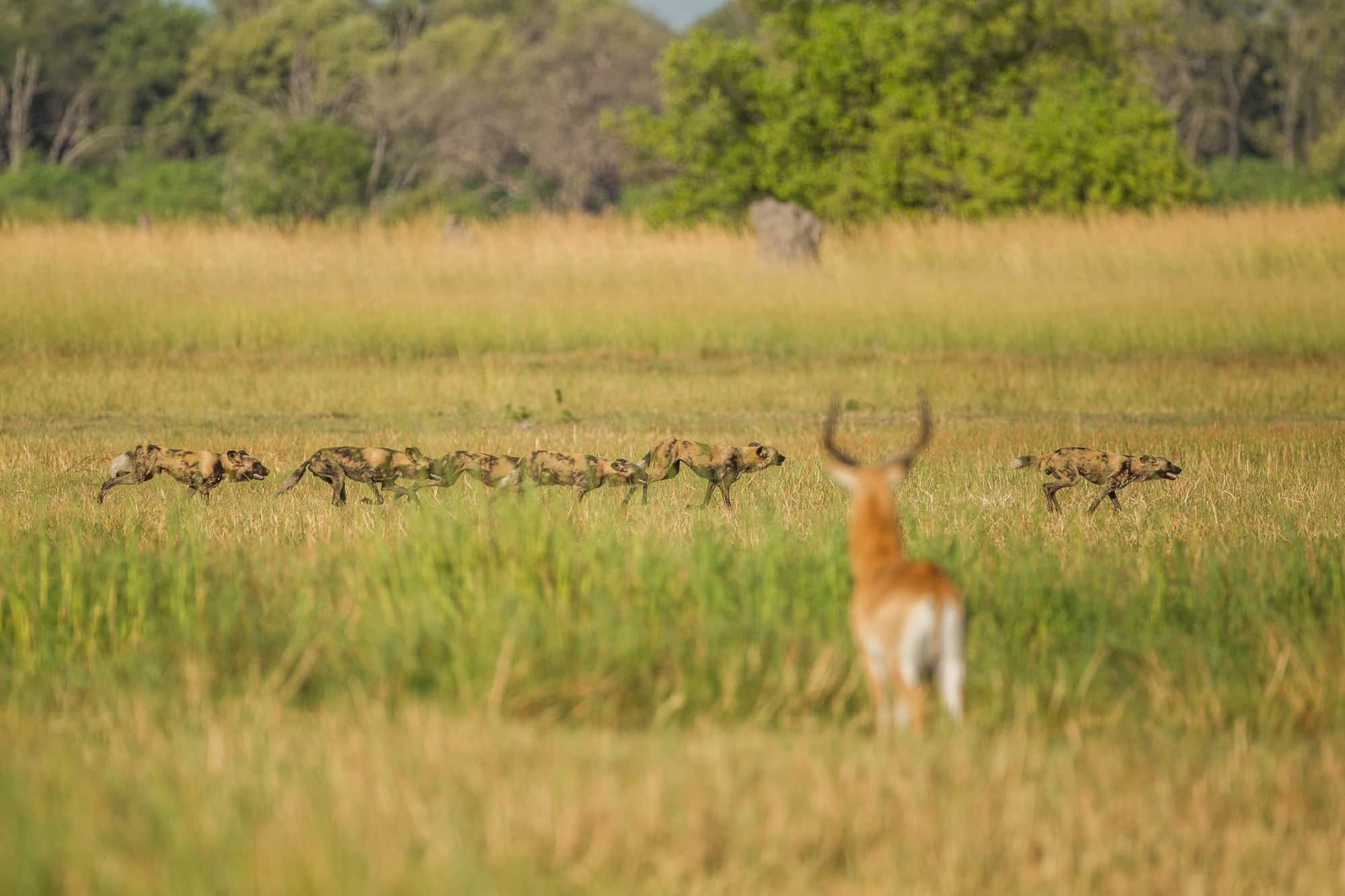
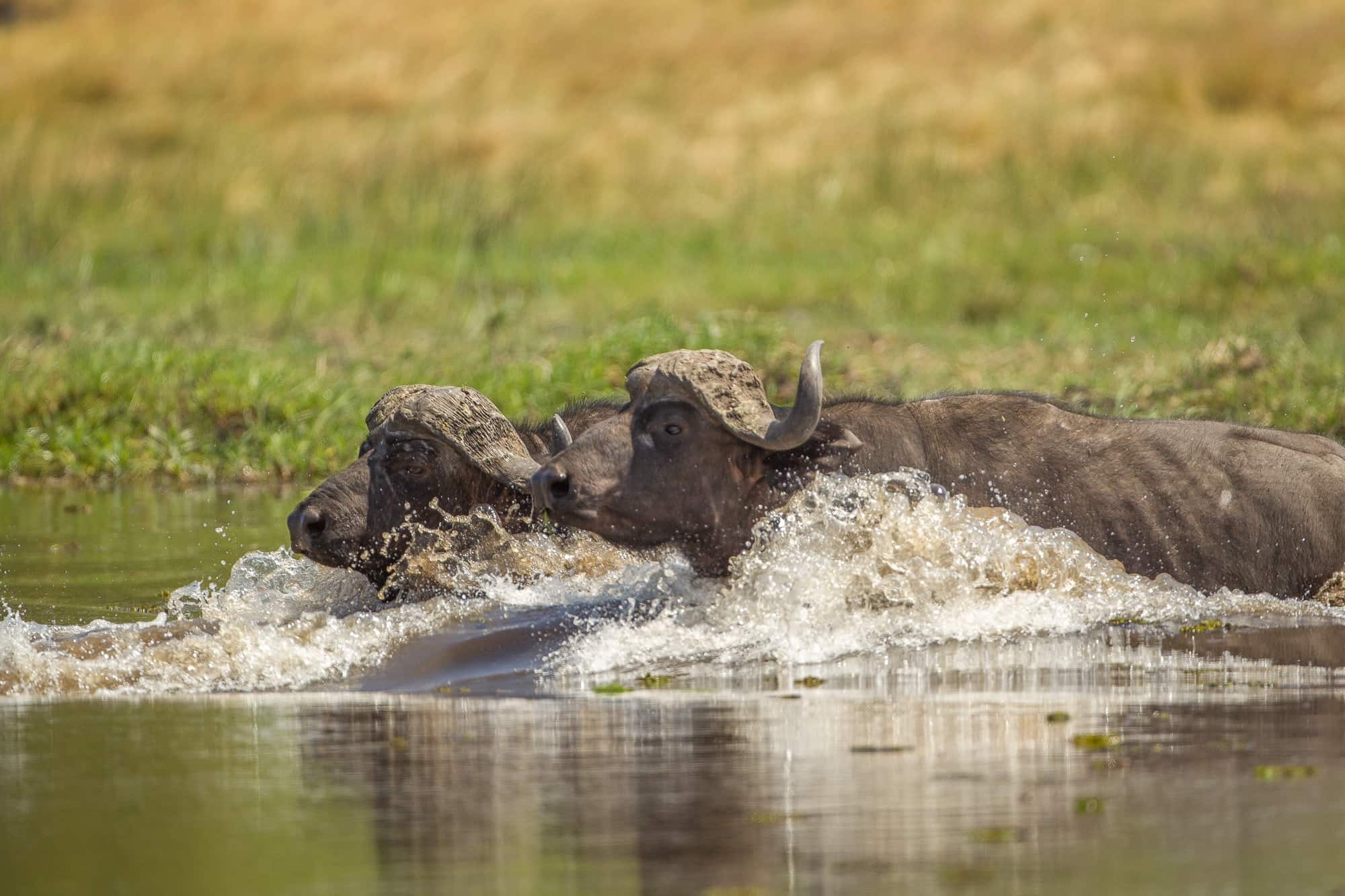
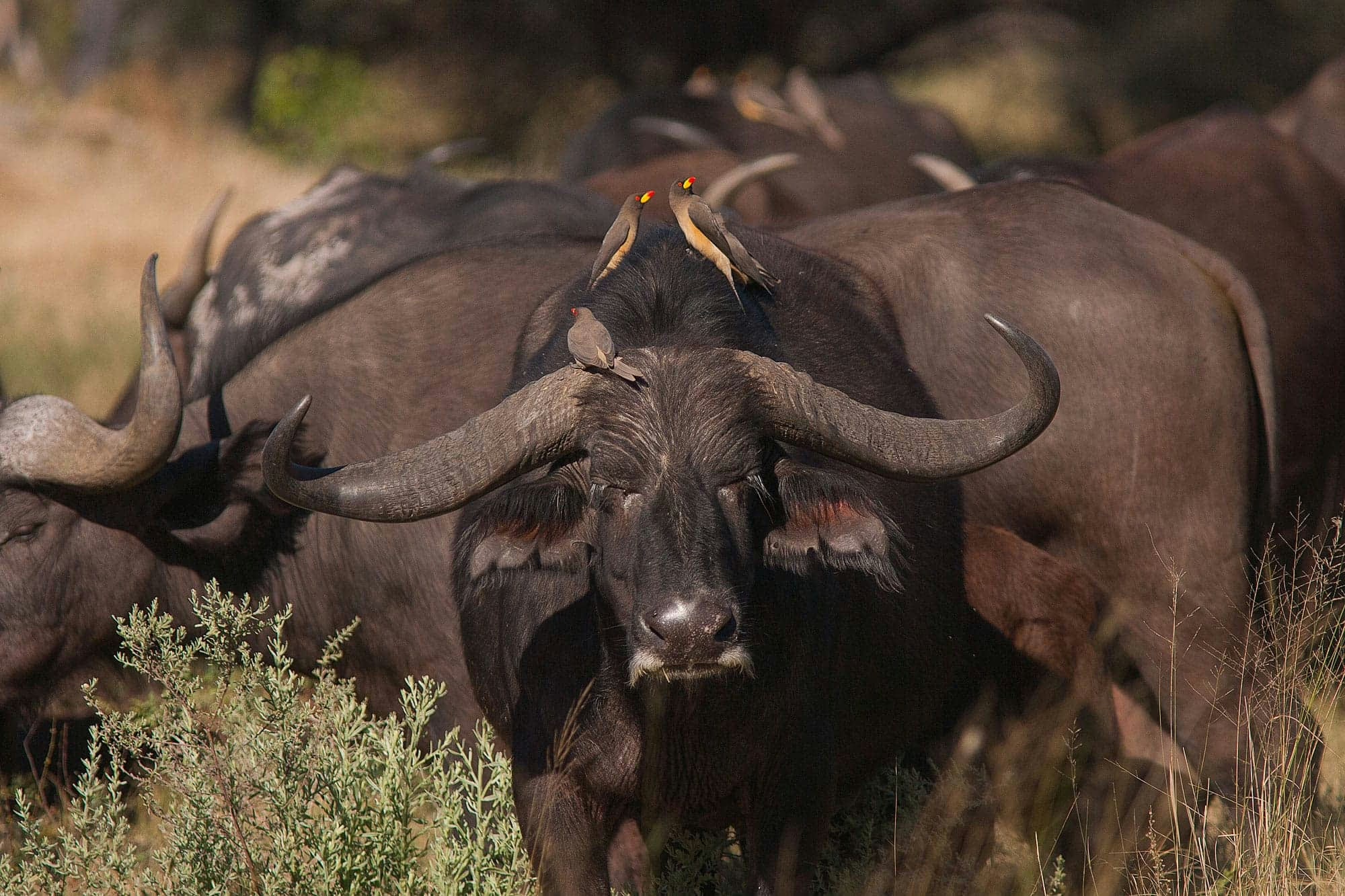
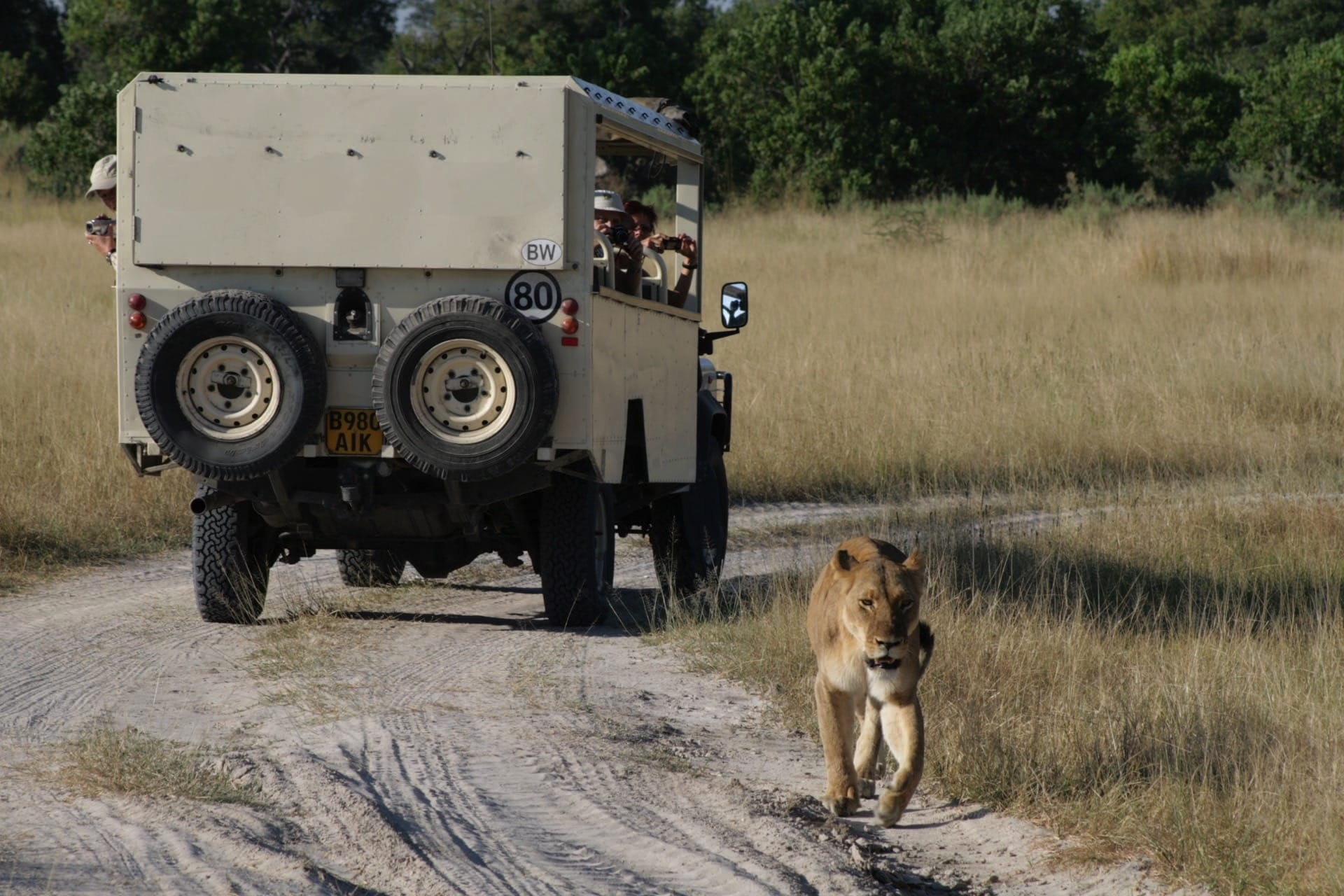
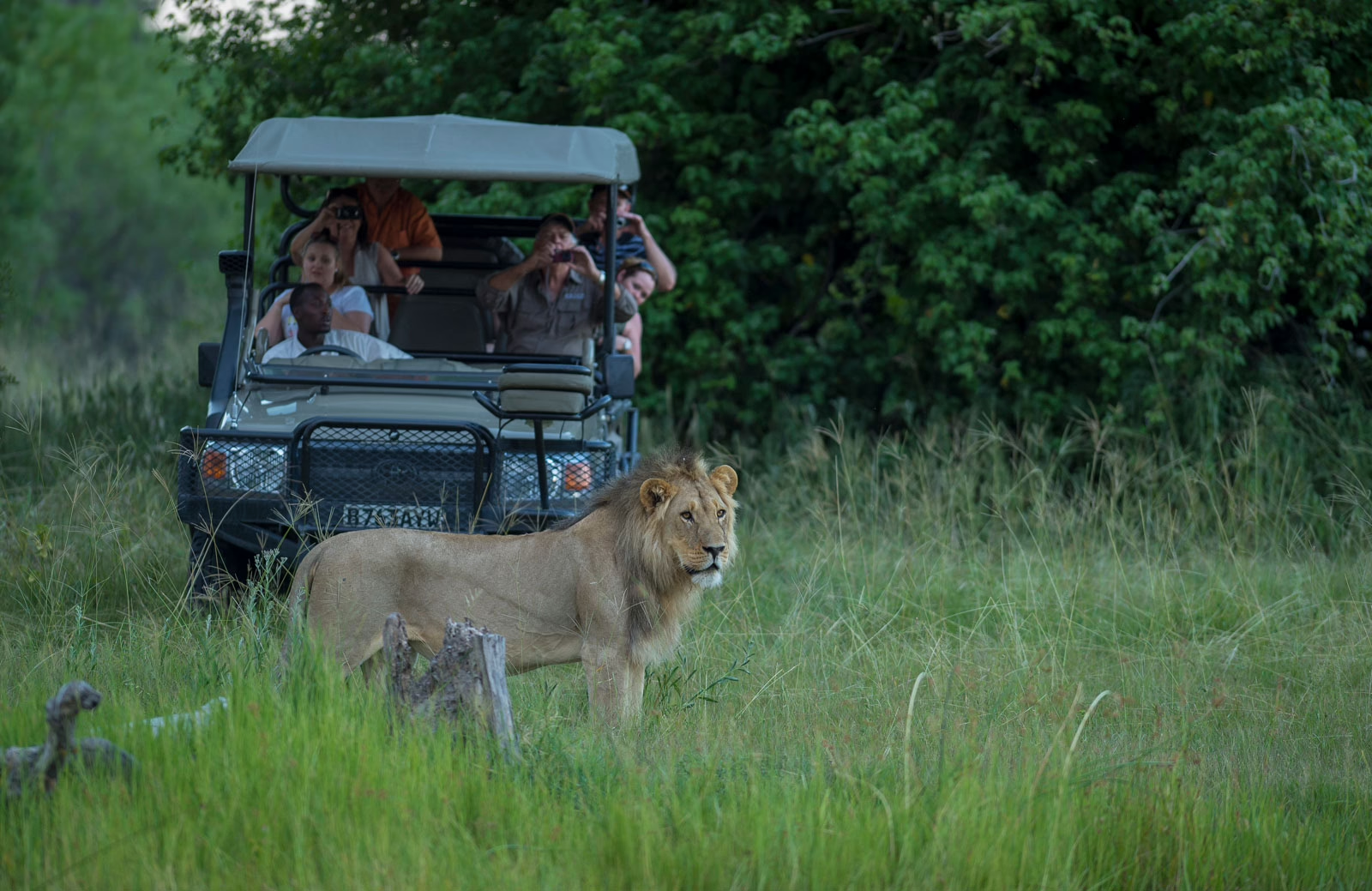
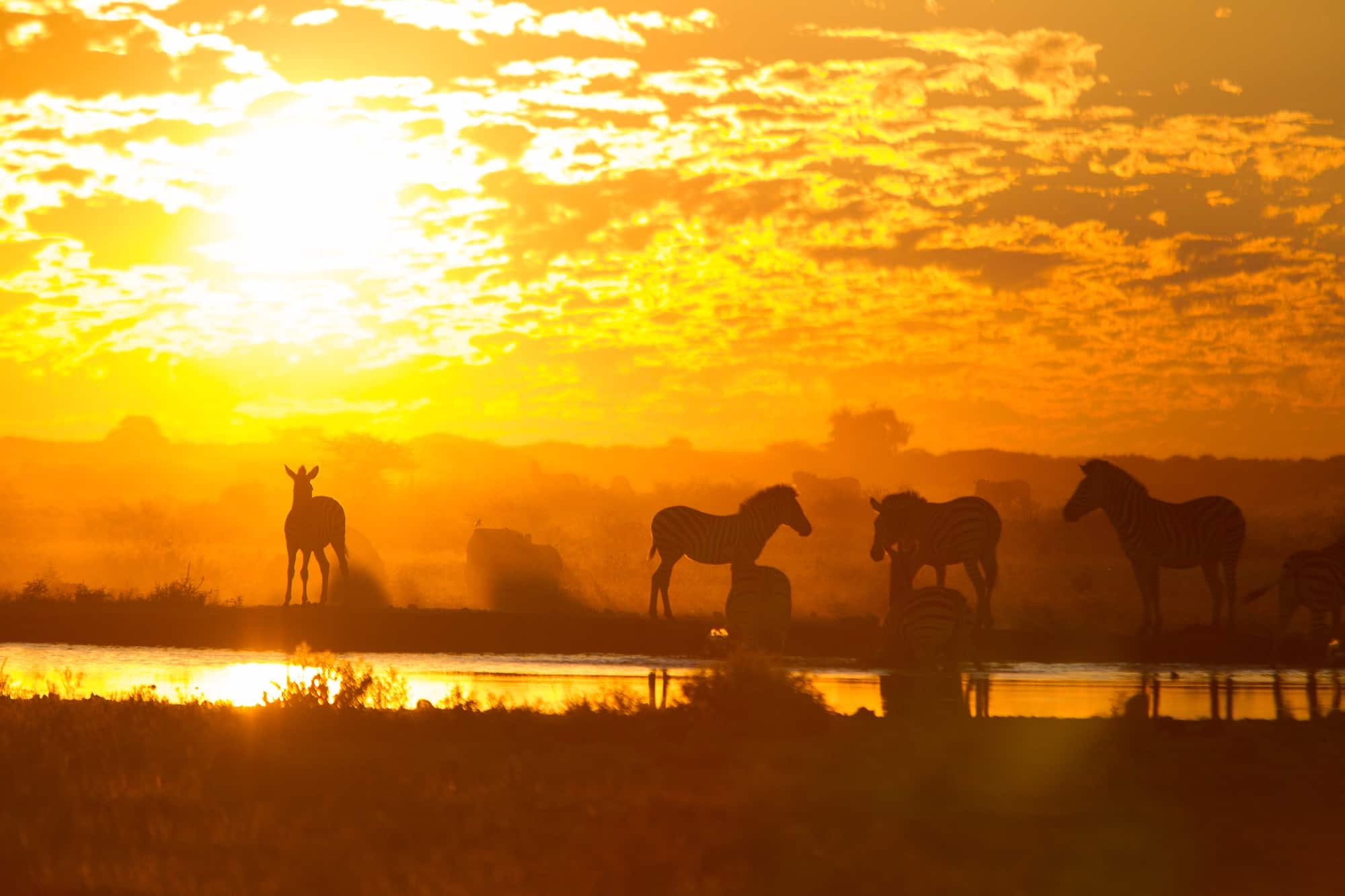
This camping safari follows a route from Kasane through several of Botswana's distinct wildlife regions before finishing at Victoria Falls in Zimbabwe. The itinerary includes Nxai Pan, where seasonal flooding attracts migrating zebra and wildebeest during certain months. From there you'll move into the Okavango Delta's permanent waterways, then continue to Moremi Game Reserve where predators concentrate around year-round water sources.

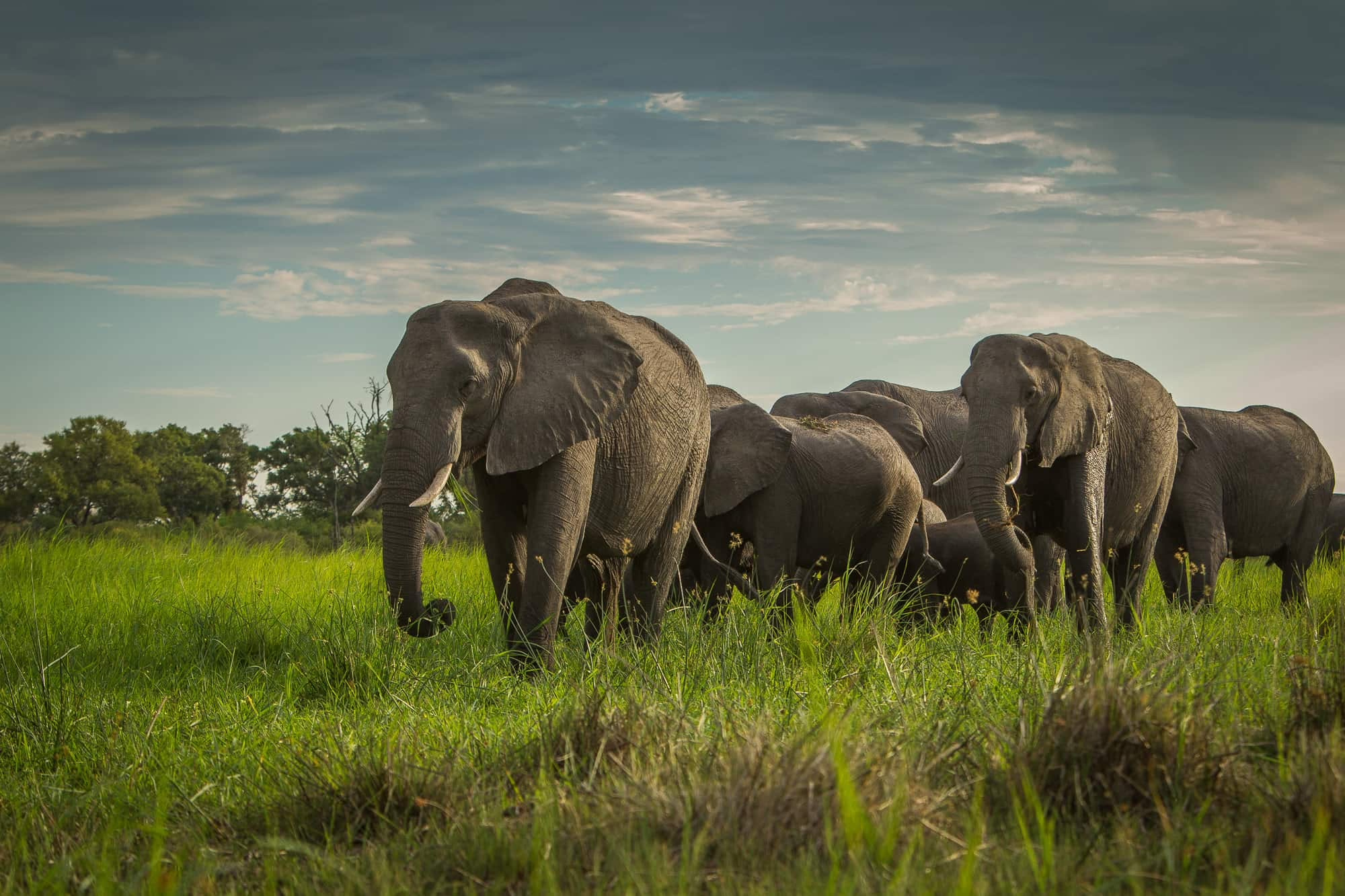
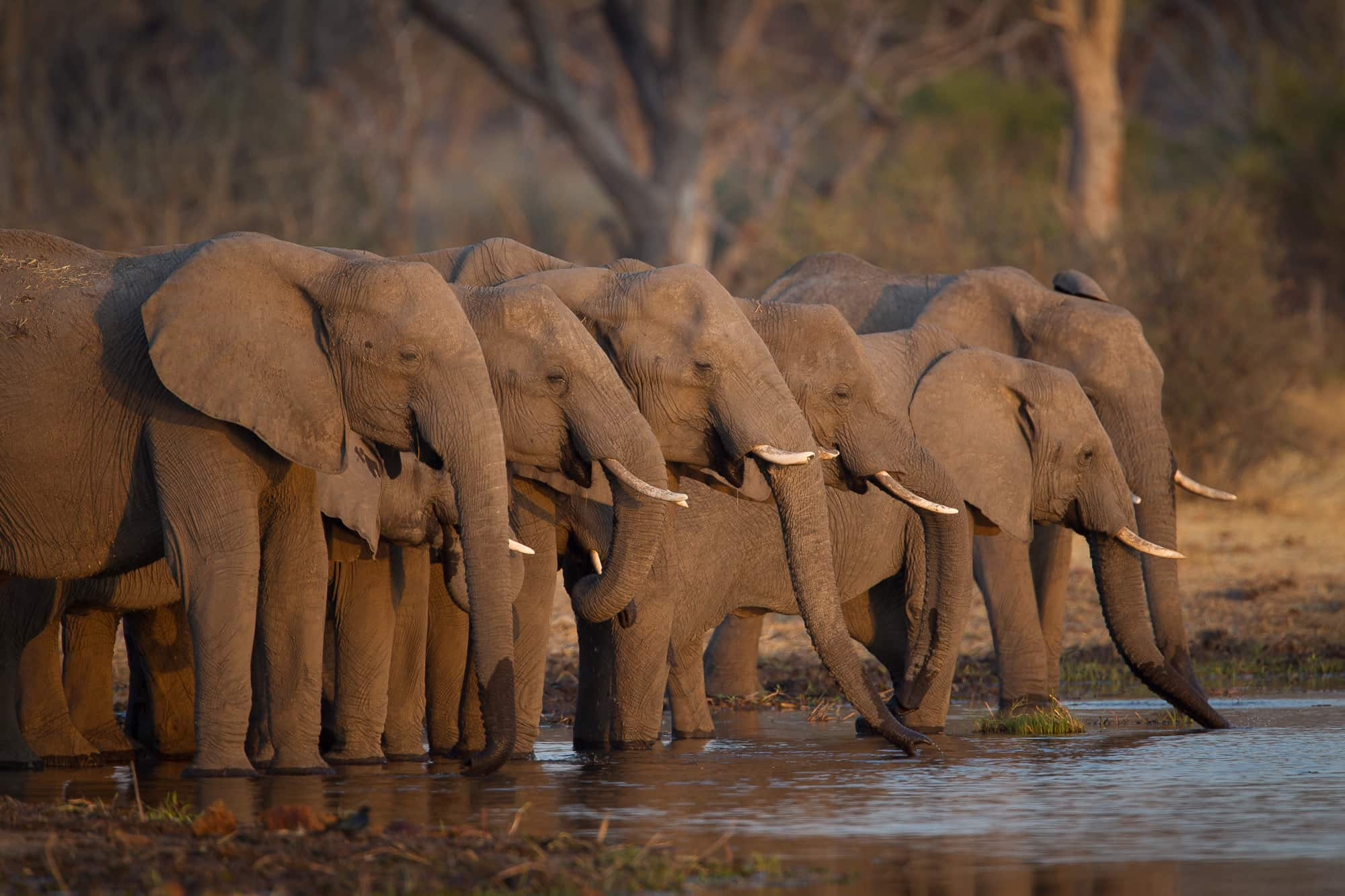
The Chobe River section puts you along the northeastern boundary where elephant herds come down to drink during dry season months. Throughout the trip, you're camping in different locations rather than staying at permanent lodges, which keeps costs lower than lodge-based safaris while maintaining proximity to wildlife areas.

The variety of landscapes means you're moving between open grasslands, mopane woodland, riverine forests, and delta channels over the course of the journey. Game drives happen twice daily when animals are most active. Victoria Falls serves as the endpoint after roughly two weeks traveling through Botswana's backcountry.
Includes

  • Maximum 12 guests
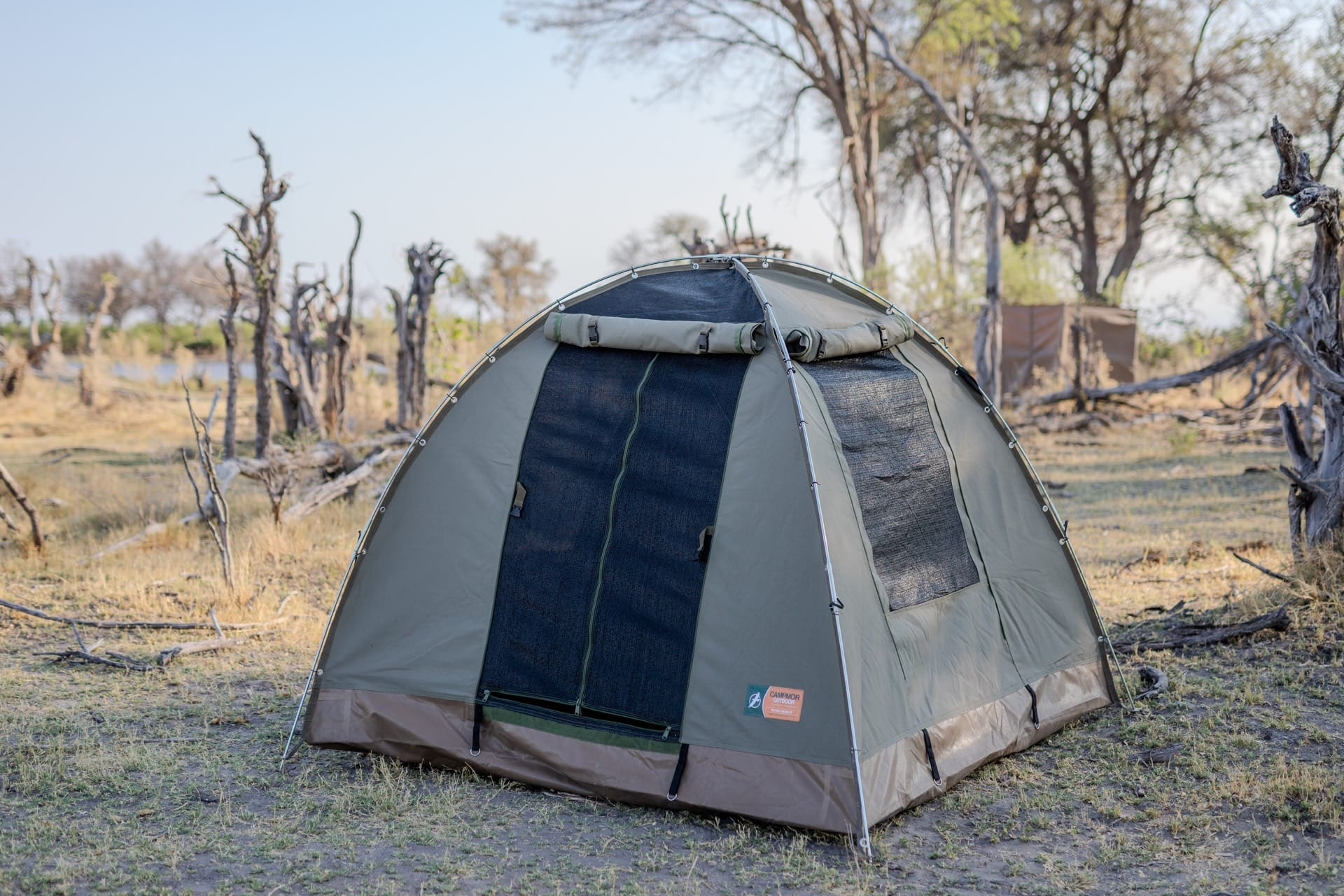
  • Dome tents with shared ablutions
  • Professional guide, chef and camp hands
  • Private campsites
  • All park fees and levies and all activities
  • All meals

Excludes

  • Must bring your own pillow and sleeping bag, rentals provided at extra cost.
  • Drinks must be purchased in advance
  • International flights
  • Travel insurance or visas
  • Anything not listed under inclusions

Part participation Safari - What is this?

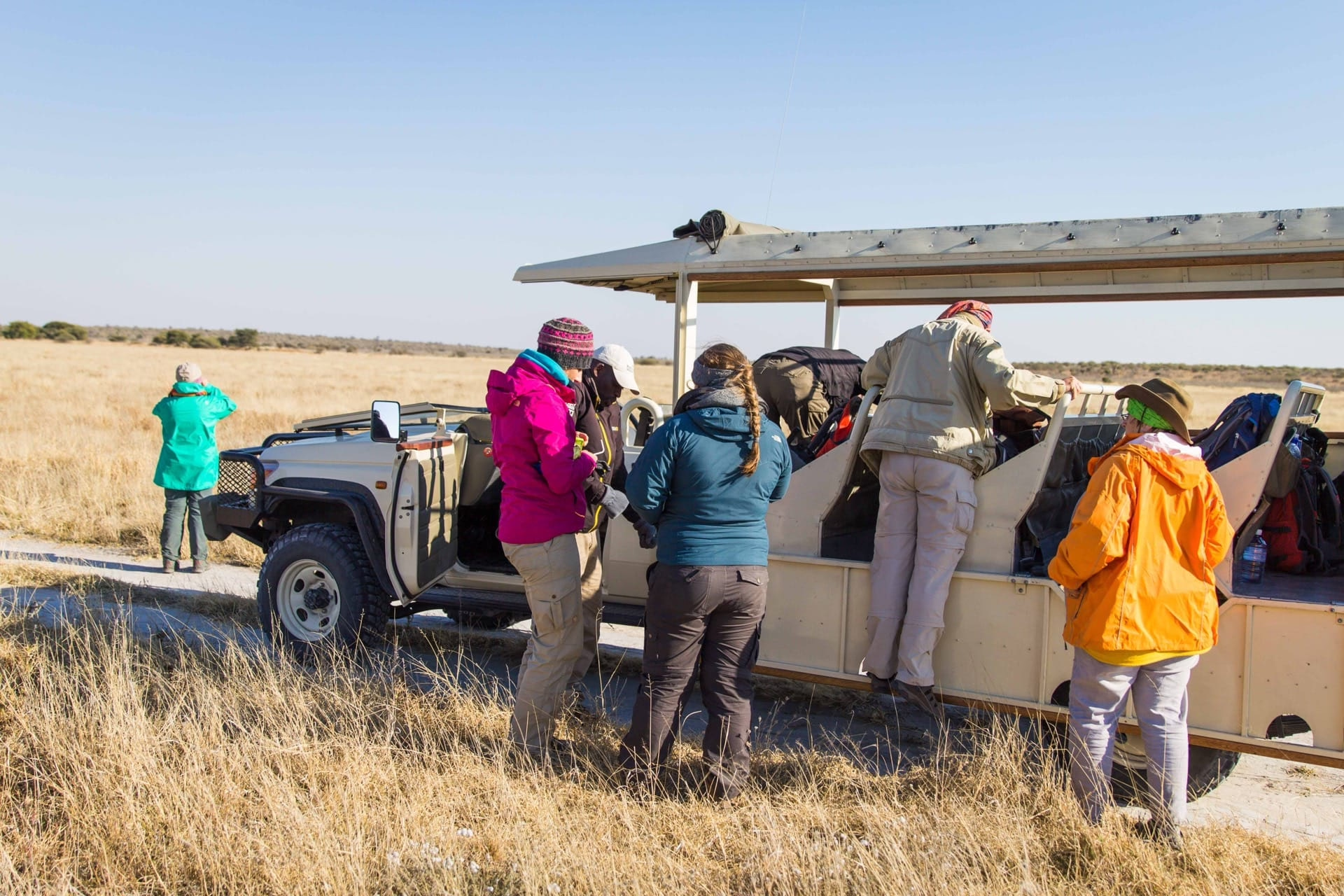
This is a “part participation safari”, you are only required to pitch and fold down your own tent. All cooking, cleaning and any other camp chores will be taken care of by the safari camp-hands, made up of an experienced safari guide and a camp assistant.

This safari does not include your drinks which will need to be purchased before you leave. We will help you with this.

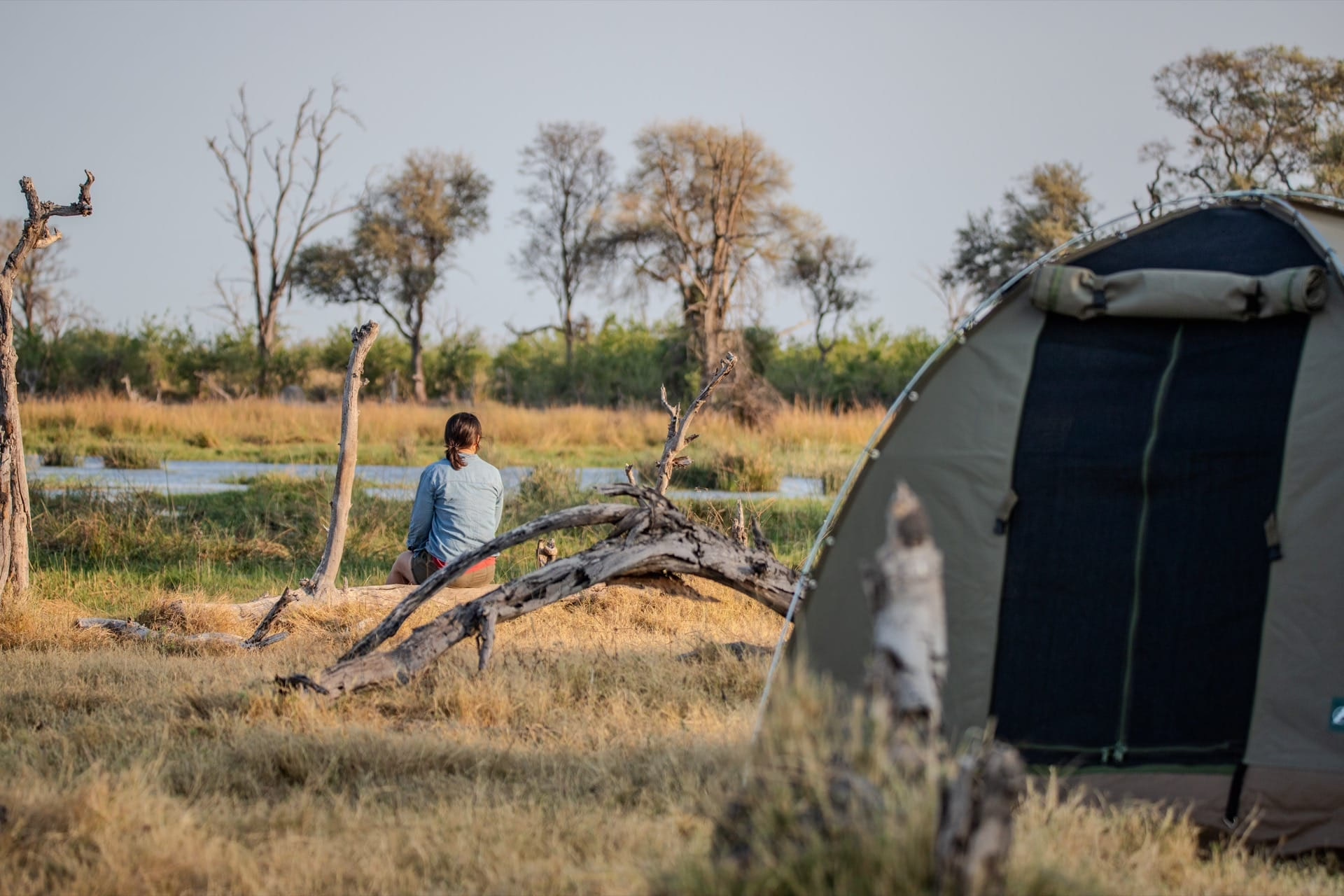
The tents are 2.1m x 2.1m x 1.75m high, easy-to-erect bow tents, which have treated mosquito mesh covering all the windows and doors.

We provide 5cm high-density foam camping mattresses for each guest. You will need to provide your own sleeping bag. However, you can hire one from Safari Lifestyles (contact us for costs).

The bush ablutions consist of high-slung bucket showers and bush toilets with private canvas screens. These ablutions are on a shared basis.

Regions visited on this tour

The Accommodation

2.1m x 2.1m x 1.75m dome tents to share. 5cm high-density foam mattress per guest (extra mattress on request – extra charges apply)

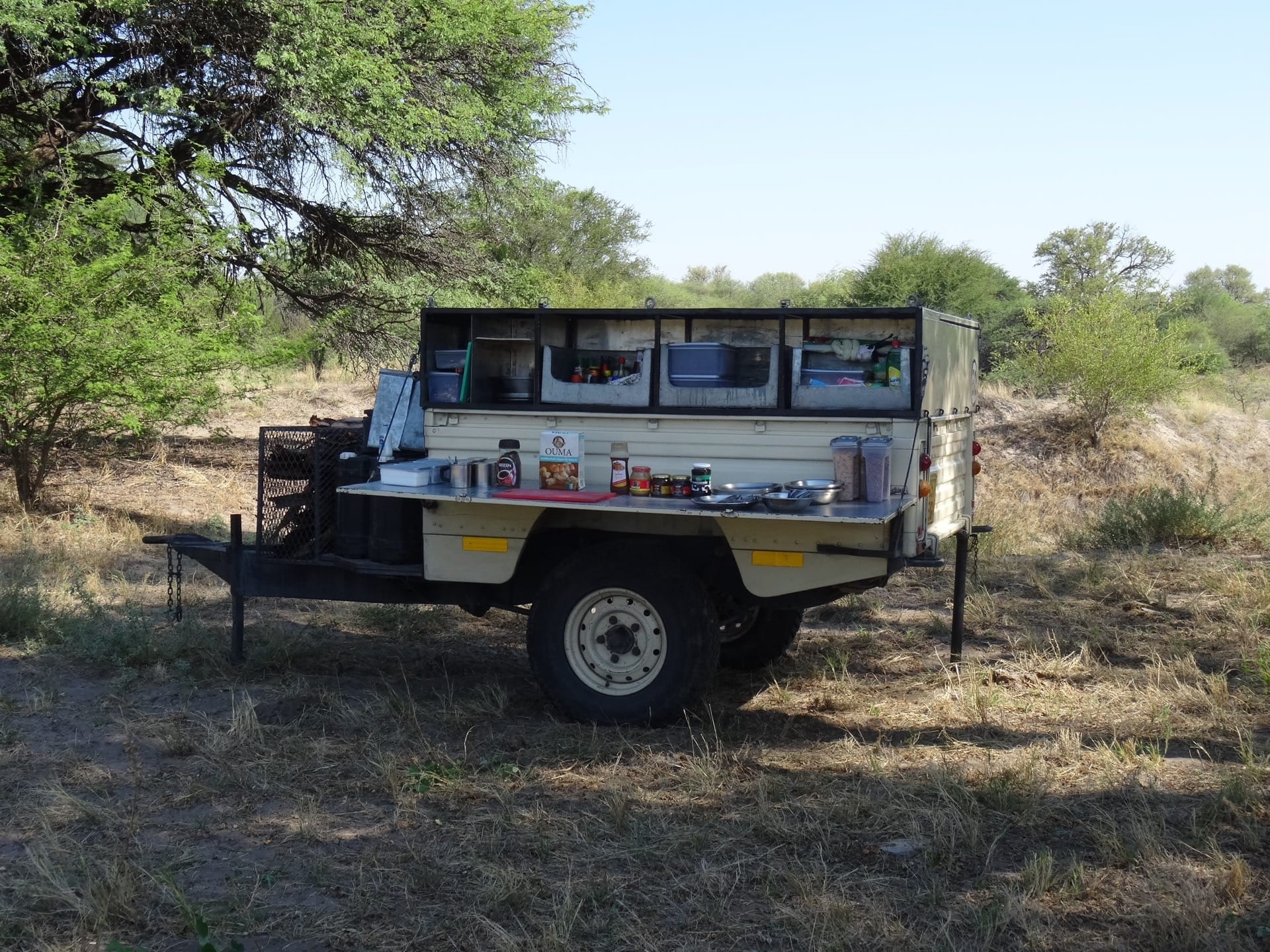
Shared bush toilets and bush shower. A mobile kitchen and dining area

Guests need to provide their own drinks. Tea , coffee and filtered water complimentary while at camp. Guests should bring their own water bottle. Guests should bring their own sleeping bags and pillows but can also request to rent from us (extra charges apply)

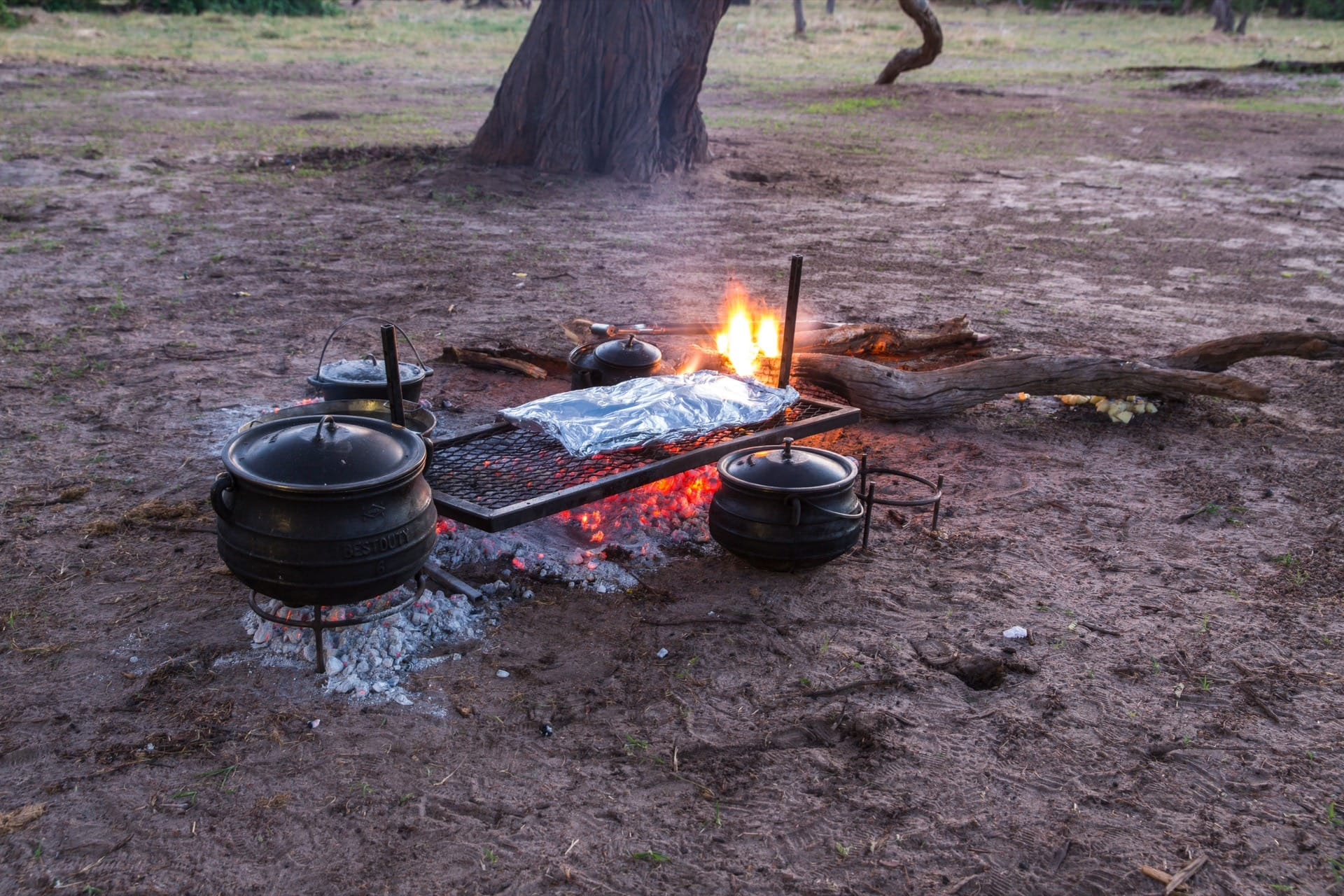
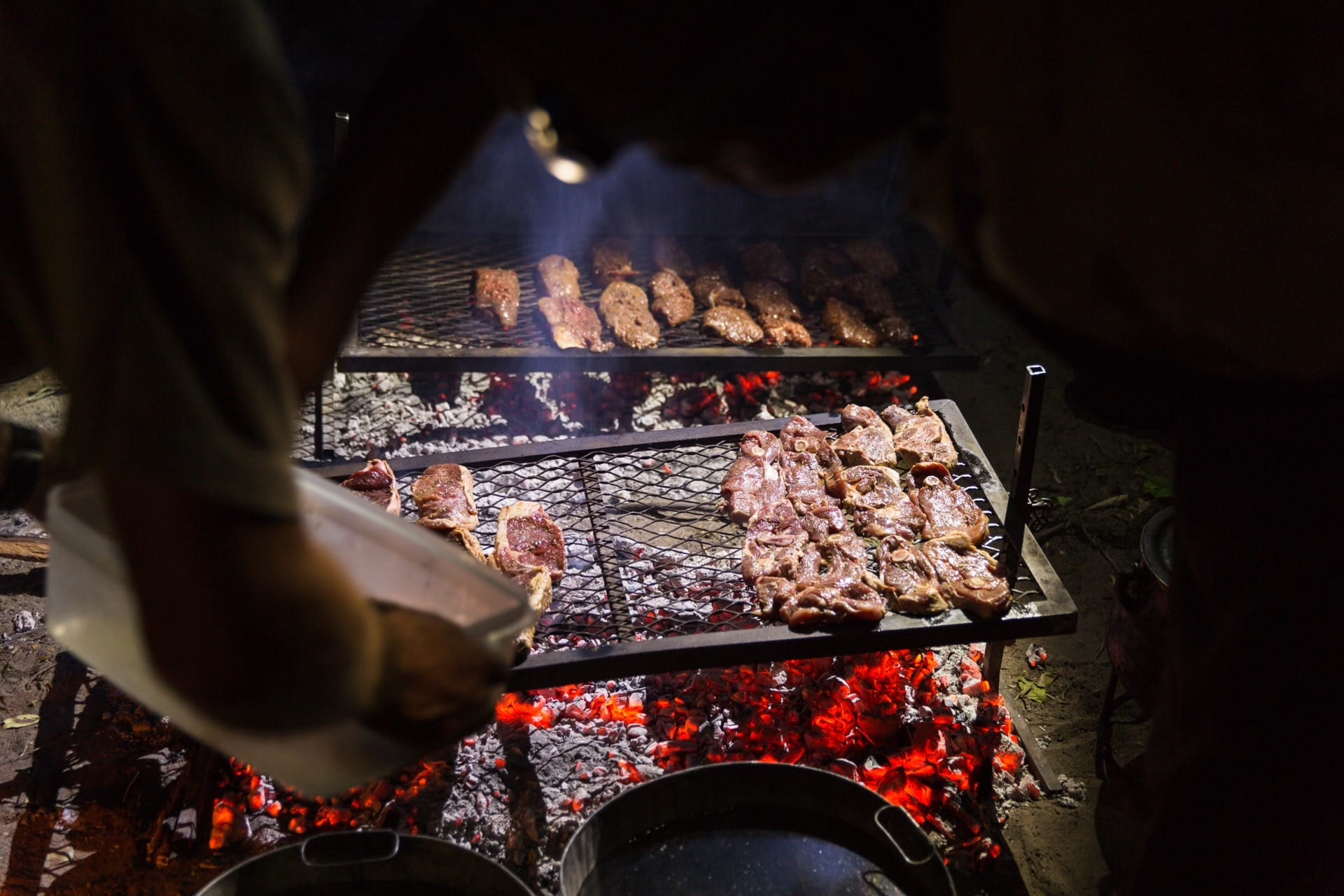
For breakfast, we provide cereals, toasts, rusks, tea, coffee, milk, jams and butter. Lunches feature a variety of salads changing every day that can include: tuna salad, couscous salad, rice salad, pasta salad, etc. along with cold cuts cheese and bread. For dinner, we cook everything on the fire and guests enjoy barbecues, stews, stir-frys, with a selection of red meat or chicken, vegetables and carbohydrates. Small treats are offered as desserts every evening.

What happens on a normal safari day?

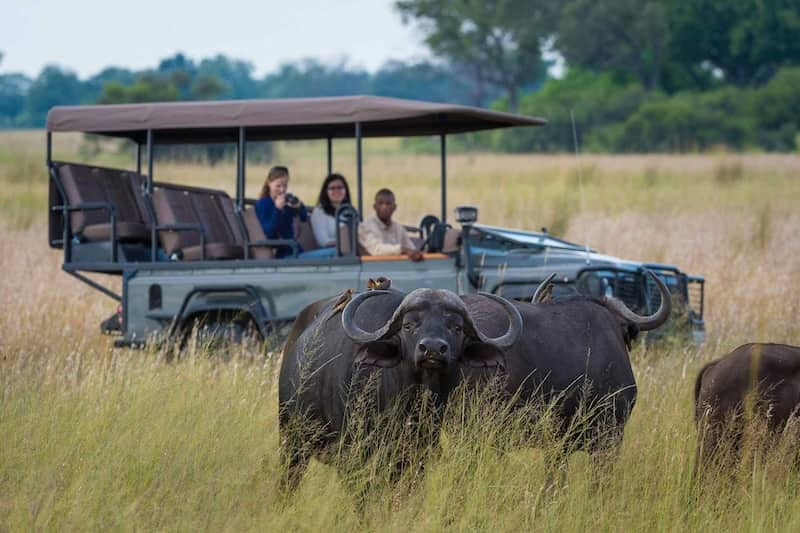
  • The day starts early because that’s when the animals are out. You’ll have coffee and a bite to eat around the fire before dawn, then head straight out for a game drive, walk, or boat trip depending on where you’re staying.
  • After a few hours tracking wildlife, your guide will pull over somewhere scenic for tea and biscuits. You’ll be back at camp by mid-morning with time to wash up at your basin before brunch—usually fresh bread, something warm from the kitchen, and cold salads.
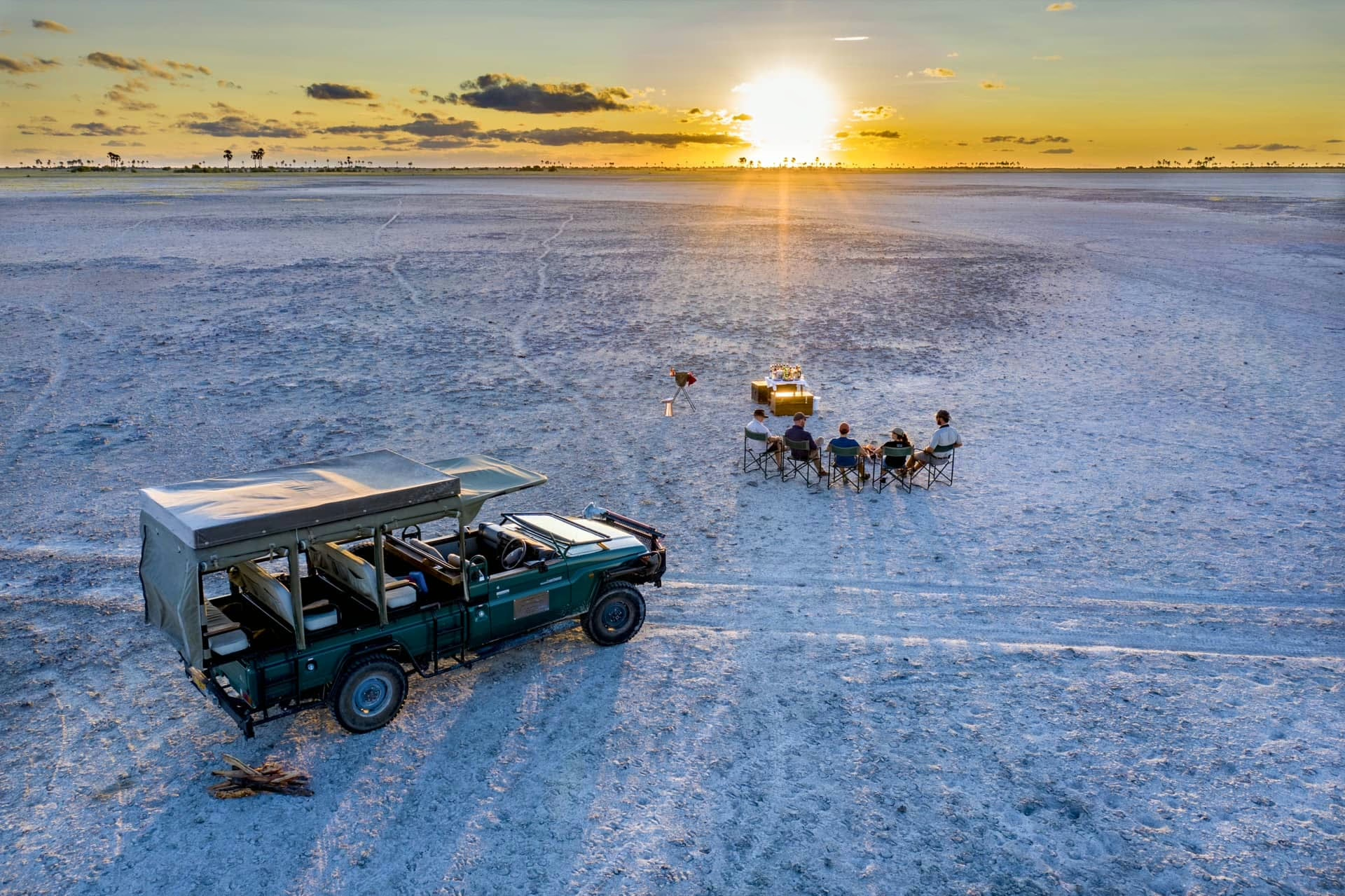
  • The middle of the day is yours to sleep, read, take a proper shower, or just sit and absorb what you saw that morning. Late afternoon you’ll head out again for another drive or boat outing. In private areas outside the national parks, these can run past sunset with a spotlight to pick up leopards, genets, and other nocturnal animals that don’t show themselves during the day.
  • That’s the general rhythm, though your guide will adjust things based on what’s actually happening—where the elephants are moving, if there’s been a recent kill, weather changes, that sort of thing. No two days run exactly the same.

What happens when you move to another location?

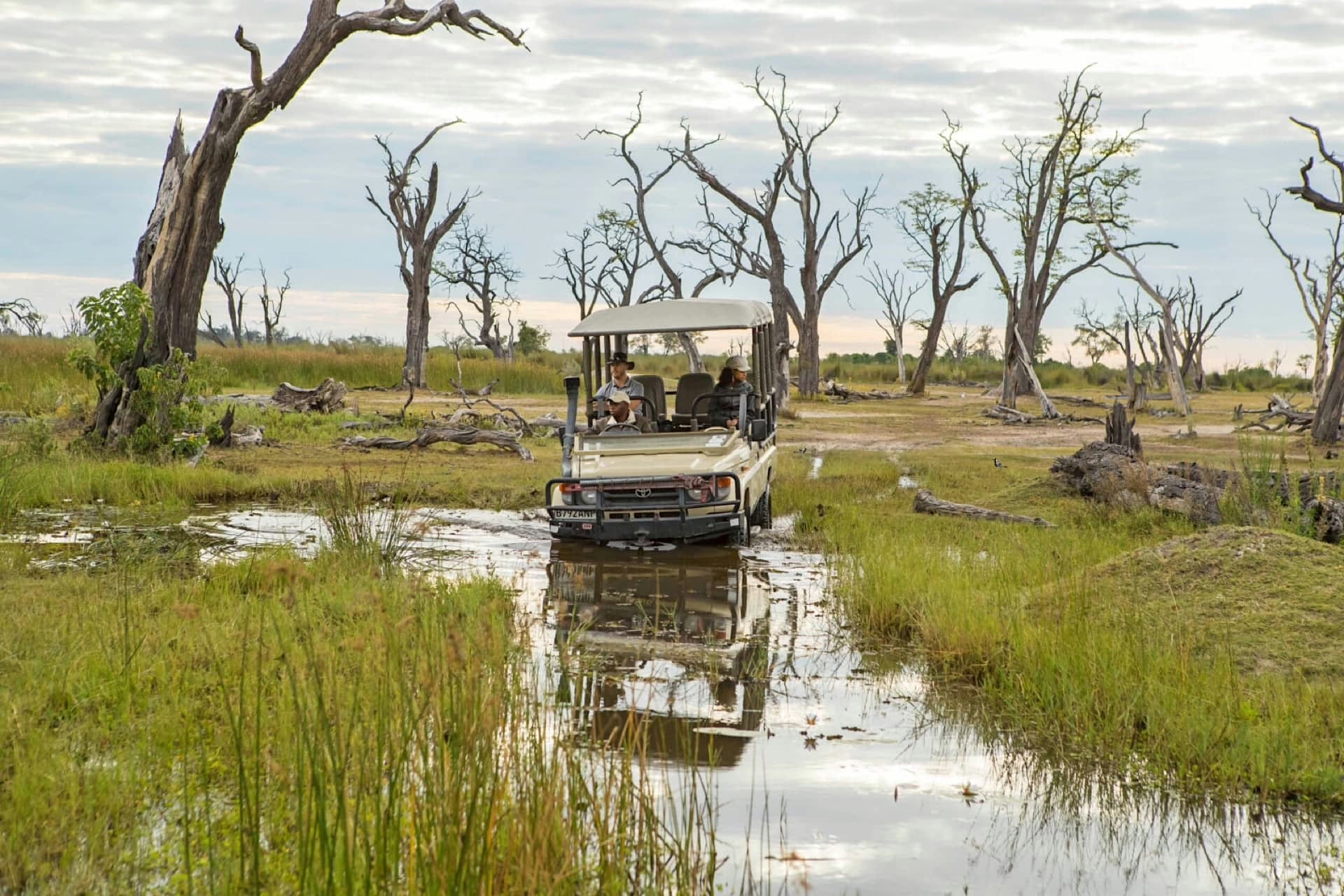
  • Moving days start earlier than usual. You’ll pack up after a quick coffee, then drive to a scenic spot for a proper breakfast—maybe overlooking a floodplain or dried riverbed. From there, it’s game viewing while traveling toward your next camp, with stops for tea and biscuits along the way.
  • Lunch happens under whatever big trees your guide finds, usually acacia or sausage trees with decent shade. By that point you’re close enough to the new camp that the crew has already driven ahead and set everything up. You’ll arrive to find your tent standing exactly as it was that morning, just in a completely different landscape.
  • There’s time for a shower and afternoon tea before heading out to explore the new area—different waterholes, different vegetation, often completely different animals than what you were seeing the day before.
  • The timing on these travel days shifts around depending on distance, road conditions, and what wildlife shows up along the route. If there’s a pride of lions on a kill or a big elephant herd blocking the track, you might spend an extra hour there and compress something else. Your guide will read the situation and adjust accordingly. The drive times given are just the actual driving—they don’t account for the inevitable stops when something interesting crosses your path.

Daily Itinerary

Arrival

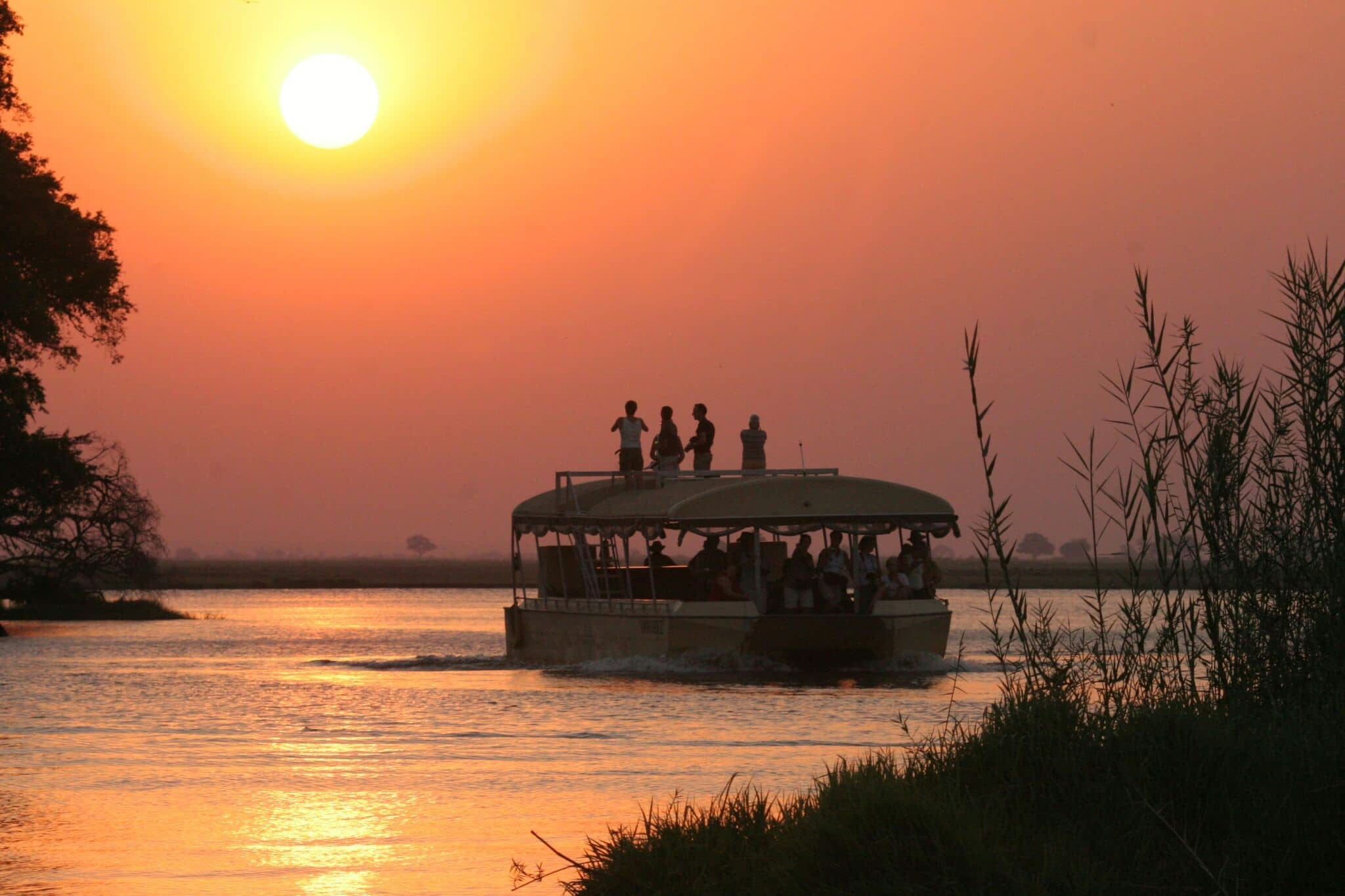
The safari will start in Kasane, Botswana, at 13:00. You will be assisted with pre-tour arrangements like accommodation and transfers if needed. Upon arrival, your guide will give a safari briefing and take you shopping for drinks. The first highlight will be a boat cruise on the Chobe River. Camping will be in Kasane at a public campsite with permanent ablutions.

Day 2 - 3

You will head 500 kilometers south to Nxai Pan National Park, stopping for a picnic lunch along the way. In Nxai Pan, you will explore the plains, often dotted with impala and springbok, and visit the magnificent Baines Baobabs. Camping will be at a private site with bush ablutions.

Day 4 - 7

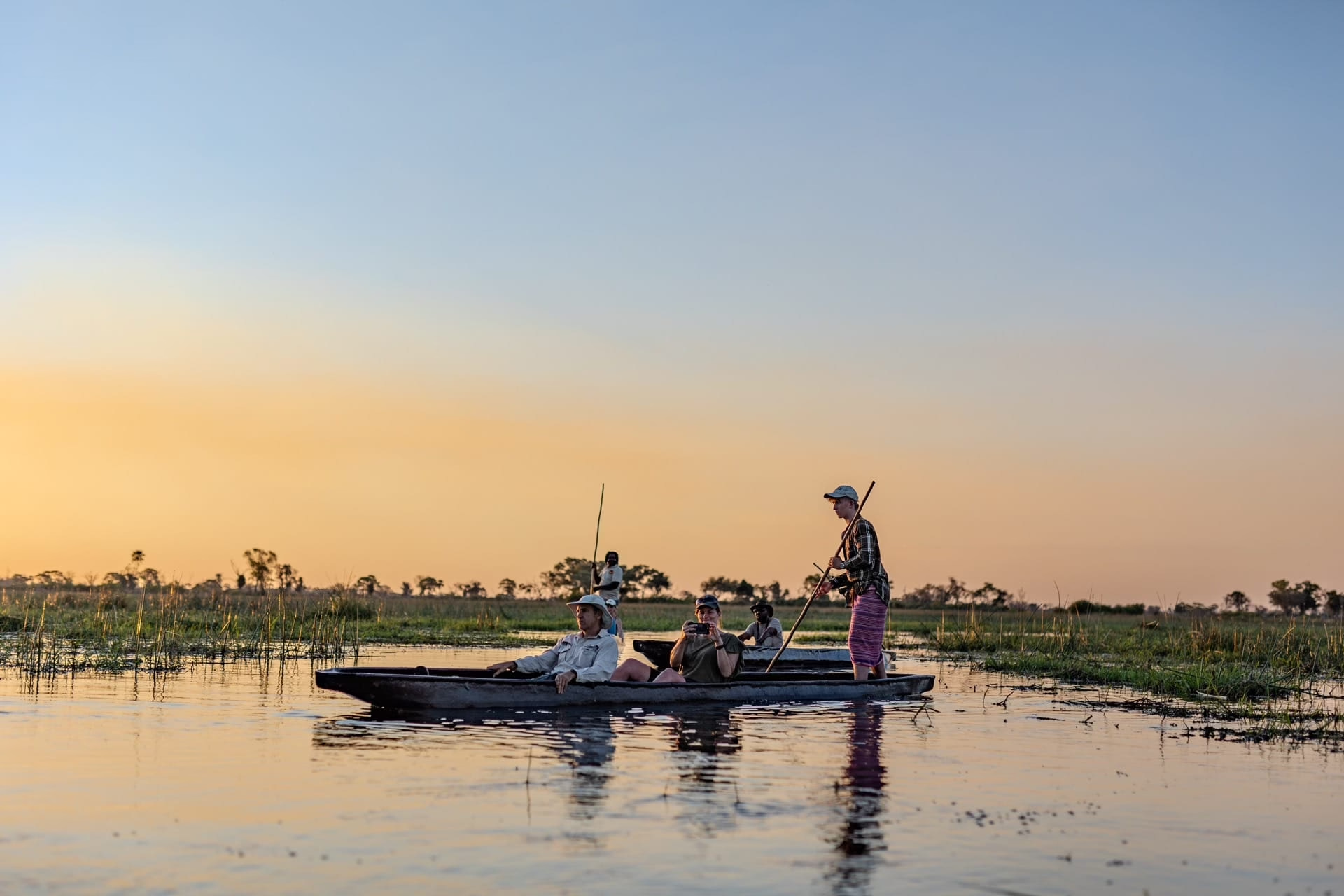
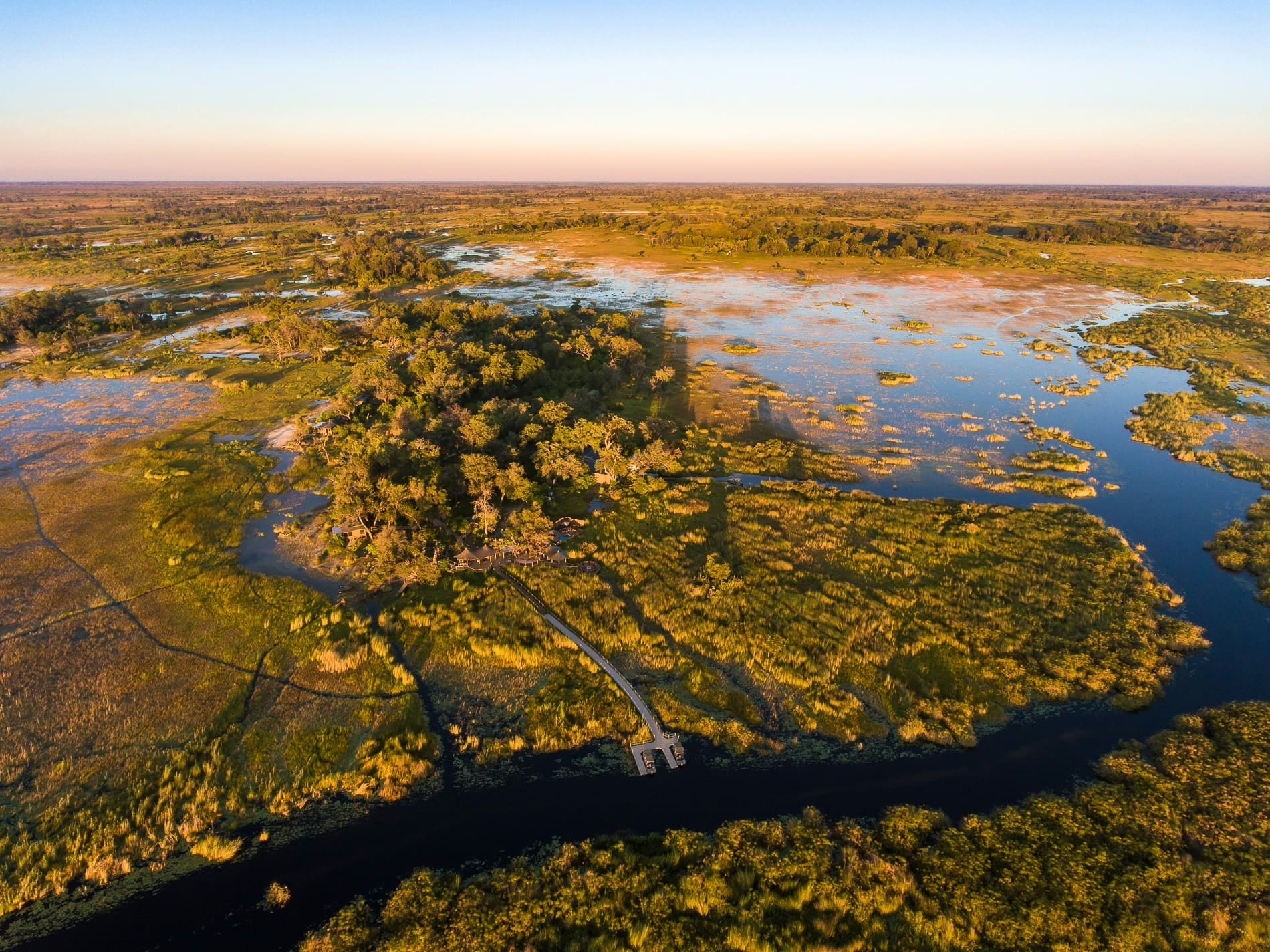
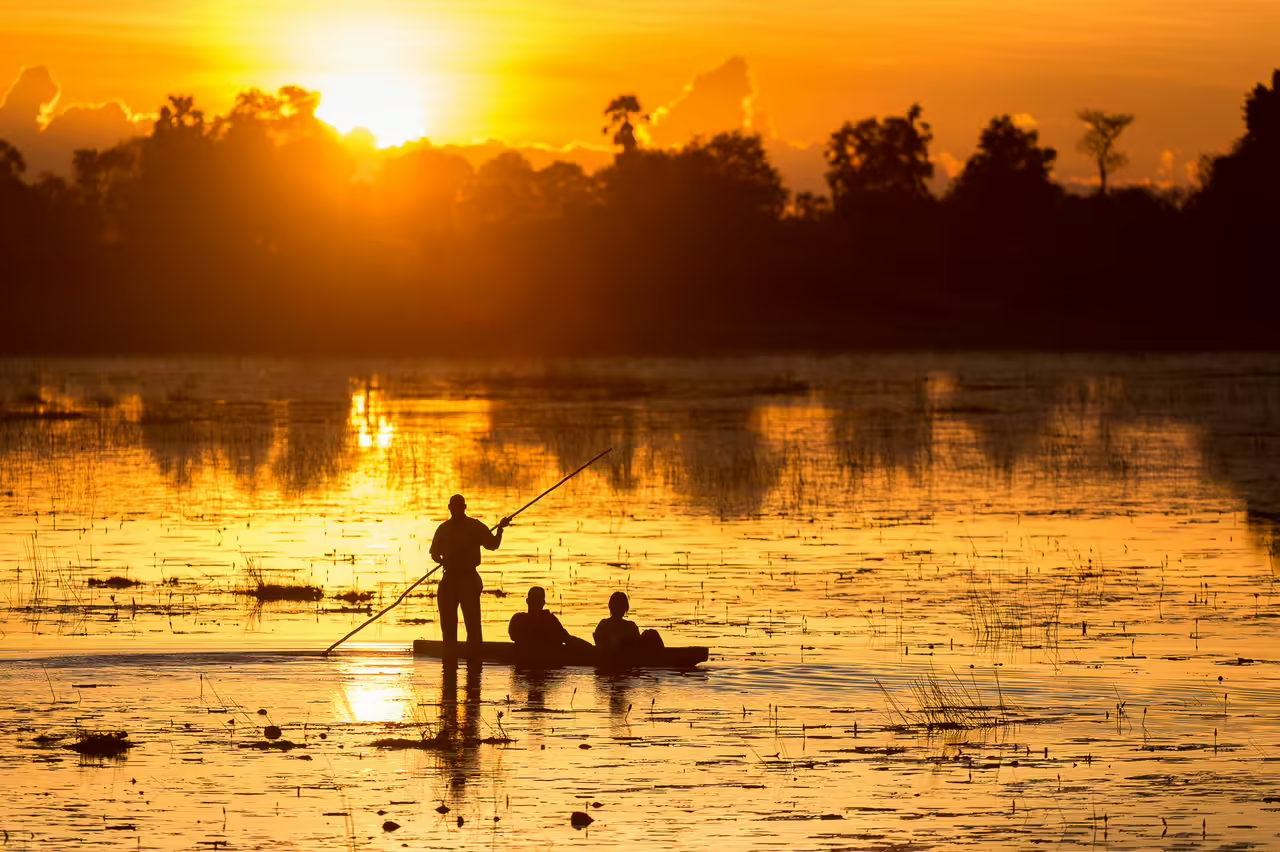
After breakfast, you will leave Nxai Pan and continue to the outskirts of Maun, the gateway to the Okavango Delta. Passing through Maun for drinks shopping, you will camp on the outskirts with permanent ablution facilities. Your journey will then lead to the southern tip of the Okavango Delta. Upon reaching the Gomoti River, you will meet local polers with their mekoro (dugout canoes). You will explore the Delta with mokoro excursions and guided nature walks, camping for two nights on a small island and one night lagoon side. On the third afternoon, you can opt for a 30-minute helicopter flight without doors for spectacular views. Booking and payment in USD cash will be required during the safari.

NOTE: You will need to leave your main luggage in the trailer and pack a smaller bag (e.g. a small backpack or hand luggage) with essentials for your two-night stay on the island. Transfers from the mainland to the island will be conducted using dugout canoes (mekoro), which cannot carry large bags. Your main luggage will be securely stored in a vehicle parked in a protected area while you enjoy your time on the island.

Day 8 - 10

After an early breakfast, you’ll head to Moremi Game Reserve, one of Botswana’s premier wilderness areas, encompassing both swamp and dry regions. Over the next three days, you’ll search for the diverse wildlife and birds this area is famous for, while enjoying the natural beauty. You’ll camp at two different sites, with game drives scheduled for early morning and late afternoon. Camping will be at private designated sites with bush ablutions.

Day 11

Chobe National Park, with its varied landscapes, will be your next stop. In the Savute region, you’ll encounter bull elephants on the plains. The dynamic ecosystems here, featuring waterholes, river channels, and marshes, attract a wide range of animals, making each game drive exciting and unpredictable. Camping will be at private sites with bush ablutions.

Day 12 - 13

You’ll proceed north to the Chobe River, where game drives will follow the riverbanks, guided by the call of the African Fish Eagle. You’ll see a variety of animals, including puku and Chobe bushbuck, along with rich birdlife in this unique river environment.

Day 14

Following a brief morning game drive, your guide will escort you to the Kazungula border, where you will meet your transfer vehicle to your lodge in Victoria Falls, Zimbabwe (Visa required). This is where your time with the Botswana team (including translators) will come to an ends as they handover the group to the Zimbabwean team. You will spend the night at a comfortable lodge. In the afternoons, you’ll have the opportunity to witness the thundering Victoria Falls and shop for souvenirs. Lunch and dinner will be at your own expense.

day 15

The safari officially ends after breakfast on Day 15.

Experiences

Game Drives

Mokoro

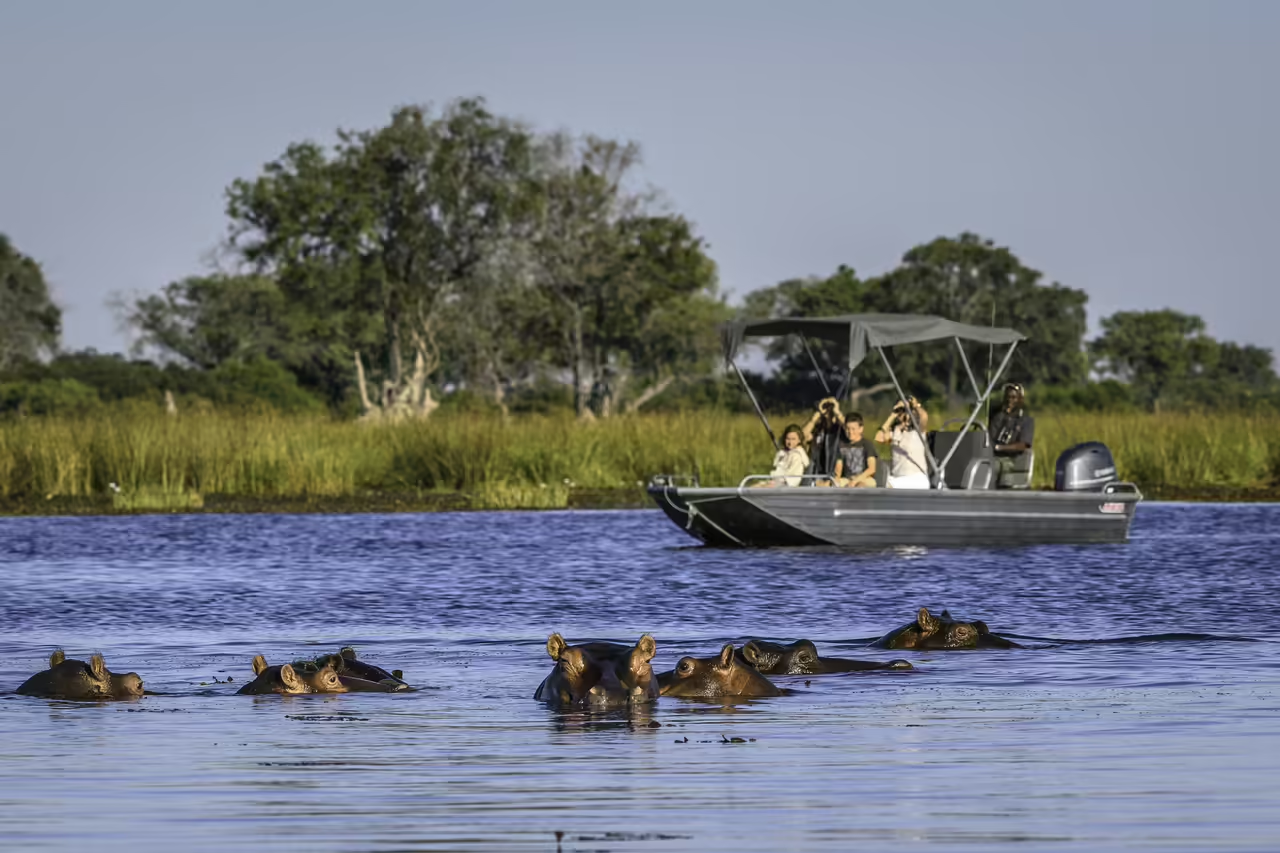
Boating Safari

Rates

Regions visited on this tour...

  • Nxai Pan
  • Okavango
  • Moremi
  • Savuti
  • Chobe River
  • Vic Falls

from

  • April - May

    $2,900

  • June - October

    $3,130

Please do remember to contact us to see if we can reduce this price for you as there may well be some specials on!

Prices are per person per night… contact us for single traveller prices.

Chat to us about this Mobile Safari..!

Contact Us
Start Your AdventureBook Now