We can't fit everything on your screen.Please rotate your device

Botswana Classic Reverse

CLASSIC MOBILE SAFARI
Explore Chobe River, Savuti, Khwai and Moremi

Price From
Number of Nights
Type
From $4,930
10
Mixed Safaris

Mobile Safari Summary

This is the reverse of our Botswana Classic and is a routed safari that starts in Kasane and ends in Maun, the safari capital of Botswana. The route from North to South (as with its sister safari) takes you through some of the most famous regions in Africa. North west Botswana gives you Chobe National Park with its major river, and the Savute region where the Savuti Channel is now in full flow catering for its abundant wildlife.

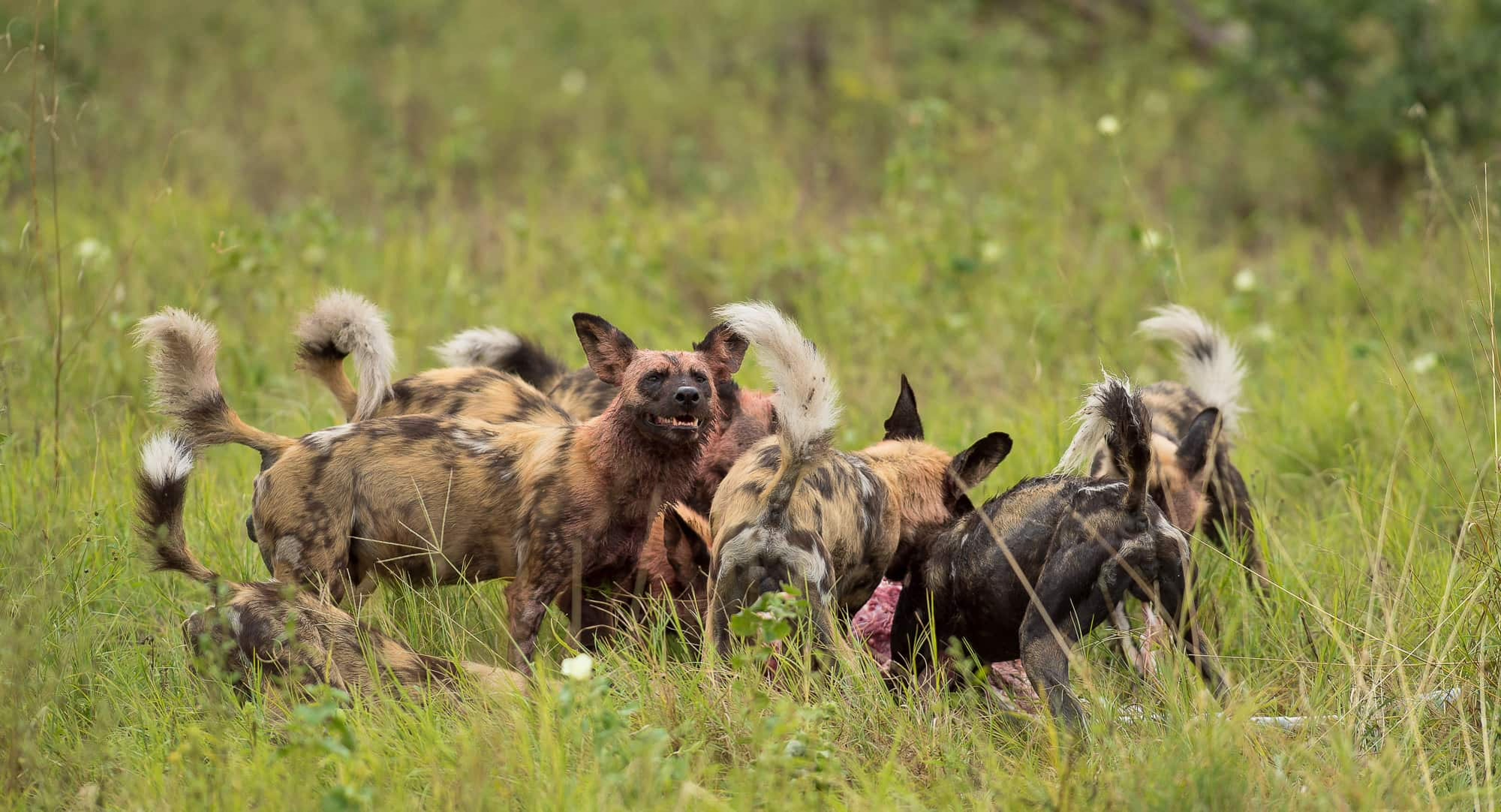
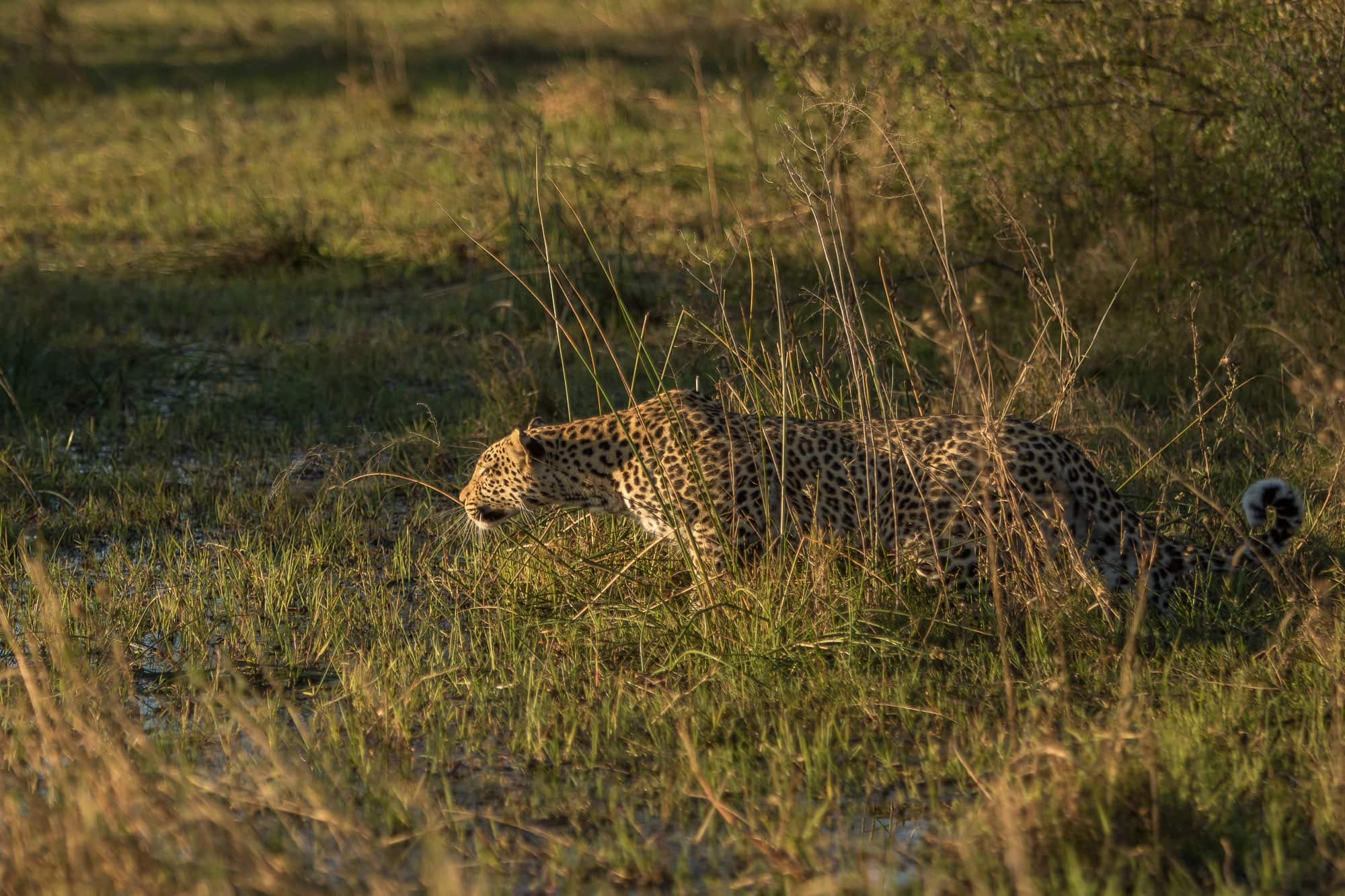
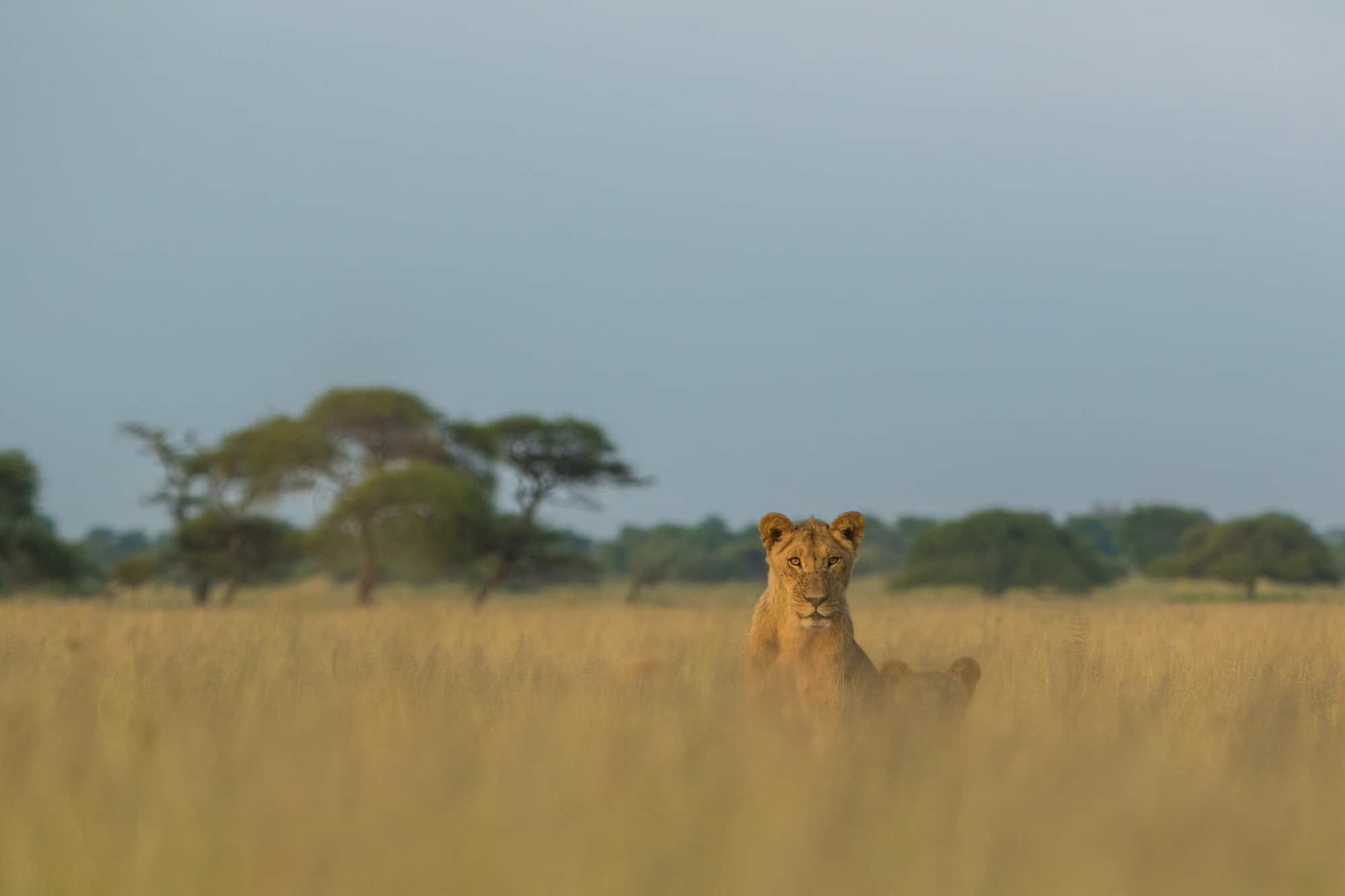
The Safari then moves on to the more lush landscapes in the Khwai concession which has been a major wildlife attraction for a numbers of years and on to the famous Moremi Game Reserve with its dense predator numbers and permanent Okavango Delta water channels.
Gallery

Navigate

Includes

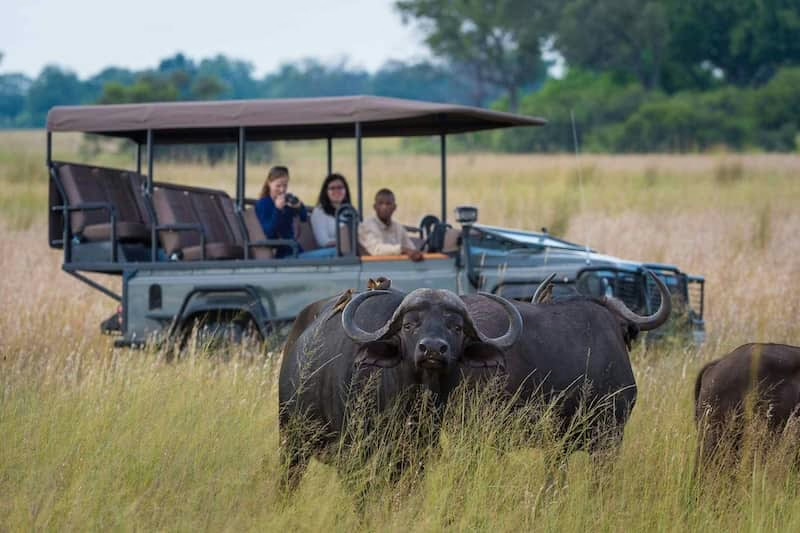
  • Maximum 12 guests spread over two vehicles (6 on each)
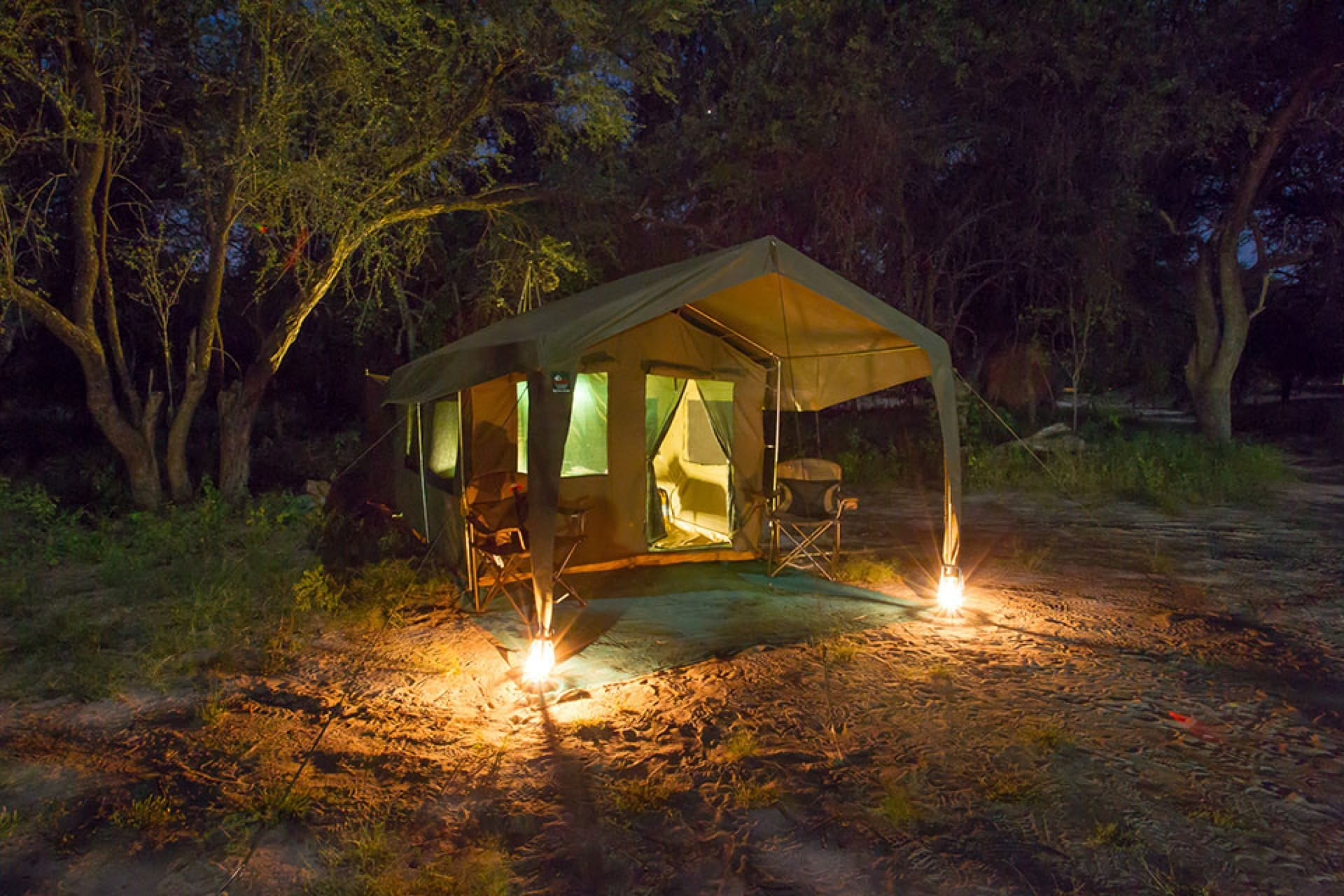
  • Large walk in tents with private en-suite bathroom
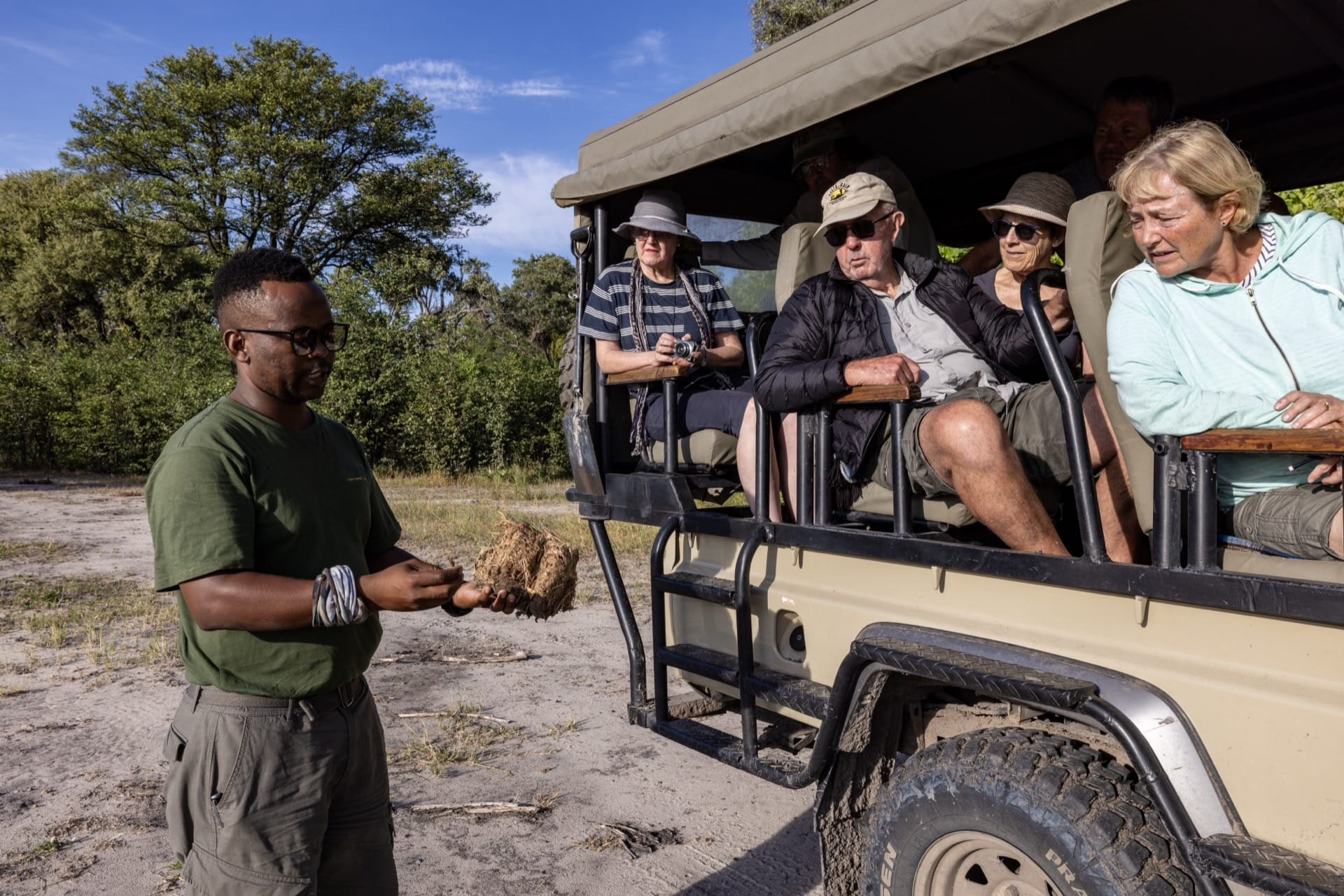
  • Professional guide, chef and camp hands
  • Private campsites
  • All park fees and levies and all activities
  • All meals and drinks

Excludes

  • Gratuities and items of a personal nature
  • International flights
  • Travel insurance or visas
  • Anything not listed under inclusions

Regions visited on this tour

The Accommodation

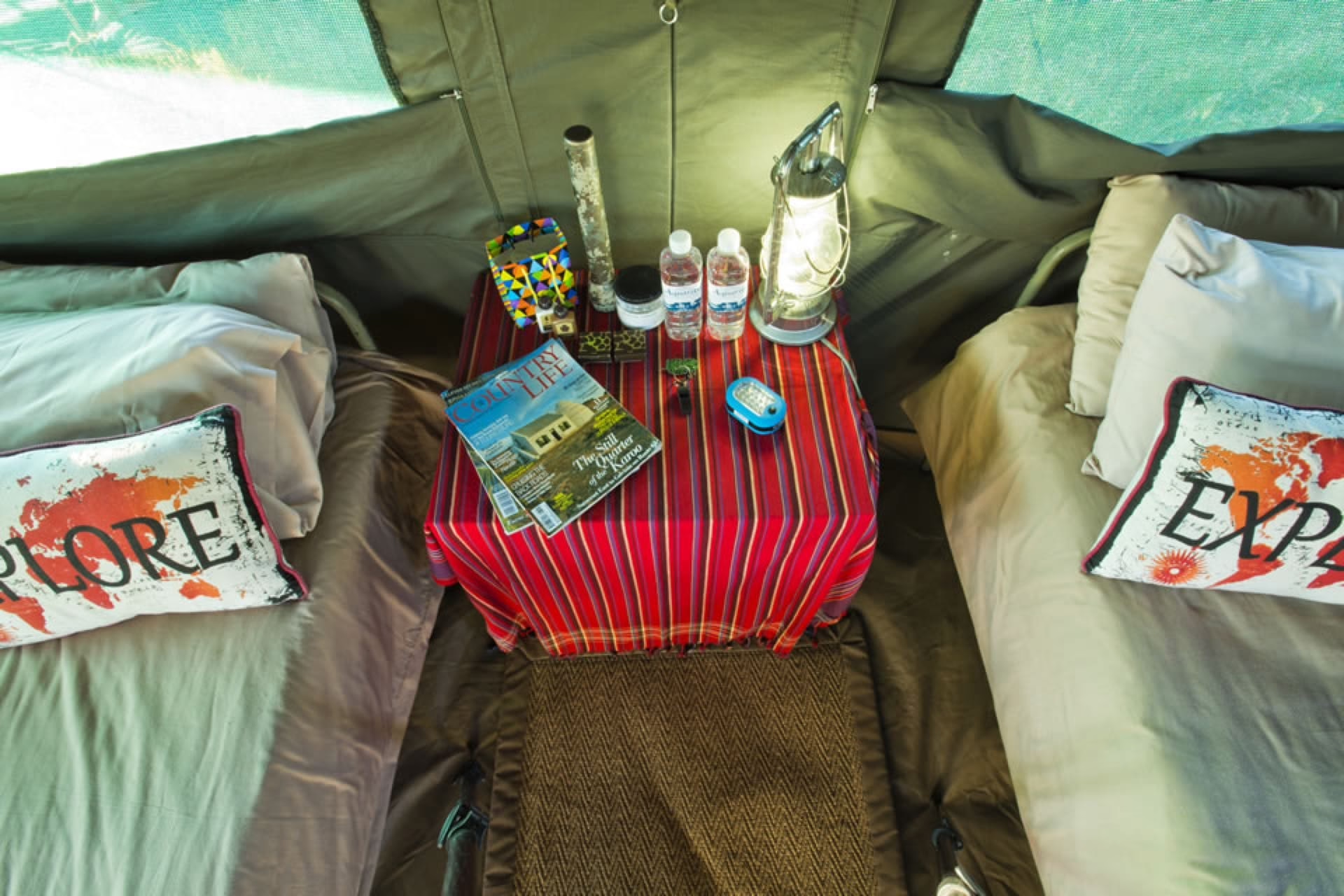
Walk in Meru Style ensuite tents
Beds with a proper mattress with all linen (not sleeping bags) as well as a towel and a hot water bottle in winter
En-suite bathroom with bush loo and bucket shower
Ecofriendly bathroom amenities (soap, shampoo, body lotion and insect repellent)

This mobile safaris include quality linen and towels for your comfort. Each bed is made up with proper linen, pillows, duvets, and extra blankets. During the winter months, when night time temperatures can drop, we also provide hot water bottles for added warmth.

For game drives, we supply blanket-lined ponchos — perfect for staying cozy on chilly mornings and keeping dry during summer rains.

What happens on a normal safari day?

  • The day starts early because that’s when the animals are out. You’ll have coffee and a bite to eat around the fire before dawn, then head straight out for a game drive, walk, or boat trip depending on where you’re staying.
  • After a few hours tracking wildlife, your guide will pull over somewhere scenic for tea and biscuits. You’ll be back at camp by mid-morning with time to wash up at your basin before brunch—usually fresh bread, something warm from the kitchen, and cold salads.
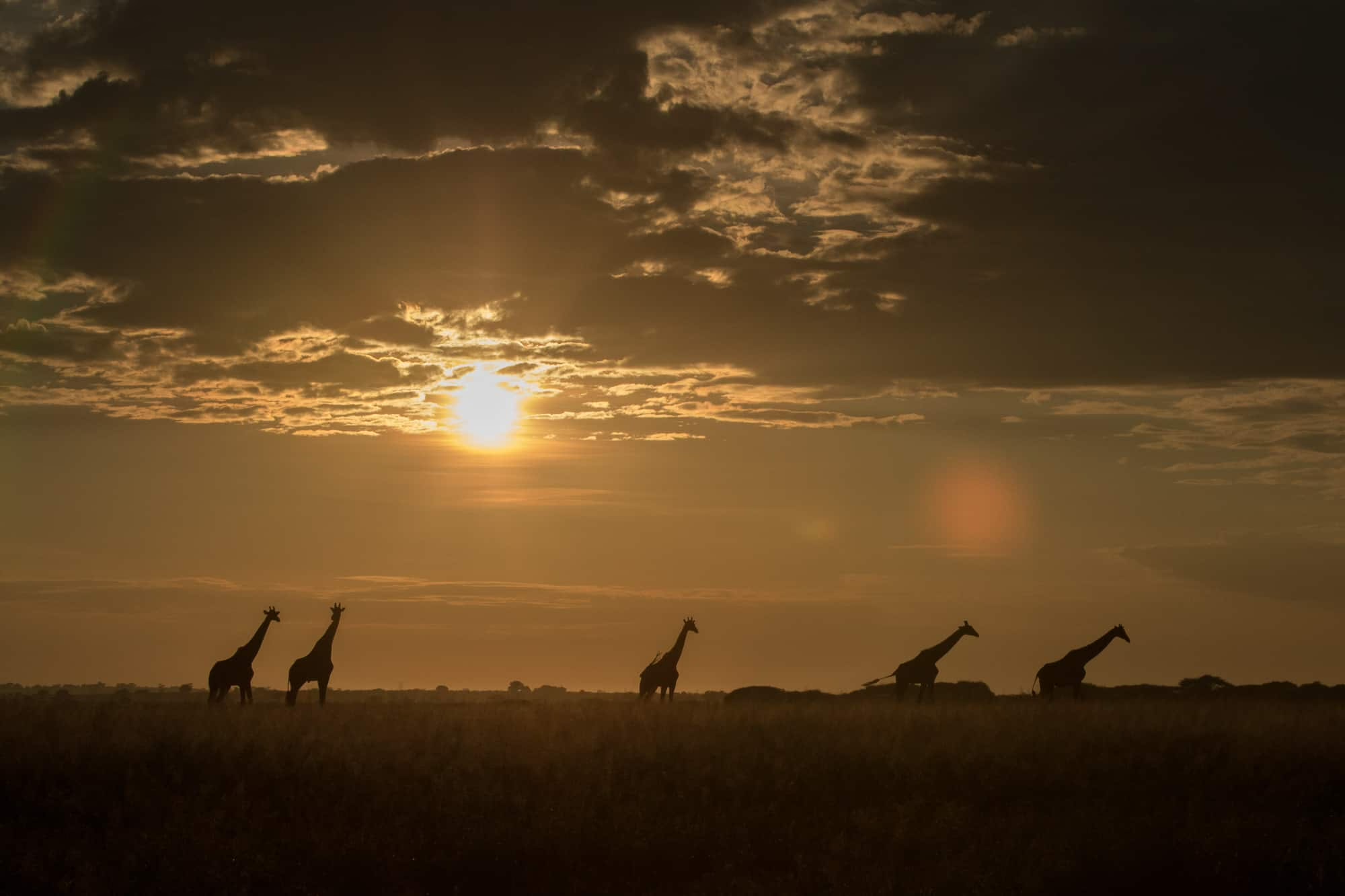
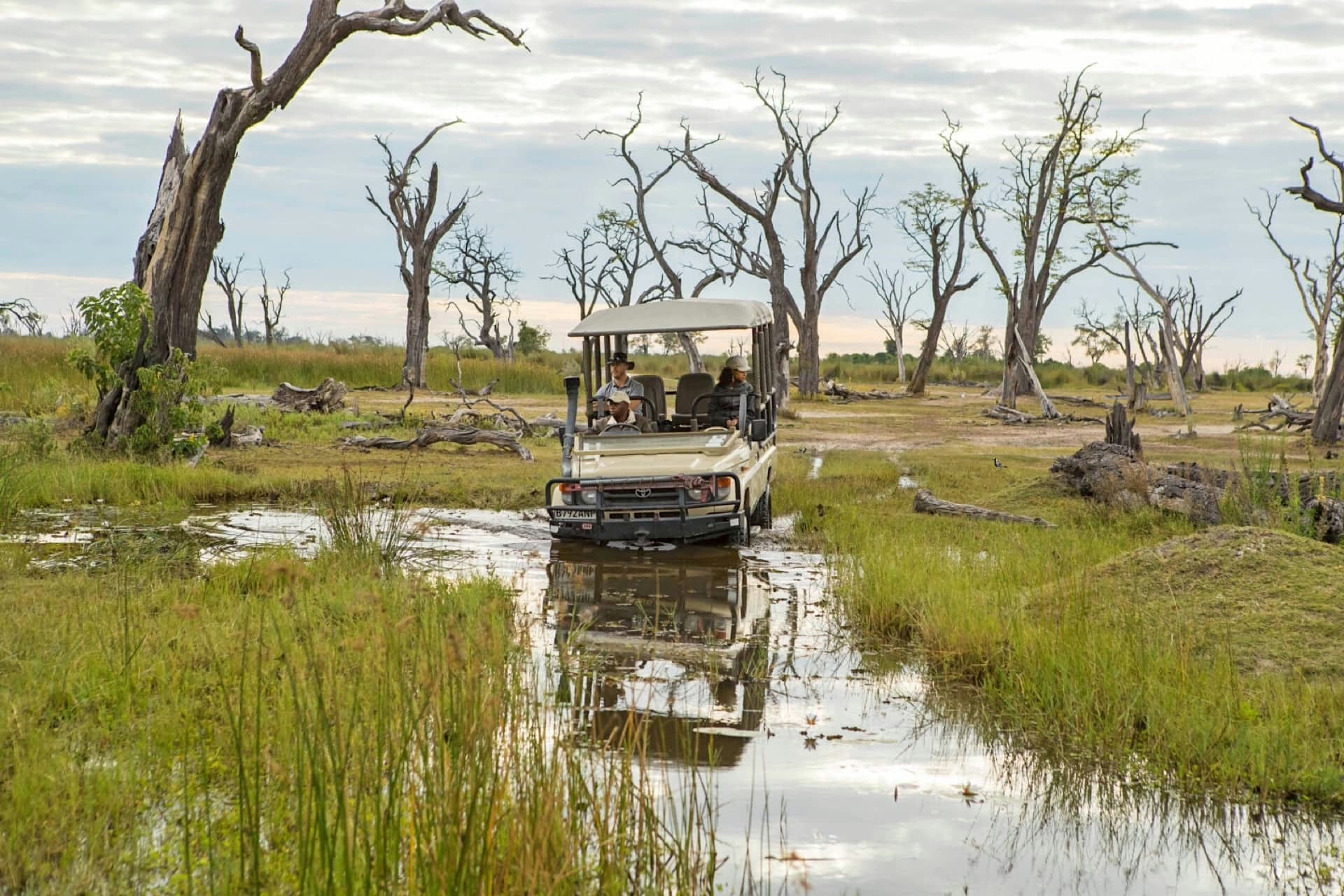
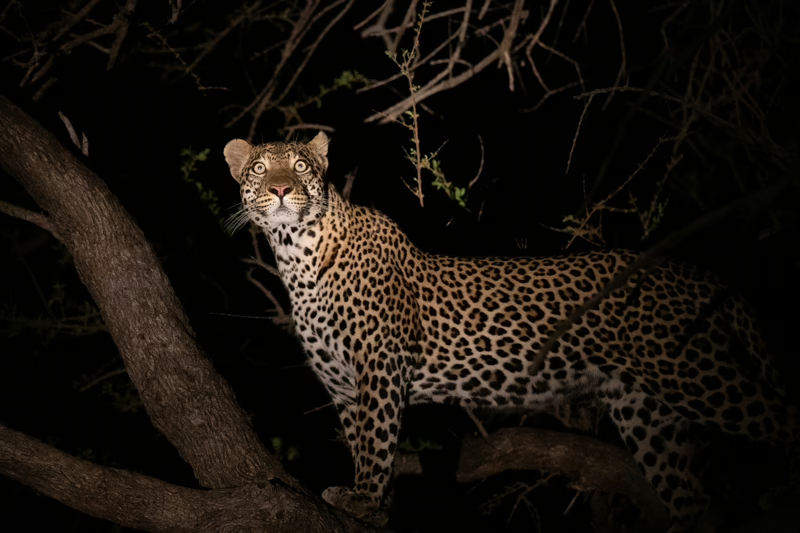
  • The middle of the day is yours to sleep, read, take a proper shower, or just sit and absorb what you saw that morning. Late afternoon you’ll head out again for another drive or boat outing. In private areas outside the national parks, these can run past sunset with a spotlight to pick up leopards, genets, and other nocturnal animals that don’t show themselves during the day.
  • That’s the general rhythm, though your guide will adjust things based on what’s actually happening—where the elephants are moving, if there’s been a recent kill, weather changes, that sort of thing. No two days run exactly the same.

What happens when you move to another location?

  • Moving days start earlier than usual. You’ll pack up after a quick coffee, then drive to a scenic spot for a proper breakfast—maybe overlooking a floodplain or dried riverbed. From there, it’s game viewing while traveling toward your next camp, with stops for tea and biscuits along the way.
  • Lunch happens under whatever big trees your guide finds, usually acacia or sausage trees with decent shade. By that point you’re close enough to the new camp that the crew has already driven ahead and set everything up. You’ll arrive to find your tent standing exactly as it was that morning, just in a completely different landscape.
  • There’s time for a shower and afternoon tea before heading out to explore the new area—different waterholes, different vegetation, often completely different animals than what you were seeing the day before.
  • The timing on these travel days shifts around depending on distance, road conditions, and what wildlife shows up along the route. If there’s a pride of lions on a kill or a big elephant herd blocking the track, you might spend an extra hour there and compress something else. Your guide will read the situation and adjust accordingly. The drive times given are just the actual driving—they don’t account for the inevitable stops when something interesting crosses your path.

Daily Itinerary

Arrival

Arrive into Kasane Airport

Day 1 - 2

We will be there to give you a warm Botswana welcome when you land at Kasane Airport. Our guide will help you feel immediately at home and brief you on what to look forward to on your safari.

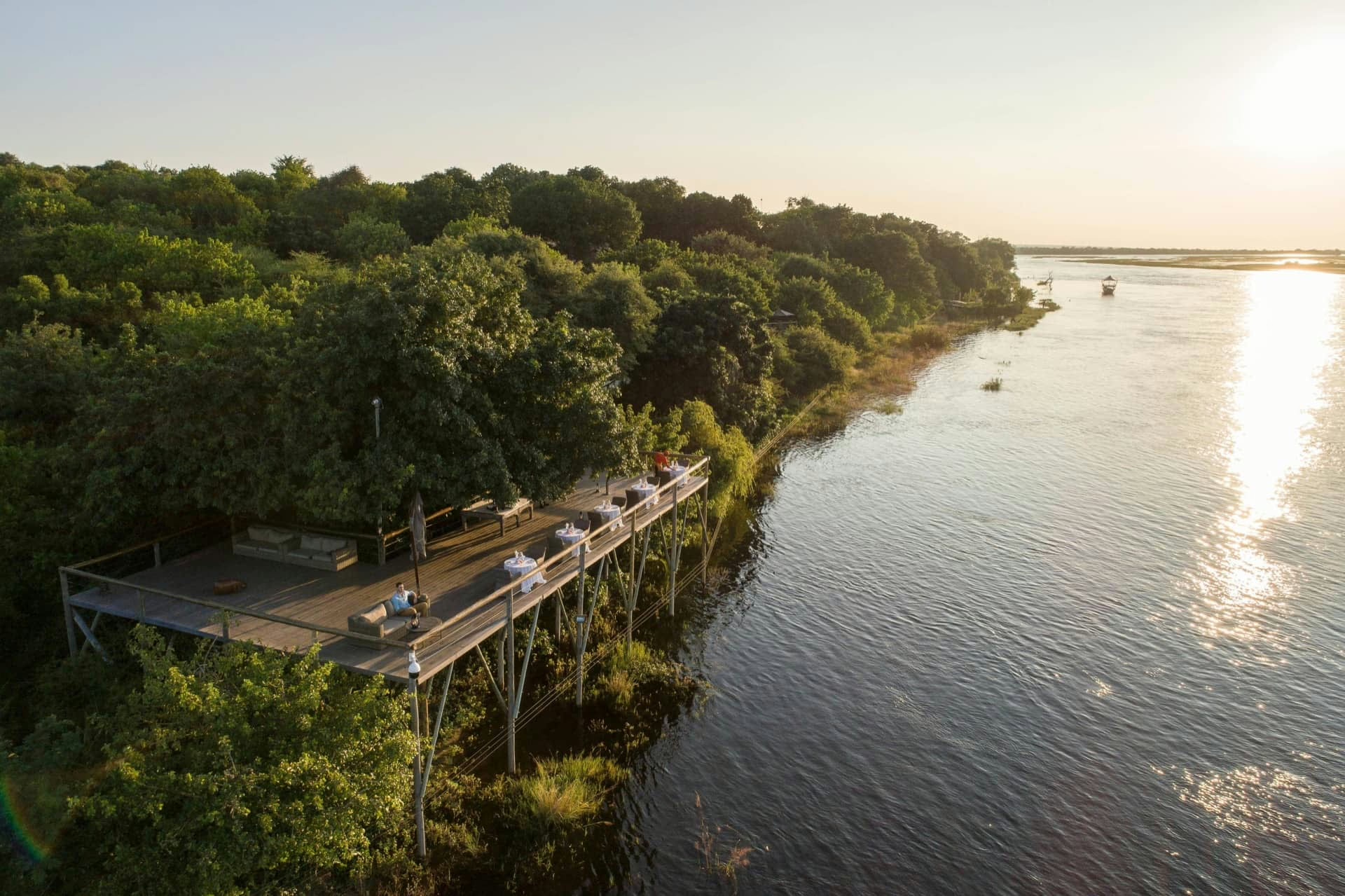
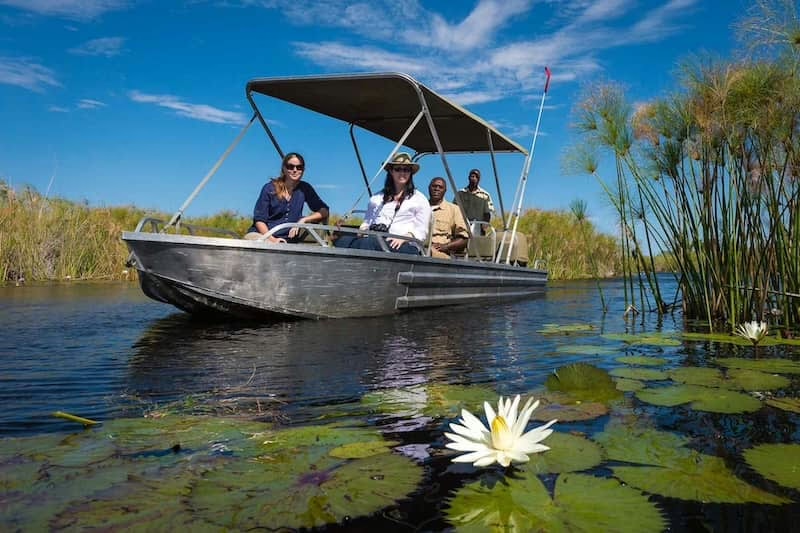
We will provide you with a snack pack before you depart on an afternoon boat cruise on your first afternoon on the Chobe River which departs from Kasane.

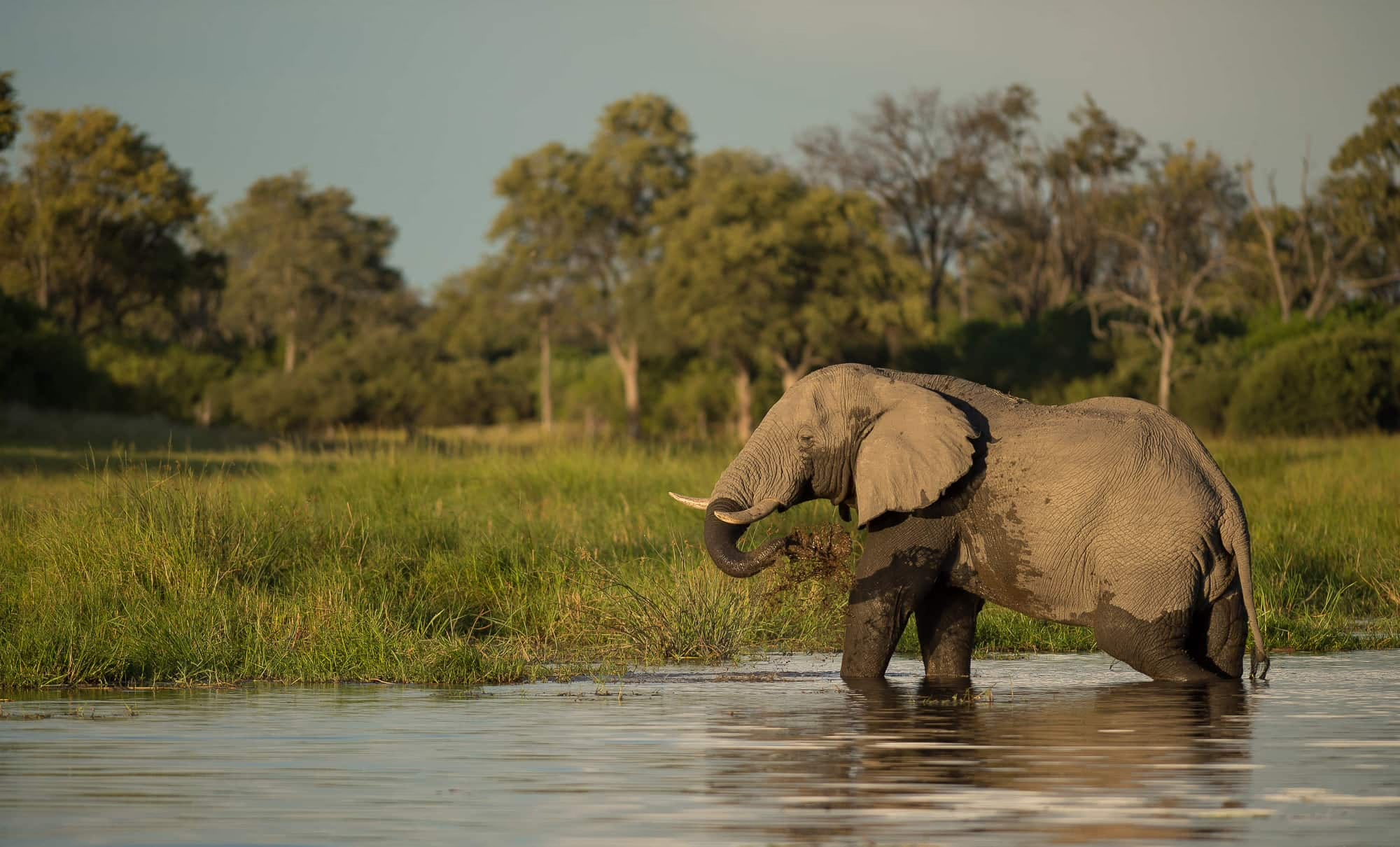
Following the boat cruise we leave Kasane and start our journey driving at game drive pace and keeping an eye out for wildlife and birds. We spend the first two nights camping in a pristine bush campsite near the Chobe River, exploring the river banks and surrounding floodplains on game drives.

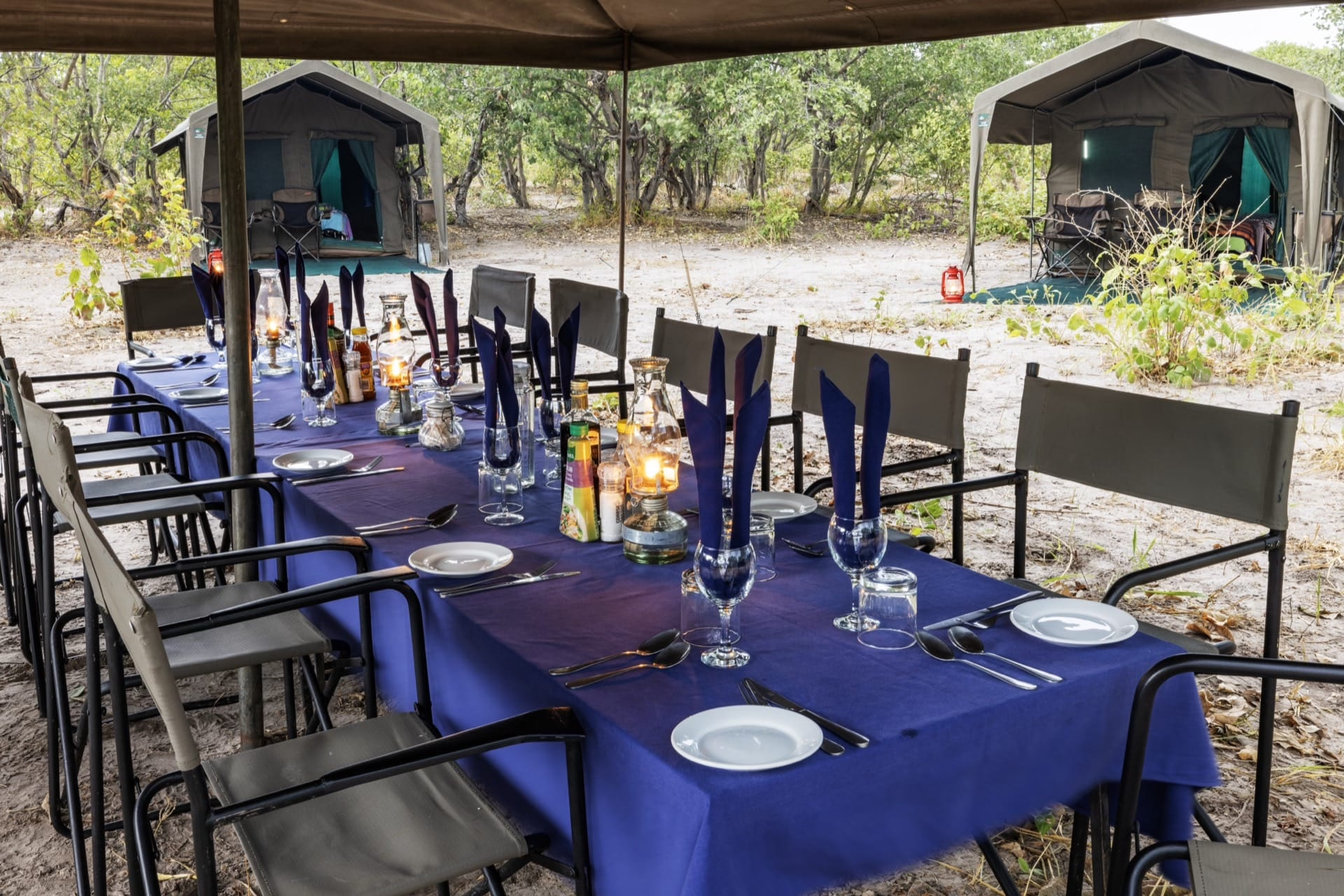
The magic of a mobile camp becomes apparent as the sun sets and you enjoy drinks around the fire before a starlit dinner and a great night’s rest after falling asleep to the sounds of the African bush.

Day 3 - 5

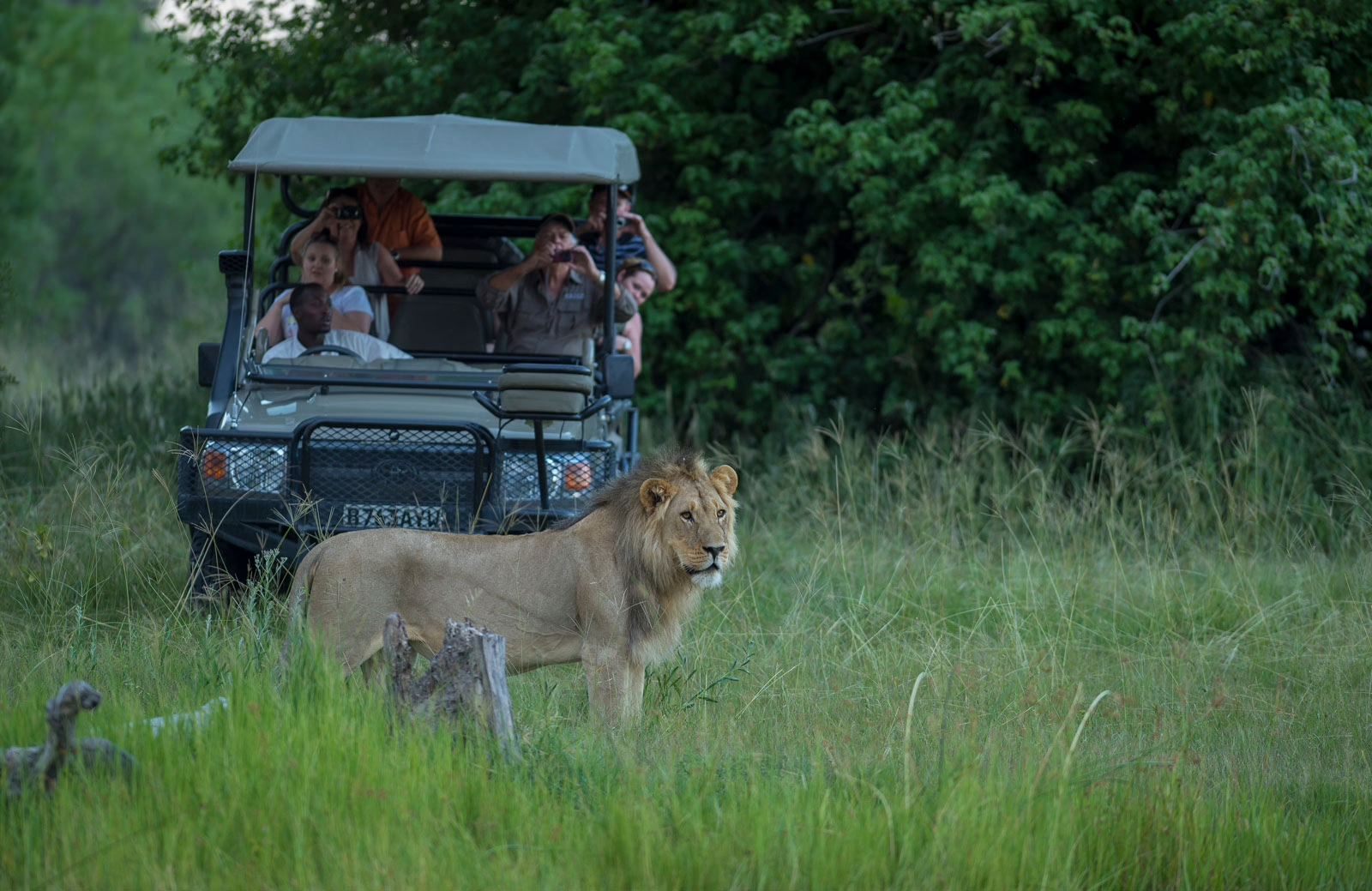
We head further south within Chobe National Park, were we spend the following three nights camping at a pristine bush campsite in the Savute region and exploring the dry landscape on game drives. Savute is an area that can change dramatically, with the character of the place changing completely depending on the flowing or drying up of the Savute Channel. In 2010, water from the Savute Channel reached the Marsh for the first time in three decades (after a long dry period during which resident lions learned to prey on elephants coming to drink at isolated waterholes). The presence of water can transform these dynamics and the only way to find out what will happen next, is to visit Savute with us and see for yourself!

Day 6 - 8

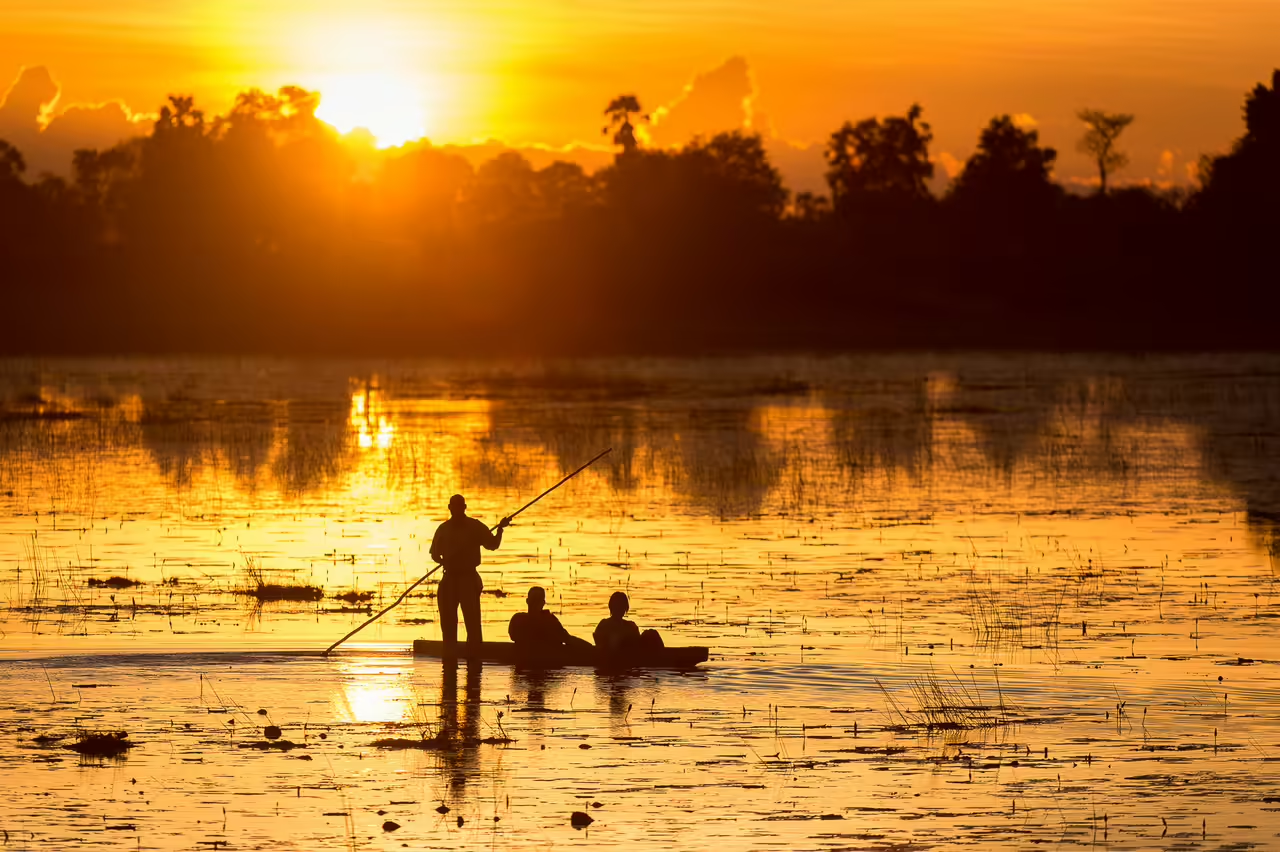
Following an early breakfast, we pack up the camp and continue our journey to Khwai, stopping for a bush picnic lunch en route. The Khwai River forms the boundary between the reserve and the local Khwai Community Area. We spend the next three nights camping at a campsite in the Khwai area of Moremi Game Reserve. You will also experience a 2½-hour mokoro trip, discovering channels and lagoons at a relaxed pace in a traditional dug-out canoe.

Day 9 - 10

Spending our last two nights camping in the Xakanaxa / Third Bridge area, we explore the surrounding wilderness on game drives during the day. The Moremi Game Reserve protects around a third of the entire Okavango Delta ecosystem – some 5 000km2 (1 930 square miles).

Day 11

Following breakfast and a short game drive your guide will drop you at a bush airstrip to meet your pilot for your stunning light aircraft scenic flight over the Okavango Delta and Chief’s Island back to Maun. This flight gives you a fish eagle’s eye view of this amazing ecosystem. You will arrive in Maun around noon in time for the flights to Johannesburg.

Experiences

Game Drives

Night Drives

Mokoro

Boating

Rates

Lodges visited on this tour...

  • Chobe River
  • Savuti
  • Khwai Community
  • Moremi

from

  • April - June

    $4,930

  • July - October

    $6,185

  • November - December

    $4,930

Please do remember to contact us to see if we can reduce this price for you as there may well be some specials on!

Prices are per person per night… contact us for single traveller prices.

Chat to us about this Mobile Safari..!

Contact Us
Start Your AdventureBook Now