We can't fit everything on your screen.Please rotate your device

Northern Expedition Reverse

CLASSIC MOBILE SAFARI
Explore Chobe, Savuti, Khwai Mababe and Moremi

Price From
Number of Nights
Type
From $3,895
9
Mixed Safaris

Mobile Safari Summary

This Mobile Safari is essentially the reverse of our Northern Expedition and starts in Kasane and ends in Maun. Moremi Game Reserve is arguably one of the most famous game reserves in Africa with its abundant wildlife and beautiful scenery within and around its borders. Extending further than Moremi Expedition safari, we take you on to the enigmatic and abundant wildlife regions Savute and the Chobe River Front

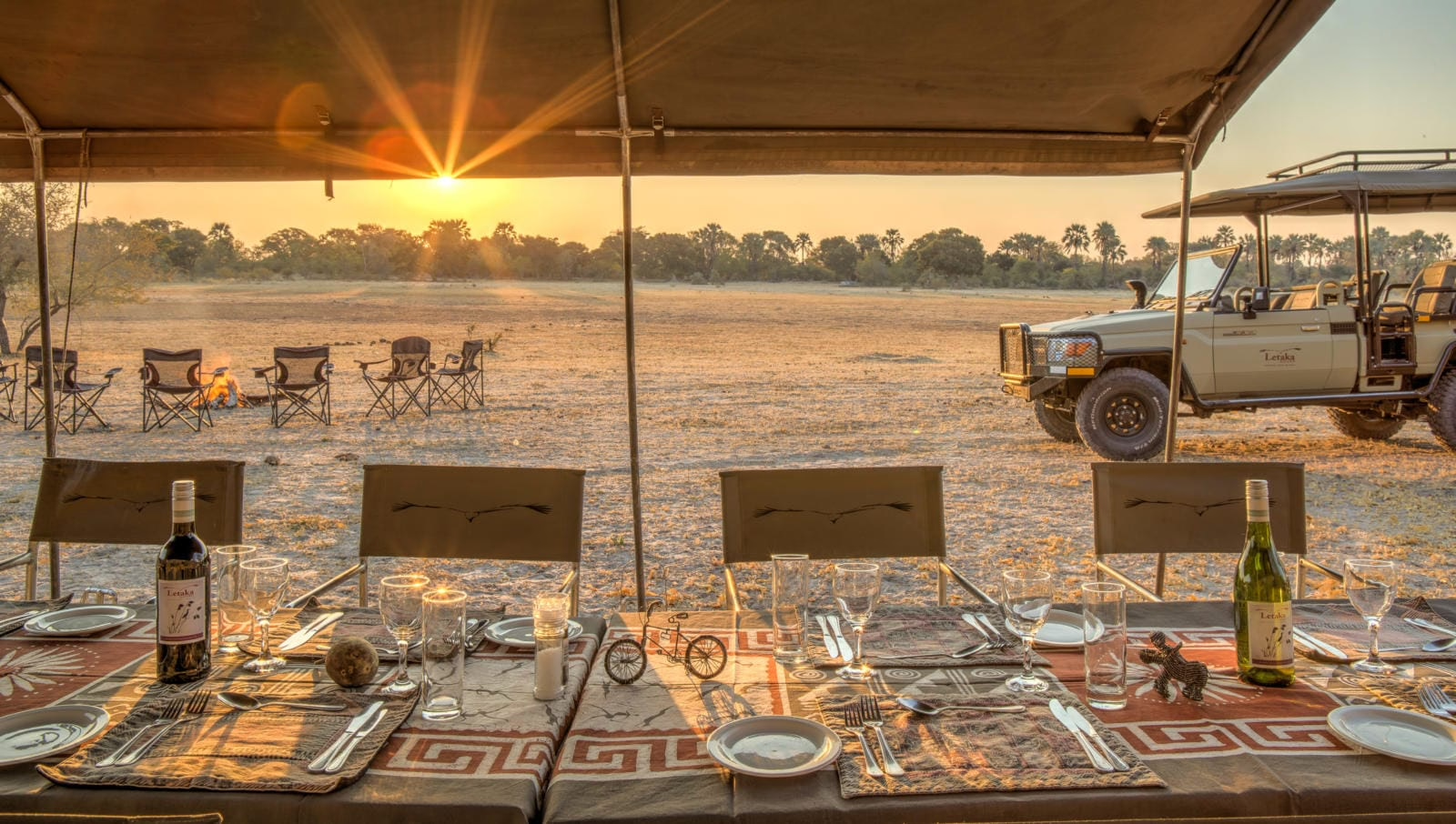
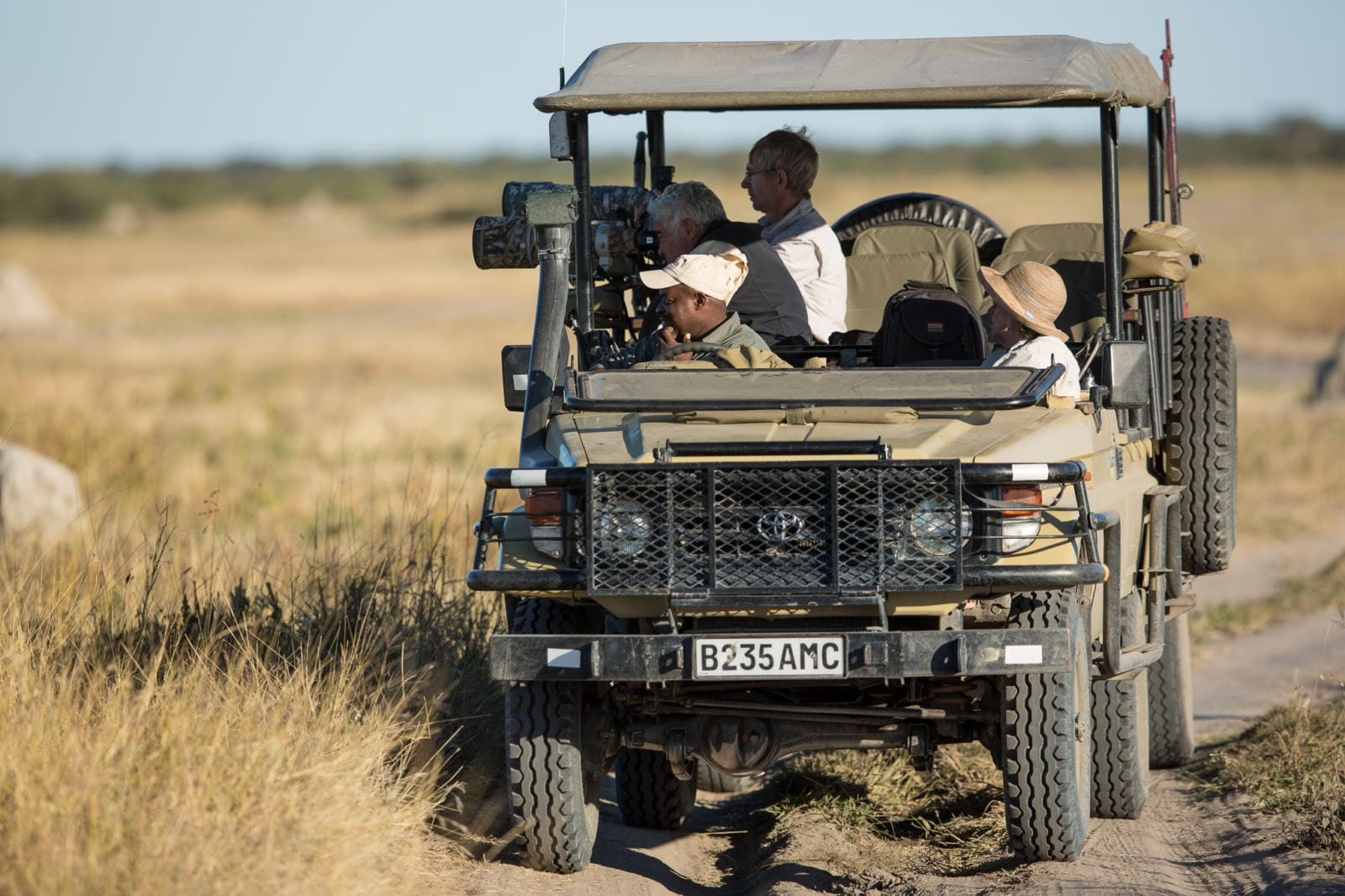
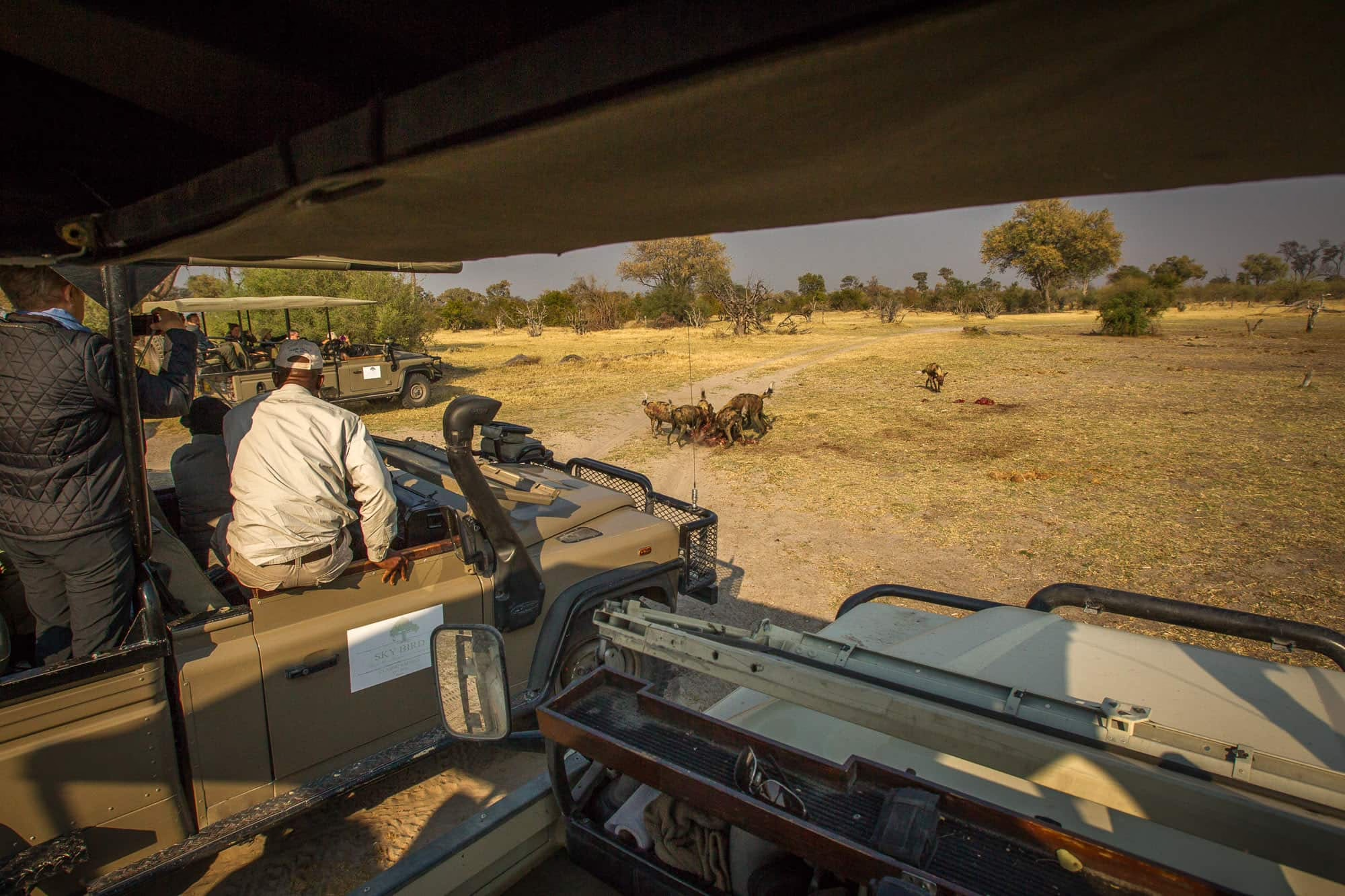
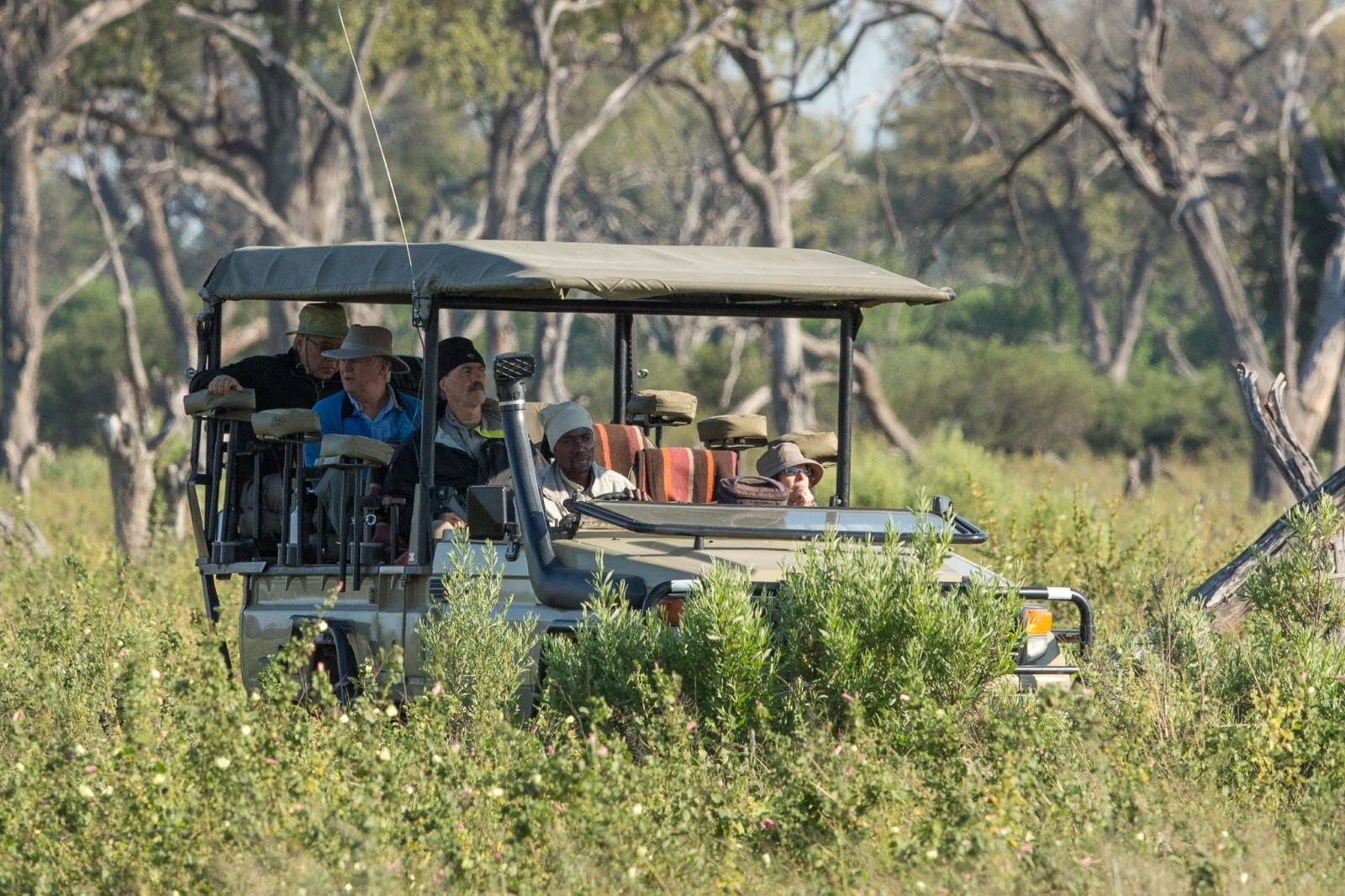
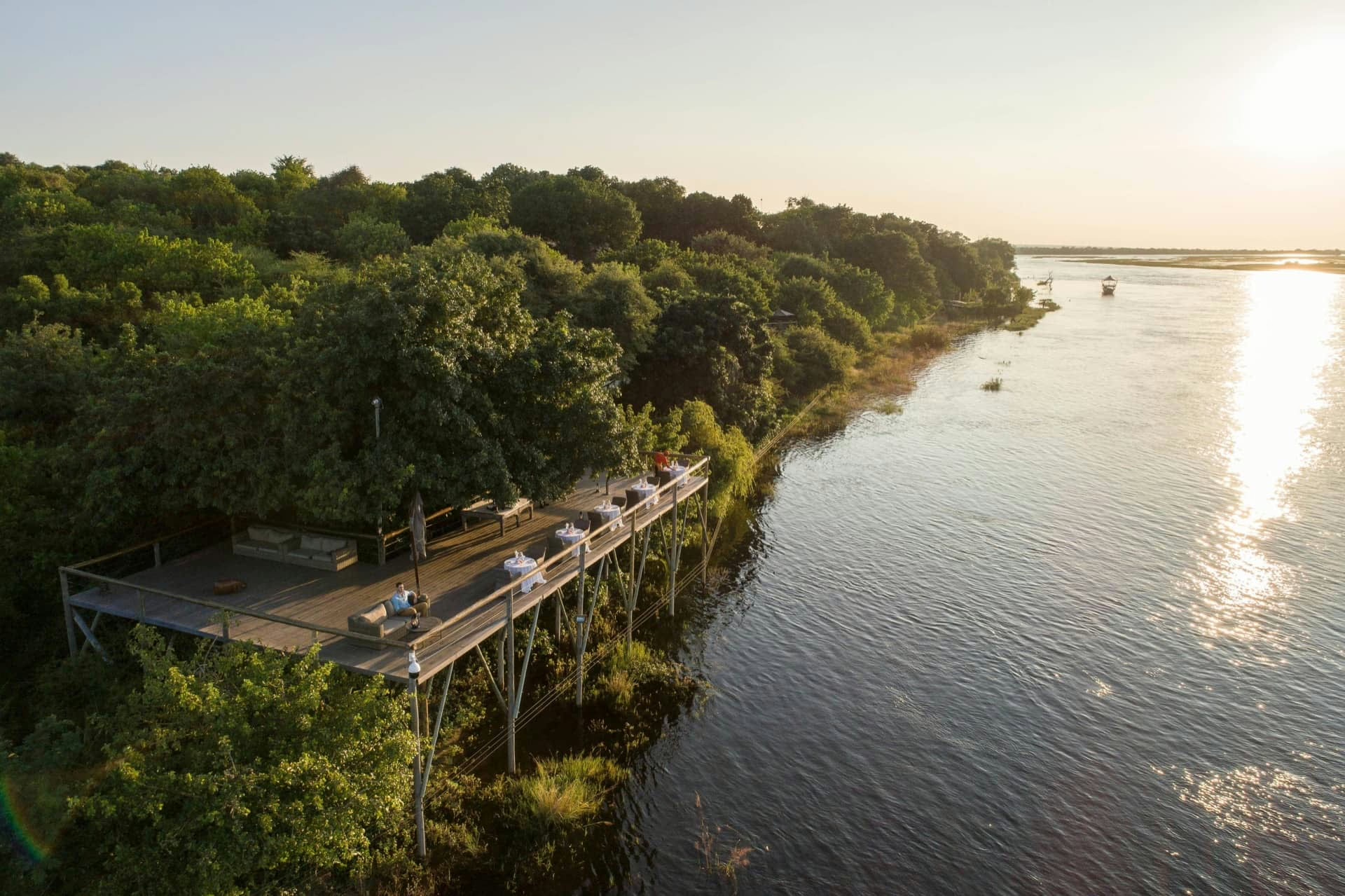
This classic style mobile safari concentrates on these regions and maximises its potential by offering a diverse range of activities including both day and night drives and mekoro trips, including boat trips on the Chobe River. The safari is on a fully serviced basis providing you great levels of comfort.

Includes

  • Maximum 7 guests
  • Maximum 7 guests
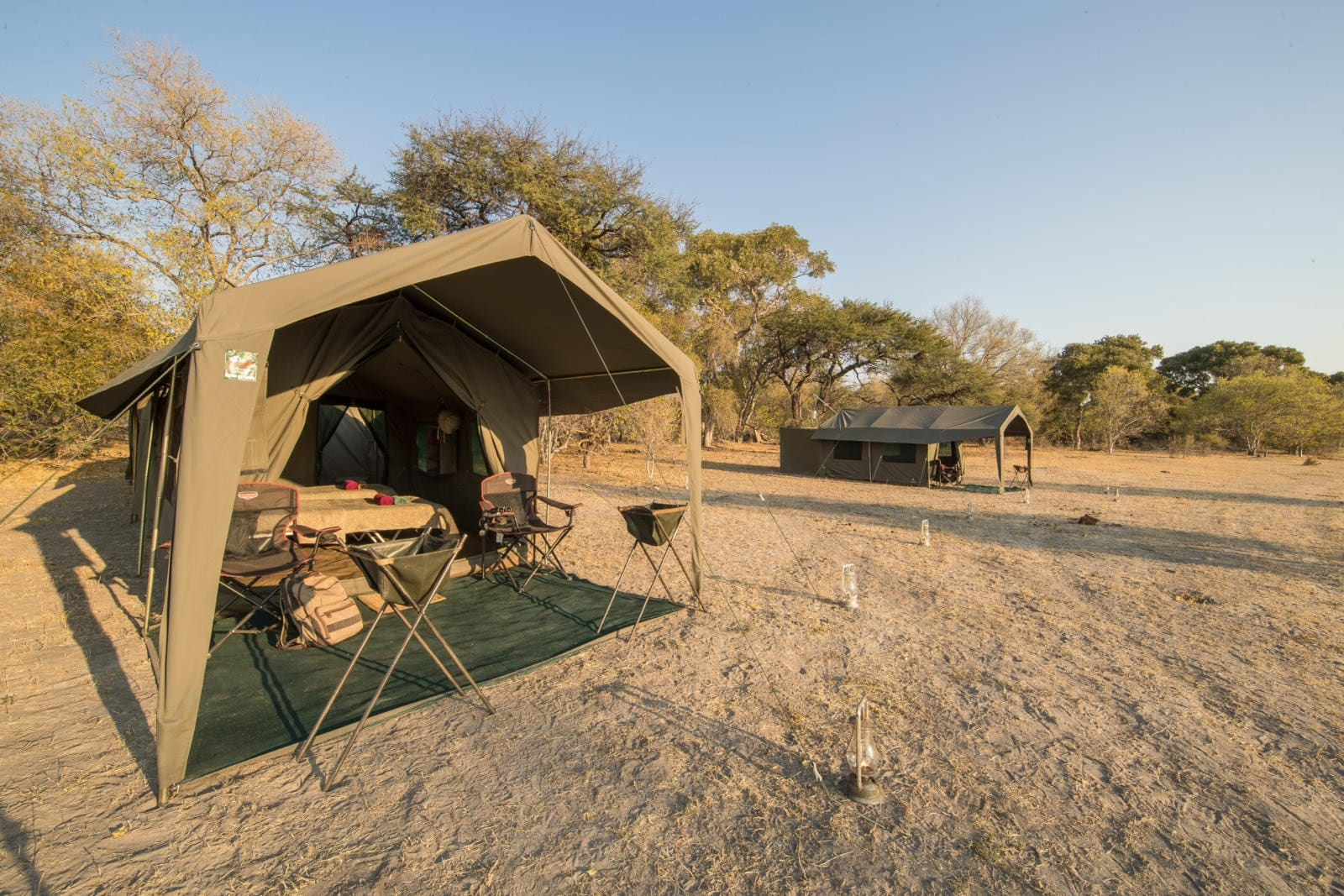
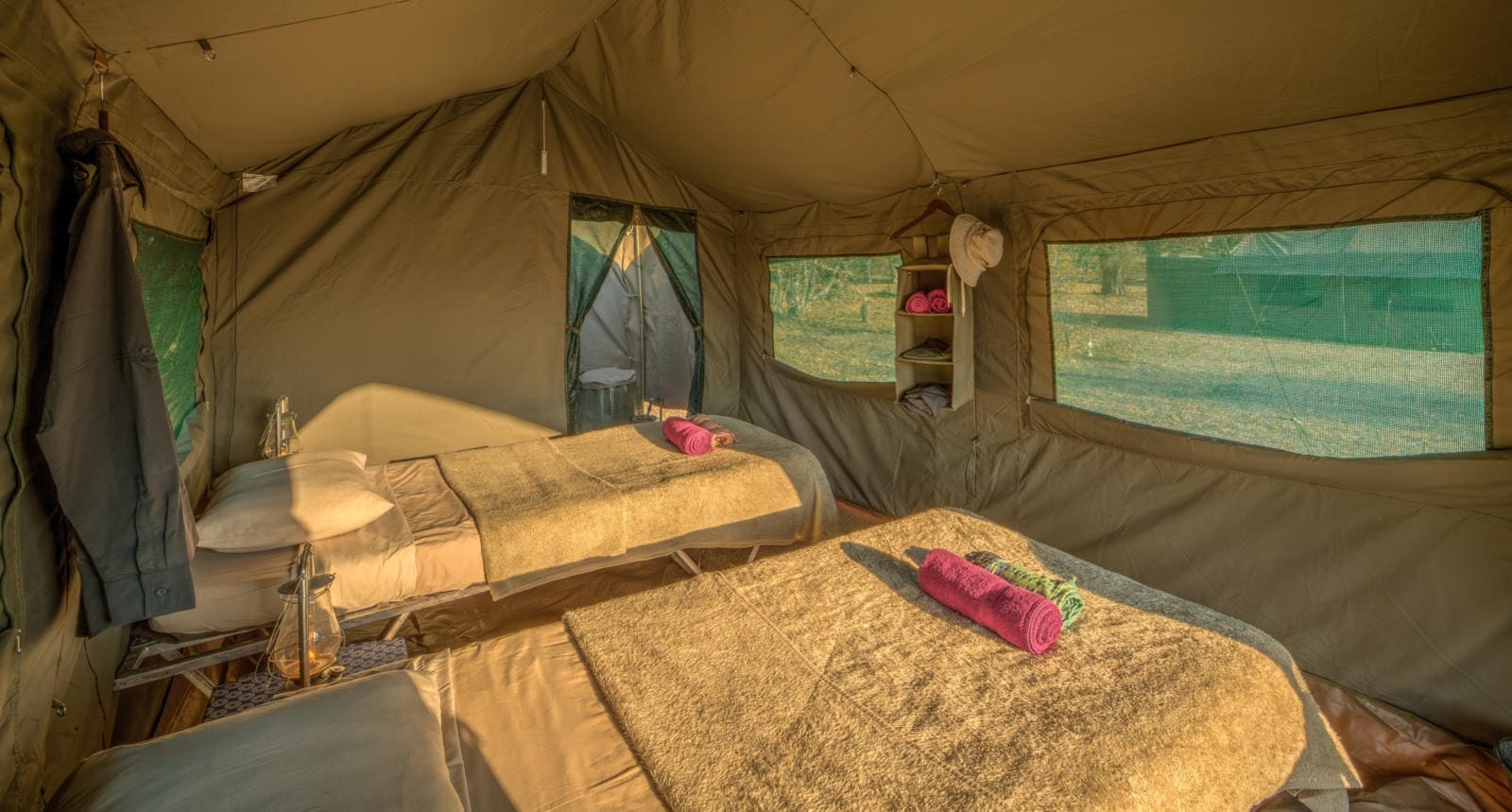
  • Large walk in tents with private en-suite bathroom
  • Professional guide, chef and camp hands
  • Private campsites
  • All park fees and levies and all activities
  • All meals and drinks

Excludes

  • Gratuities and items of a personal nature
  • International flights
  • Travel insurance or visas
  • Anything not listed under inclusions

Regions visited on this tour

What is the accommodation like?

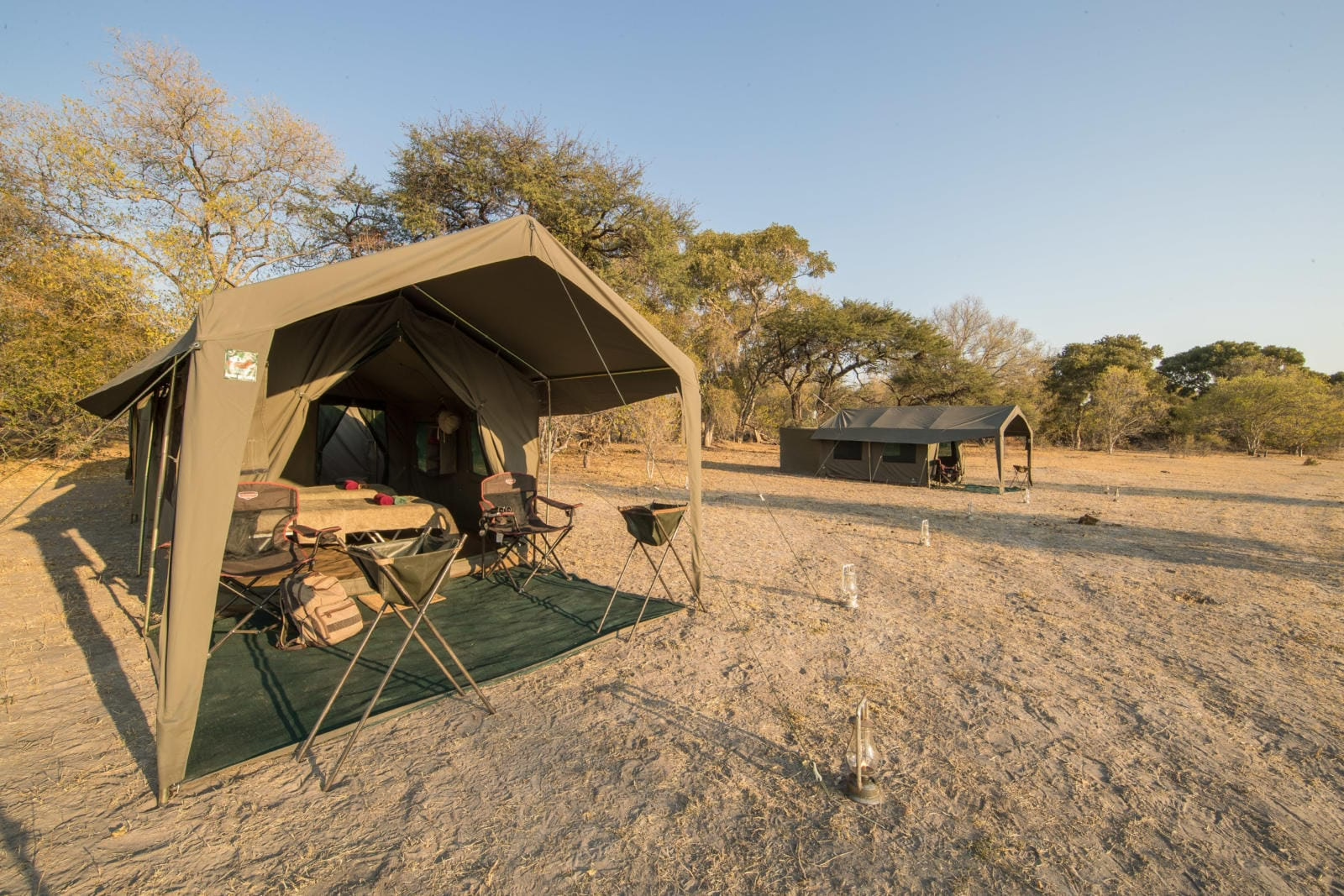
The accommodation consists of classic Sahara-style tents measuring 4 x 3 meters, each with an impressive high roof that creates a genuine sense of space. At the back, a 2 x 3-meter en-suite bathroom provides privacy, while out front, a 2 x 3-meter covered veranda offers a shaded spot to relax between activities.

Inside, guests sleep on sturdy base camp beds fitted with comfortable mattresses and proper bedding—sheets, duvets, and pillows all provided. The bathroom setup is authentically rustic: a long-drop toilet and bucket shower positioned at the rear of the tent. Showers can be requested hot, warm, or cold, with water heated over the fire in traditional safari fashion. While guests can shower whenever they like, guides may need to restrict water use during Kalahari trips depending on availability. Hand and bath towels are supplied, though guests should pack their own toiletries and personal items.

Lighting comes from paraffin lamps placed on the veranda and in the bathroom, plus a rechargeable LED camp light inside the sleeping area. Small tables in both the sleeping and bathroom areas provide convenient surfaces for personal belongings. Despite these camp lights and additional lamps positioned around for navigation, a personal headlamp proves essential. It's genuinely useful for reading in your tent at night or catching up on journal entries while listening to the sounds of the wilderness outside. The camp's advice here is worth heeding: invest in a decent headlamp rather than relying on cheap promotional ones. The difference in quality becomes apparent quickly, and if traveling as a couple, each person should bring their own.
What happens on a normal safari day?

  • The day starts early because that’s when the animals are out. You’ll have coffee and a bite to eat around the fire before dawn, then head straight out for a game drive, walk, or boat trip depending on where you’re staying.
  • After a few hours tracking wildlife, your guide will pull over somewhere scenic for tea and biscuits. You’ll be back at camp by mid-morning with time to wash up at your basin before brunch—usually fresh bread, something warm from the kitchen, and cold salads.
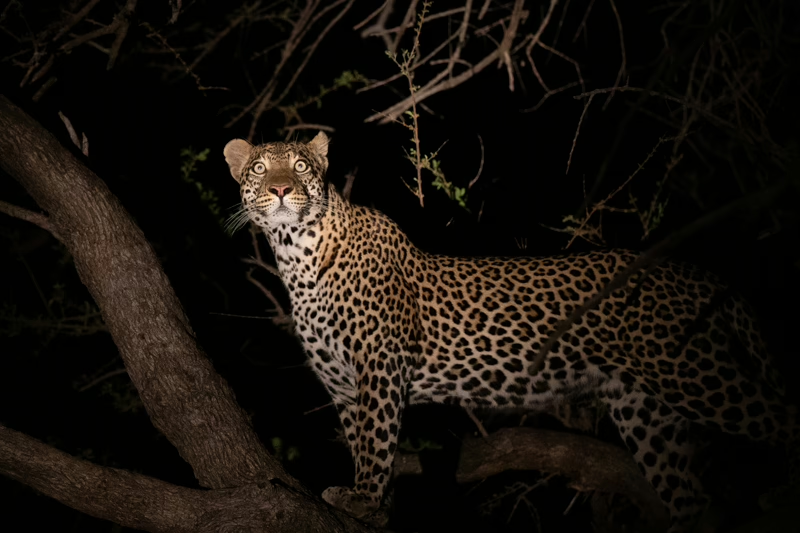
  • The middle of the day is yours to sleep, read, take a proper shower, or just sit and absorb what you saw that morning. Late afternoon you’ll head out again for another drive or boat outing. In private areas outside the national parks, these can run past sunset with a spotlight to pick up leopards, genets, and other nocturnal animals that don’t show themselves during the day.
  • That’s the general rhythm, though your guide will adjust things based on what’s actually happening—where the elephants are moving, if there’s been a recent kill, weather changes, that sort of thing. No two days run exactly the same.

What happens when you move to another location?

  • Moving days start earlier than usual. You’ll pack up after a quick coffee, then drive to a scenic spot for a proper breakfast—maybe overlooking a floodplain or dried riverbed. From there, it’s game viewing while traveling toward your next camp, with stops for tea and biscuits along the way.
  • Lunch happens under whatever big trees your guide finds, usually acacia or sausage trees with decent shade. By that point you’re close enough to the new camp that the crew has already driven ahead and set everything up. You’ll arrive to find your tent standing exactly as it was that morning, just in a completely different landscape.
  • There’s time for a shower and afternoon tea before heading out to explore the new area—different waterholes, different vegetation, often completely different animals than what you were seeing the day before.
  • The timing on these travel days shifts around depending on distance, road conditions, and what wildlife shows up along the route. If there’s a pride of lions on a kill or a big elephant herd blocking the track, you might spend an extra hour there and compress something else. Your guide will read the situation and adjust accordingly. The drive times given are just the actual driving—they don’t account for the inevitable stops when something interesting crosses your path.

Daily Itinerary

Arrival

Your safari will start in Kalahari Tours in Kasane at 09h00.
For guests who are transferring across from either Livingstone or Victoria Falls Town, your transfer should be organized to arrive at Kalahari Tours Offices by 08h45 in time for the boat cruise.

Day 1 - 3

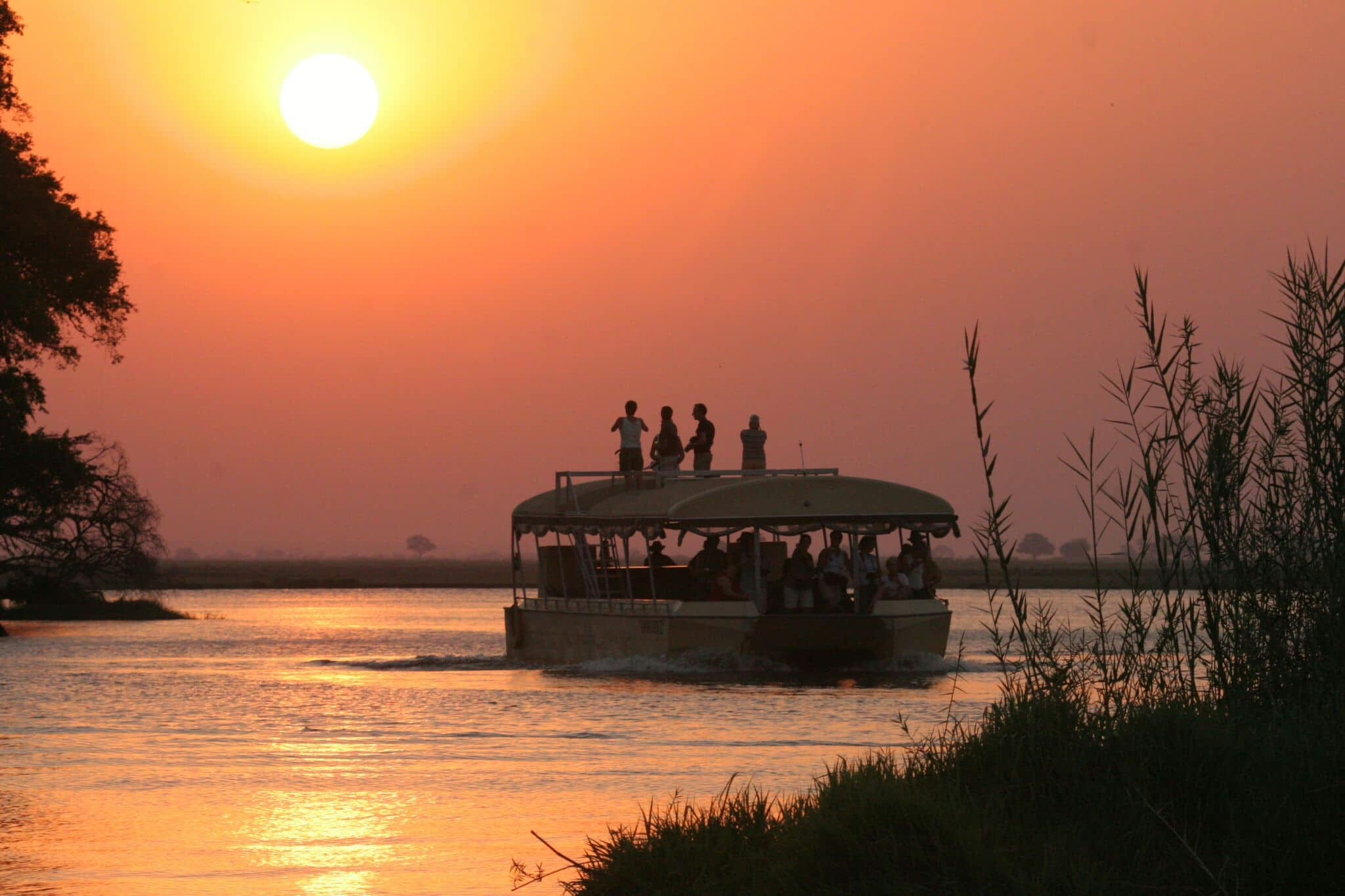
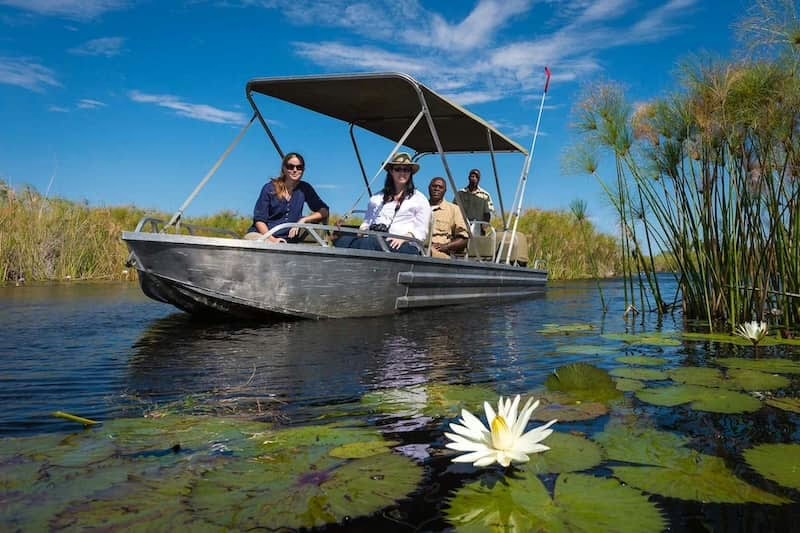
Enjoy a morning boat cruise along the Chobe River before your guide drives you through Chobe National Park to your camp site in Central Chobe.

Habitat: The habitat on today’s drive takes us from the Chobe River through the wonderful Zambezi teak woodlands of the Chobe Forest Reserve, across the sand-ridge and into the stunted mopane scrub of the Goha clay basin.

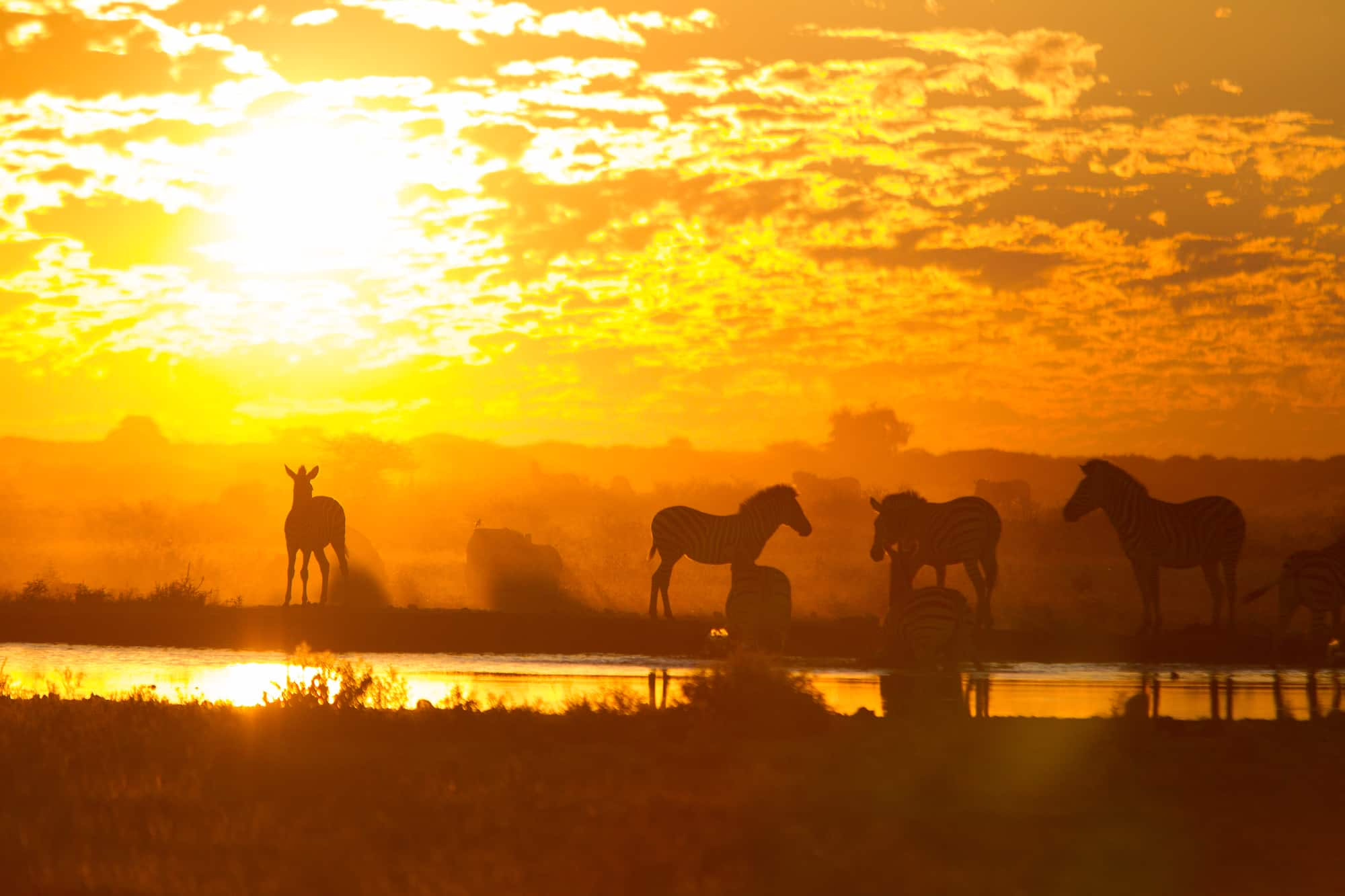
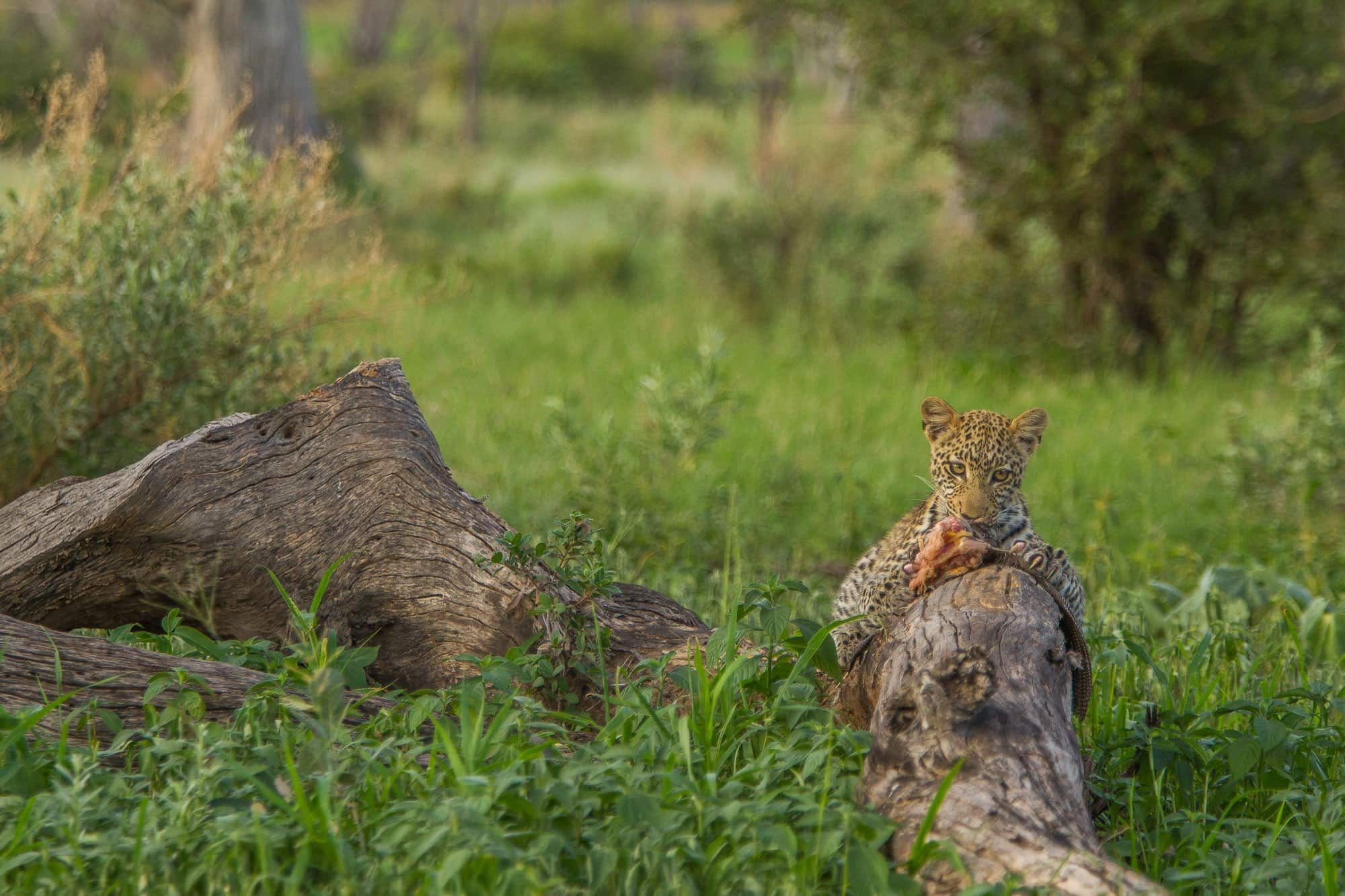
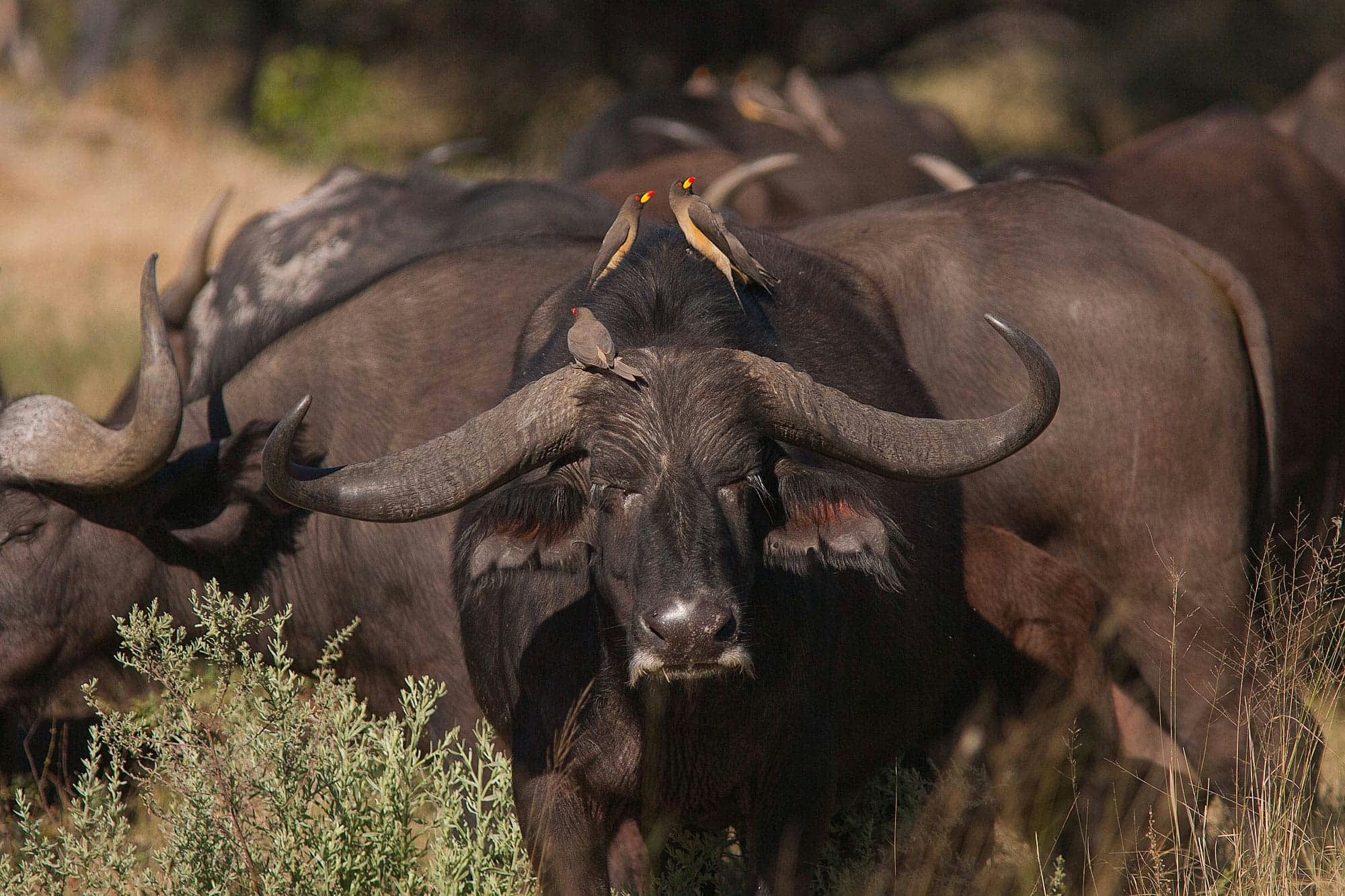
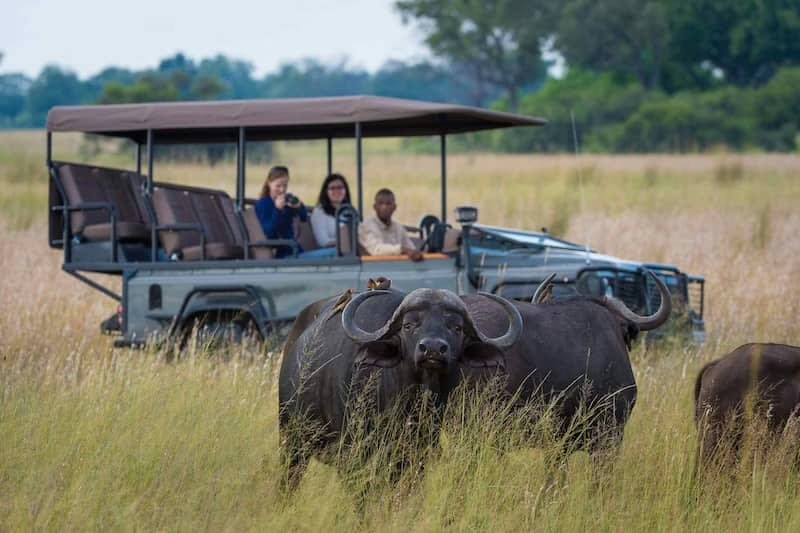
Wildlife: While there are community areas that we pass through that are settled by local tribes, for the vast majority of the day’s drive we pass through wild country where wildlife moves un-inhibited by fences or man. Roan and sable antelope thrive in the teak woodlands where the low density of predators and lack of competition for food by other ungulates makes this prime habitat for these large ungulates. Leopard occur in these woodlands in low numbers but they are highly secretive and seldom seen. The Goha region has natural waterholes that hold water well into the dry season and herds of buffalo, Burchell’s zebra, greater kudu and elephant come down to drink.

Accommodation: Tented Camp
Activities: Game Drives, Boating on Chobe, Bushman paintings

Day 4 - 6

Khwai - Mababe:

Leaving the parched landscape, we continue our journey south to the Mababe Private Reserve area.

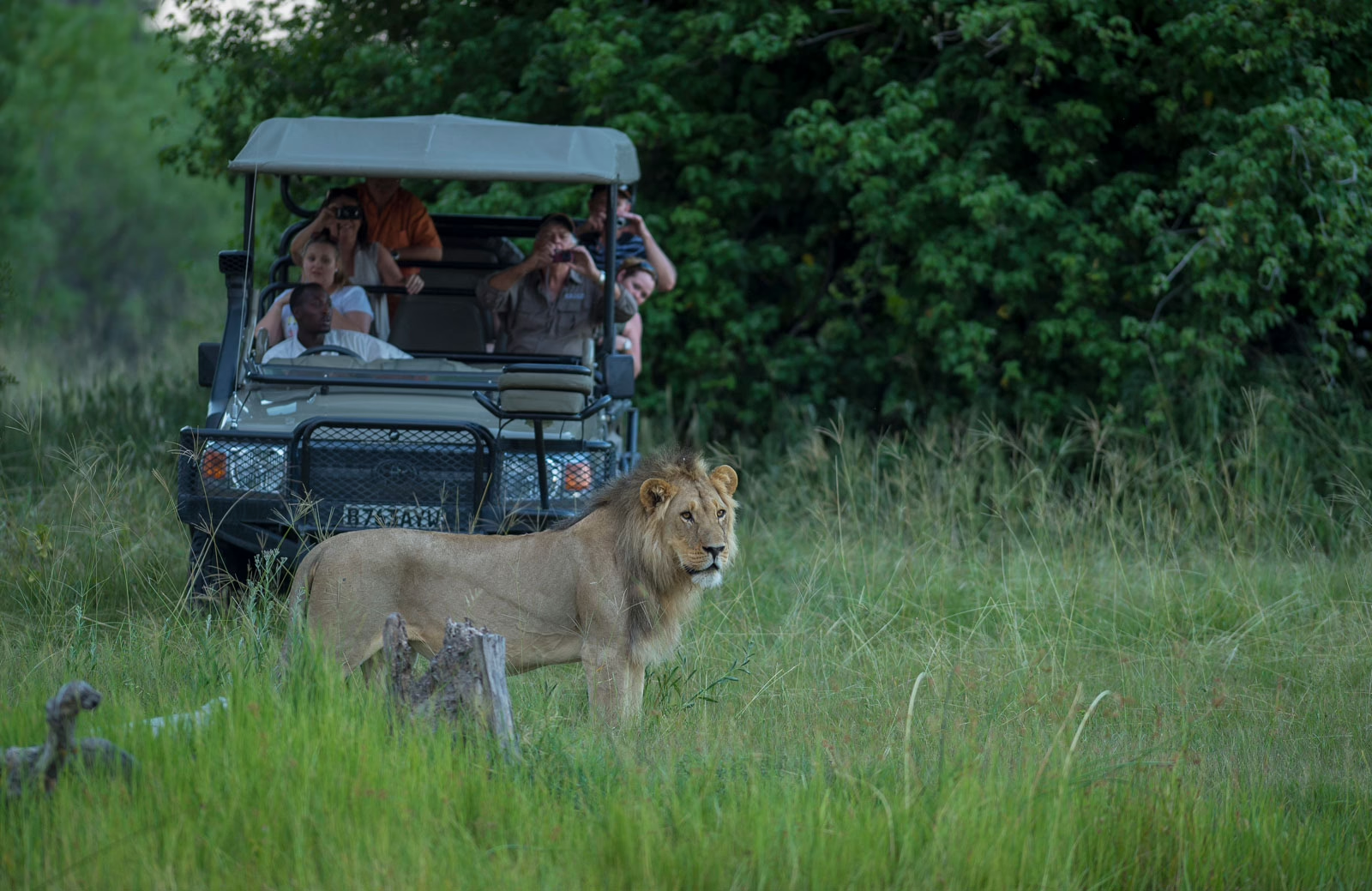
The Khwai River meanders through the concession giving ample riverside routes to explore. We spend the following two nights camping at an exclusive campsite in the Mababe concession that has a strict max of 20 vehicles for the whole concession at any given time, exploring the riverbanks, Kalahari shrub to the east, cathedral mopane to the south on game drives both during the day and at night. Exploring after dark with spotlights offers you an opportunity to experience some of the nocturnal animals that are rarely encountered during the day.

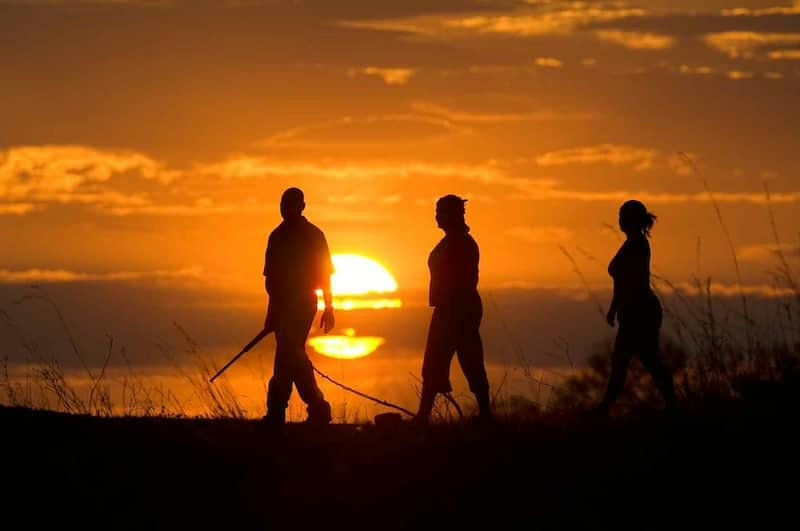
We will also have the opportunity to explore the surrounding wilderness on foot to enjoy an up close and personal encounter with Botswana’s flora and fauna. It is important to note that night drives and guided walks are not permitted within the national parks and reserves. These activities are conducted outside the boundaries of the Moremi Game Reserve in the Mababe Private Reserve
Habitat: We spend our time between the dry-land habitats of the lead-wood and camel-thorn woodlands and savannahs and the riverside banks of the Khwai River, as well as the “mini-CKGR” habitat in the western parts of the concession.

Accommodation: Tented Camp
Activities: Game Drives, Night Drives, Mokoro Trips, Walking Safaris

Day 7 - 9

Moremi:

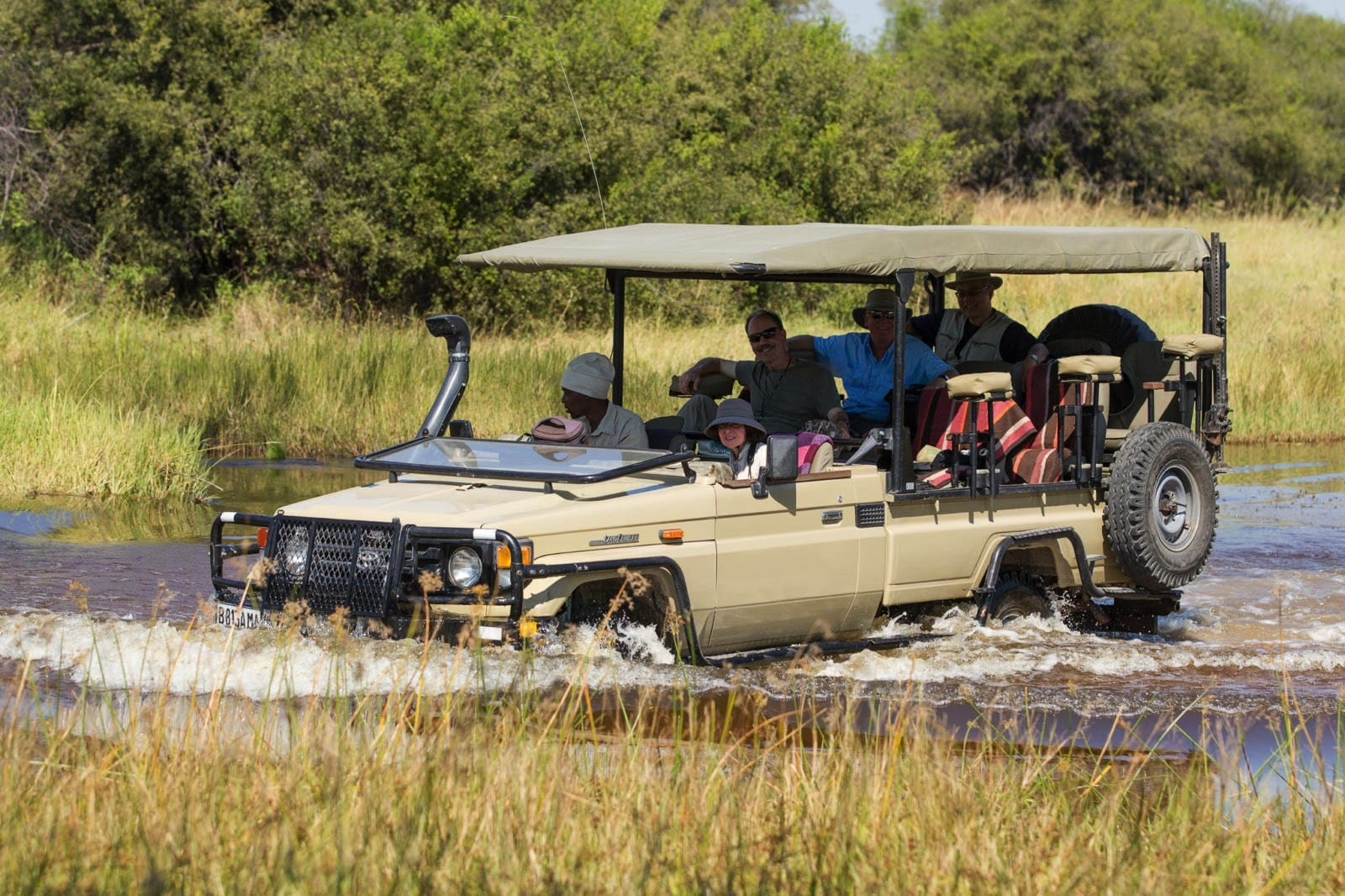
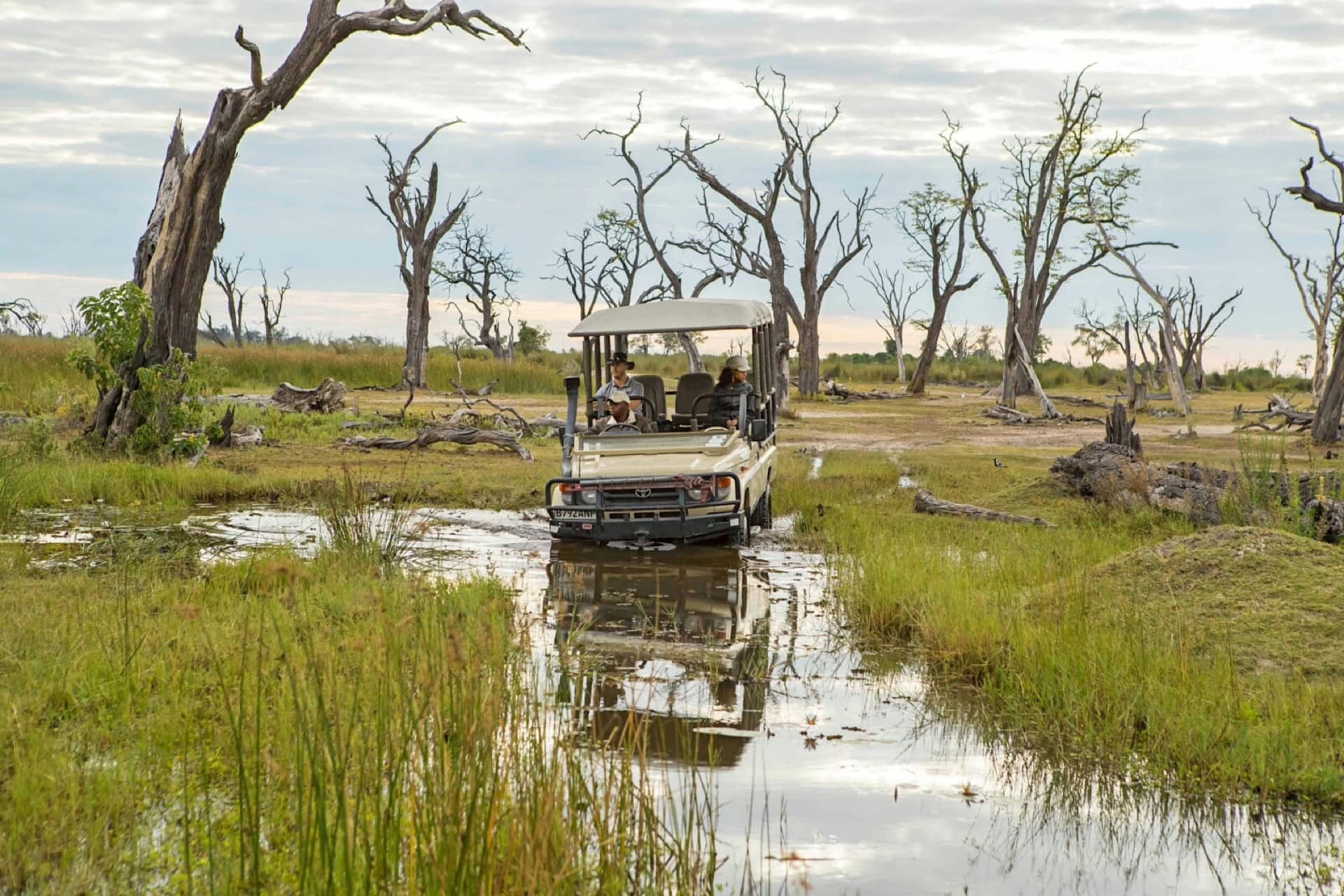
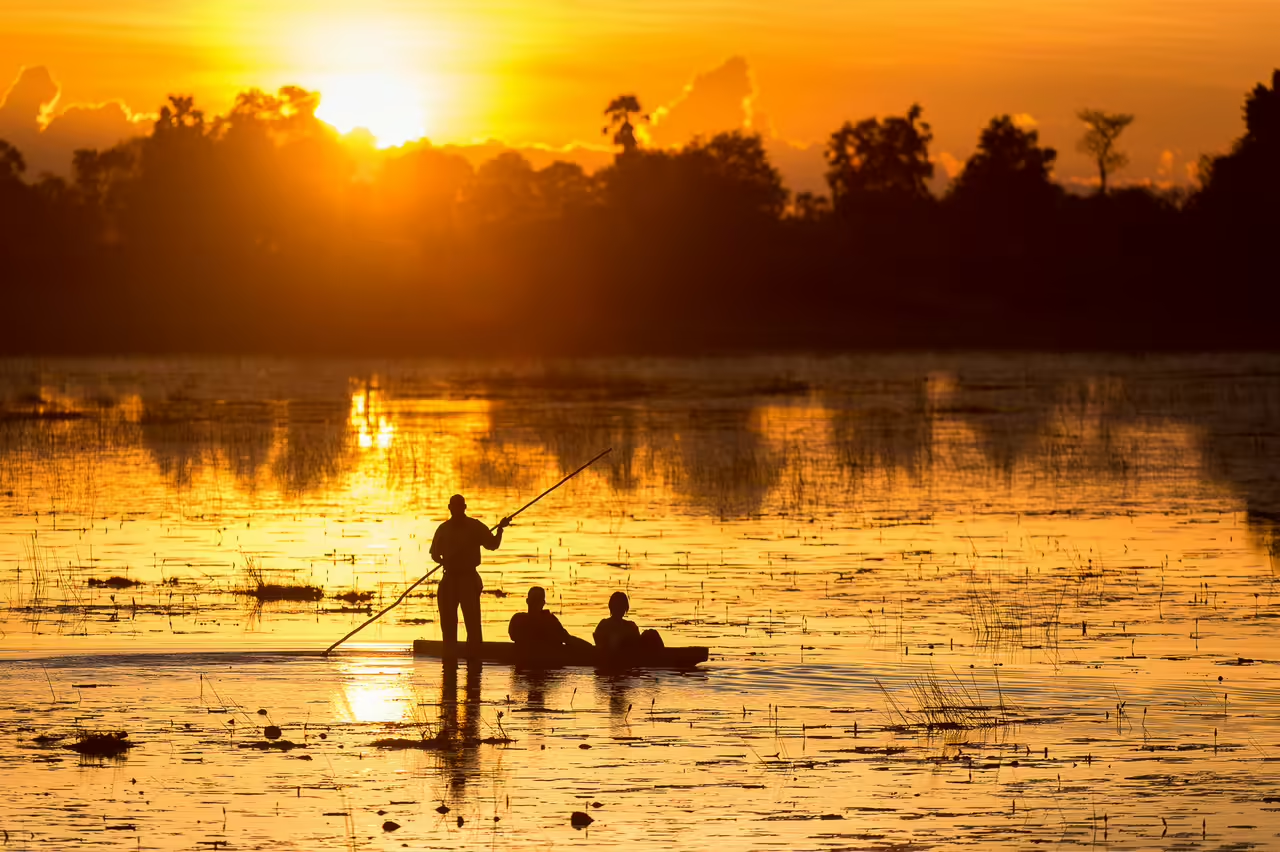
This morning we head towards and through Khwai, stopping to do a mokoro excursion on the slower and safer back waters of the Khwai River and the Mbudi channel. The day’s journey follows this water course, with the track weaving from the riverside and floodplains into the mopane veld and the woodlands before crossing the Khwai River and entering the Moremi Game Reserve.

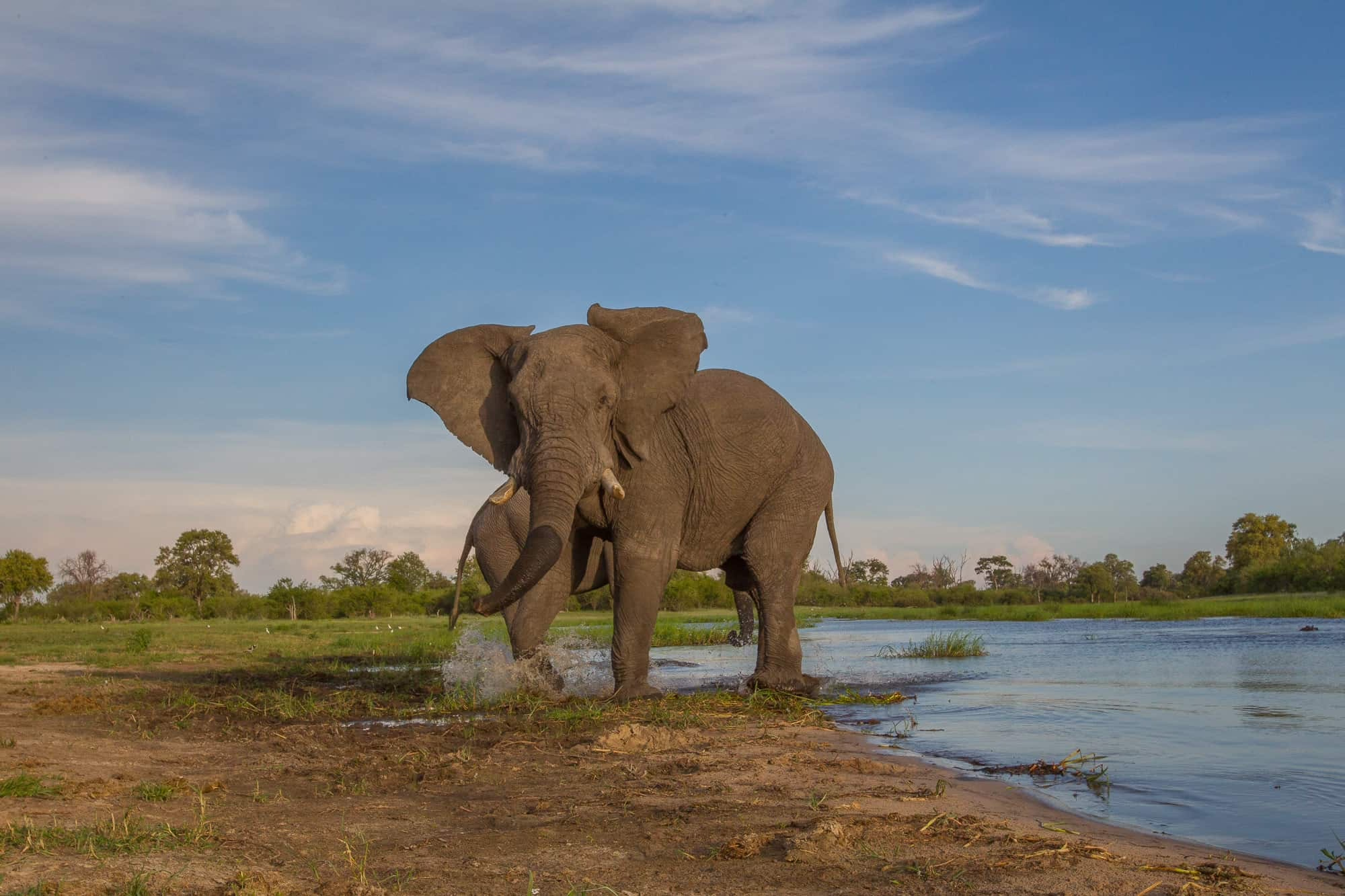
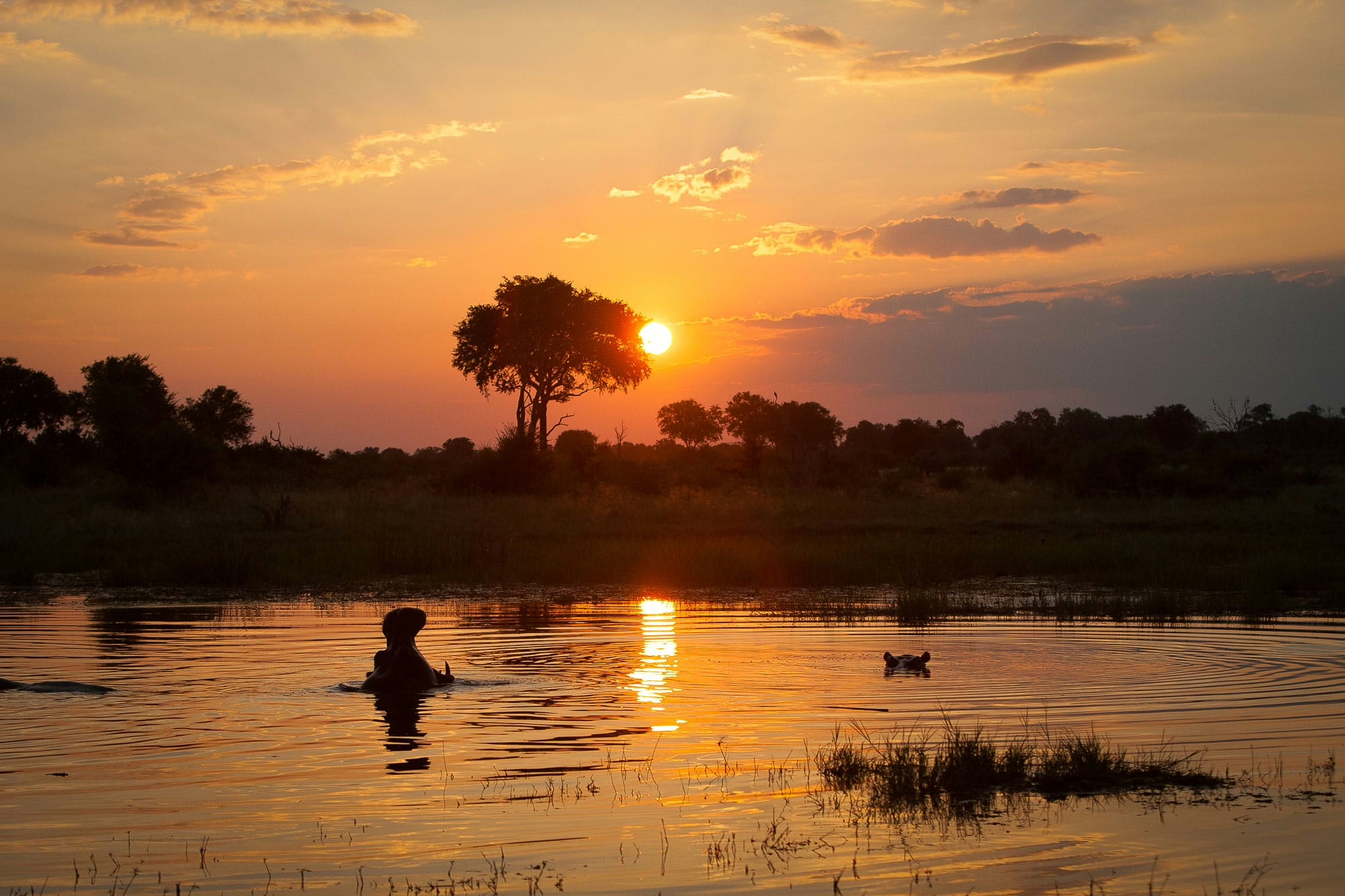
The western mopane veld is home to mostly breeding herds of elephant whilst the eastern reaches of Khwai is home to some impressive old bulls. The mature bulls revel in the cool waters of the Khwai River and are far more approachable while drinking and bathing than the breeding herds. The river has an unusually high density of hippo as well as some huge crocodile. Leopard, cheetah, serval and lion are common predators along this route and both Xakanaxa as well as Mababe are included in the home ranges of different packs of wild dog. General game includes southern giraffe, Burchell’s zebra, tsessebe and red lechwe with roan and sable antelope being less common residents.

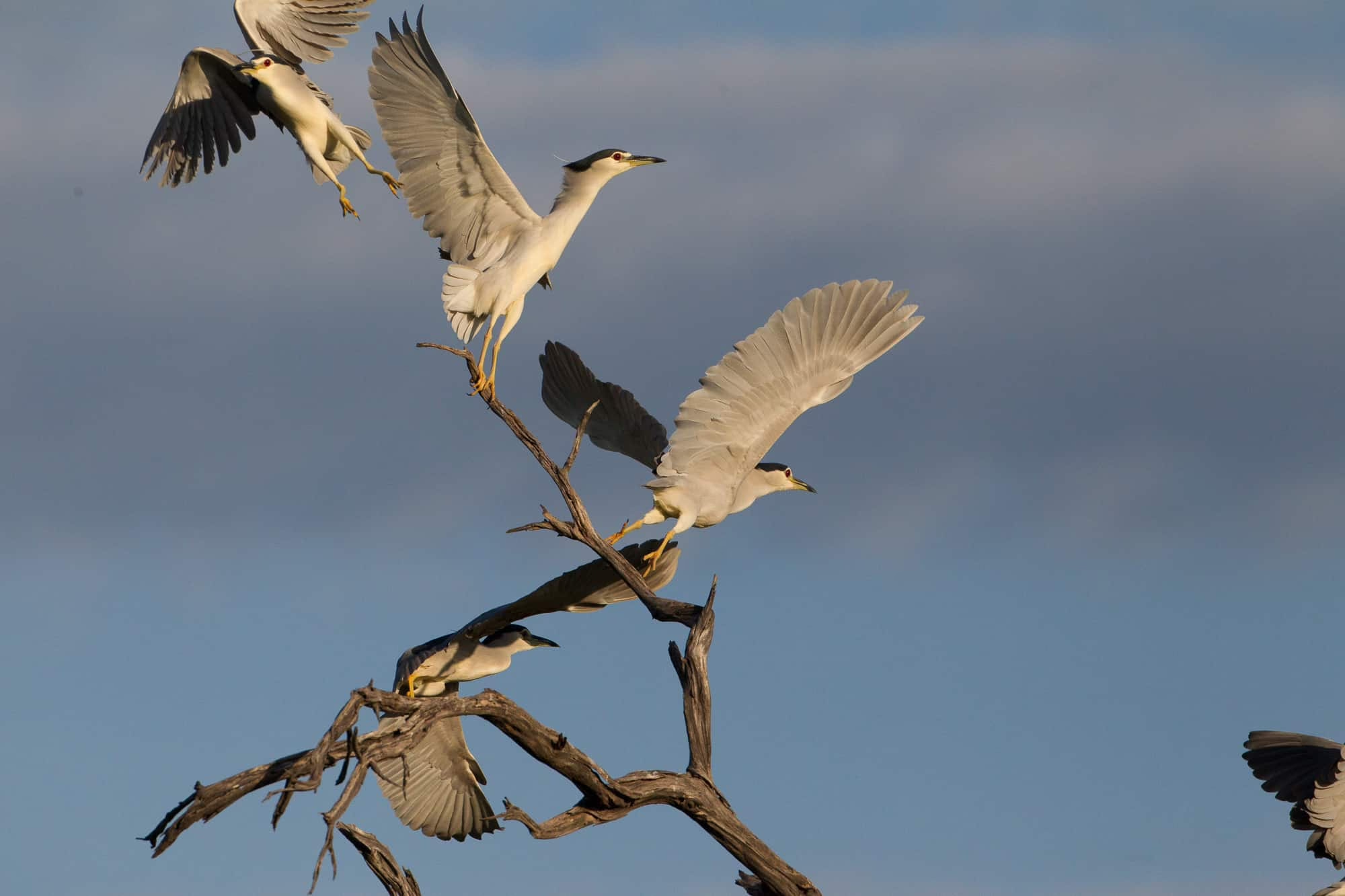
Moremi lies on the eastern extremity of the Okavango Delta. Habitats here range from wide-open floodplains, marshes, lagoons, papyrus fringed channels, vast reed-beds of Miscanthus and Phragmites, woodland and savannah. As a result of the extremely variable habitat the diversity of both wildlife and birdlife is excellent.

Accommodation: Tented Camp
Activities: Game Drives

Day 10

Following breakfast and an early morning game drive, you will be taken to the airstrip for your charter flight back to Maun arriving at approximately 12h00.

Experiences

Game Drives

Night Drives

Walking Safaris

Mokoro

Boating

Rates

Regions visited on this tour...

  • Chobe River area
  • Savuti
  • Khwai – Mababe Private Concession
  • Moremi Game Reserve

from

  • January - March

    $3,895

  • April - May

    $5,595

  • June - October

    $6,395

  • November

    $5,595

  • December

    $3,895

Please do remember to contact us to see if we can reduce this price for you as there may well be some specials on!

Prices are per person per night… contact us for single traveller prices.

Chat to us about this Mobile Safari..!

Contact Us
Start Your AdventureBook Now