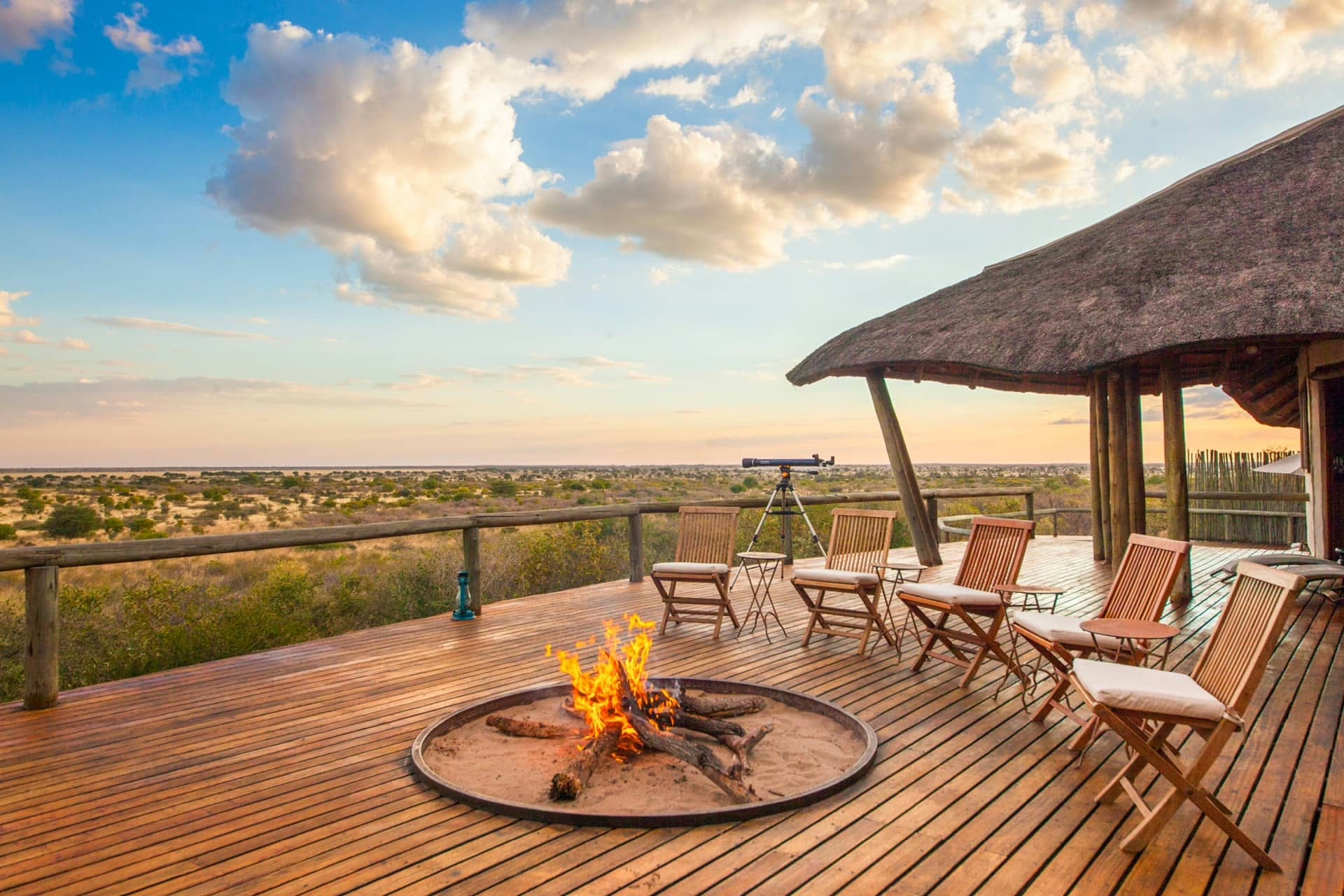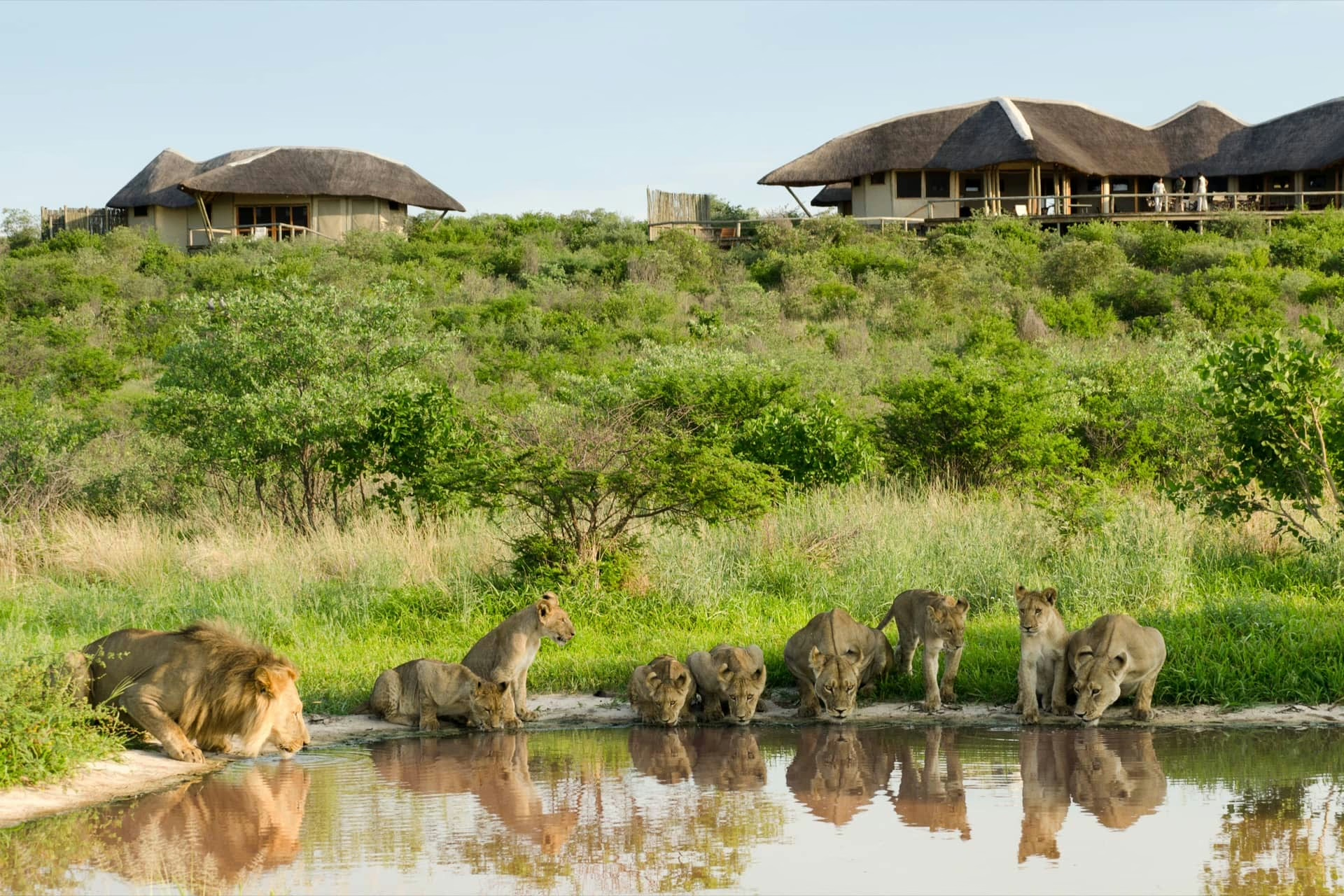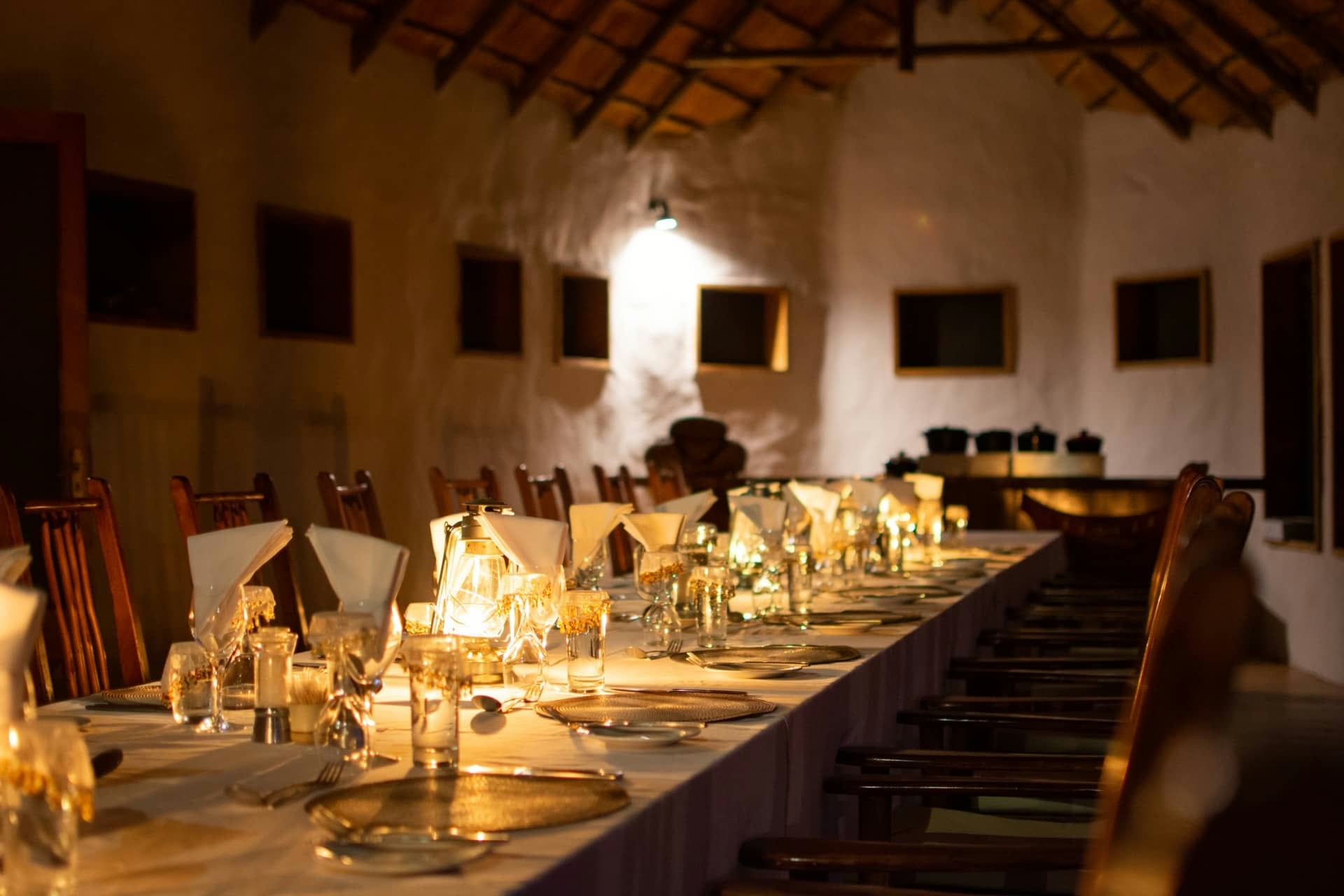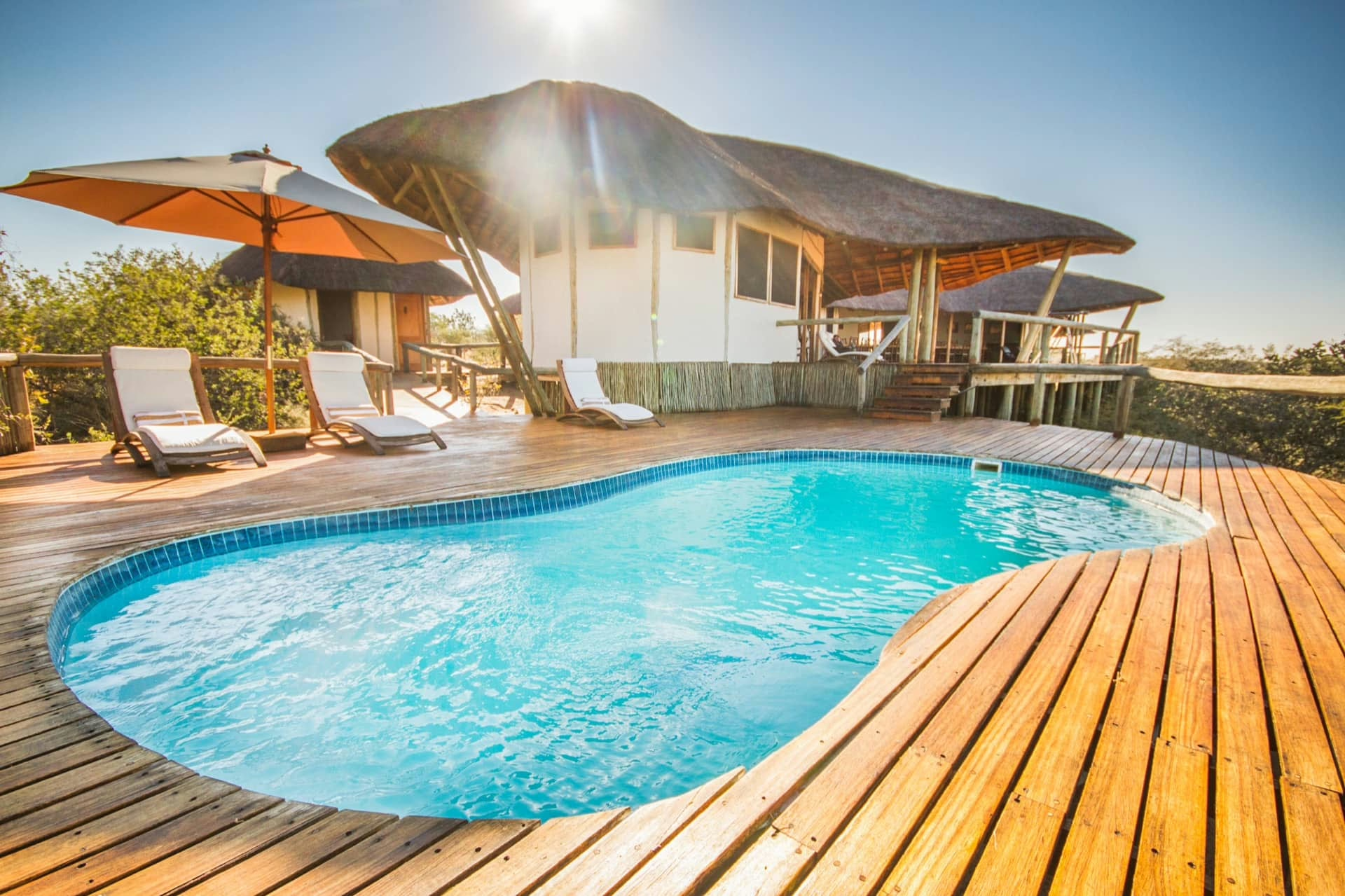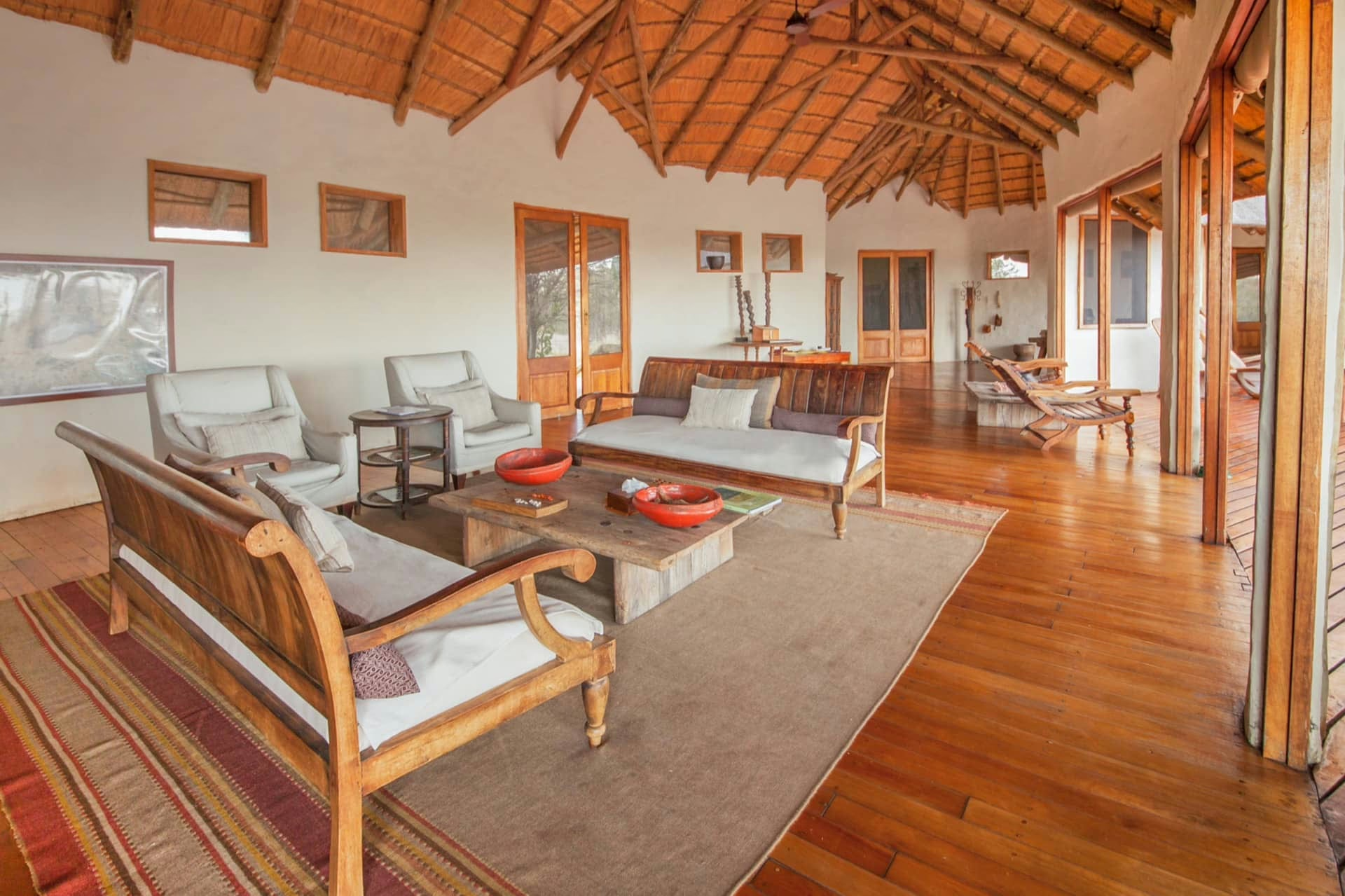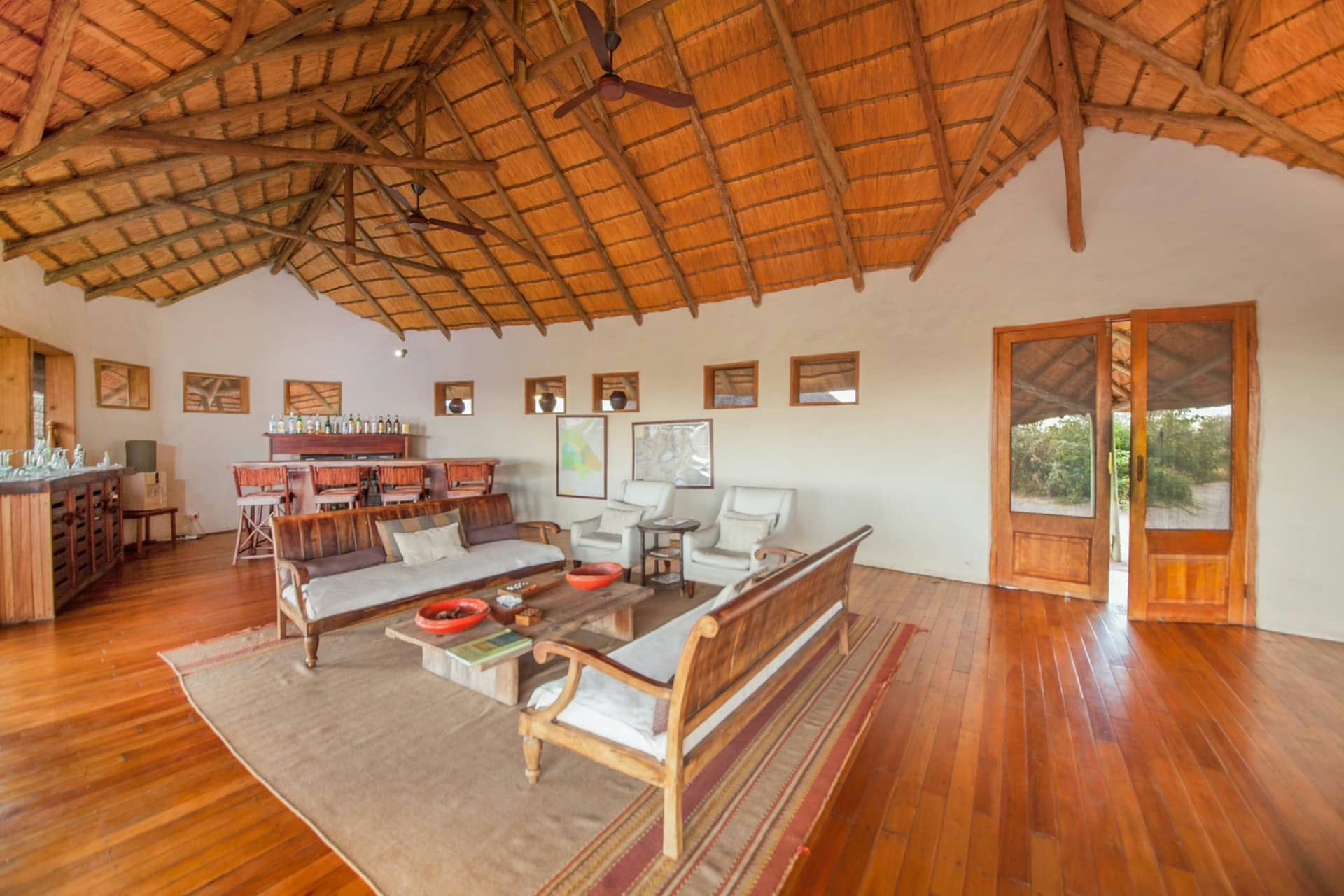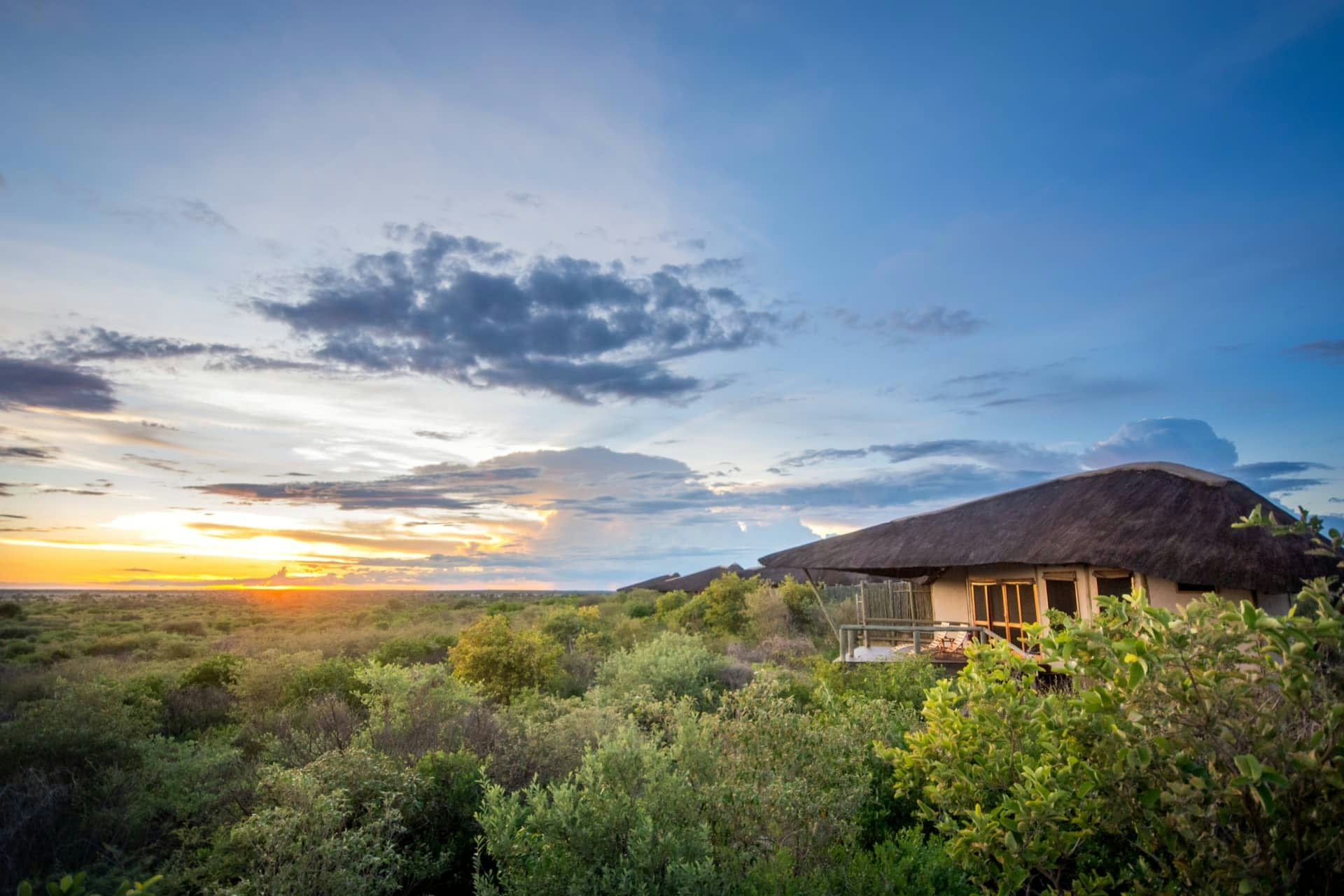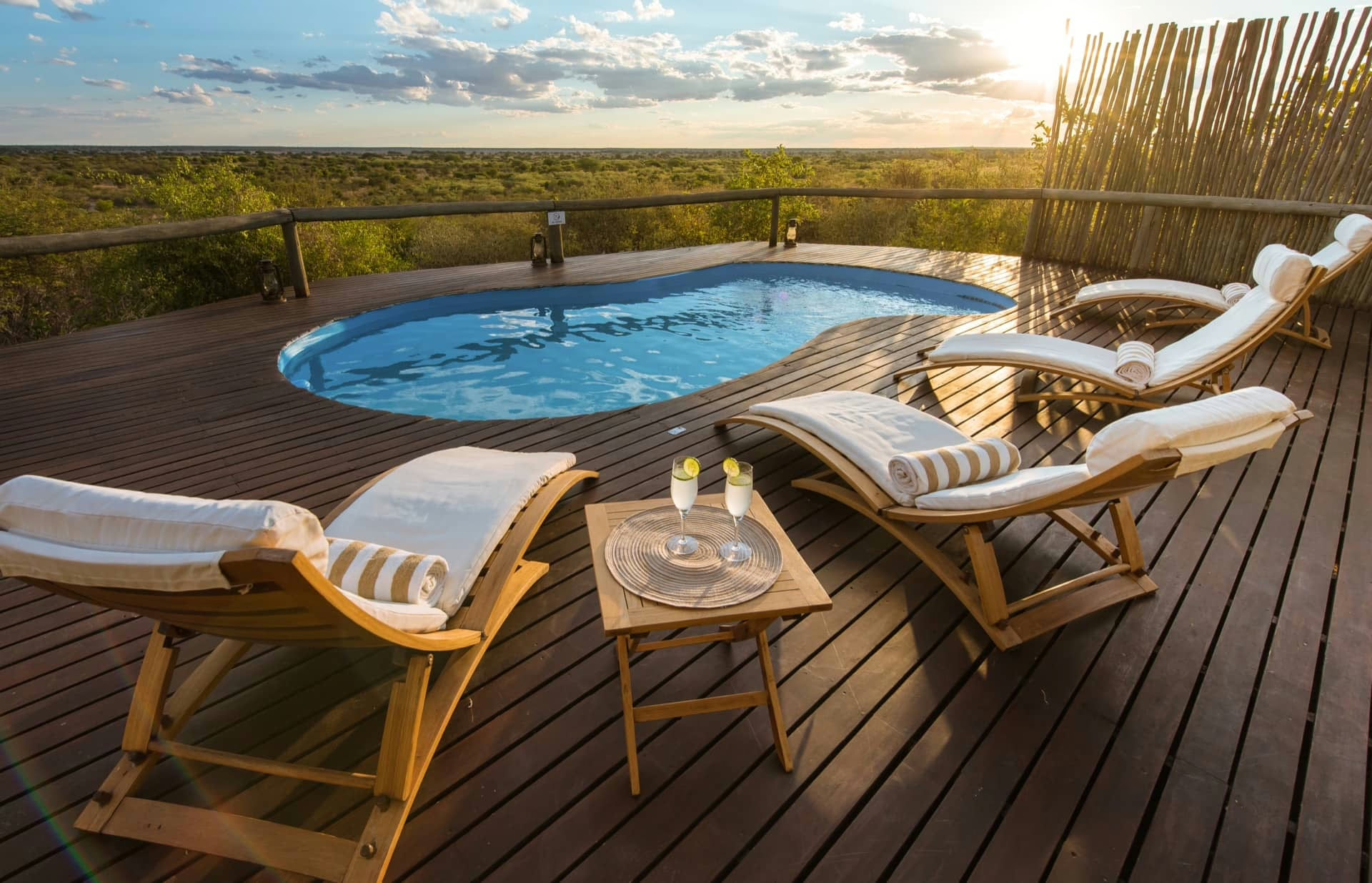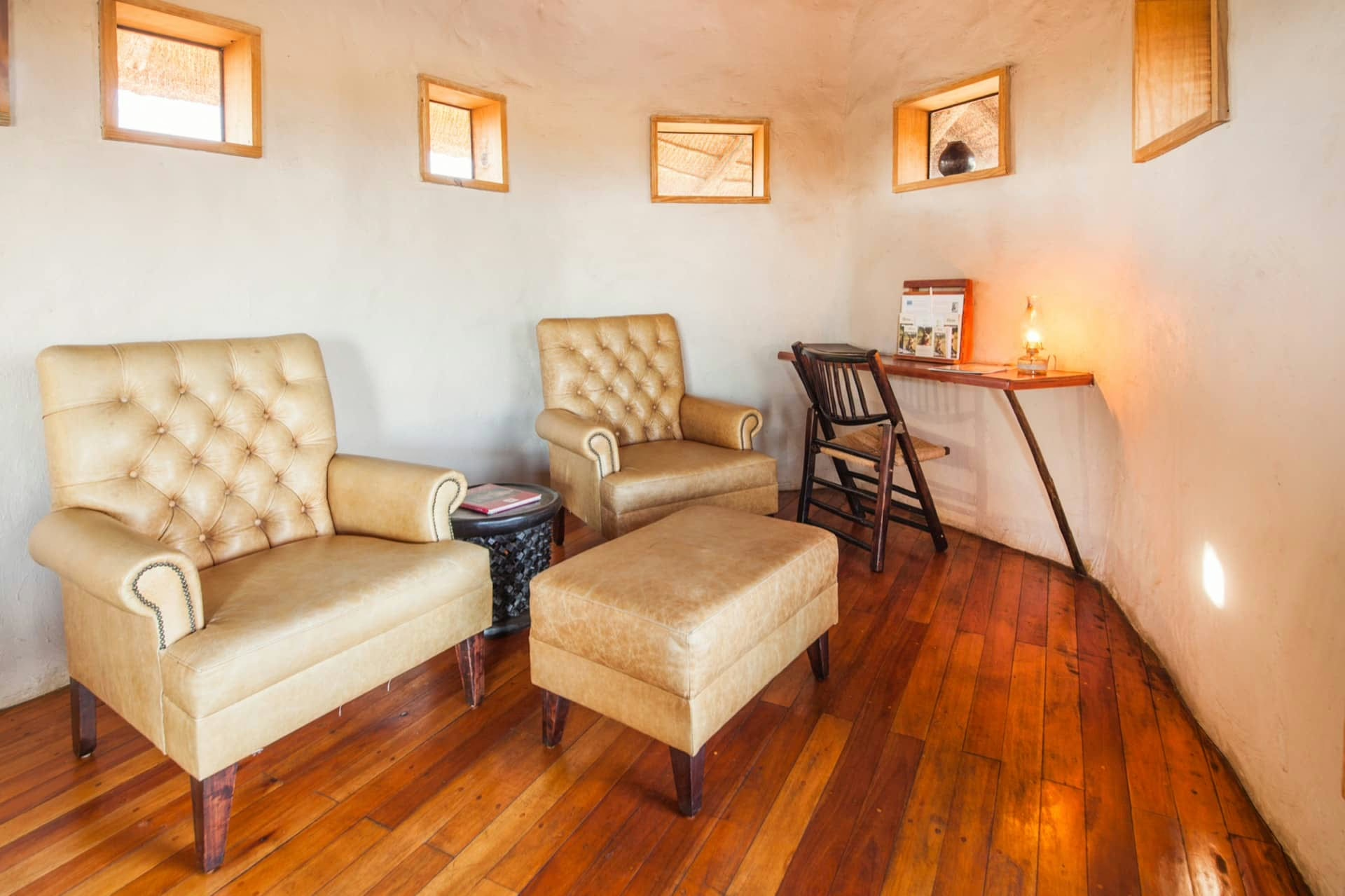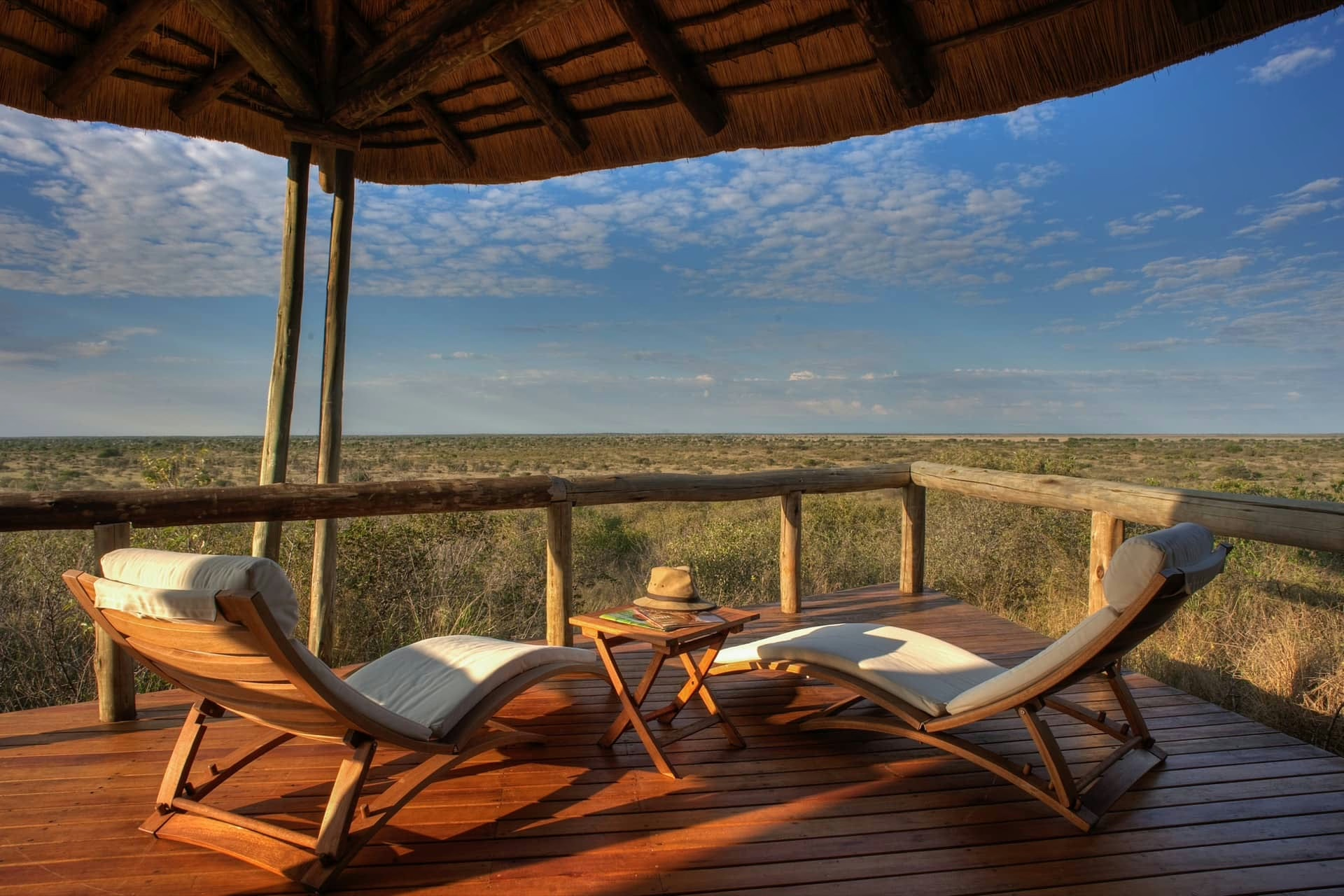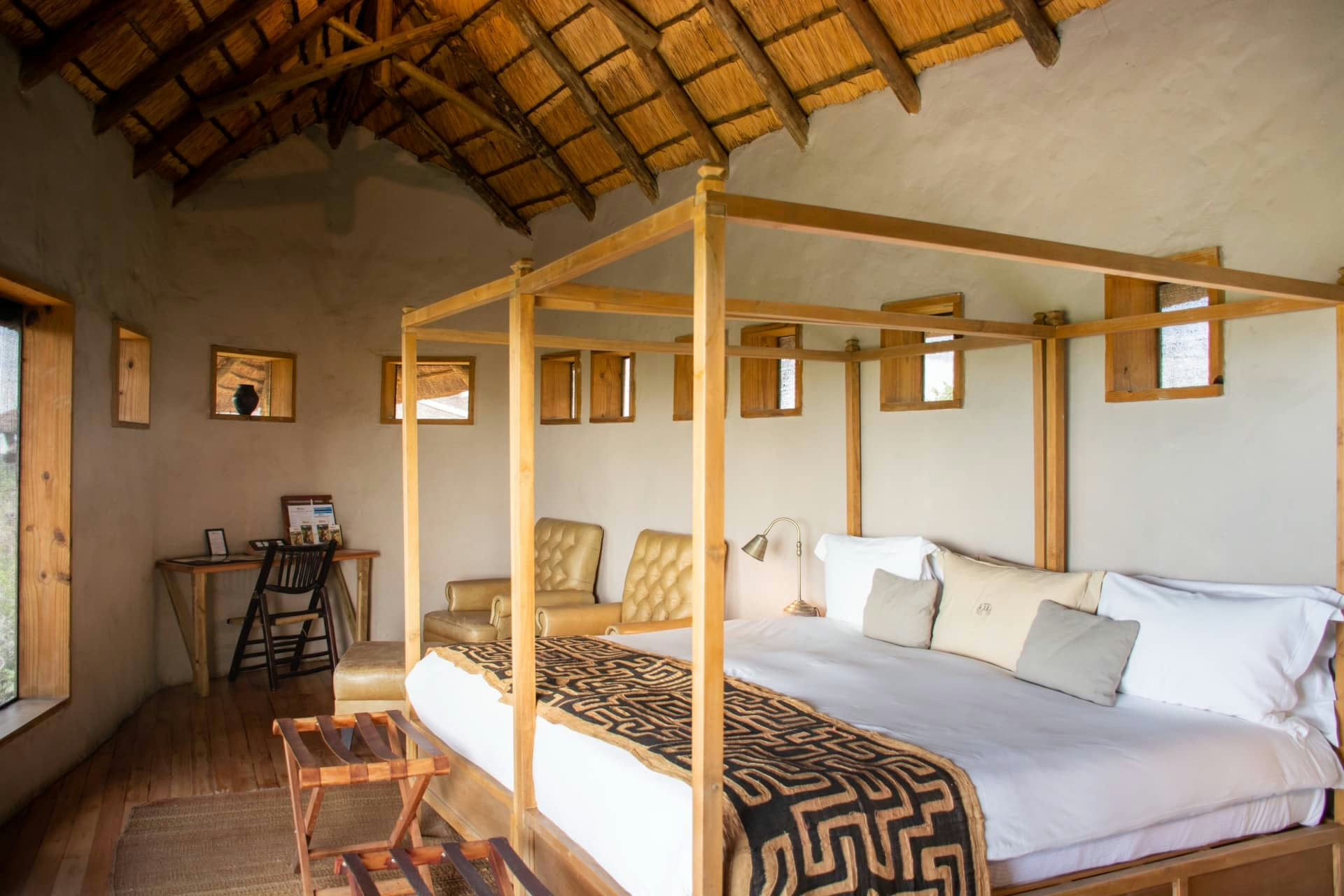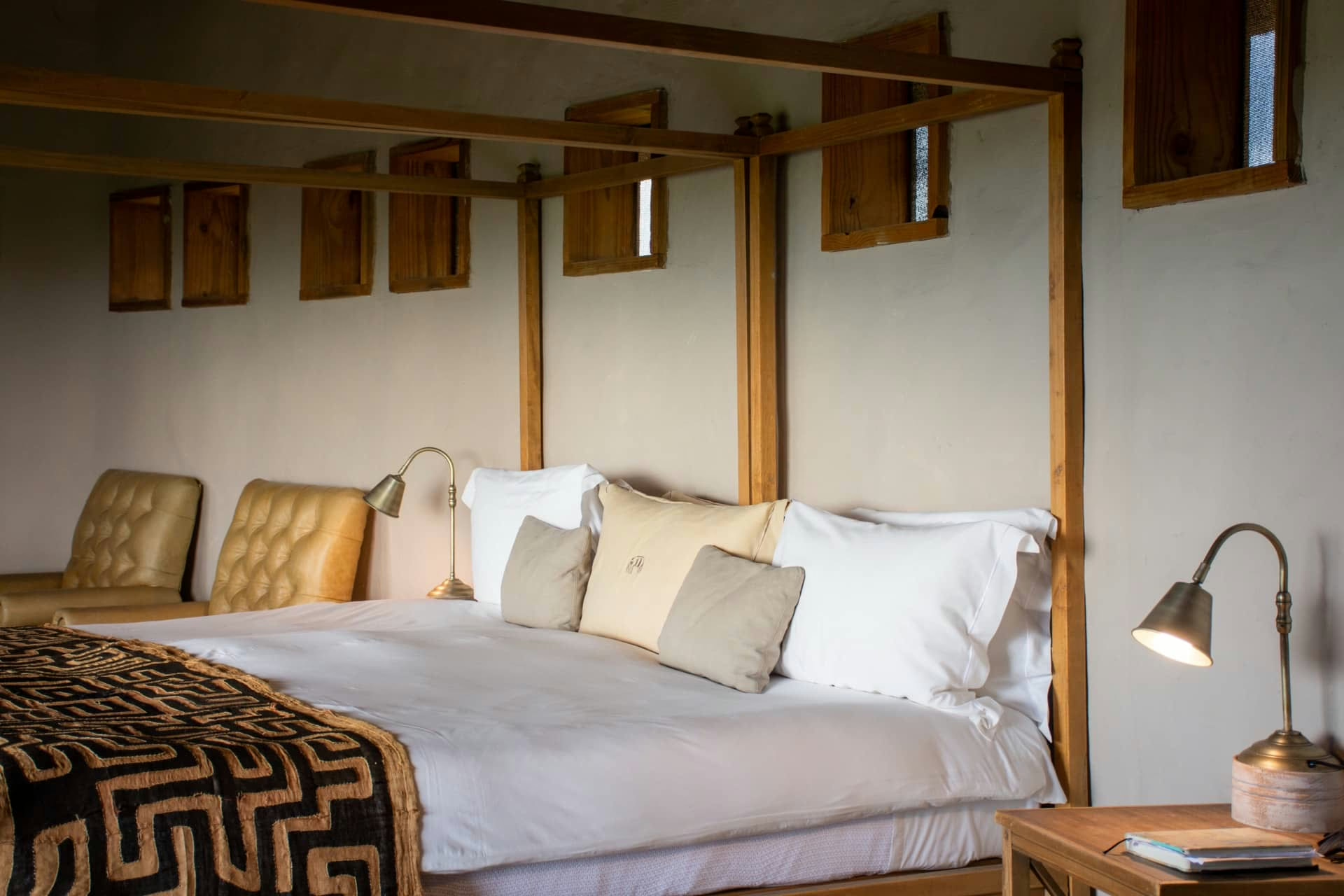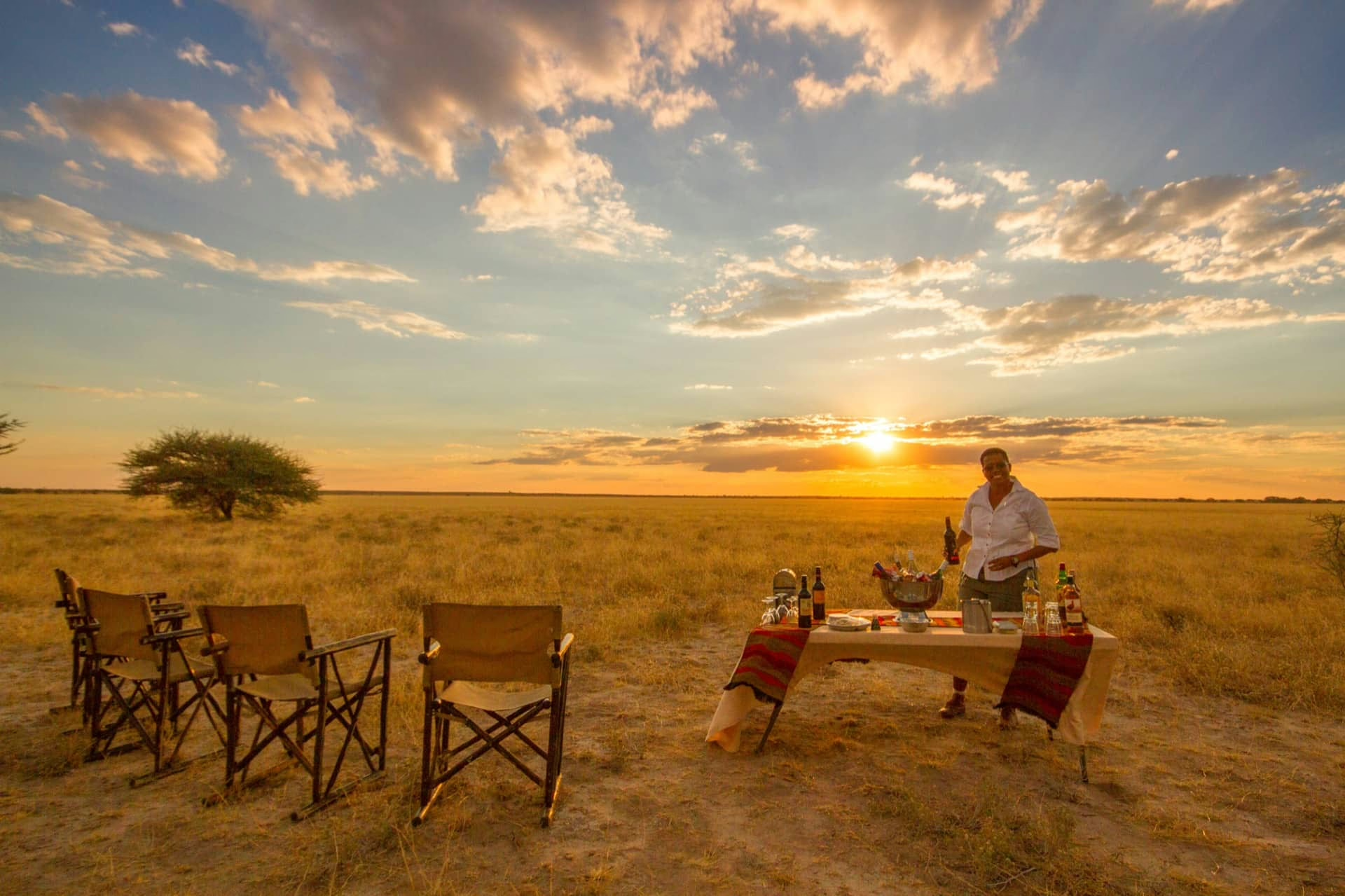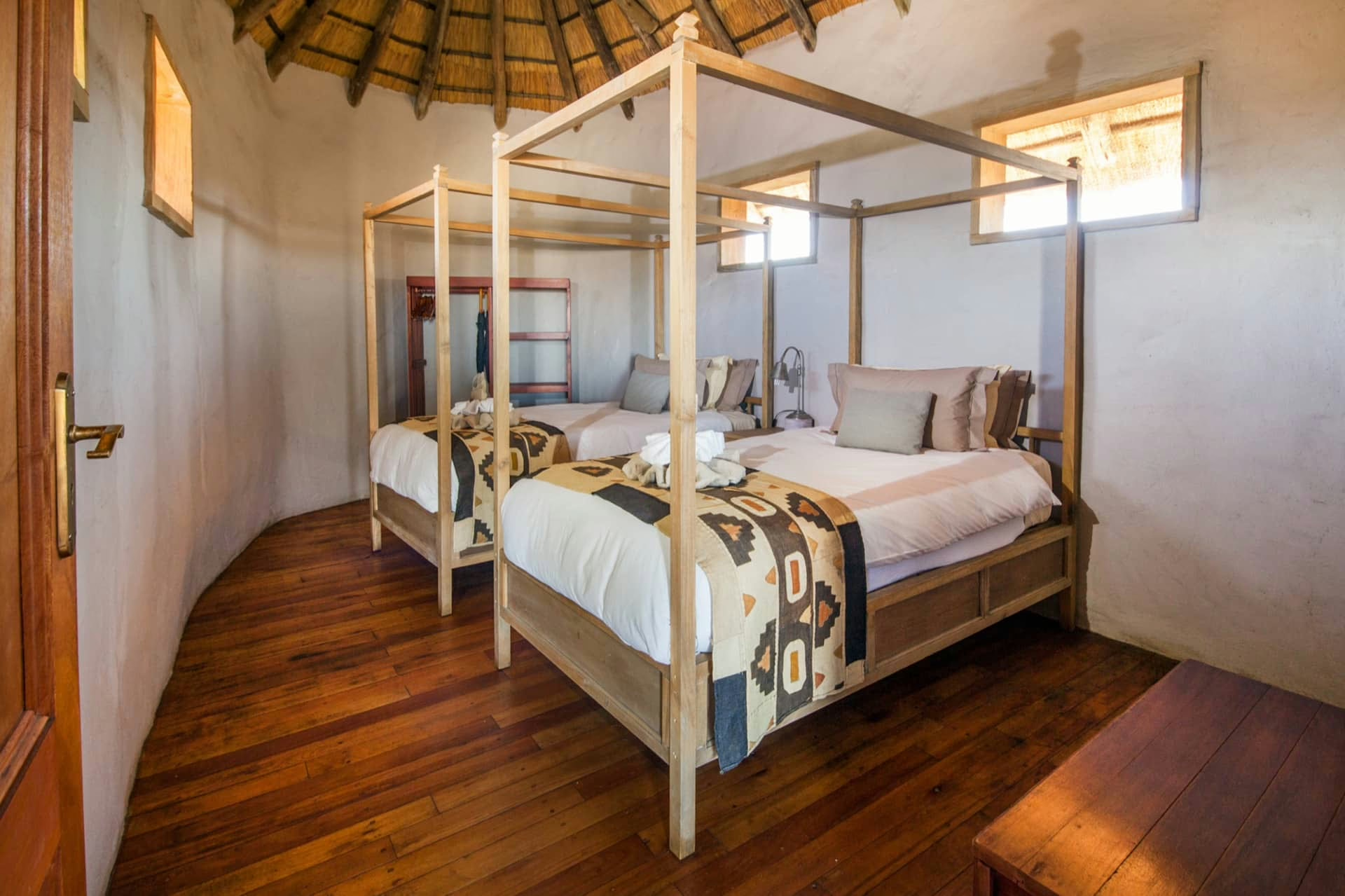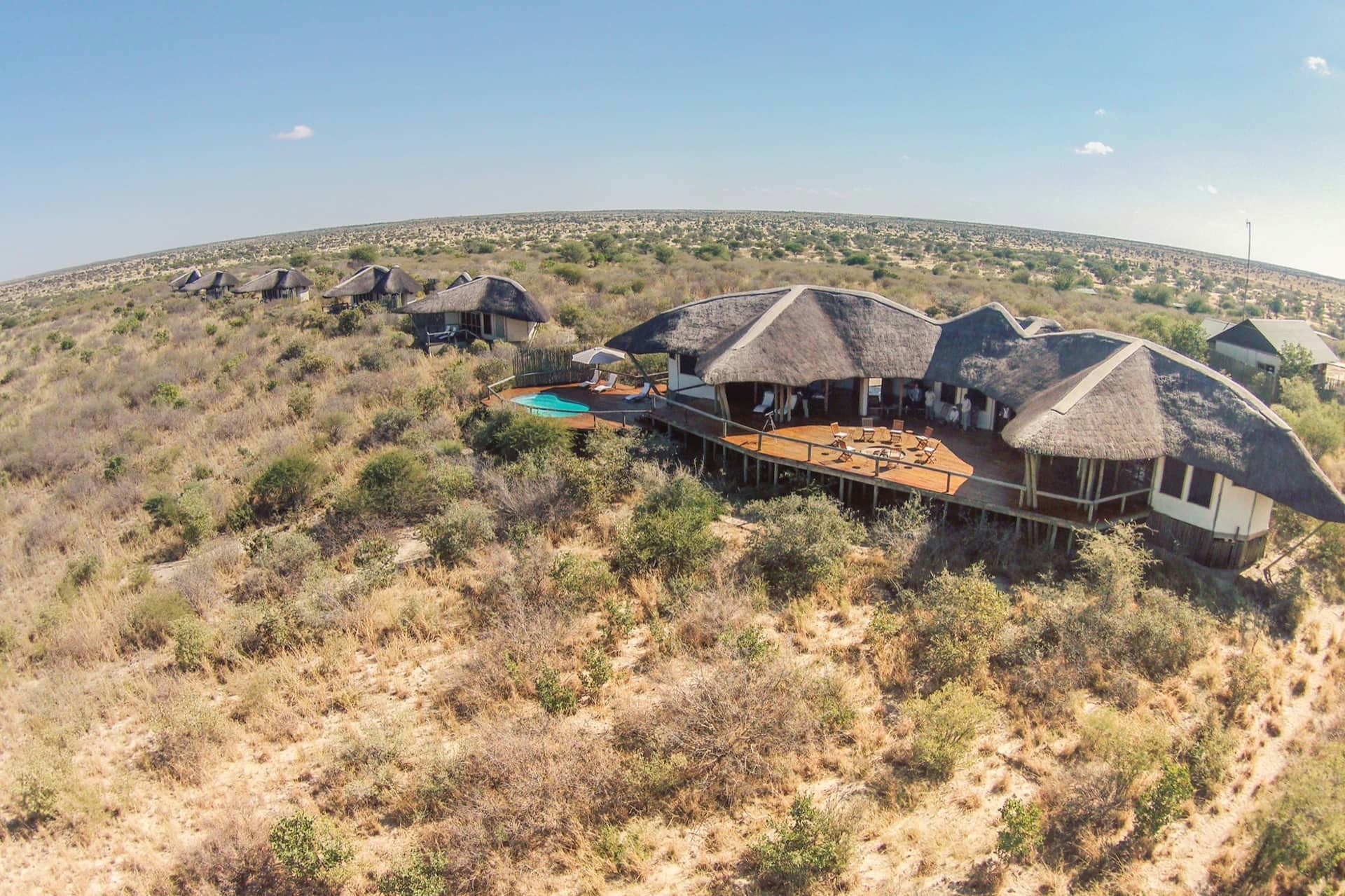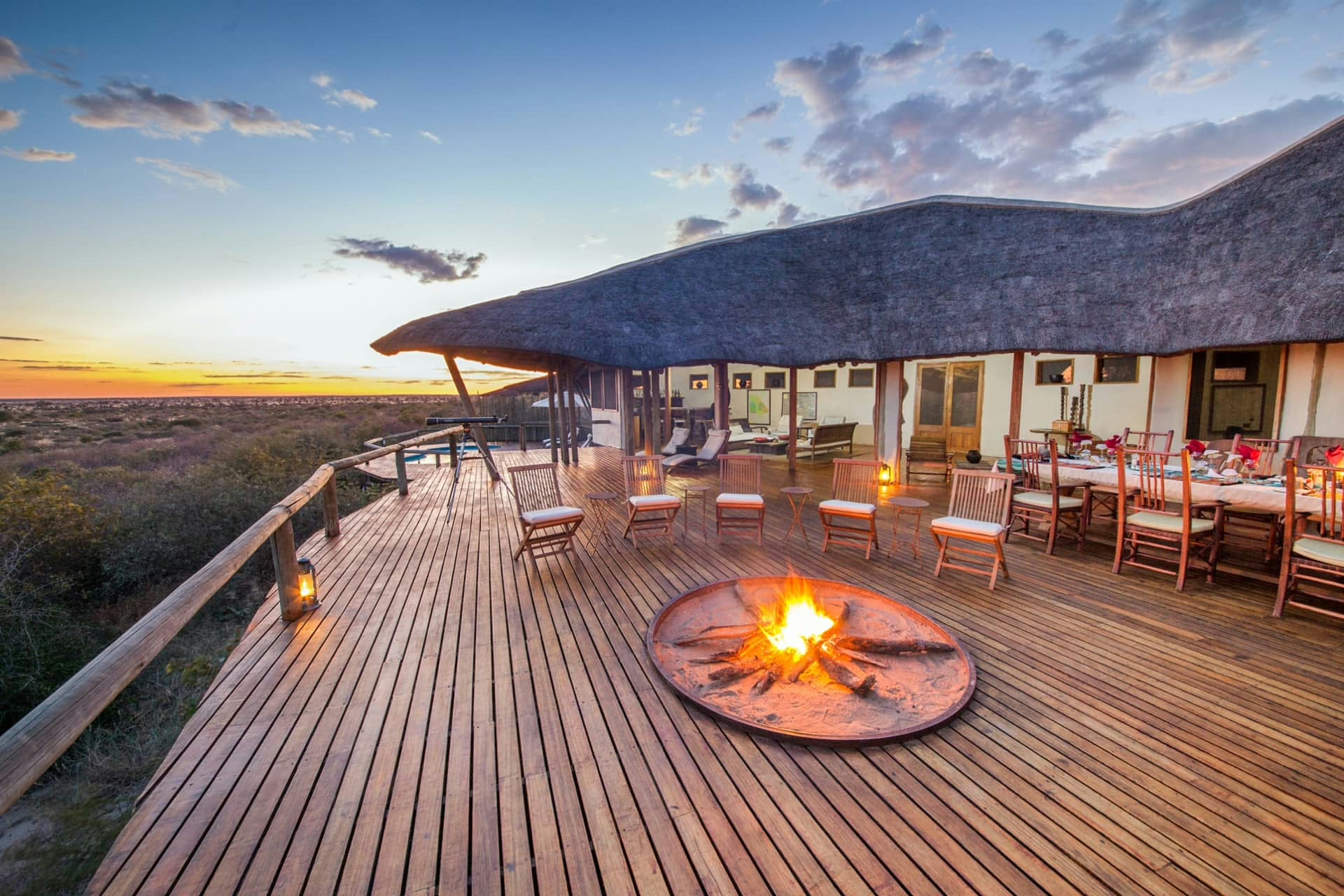
Tau Pan Camp occupies a remote and distinctive position in the Central Kalahari Game Reserve, standing as the first and one of only two permanent safari camps within Africa's largest game reserve. Positioned on an elevated sand ridge overlooking the iconic Tau Pan waterhole, the camp offers an entirely different safari experience compared to Botswana's better-known water-based destinations, delivering instead the raw, spacious wilderness of the Kalahari Desert.
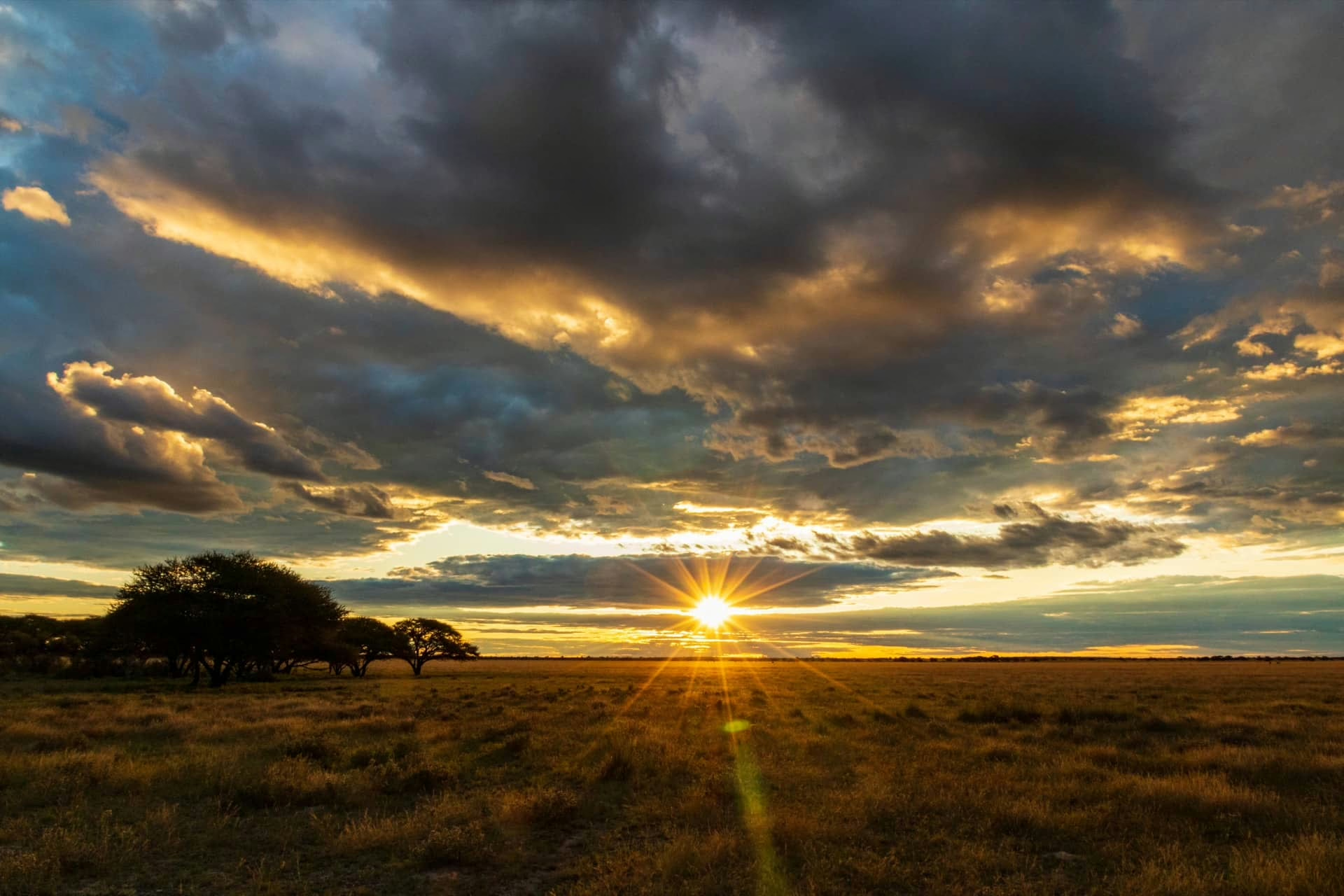
The camp's strategic position on ancient sand dunes provides commanding views across seemingly endless plains that stretch to the horizon. The name "Tau" translates to "lion" in Setswana, reflecting the area's most celebrated residents—the distinctive black-maned Kalahari lions whose deep roars echo across the desert landscape. The Central Kalahari Game Reserve encompasses over 50,000 square kilometers of vast, arid terrain interspersed with pans and valleys, with wildlife populations widely dispersed across this enormous reserve in stark contrast to the concentrated densities of the Okavango Delta.
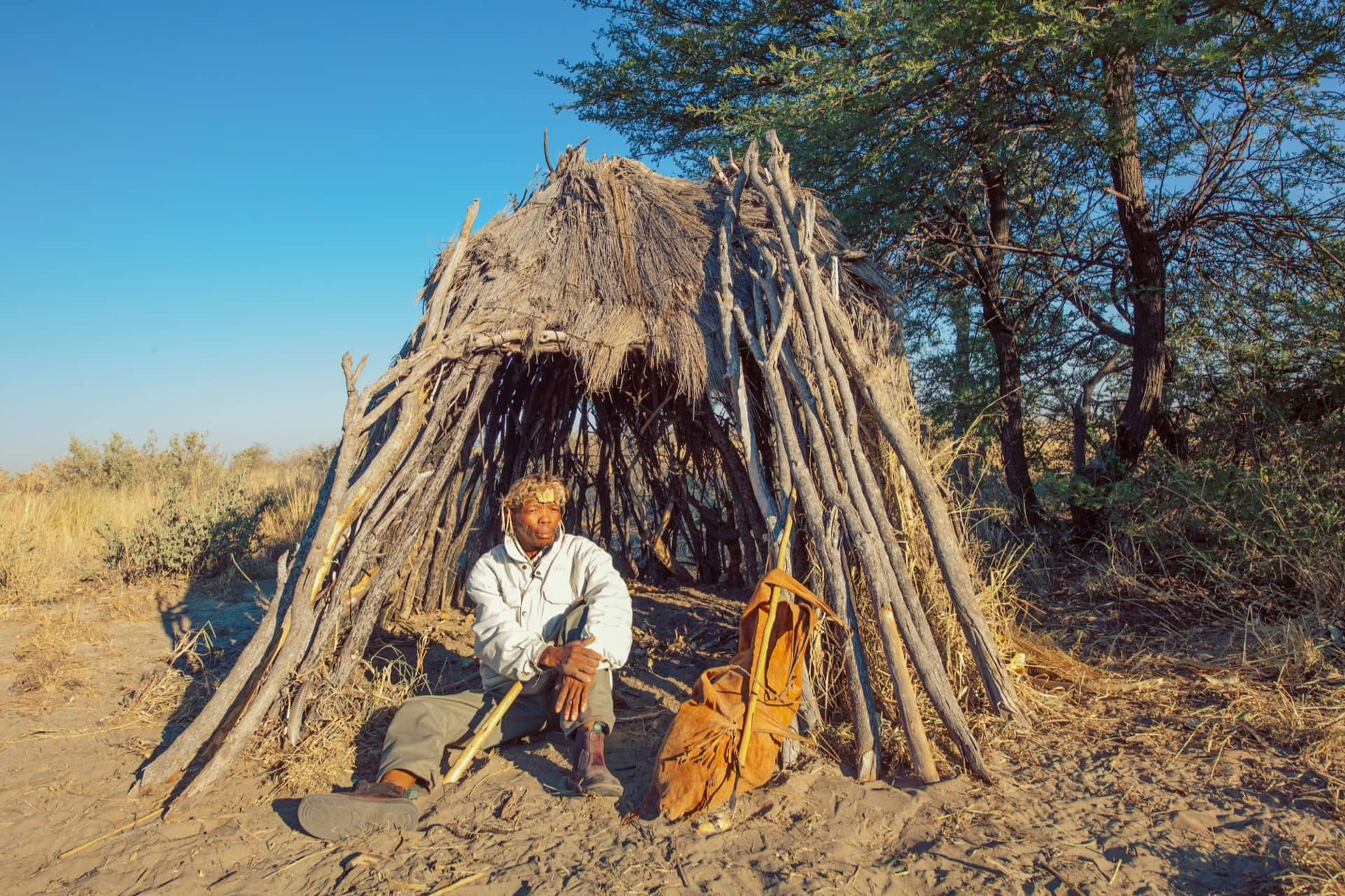
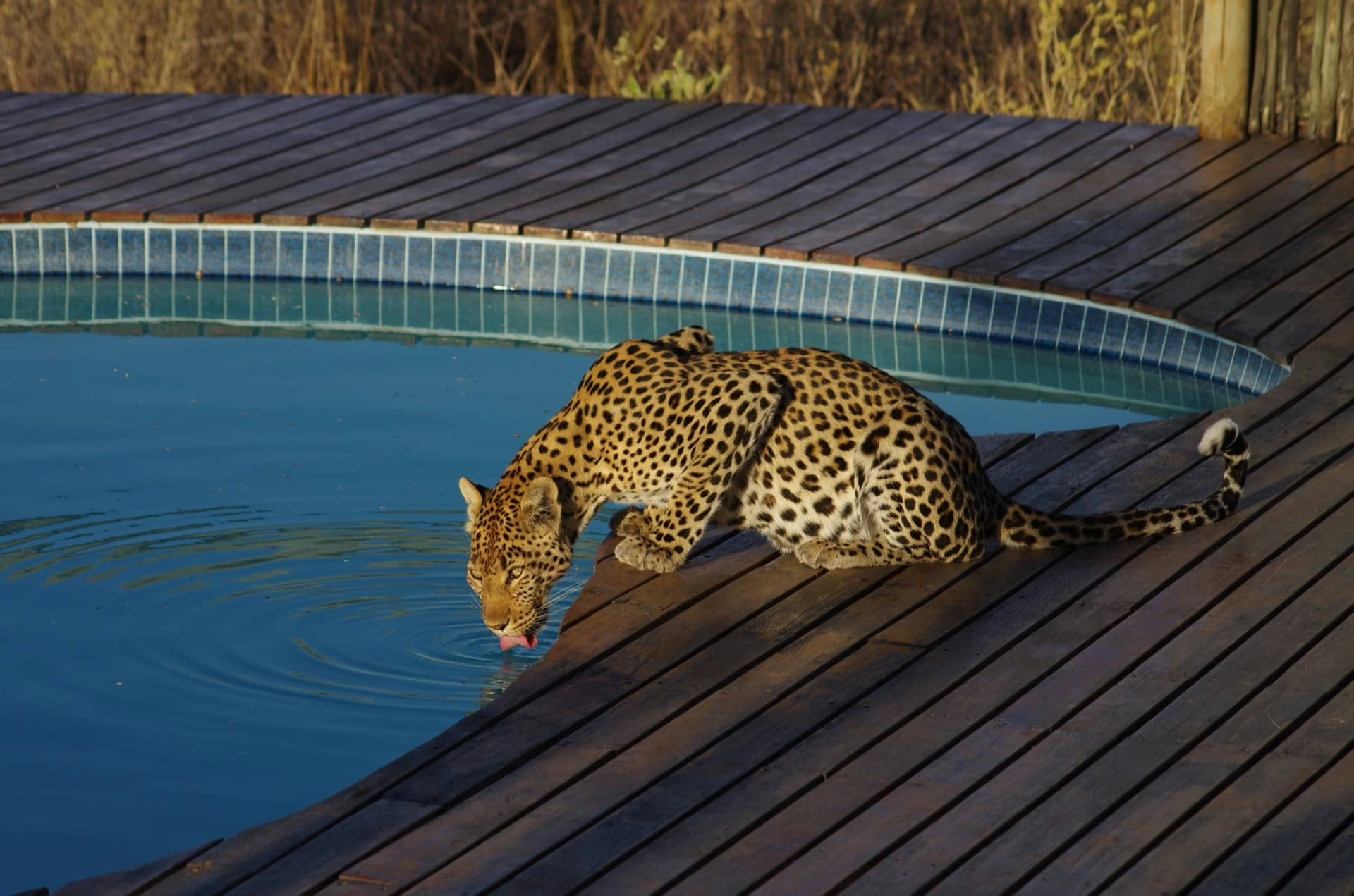
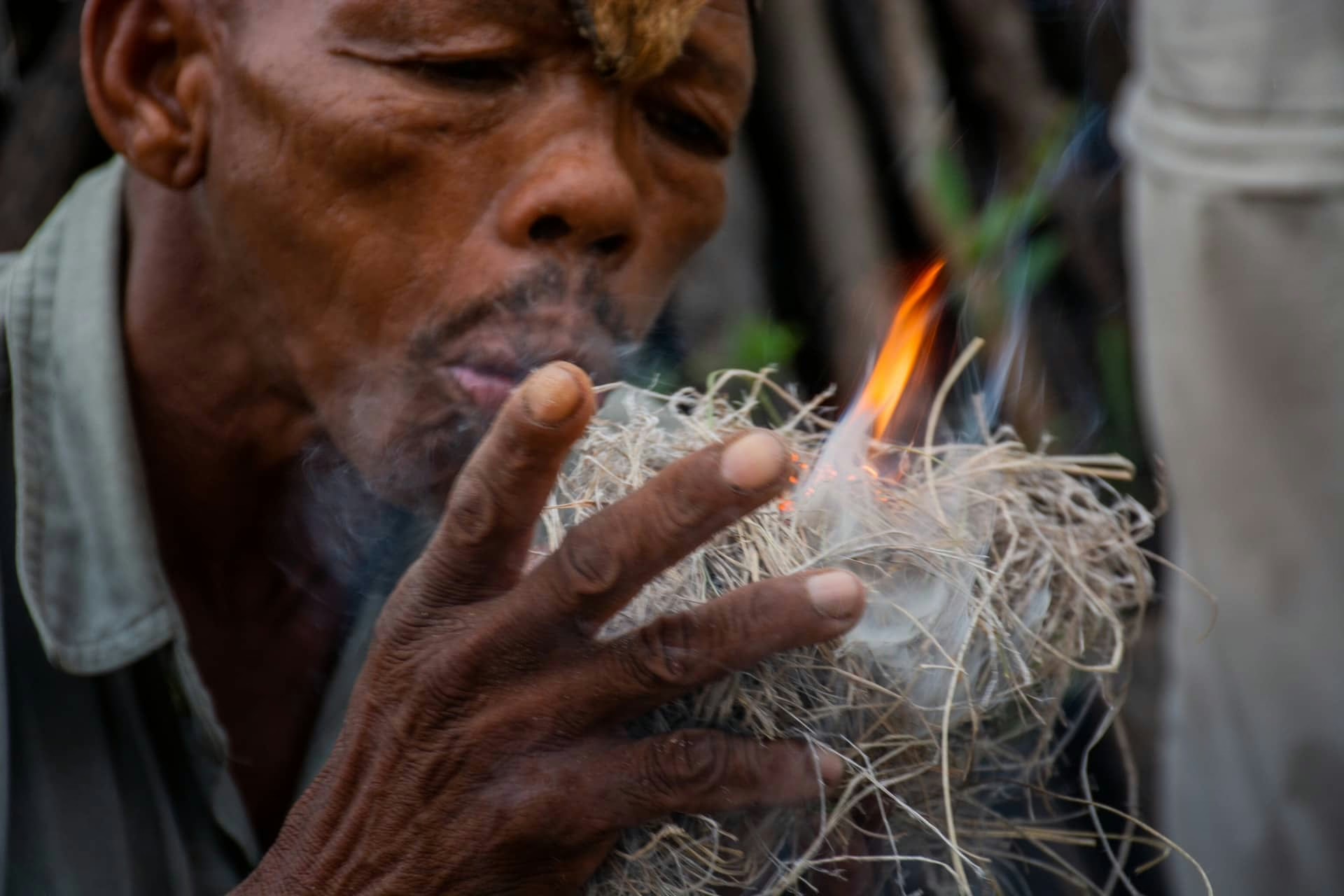
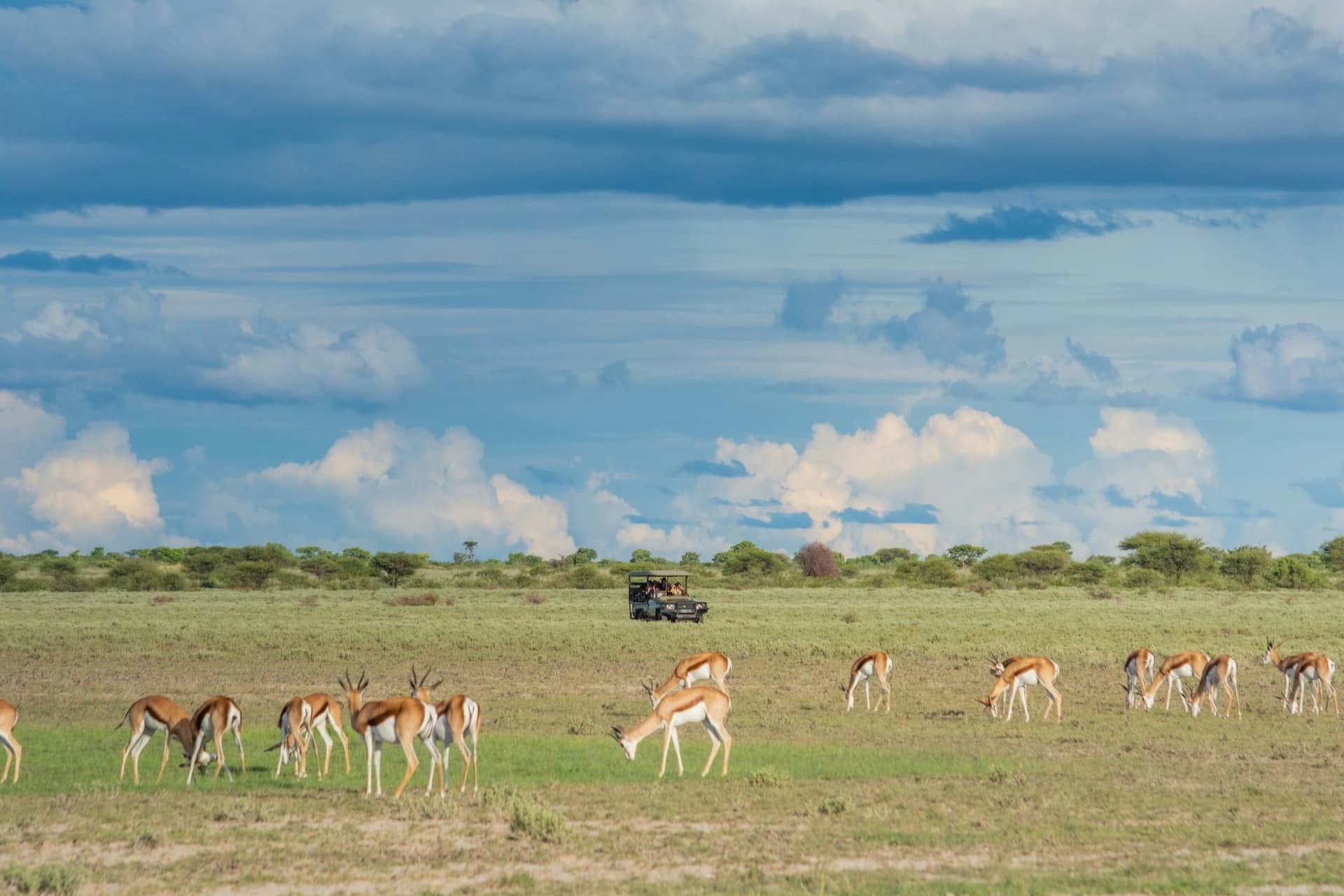
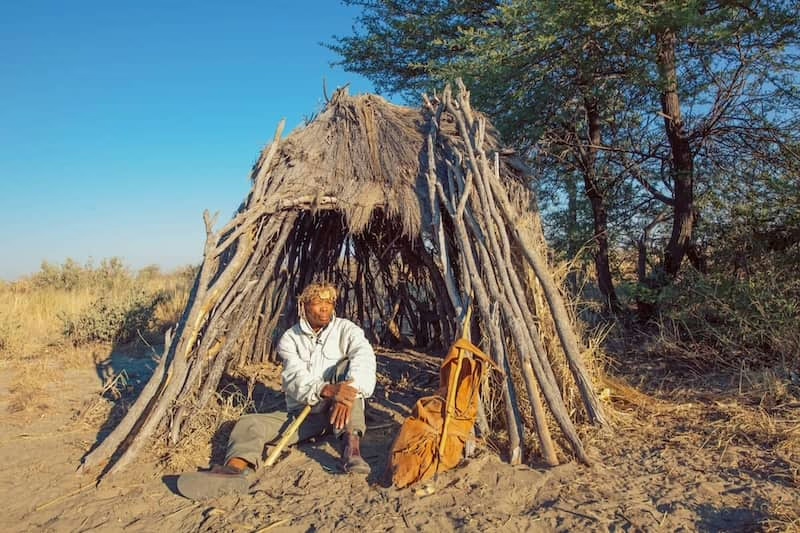
The Kalahari supports unique wildlife species adapted to desert conditions. Springbok, gemsbok, hartebeest, wildebeest, and jackals inhabit the landscape alongside predators including lions, cheetahs, leopards, and the elusive brown hyena. Birdlife proves surprisingly prolific, with over 300 species recorded, including the massive Kori Bustard and colorful sandgrouse species. The reserve's attractions include excursions to Deception Valley, the dramatic landscape featured in the wildlife book "Cry of the Kalahari," as well as visits to Sunday, Piper, and Passarge Pans. Traditional bushwalk experiences with San trackers provide intimate cultural and natural history education, revealing desert survival techniques perfected over millennia.
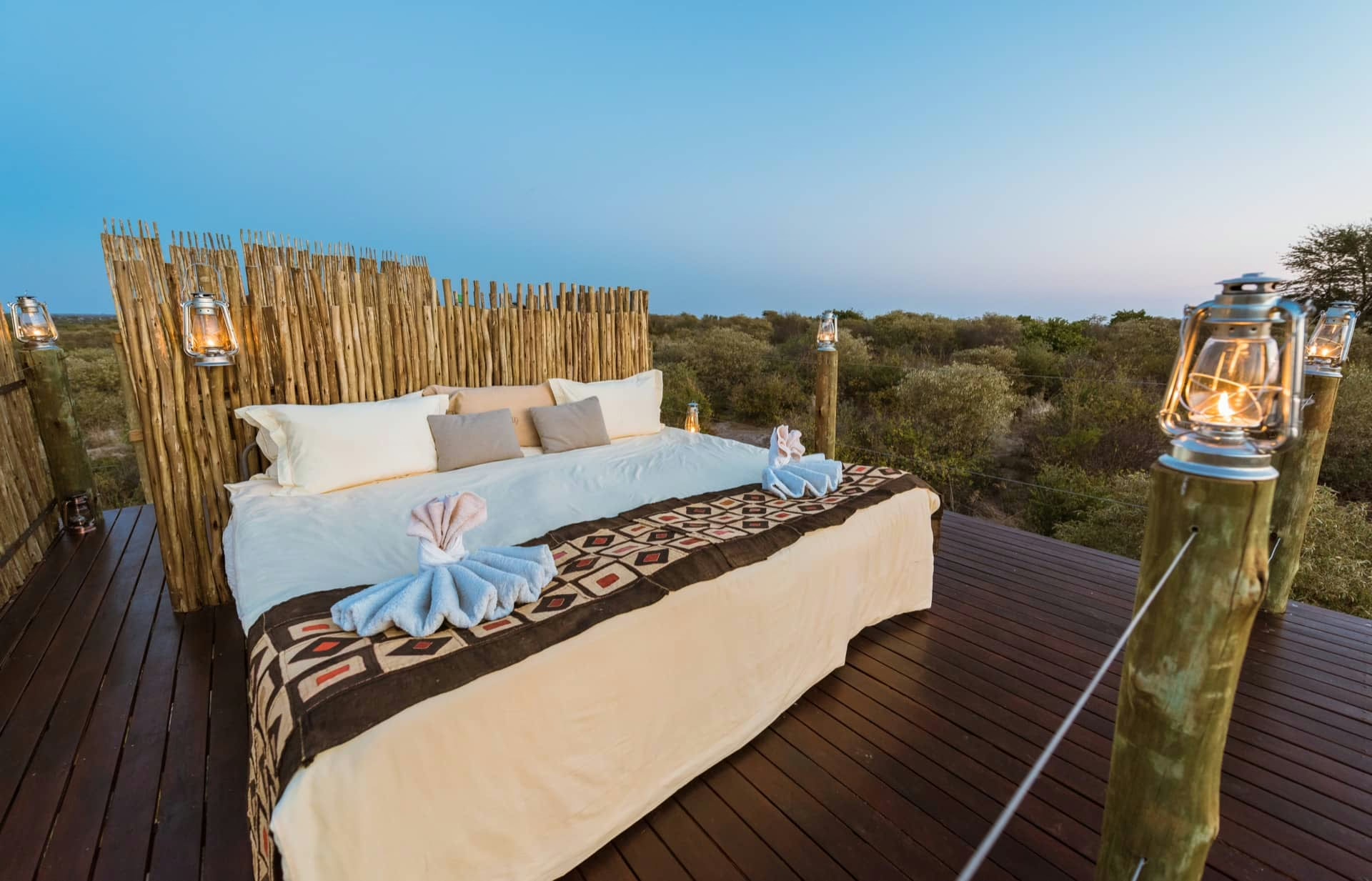
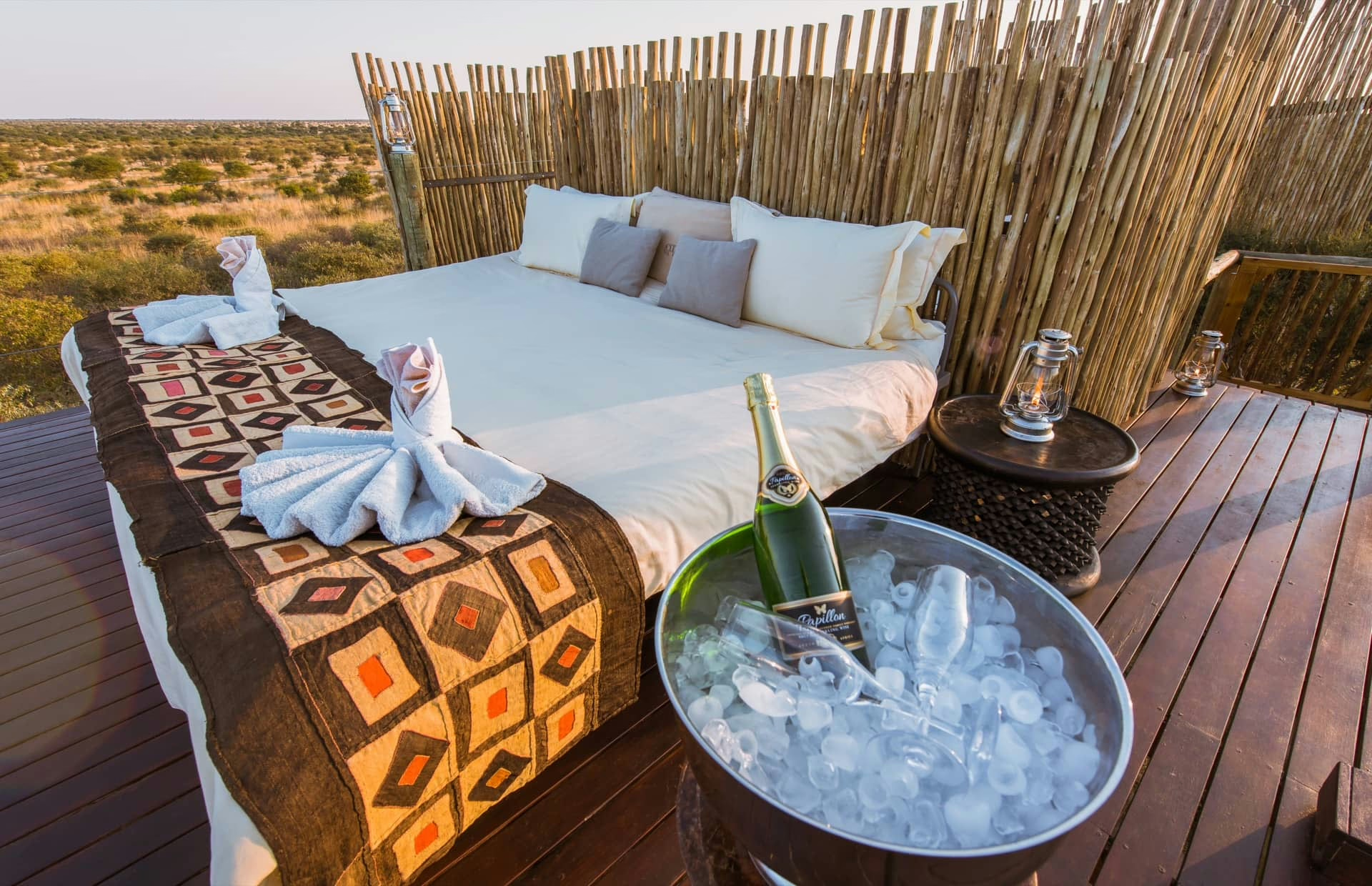
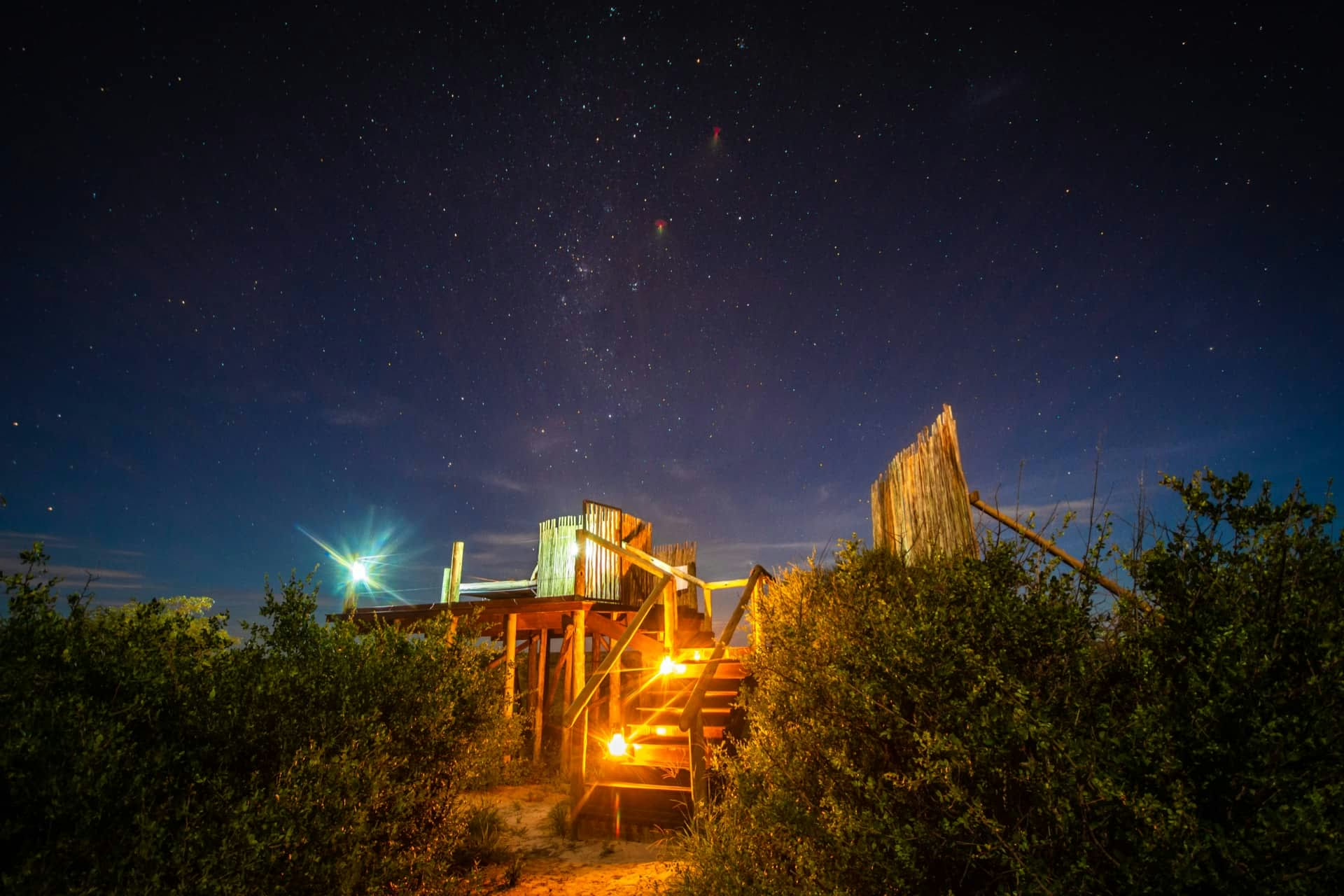
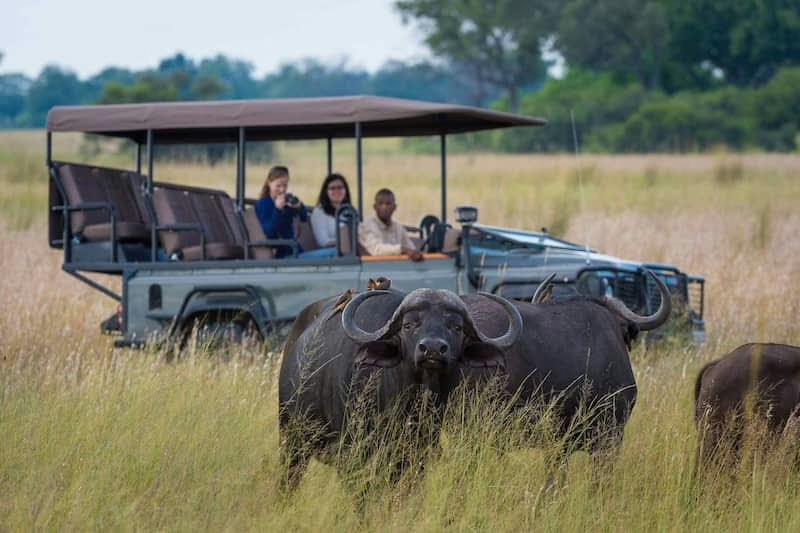
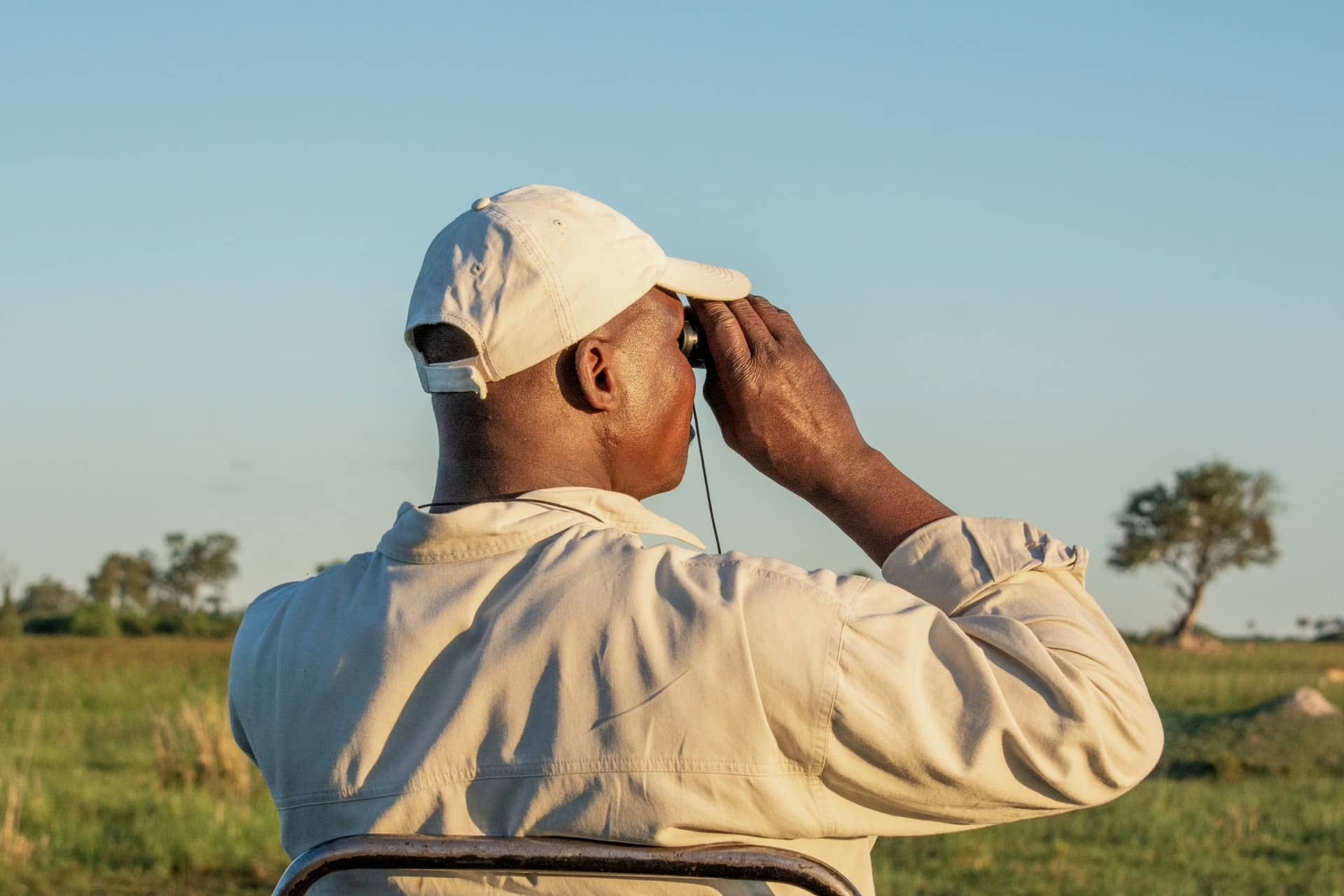
Game drives conducted by experienced guides accompanied by dedicated trackers emphasize the desert's subtle beauty and wildlife encounters rather than predictable high-concentration animal viewing. Night drives reveal nocturnal creatures active after dark, while stargazing opportunities remain exceptional given minimal light pollution in this remote location. The camp offers a unique sleep-out deck beneath the stars—a double-bedded platform overlooking the plains with basic toilet facilities.