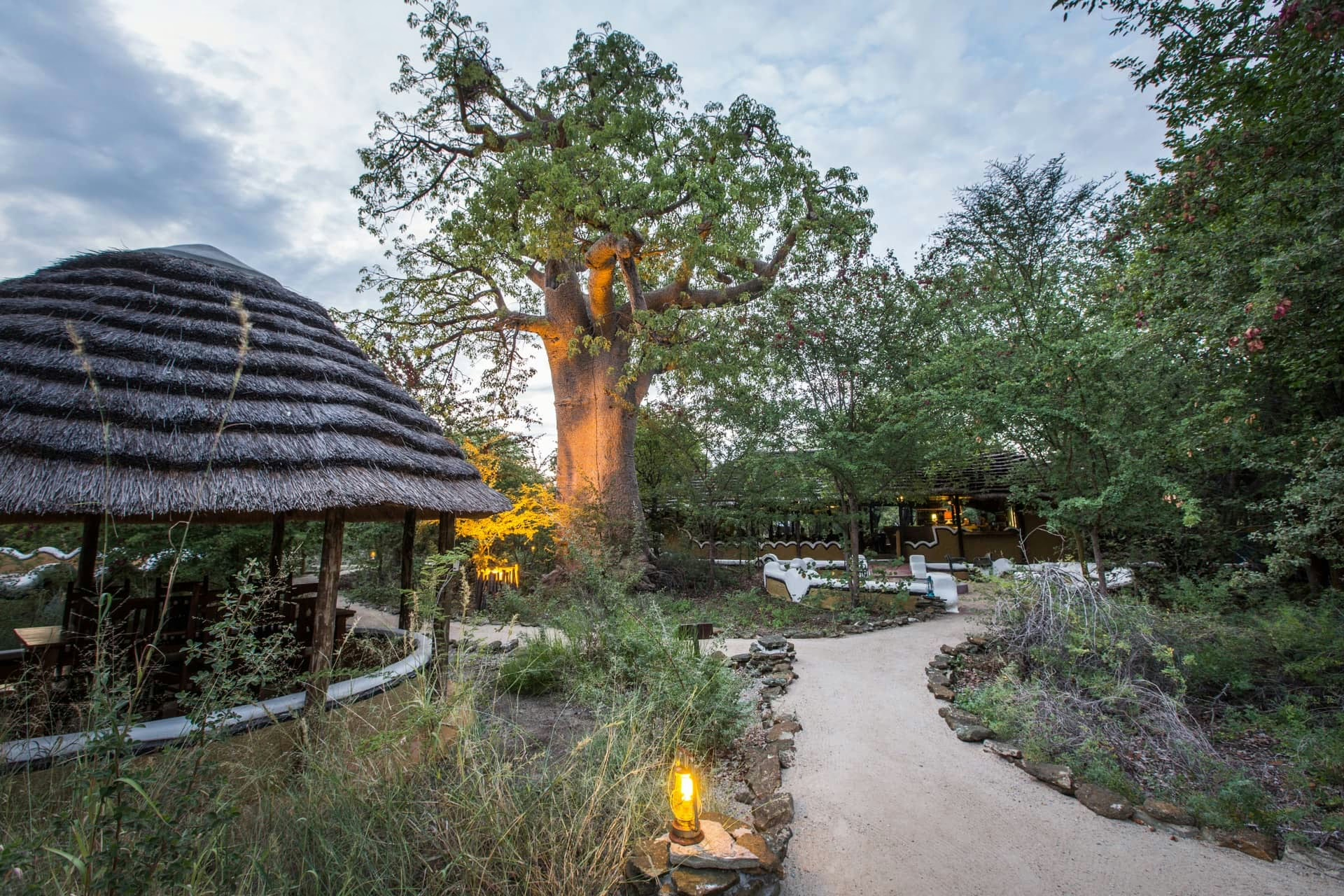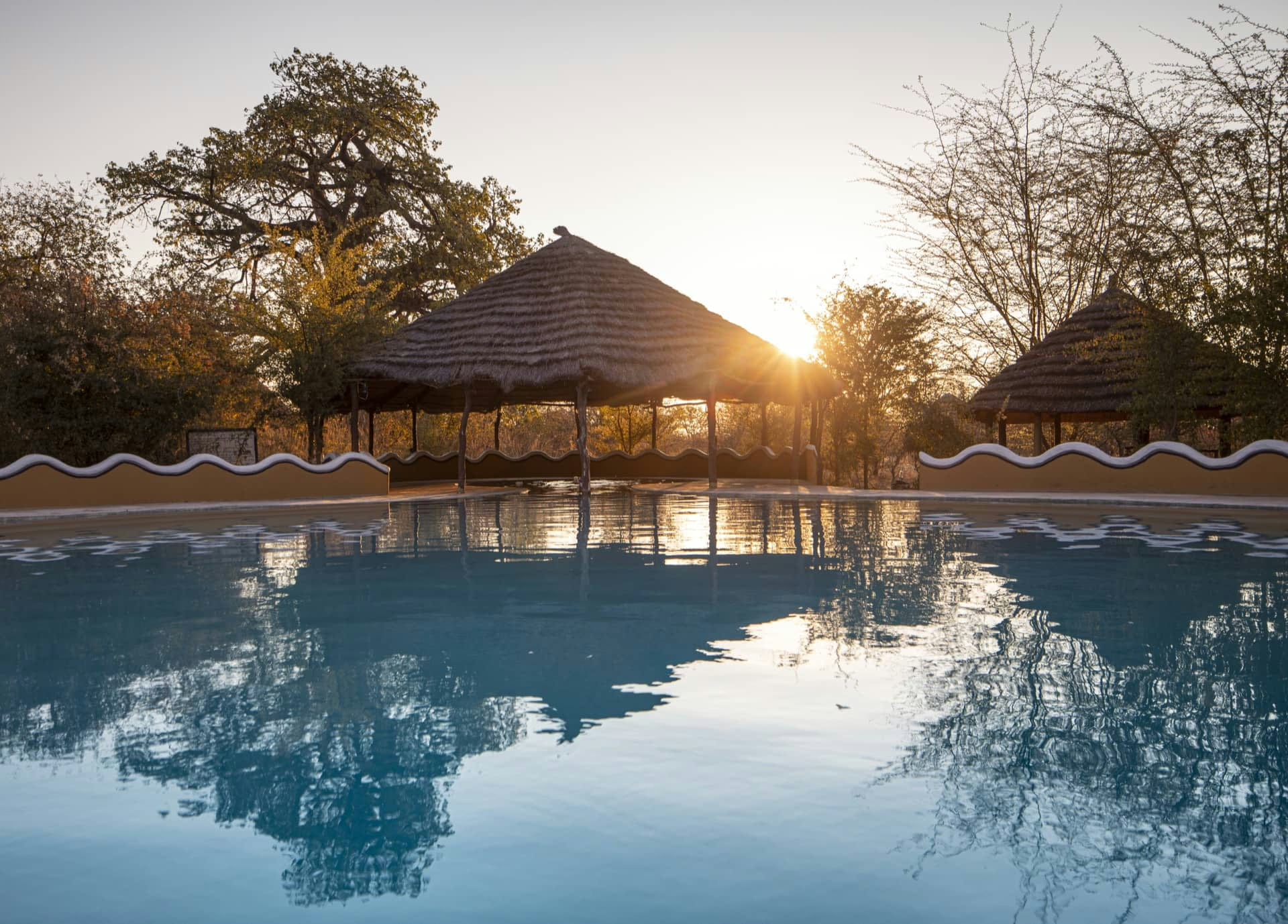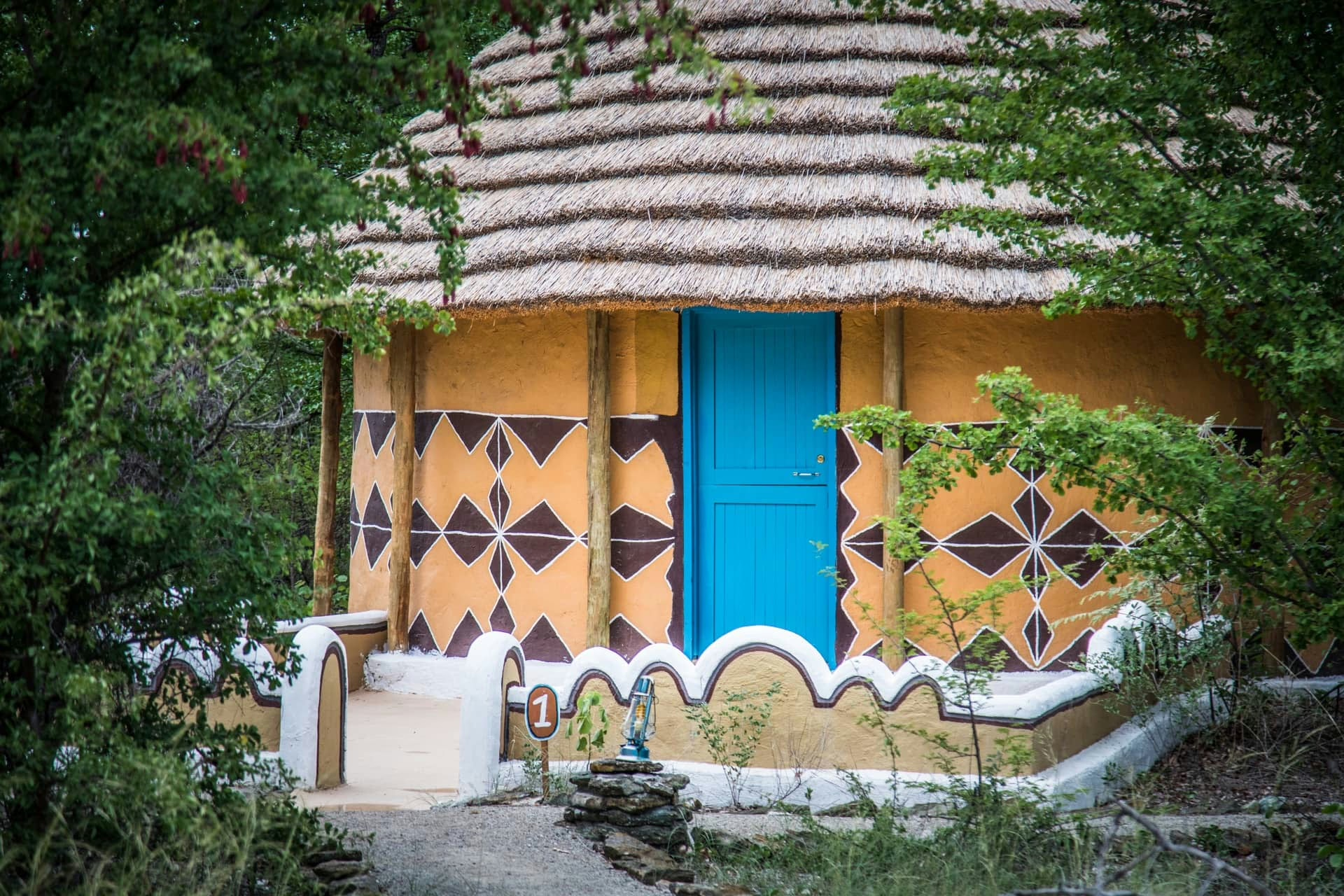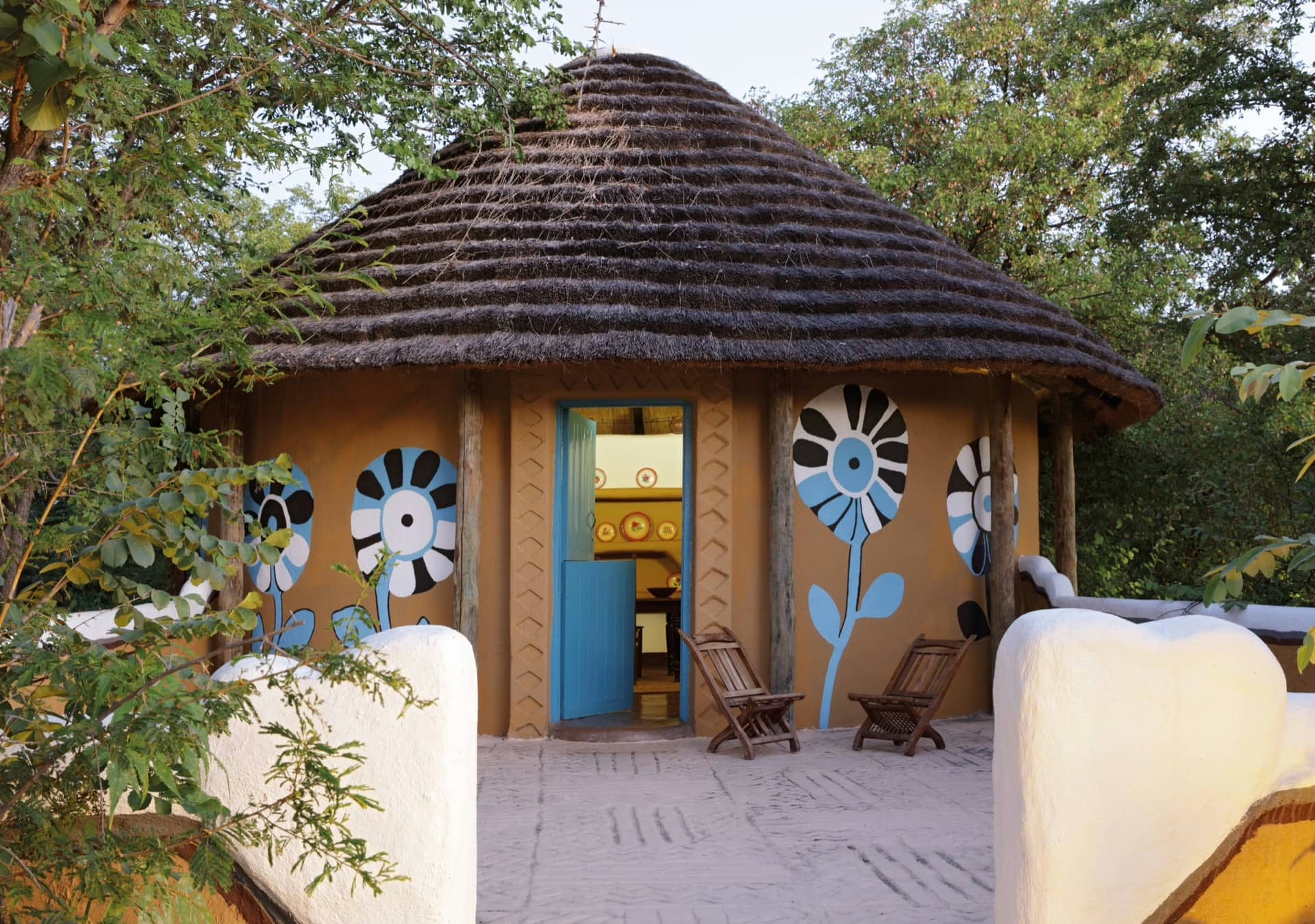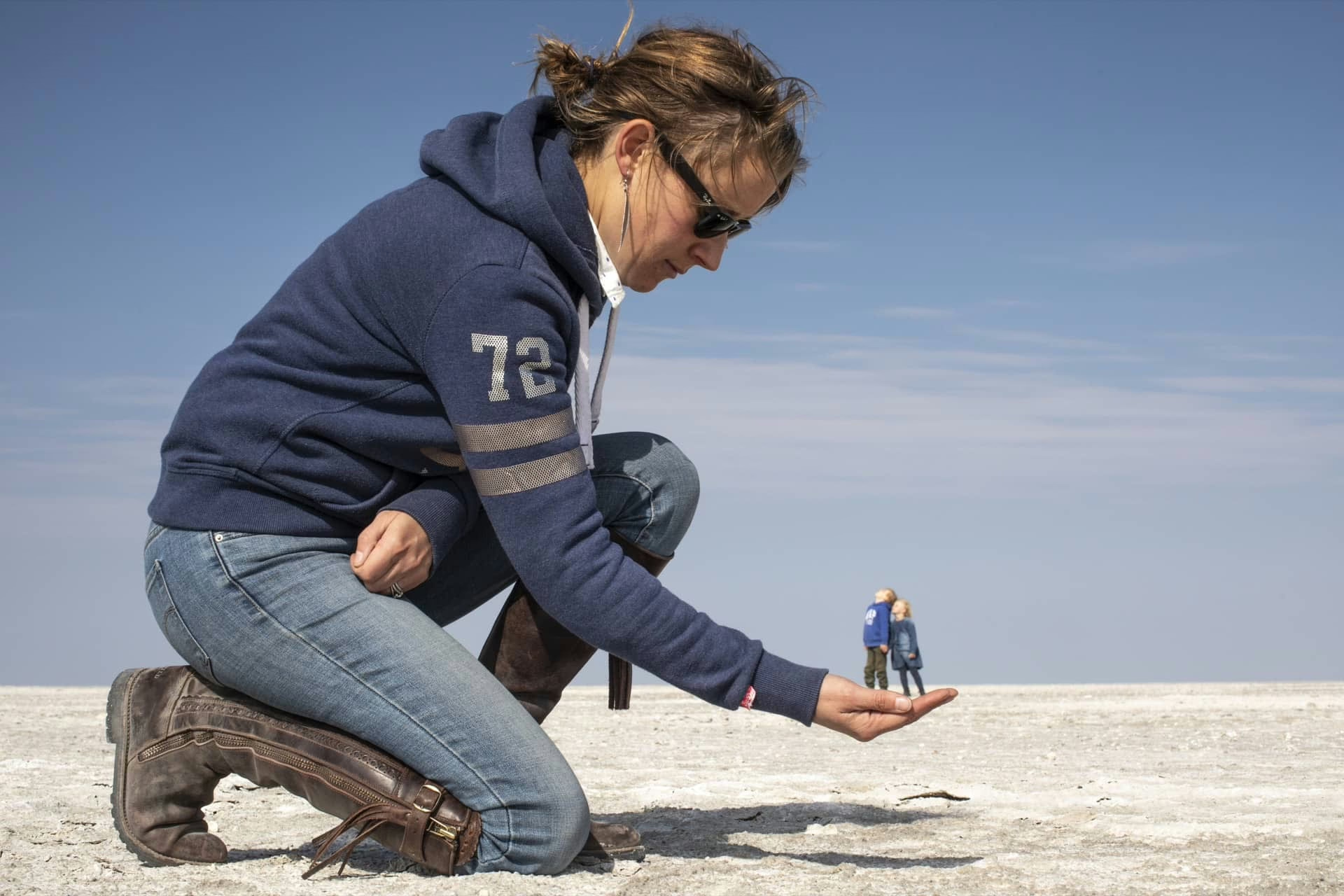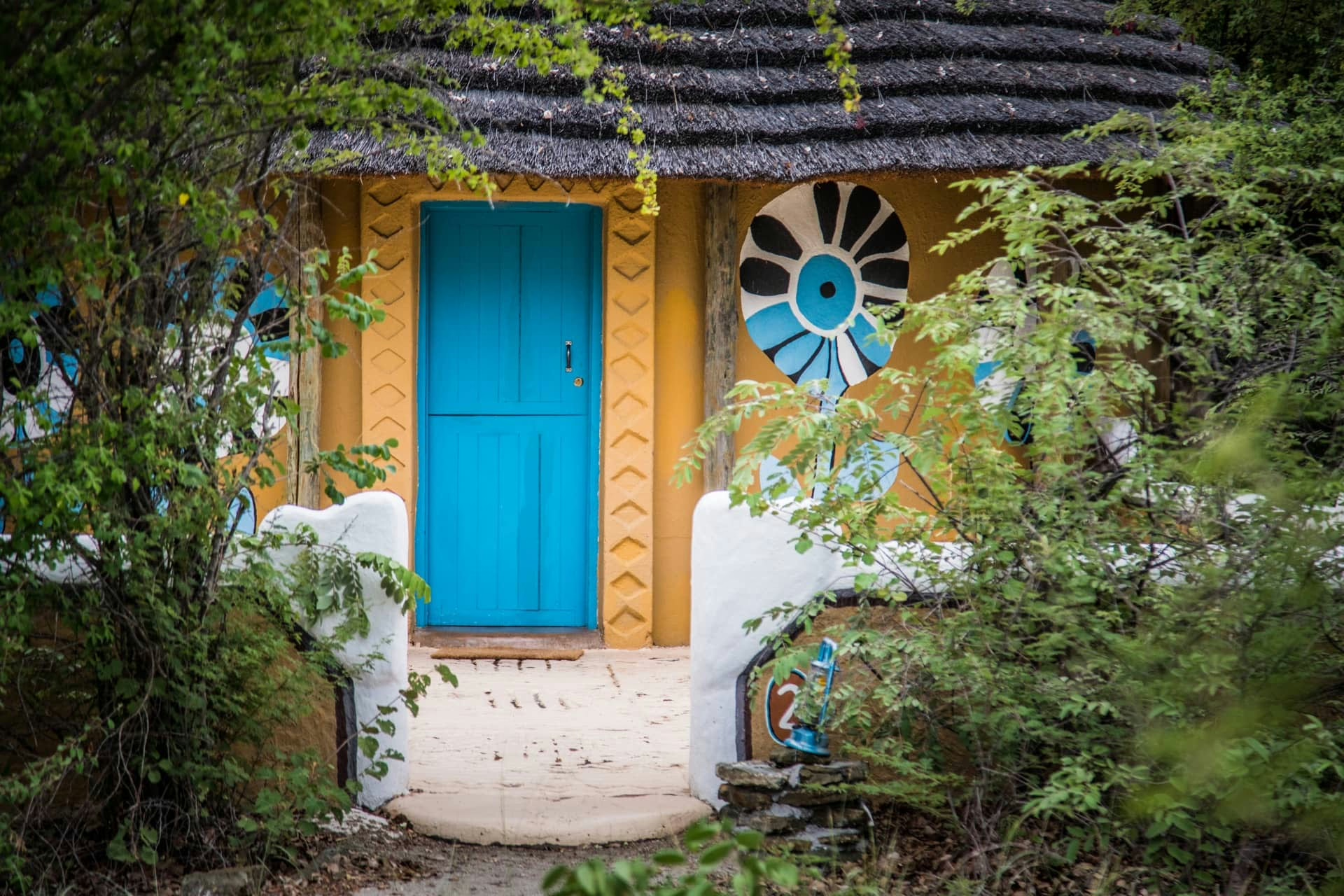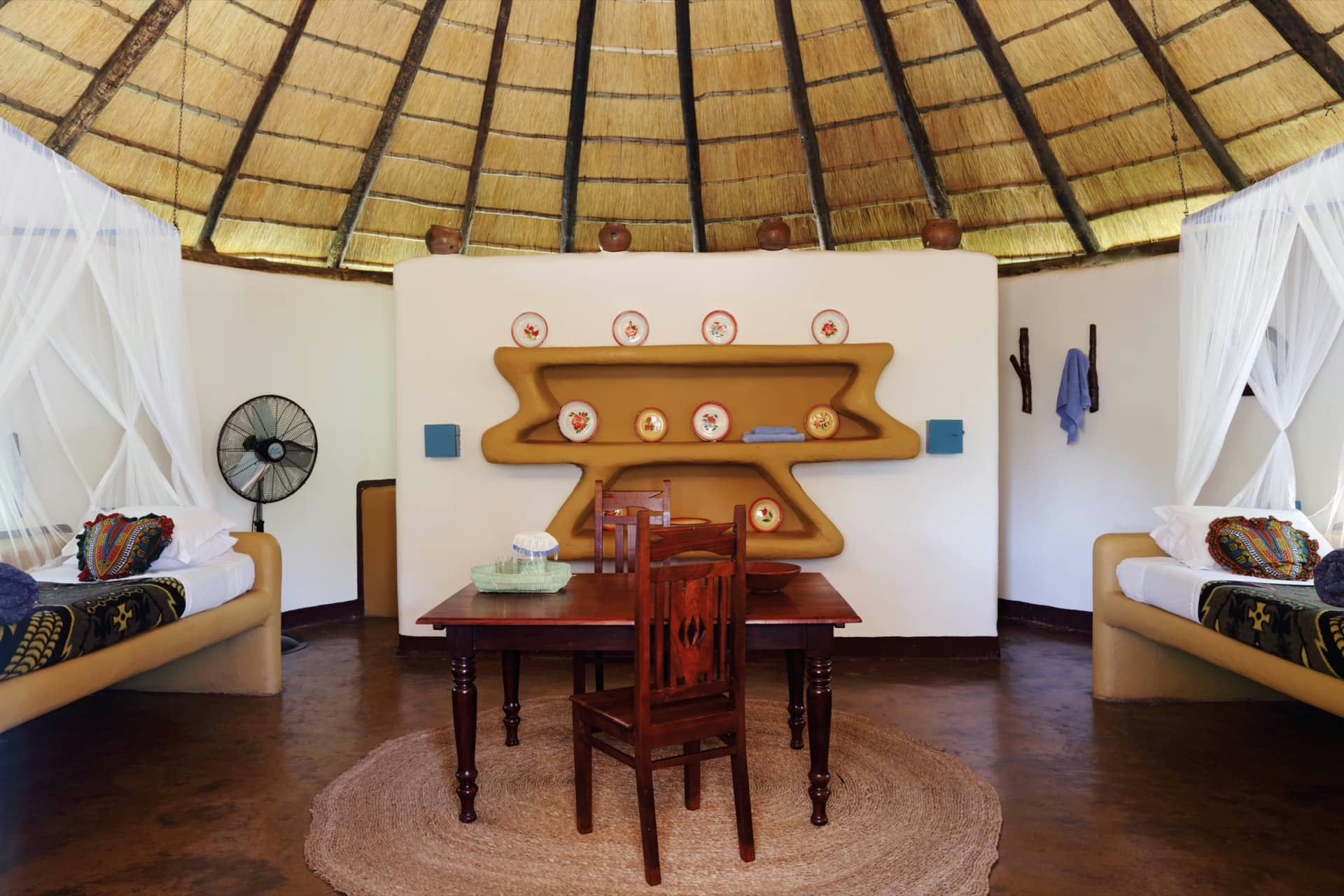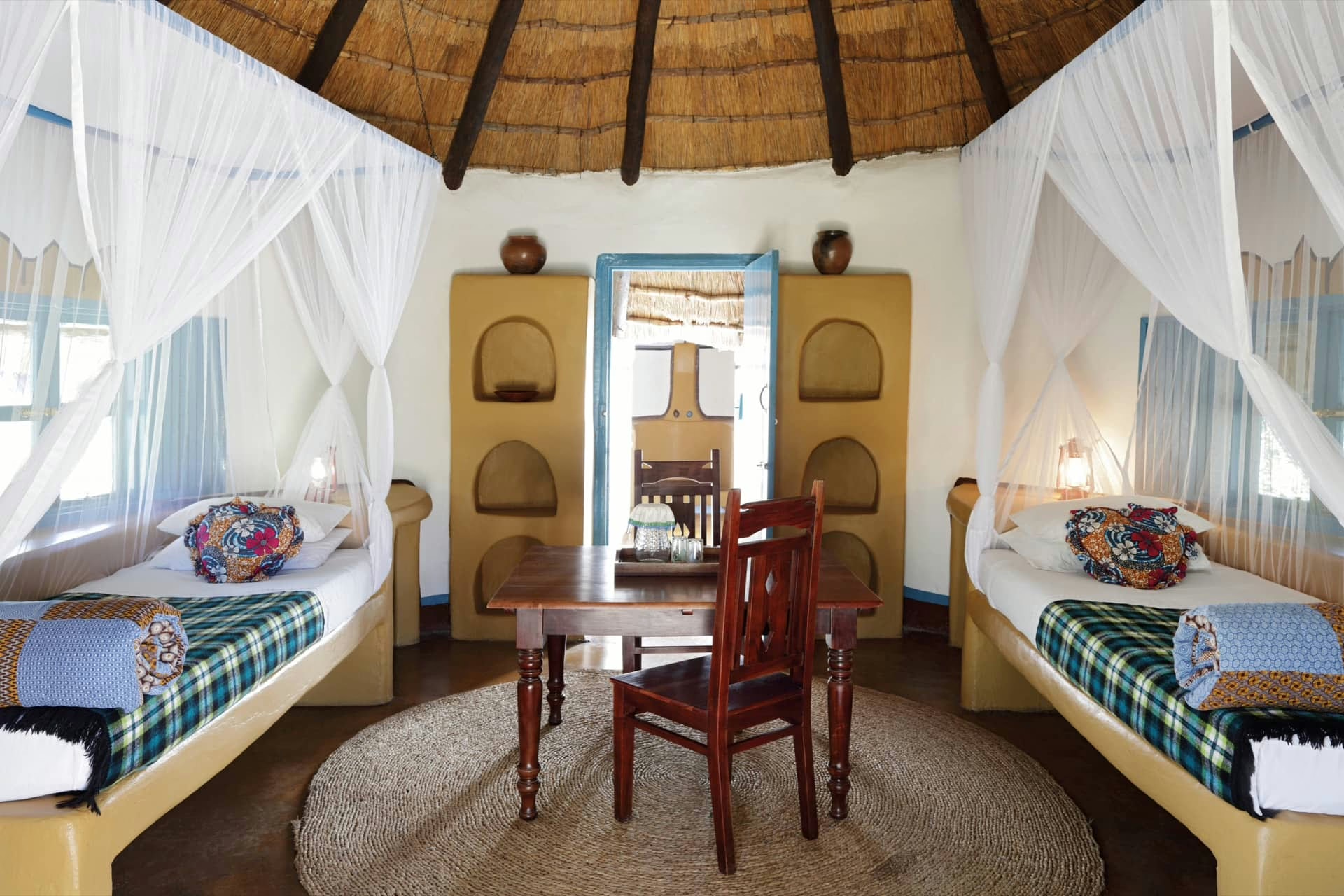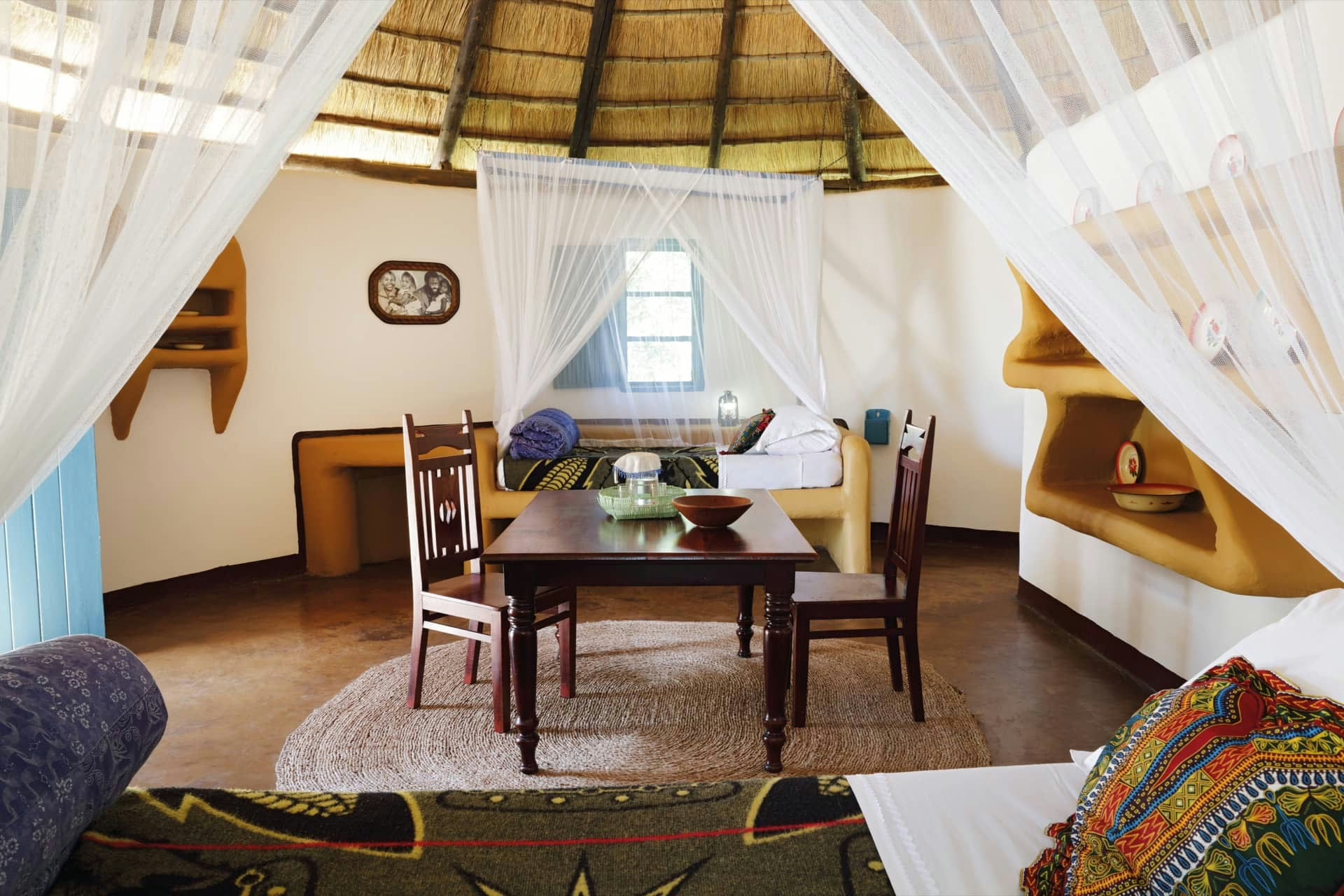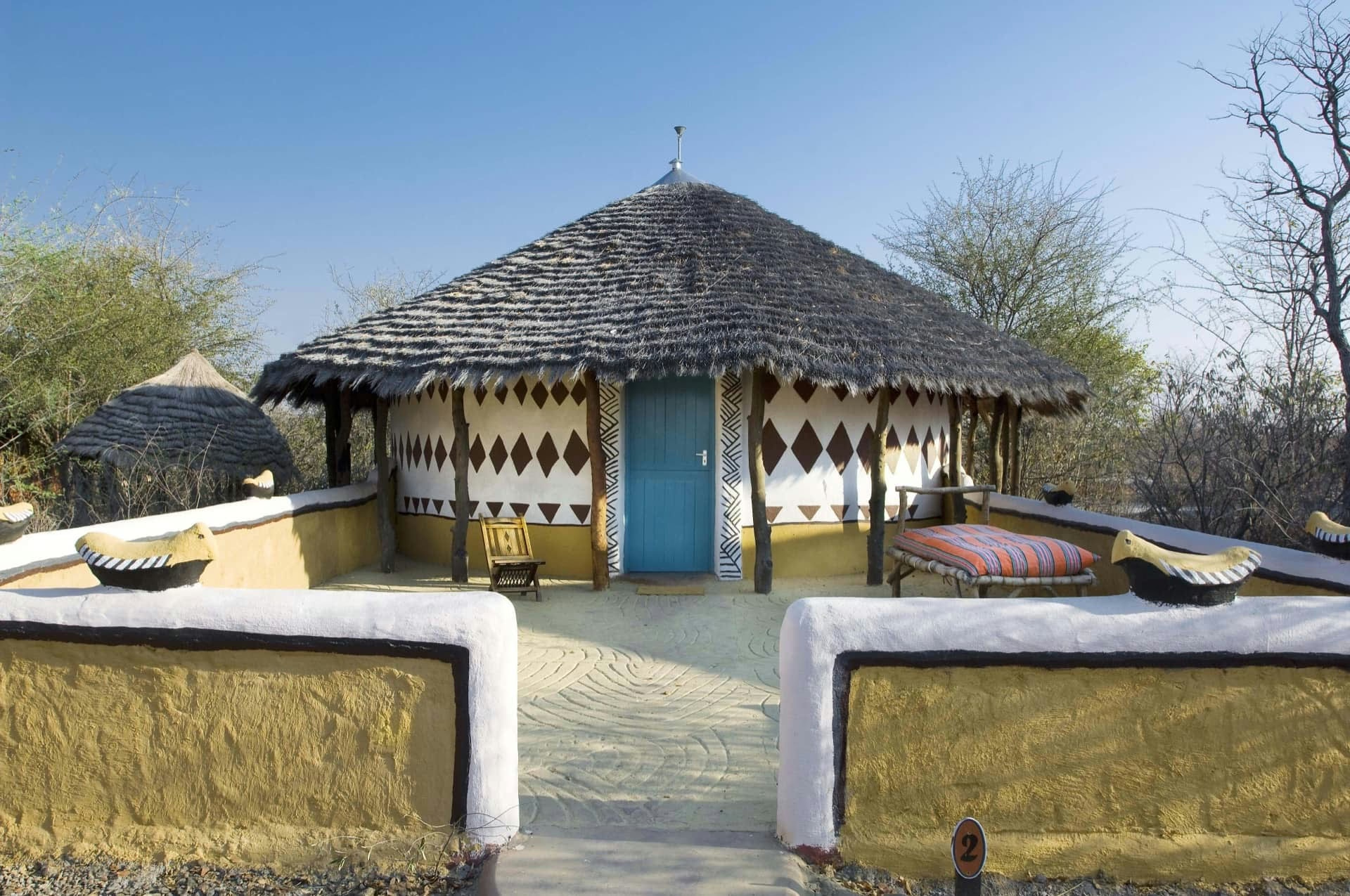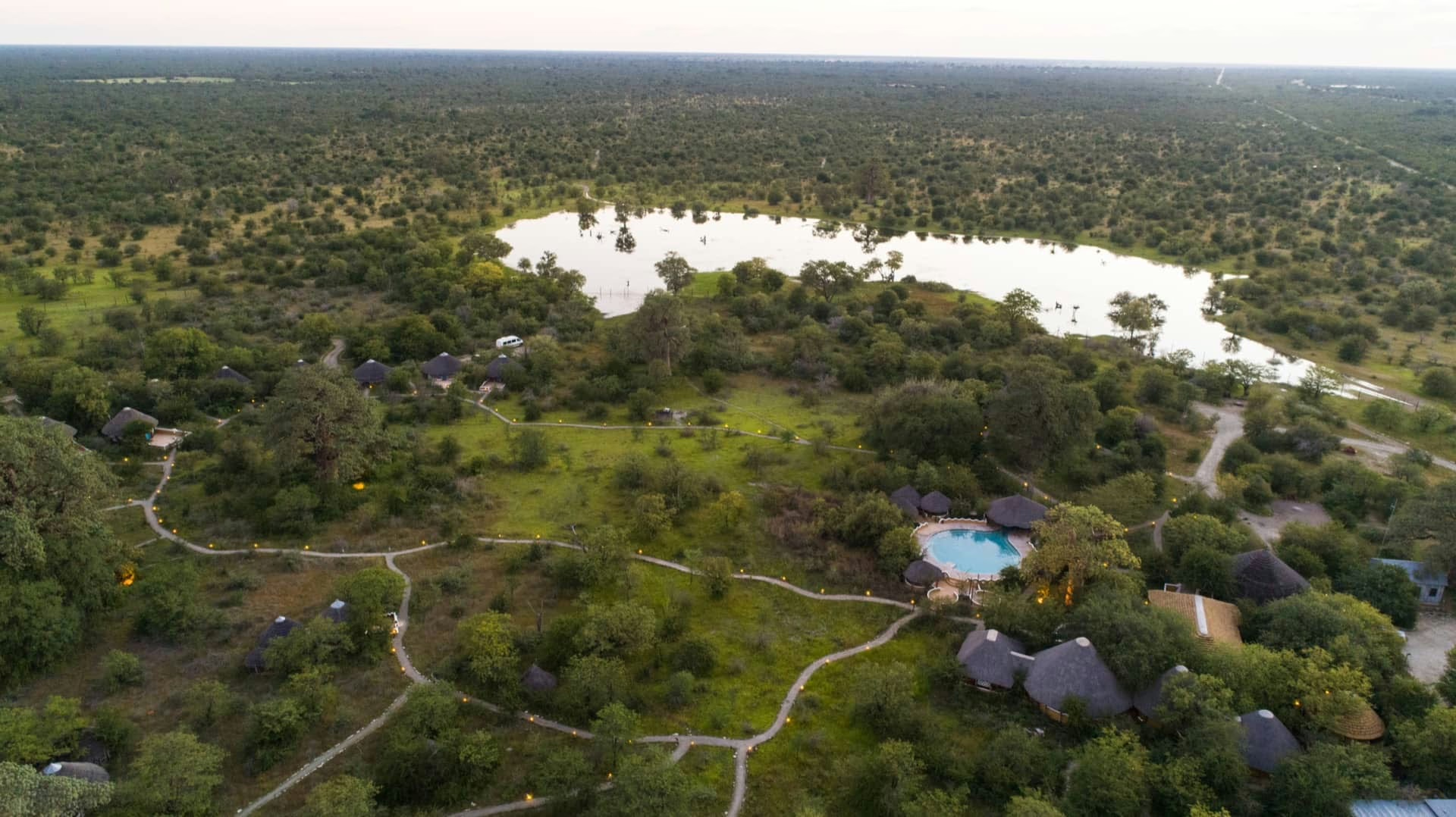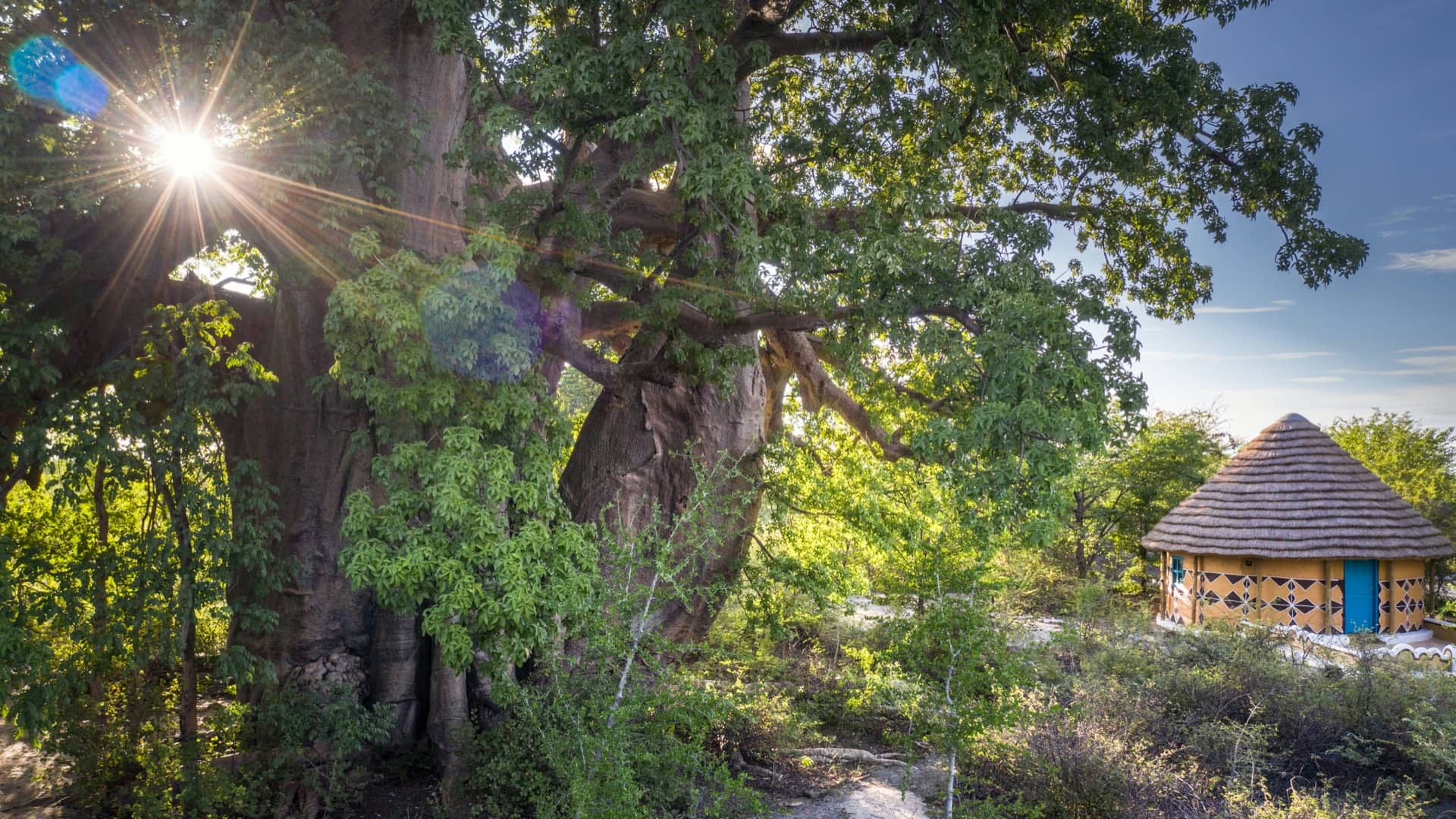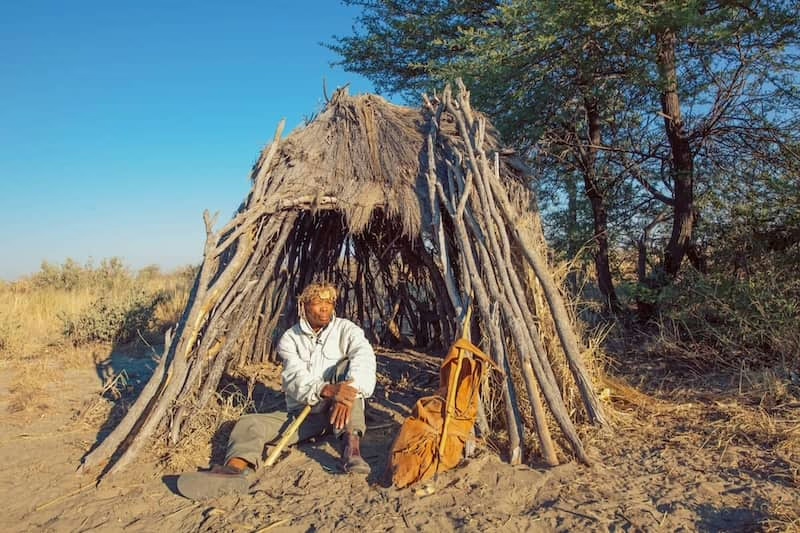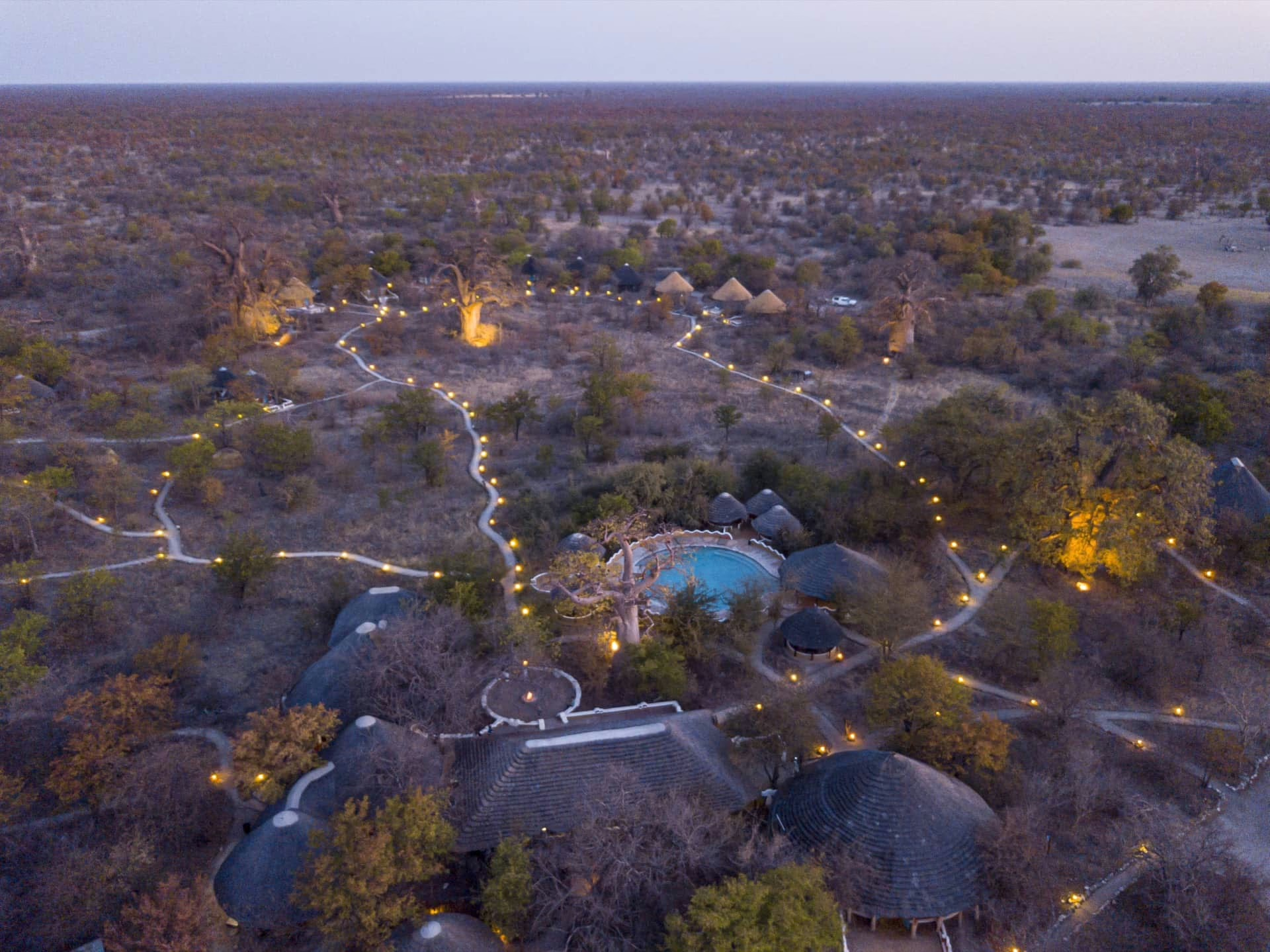
Planet Baobab is one of those places that proves you don't need luxury to create a memorable experience. Nestled among seventeen ancient baobab trees near the village of Gweta, it sits on the edge of the vast Makgadikgadi Pans – a salt pan desert the size of Switzerland that was once the world's largest freshwater lake. The camp is deliberately quirky and colorful, with accommodation designed to reflect traditional Bakalanga village architecture. You'll spot it easily from the main road between Maun and Francistown thanks to the giant concrete aardvark marking the entrance. Lonely Planet voted it one of the top ten most extraordinary places to stay in the world, which speaks to its unique character rather than any five-star credentials.
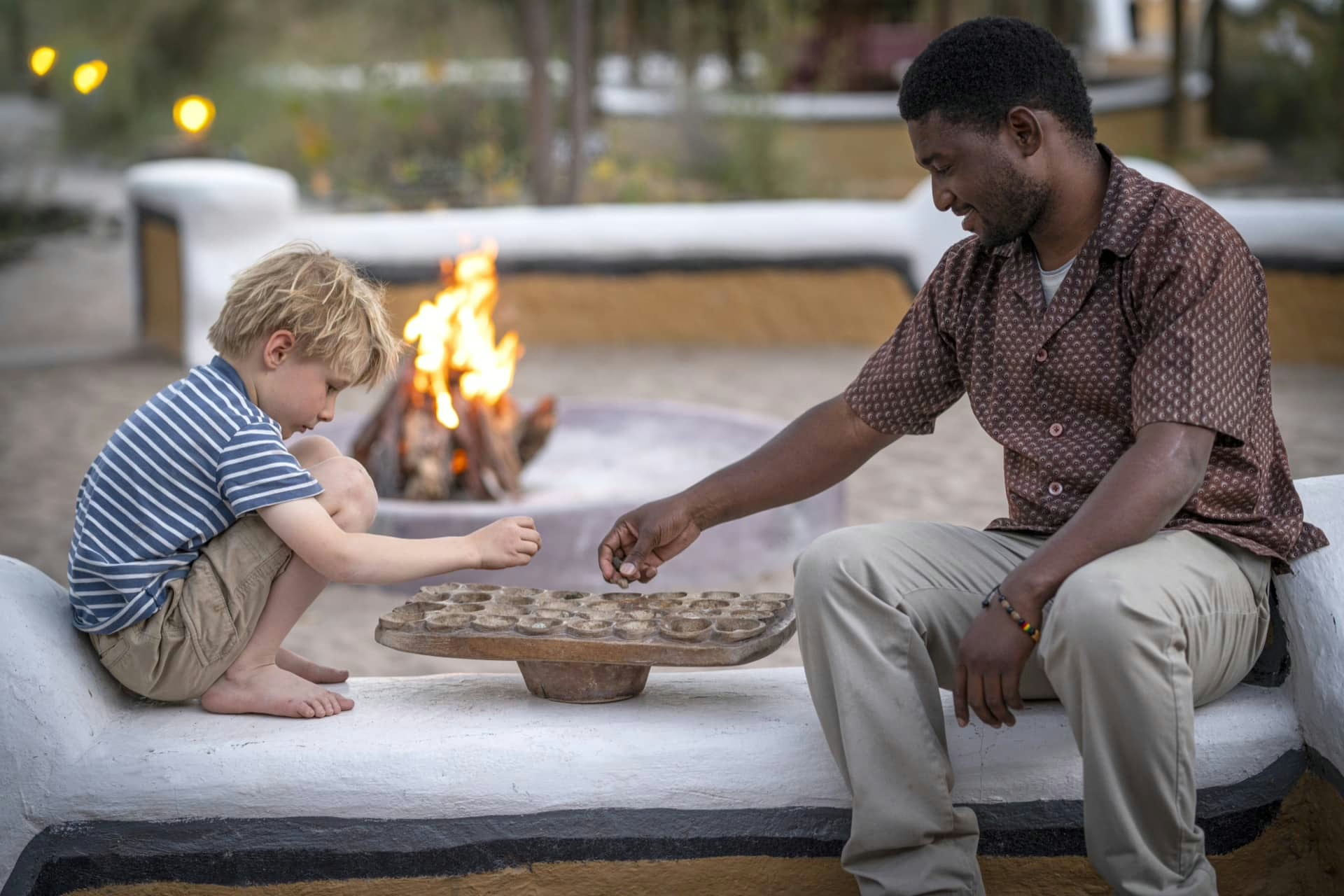
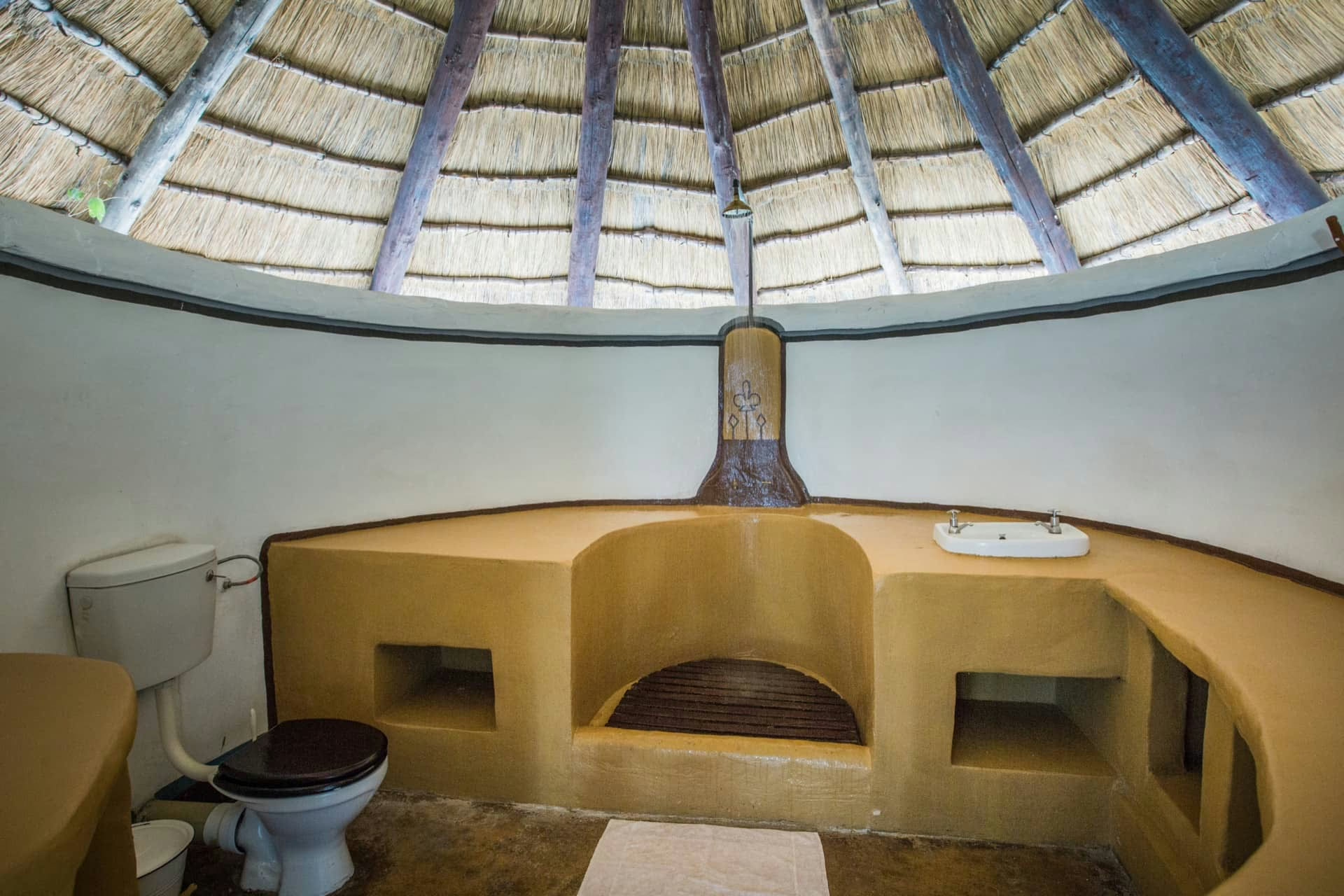
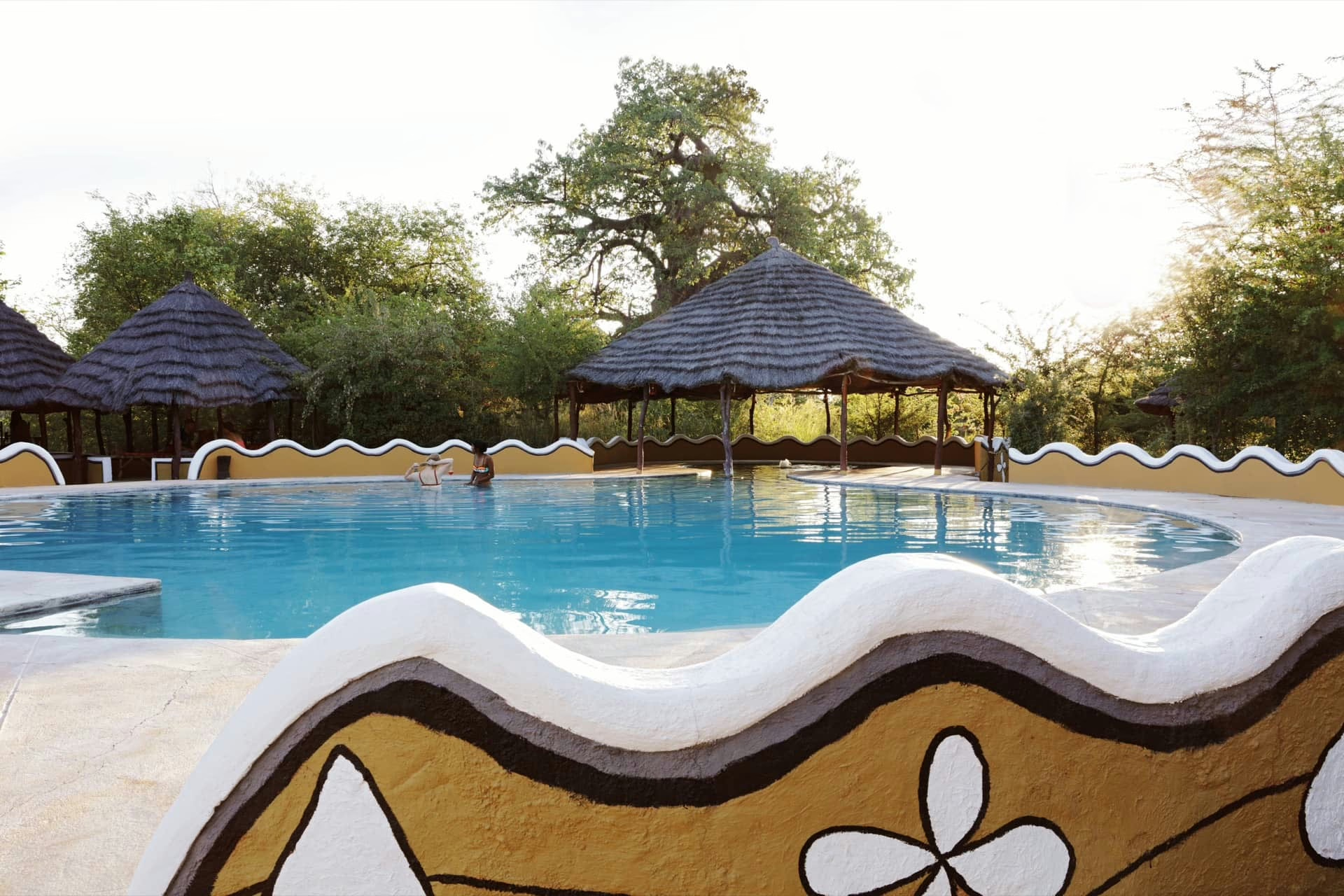
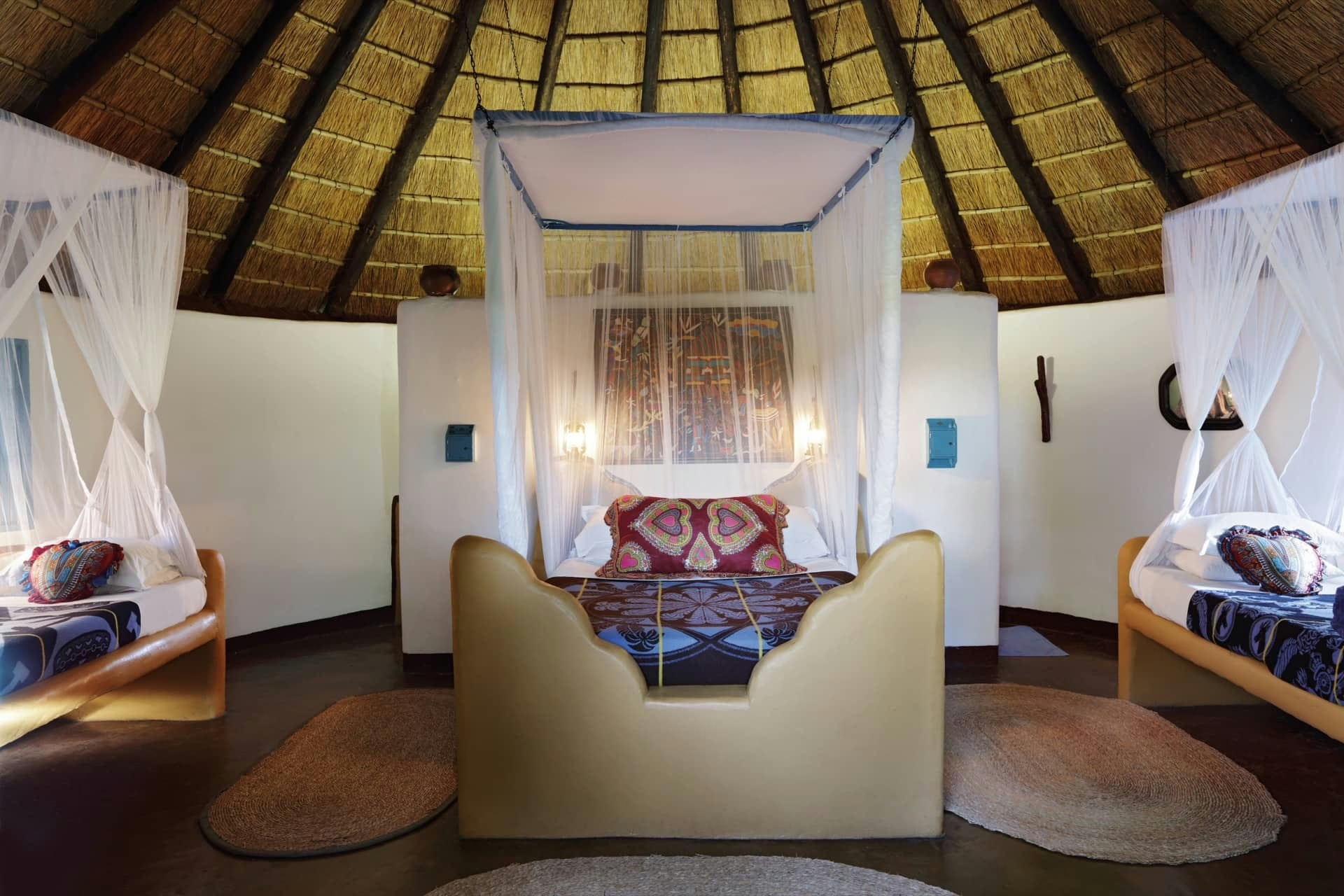
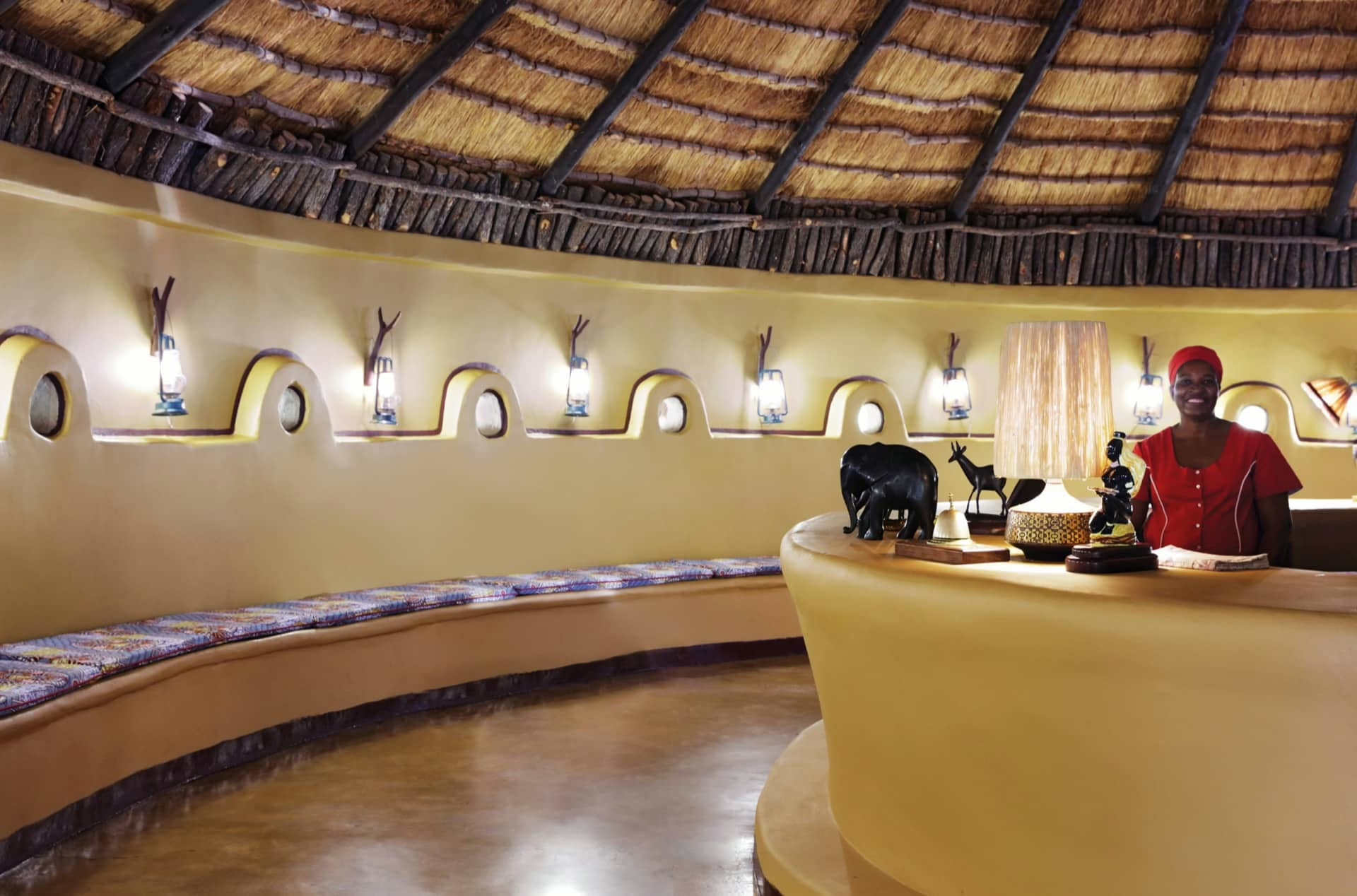
The setup is straightforward and affordable, making it popular with self-drivers, families, and budget-conscious travelers. There are painted Bakalanga huts with en-suite facilities, traditional grass-thatch huts with shared bathrooms, and camping options for those who want to keep costs even lower. The central area features what they call the "funkiest bar in Africa" – a shebeen-style space with wine-bottle chandeliers and cow-hide chairs where travelers and locals mix. There's also a massive swimming pool that's genuinely welcome after hours of driving through the Kalahari heat.
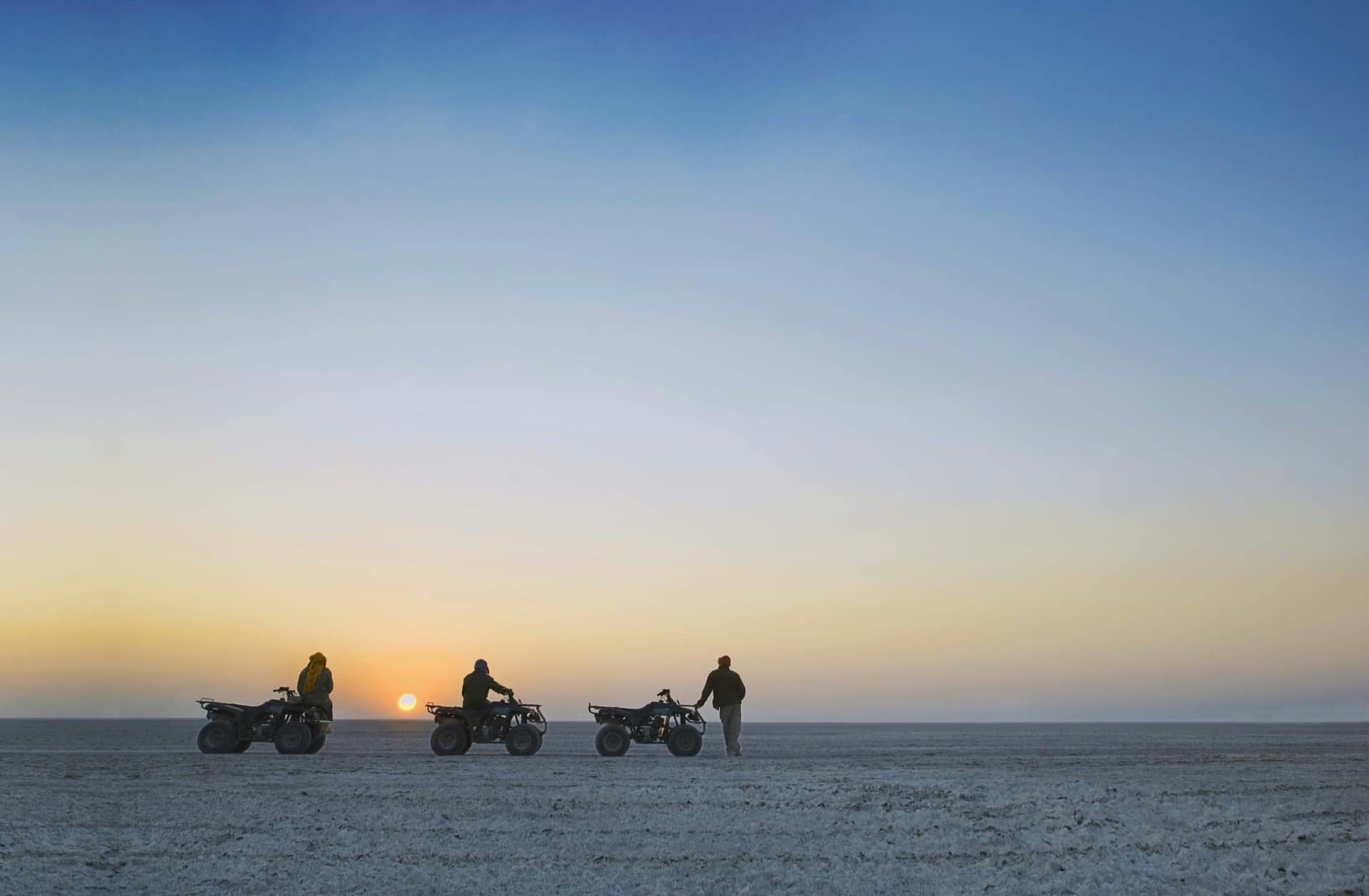
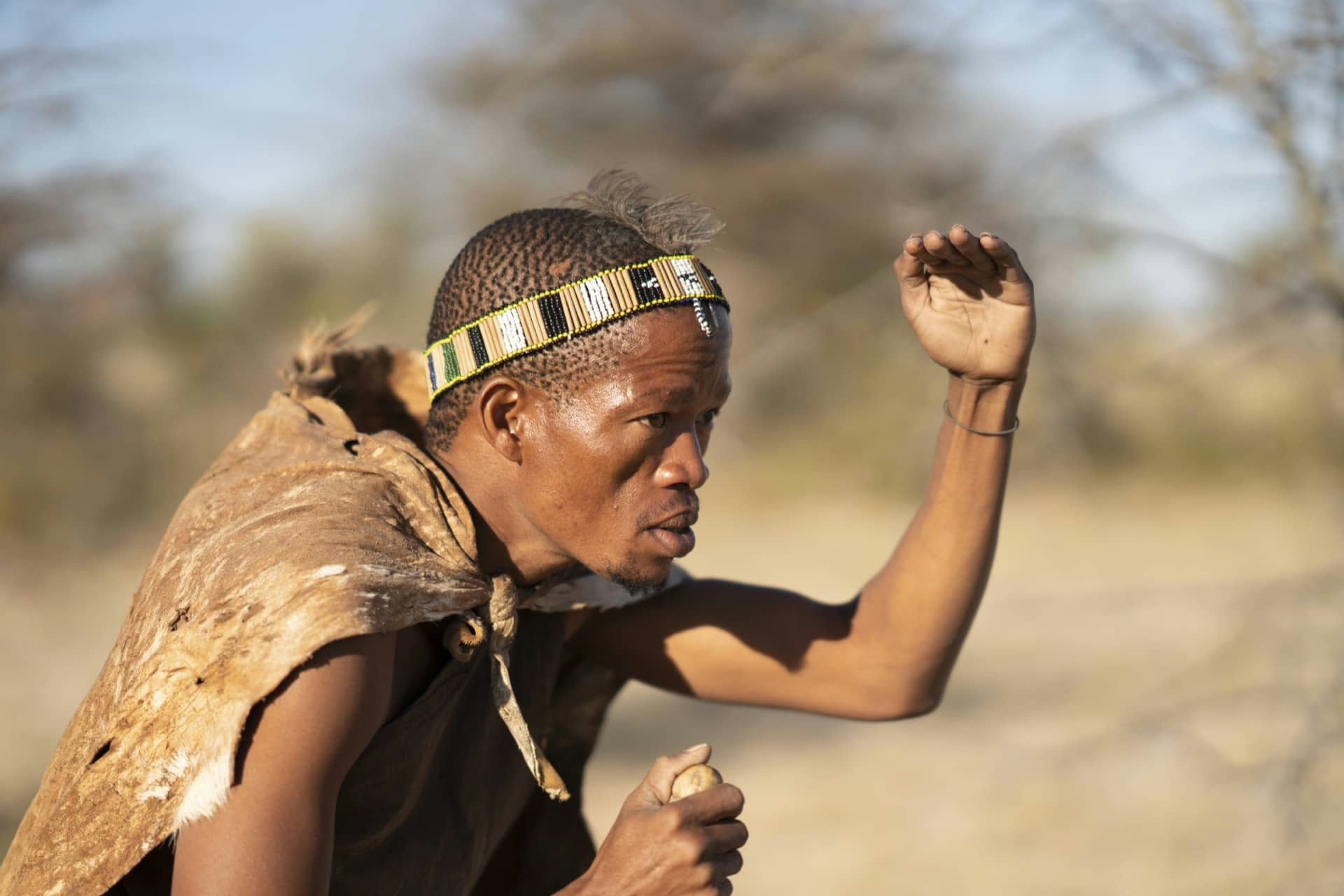
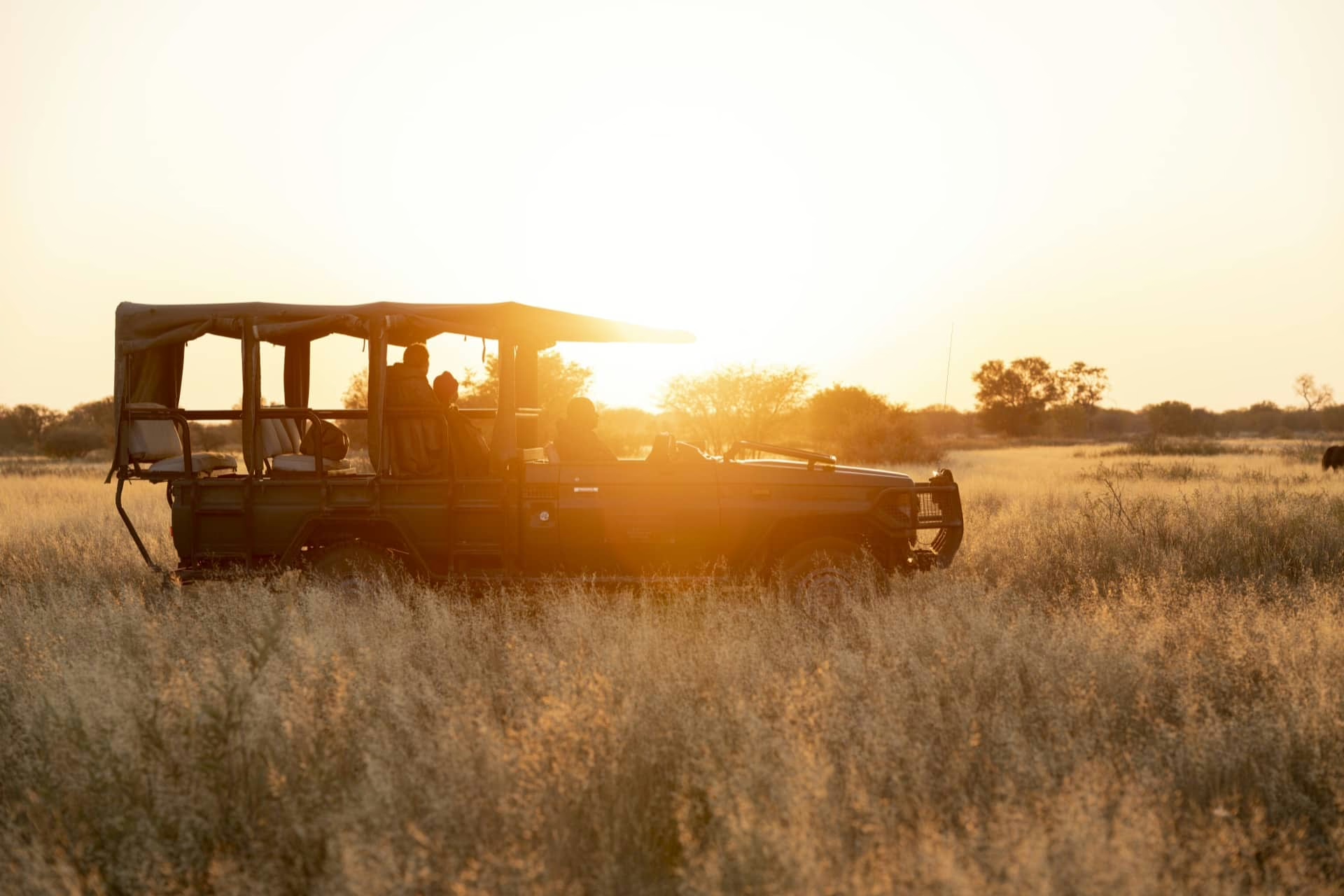
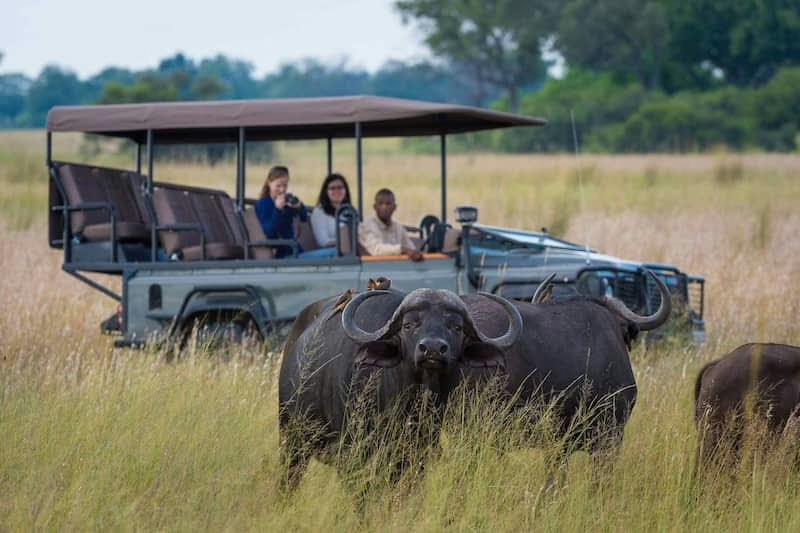
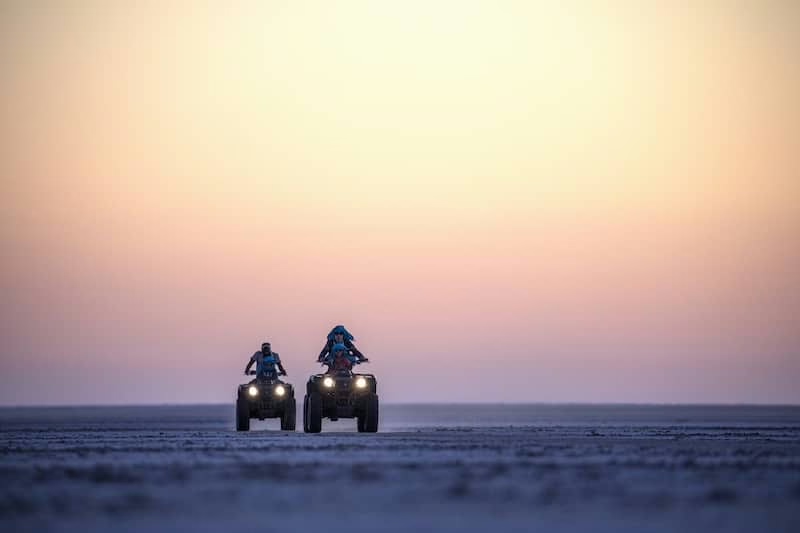
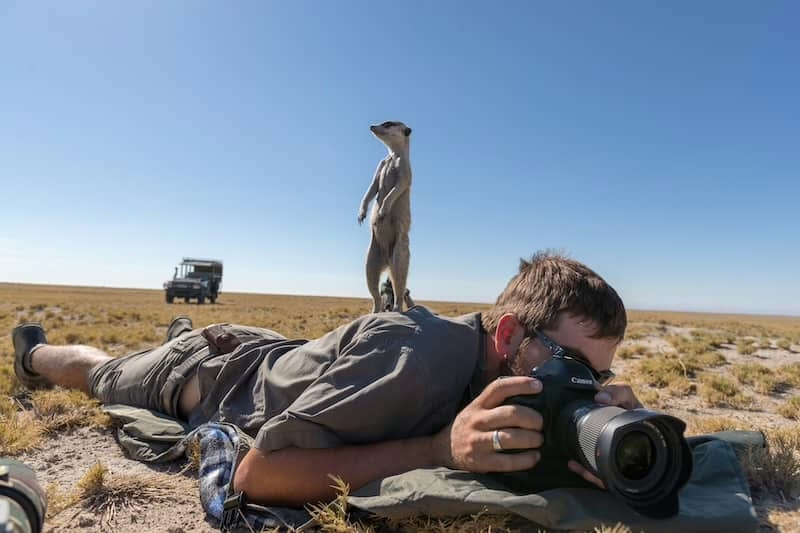
Activities here focus on the unique desert landscape rather than traditional big game viewing. You can visit habituated meerkats, quad bike across the pans during dry season, sleep out under impossibly starry skies, take guided walks through the baobab forest, or visit local villages and cattle posts for cultural experiences. During the wet season, the area attracts the second-largest mammal migration in Africa with thousands of zebra and wildebeest moving through. It's deliberately down-to-earth and unpretentious – the kind of place where the atmosphere and location matter more than the thread count.