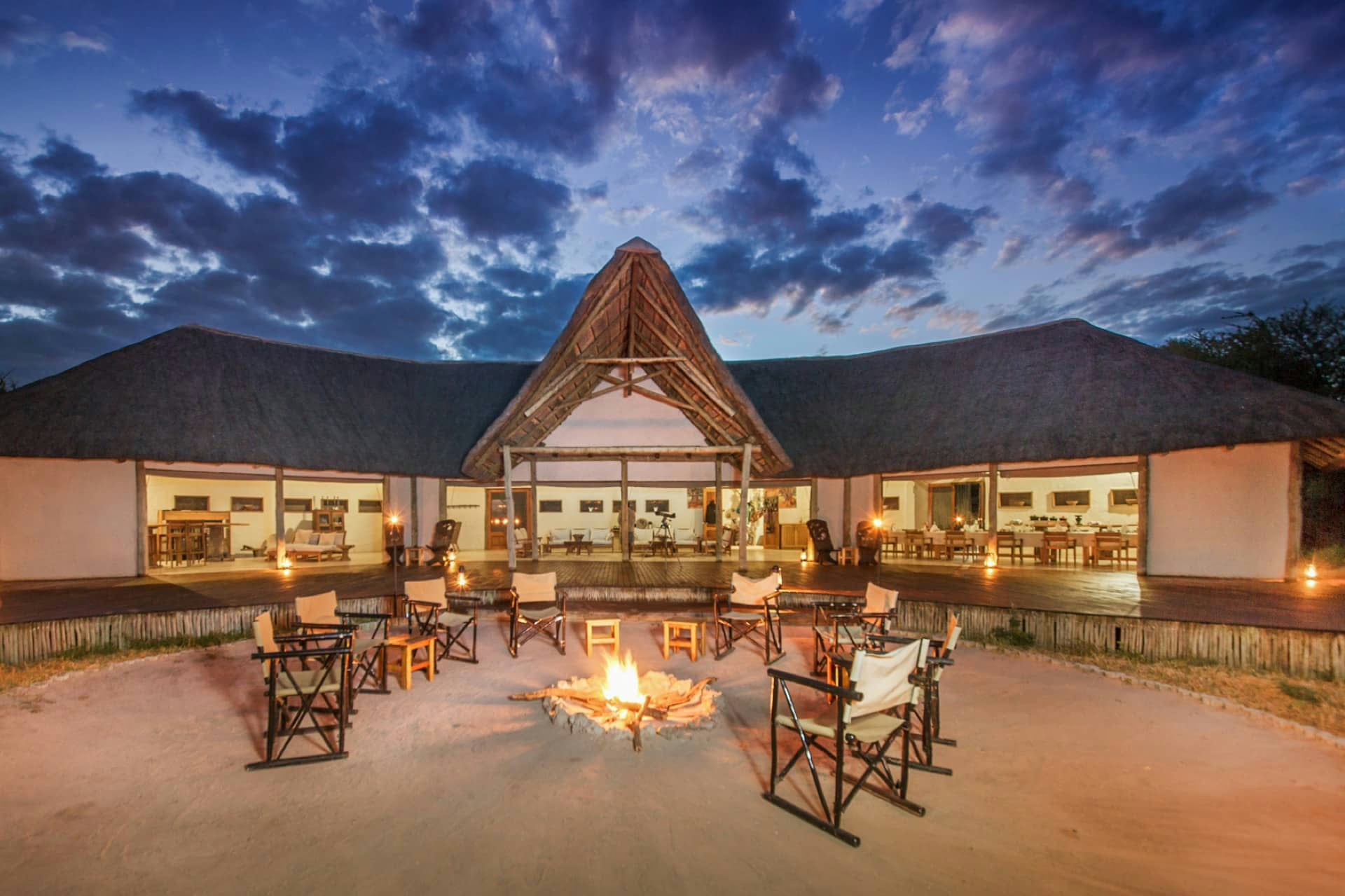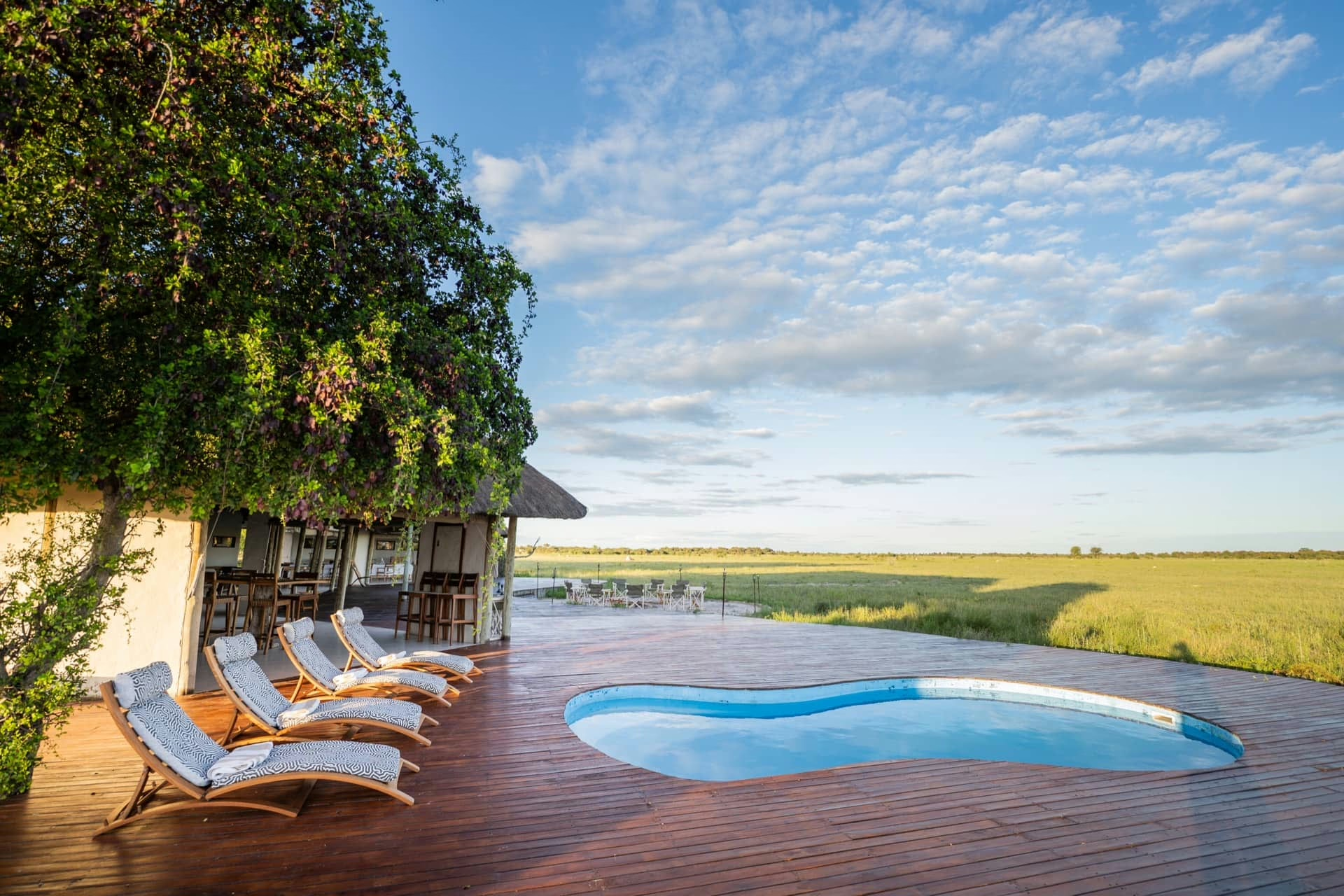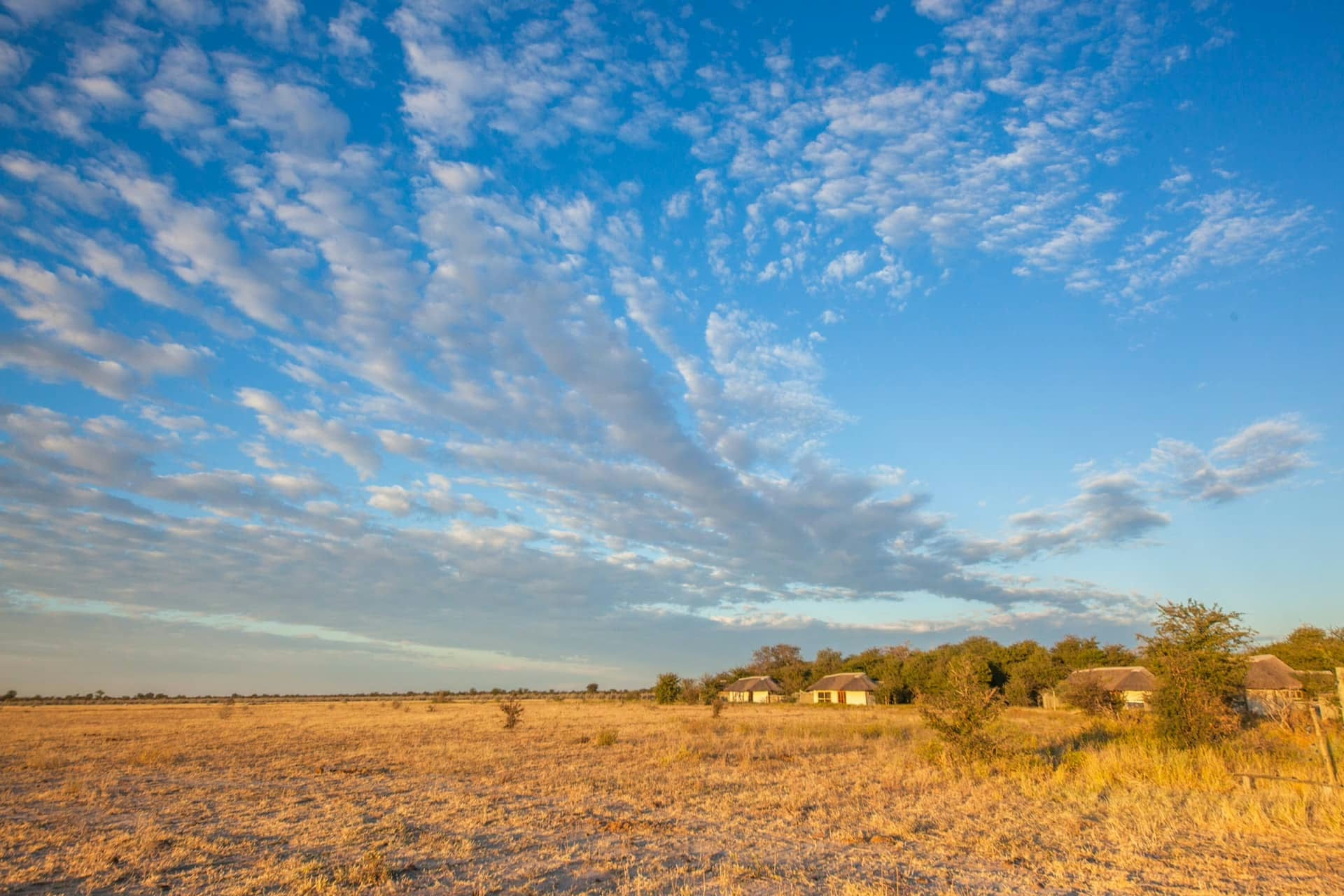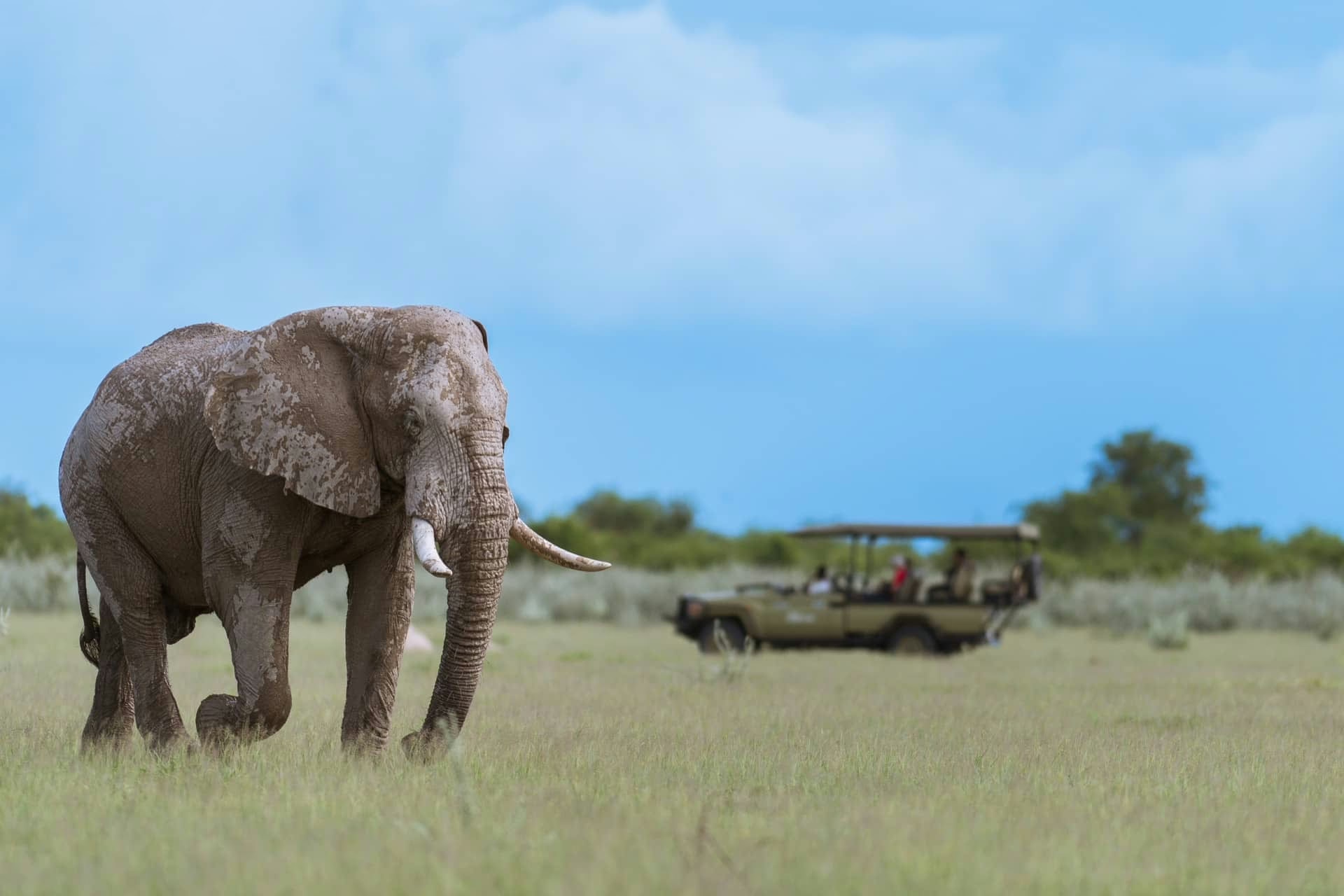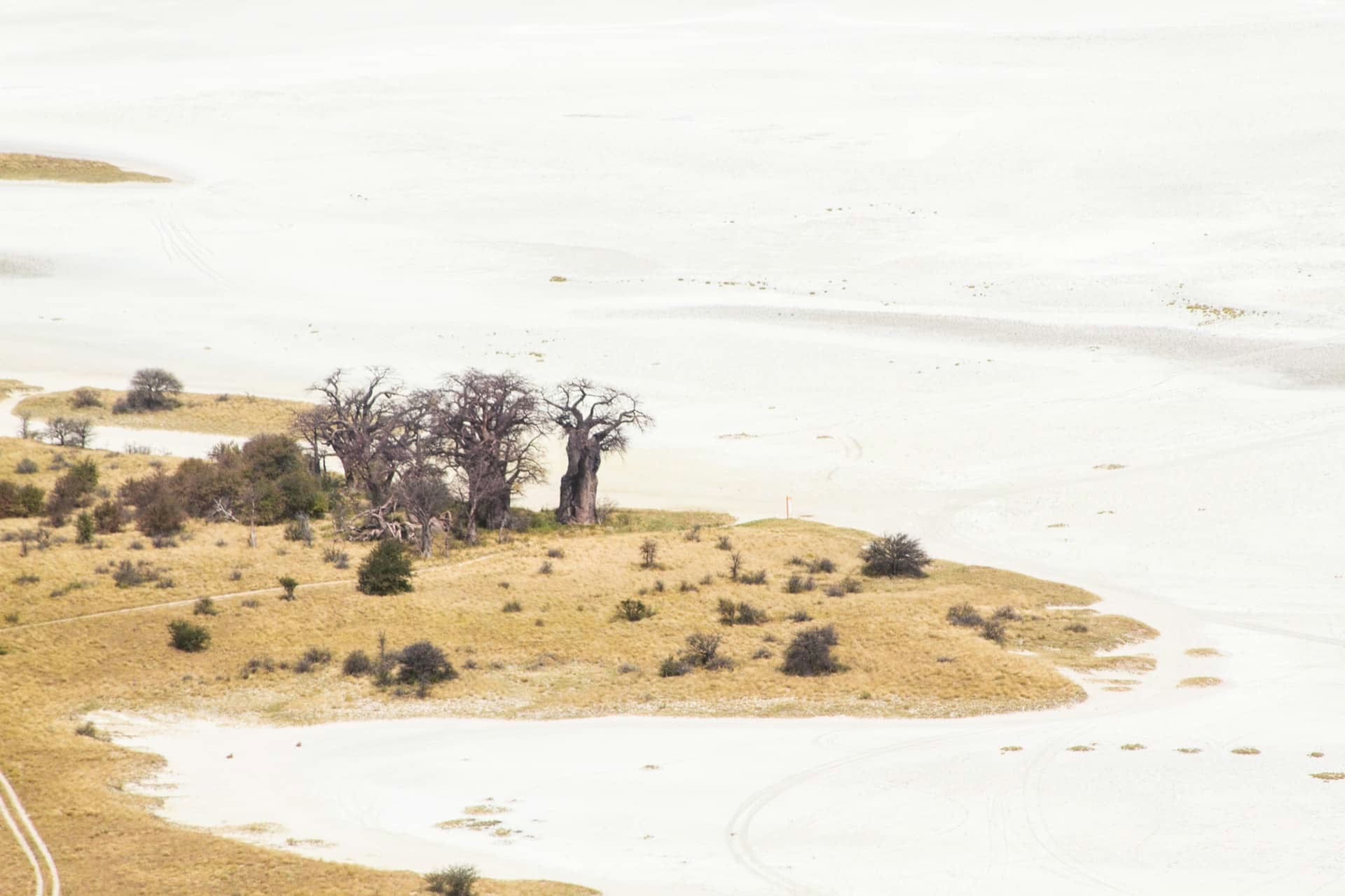
Nxai Pan Camp stands as the sole permanent safari lodge within Nxai Pan National Park, an extension of the vast Makgadikgadi Salt Pans. Opened in 2009, this distinctive camp occupies a position on the eastern edge of Nxai Pan, overlooking grassland plains that were once part of an ancient inland sea that evaporated thousands of years ago. The park encompasses approximately 2,600 square kilometers and maintains its position on the northern boundary of the Makgadikgadi Basin—a stark, otherworldly landscape defined by surreal geological formations and seasonal wildlife spectacles.
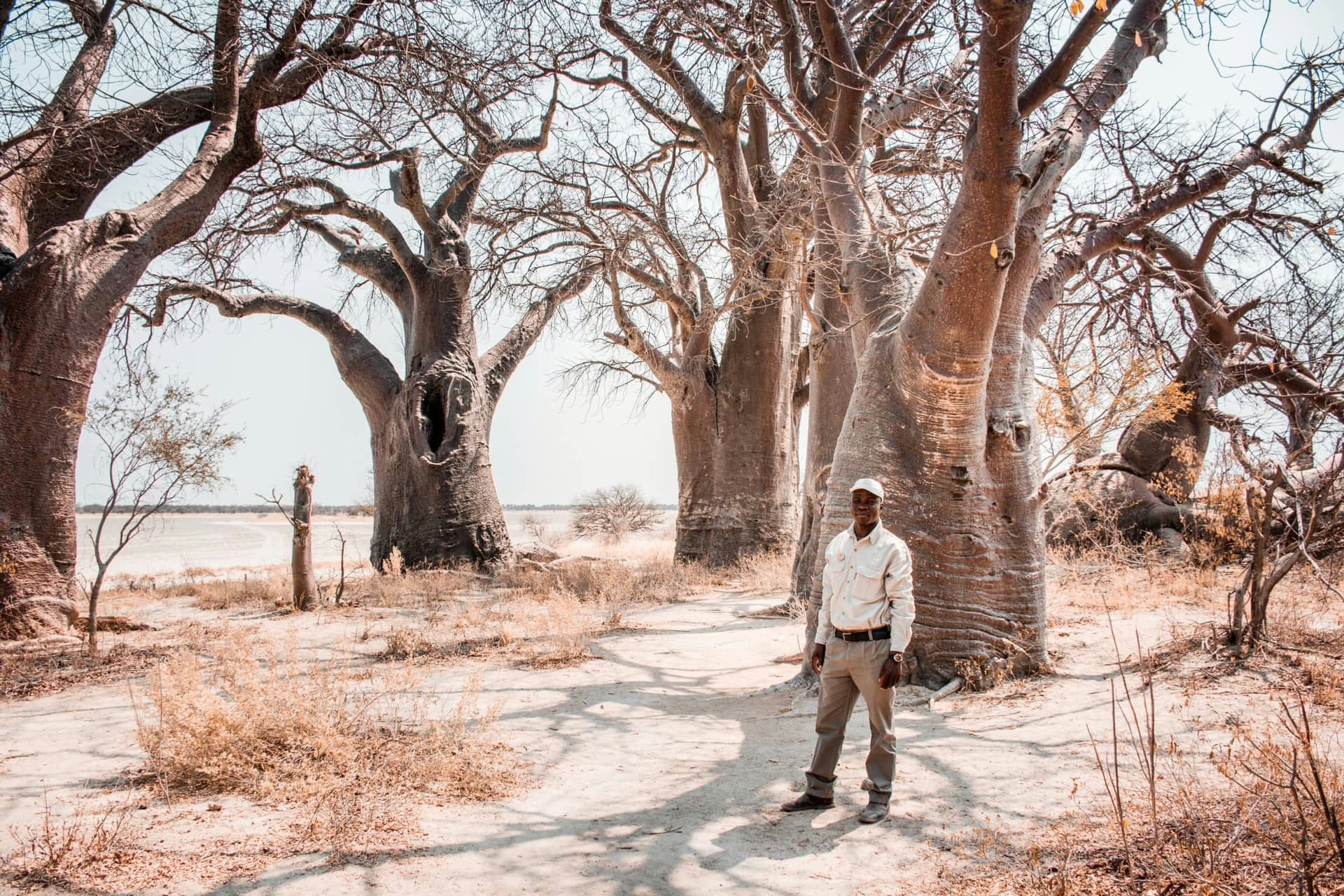
The park's primary claim to international recognition centers on two defining phenomena. First, the legendary Baines Baobabs—seven ancient trees estimated at over 1,000 years old, painted by nineteenth-century explorer Thomas Baines in 1862 and appearing virtually unchanged today. Second, and more dramatically, the seasonal zebra migration that occurs between November and April, when thousands of plains game arrive to graze on freshly emerged grasses following summer rains. This migration represents Africa's second-largest animal movement, rivaled only by the Serengeti's Great Migration.
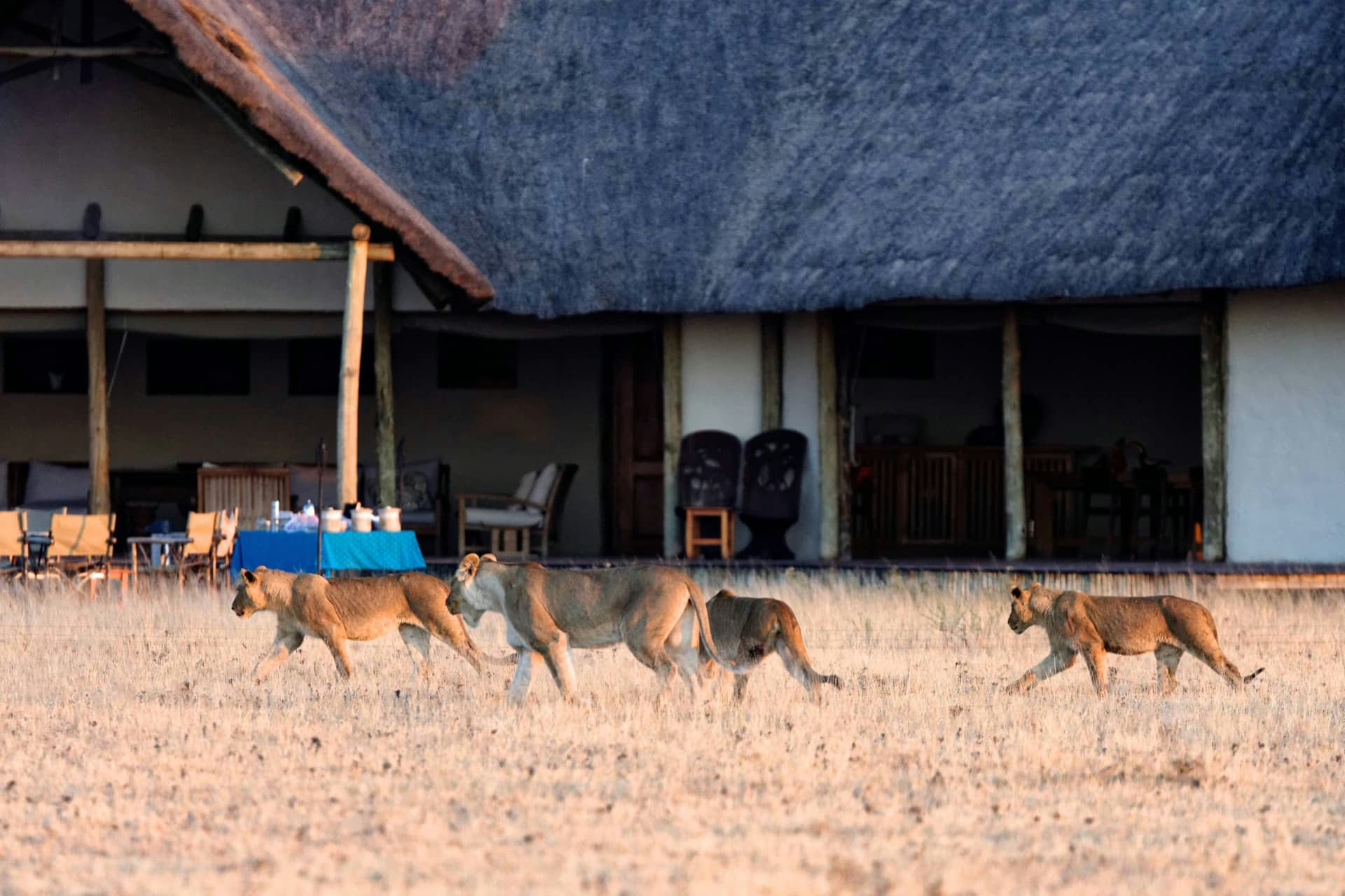
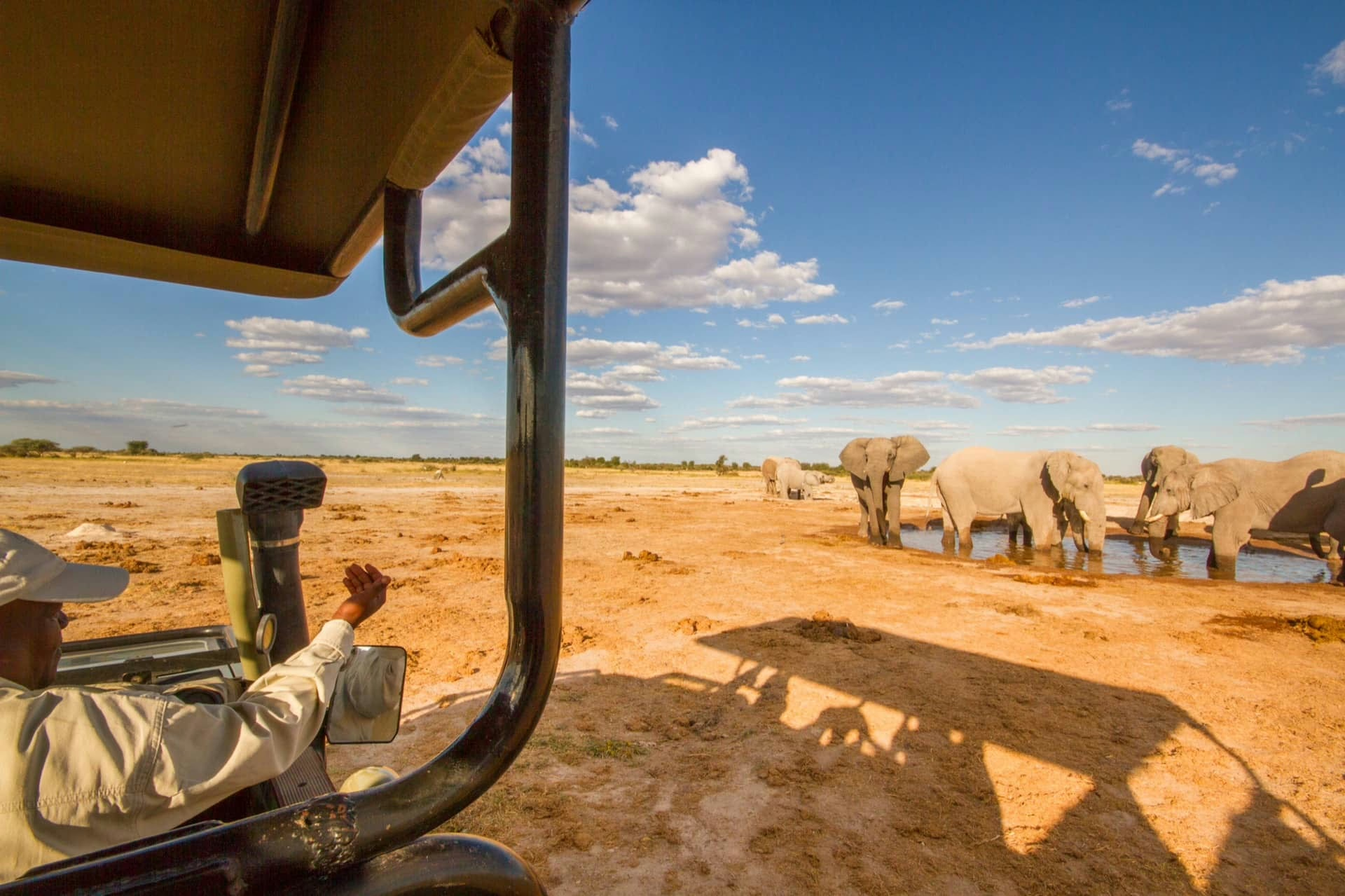
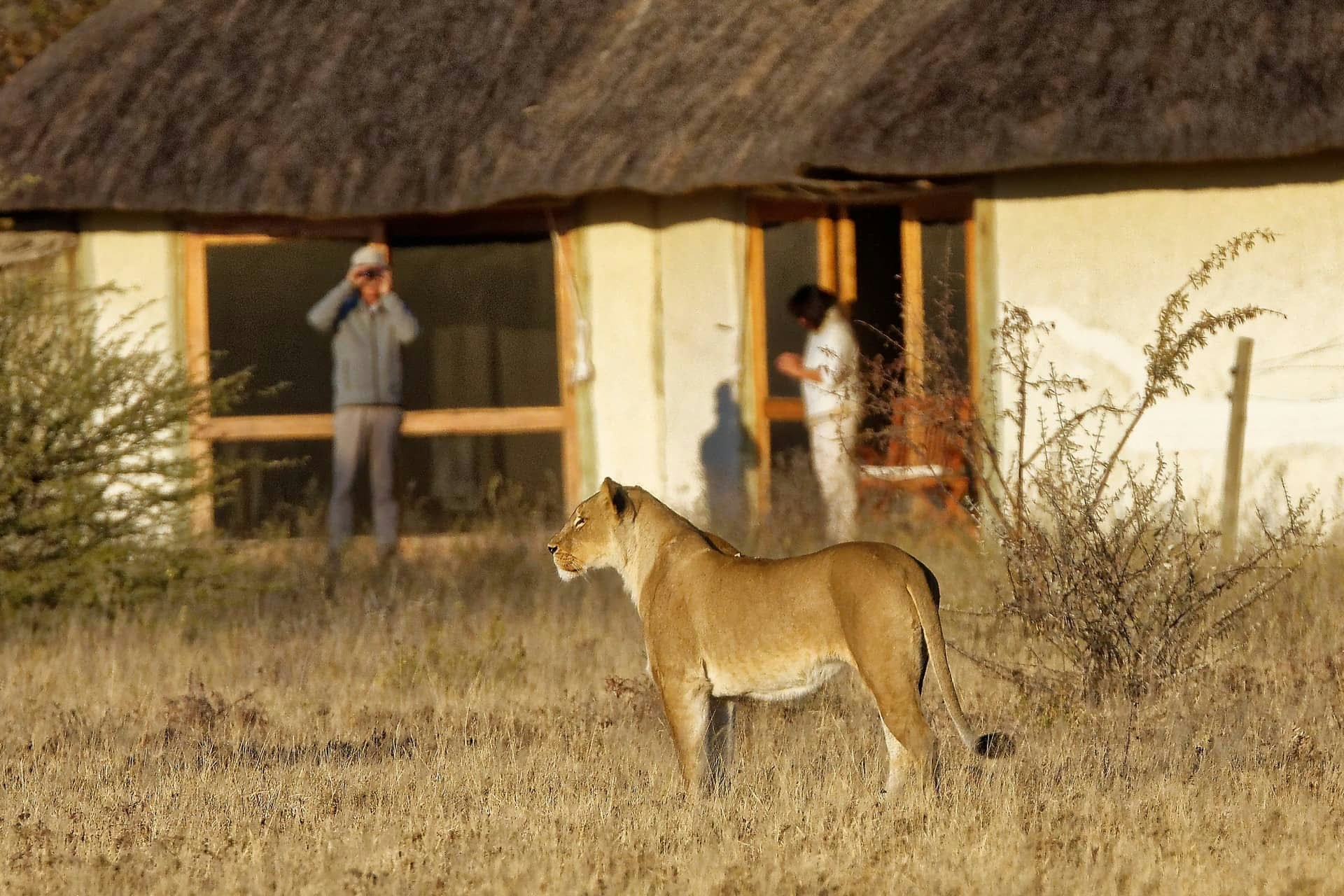
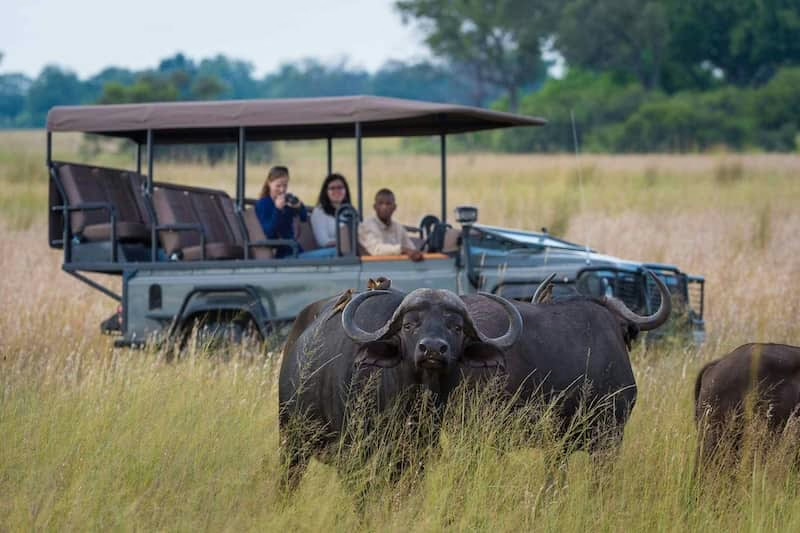
The landscape transforms dramatically with seasons. During dry months, the pans become desolate expanses where wildlife congregates around permanent waterholes, creating opportunities to observe gemsbok, springbok, hartebeest, giraffe, and predators including lions, cheetahs, and wild dogs. Rainy season abundance converts the landscape into lush grasslands teeming with herbivore concentrations that attract predators. Over 300 bird species inhabit the area, with exceptional diversity during wetter months when migratory species arrive alongside resident populations.
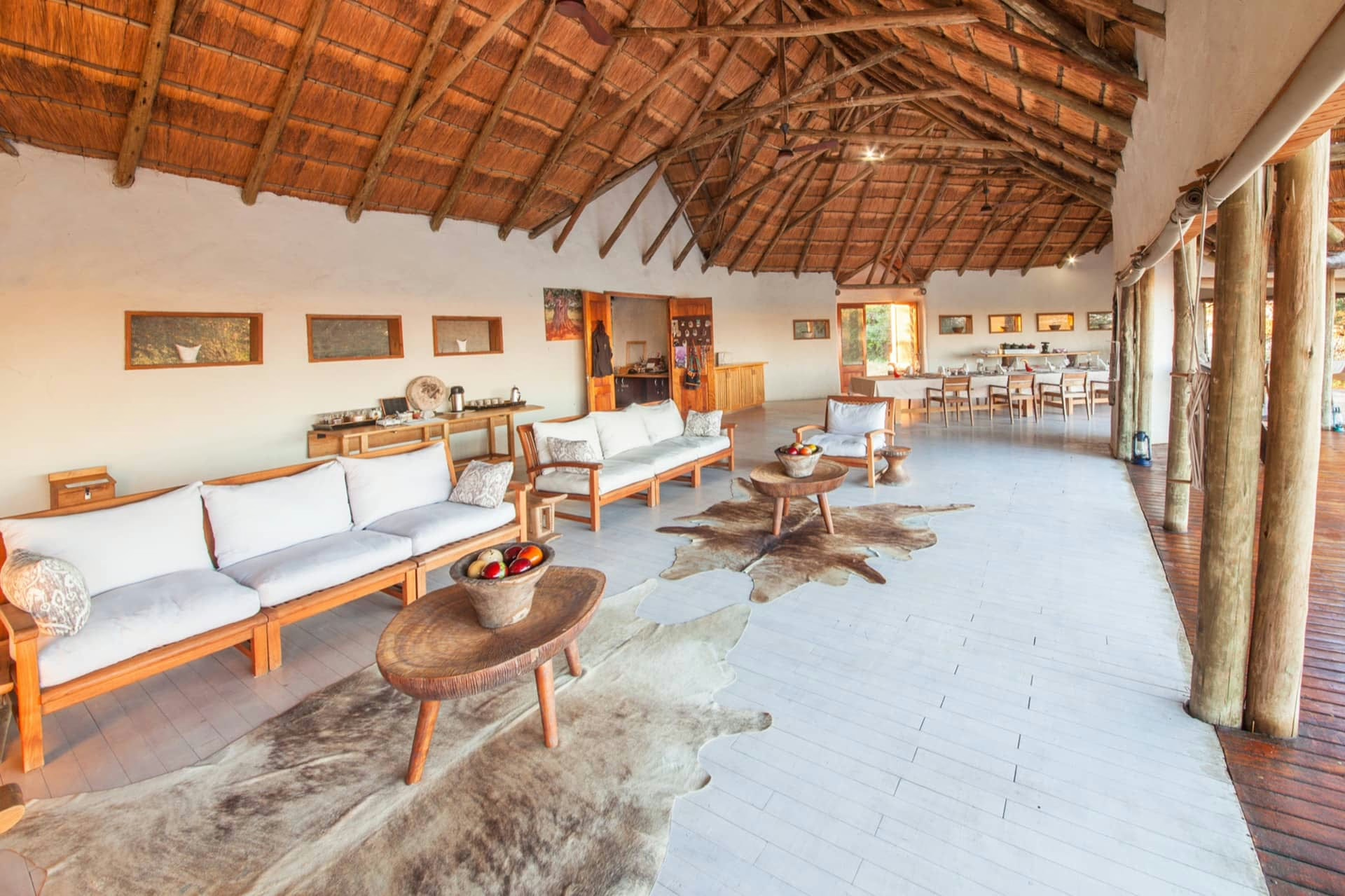
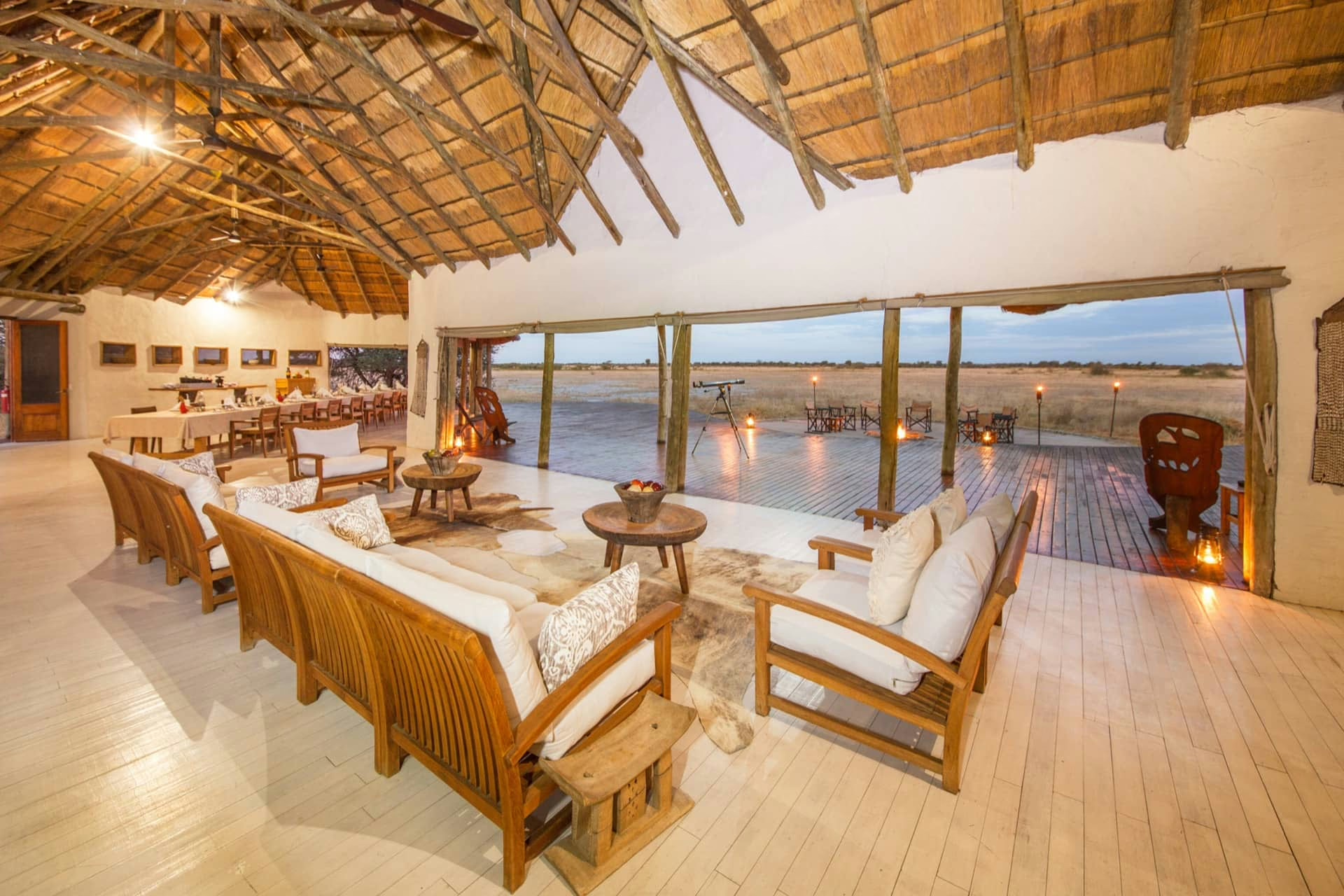
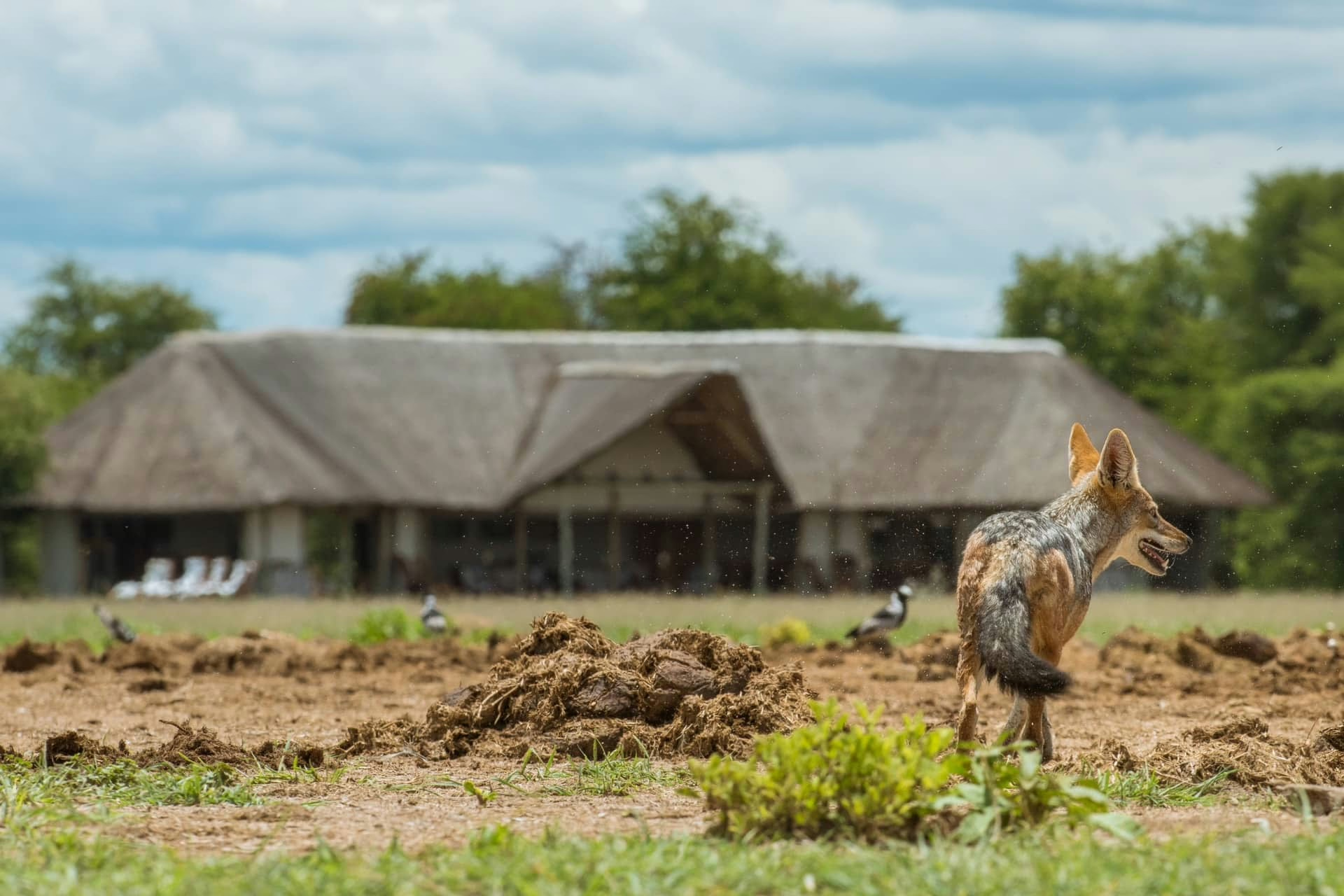
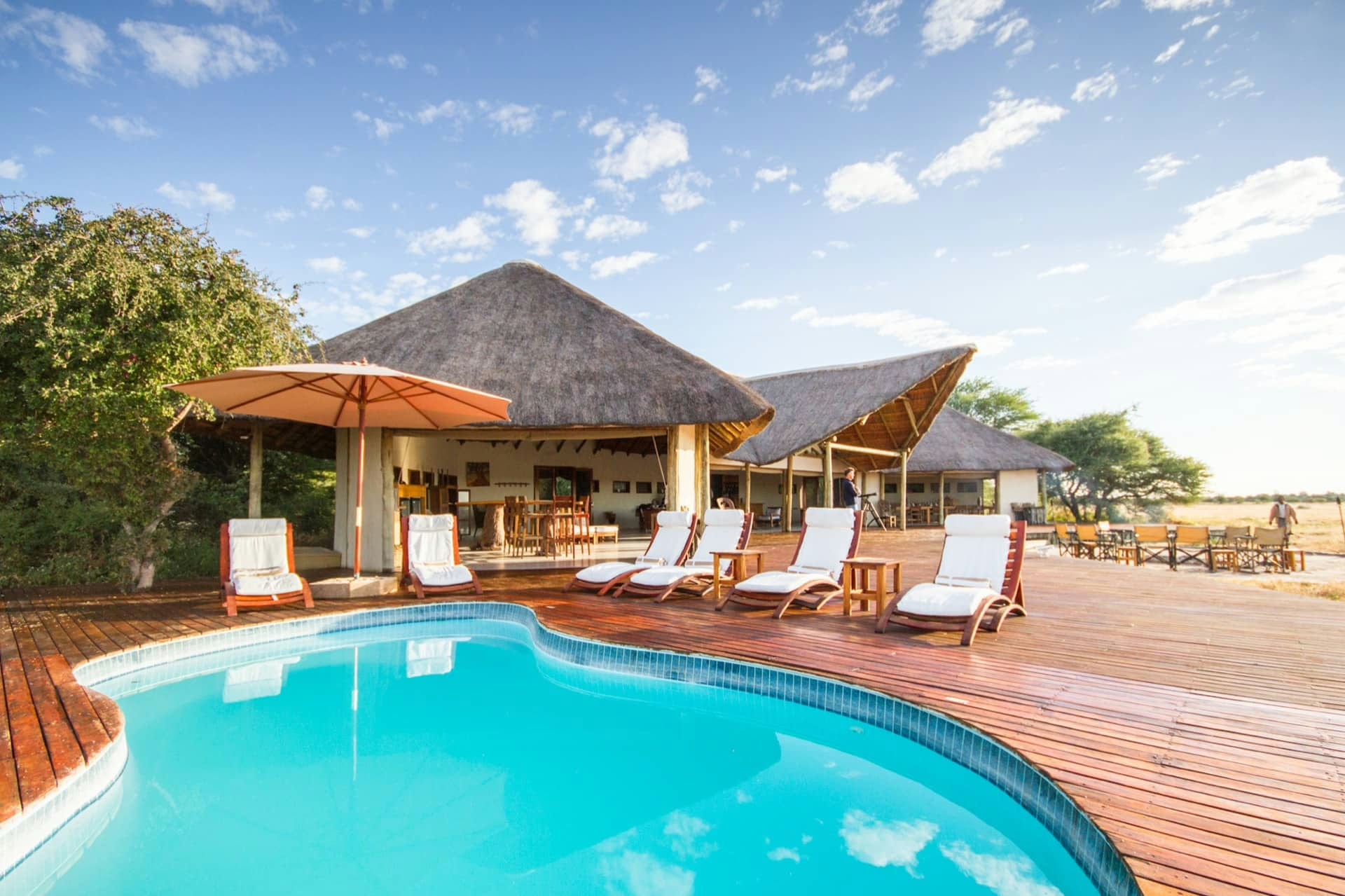
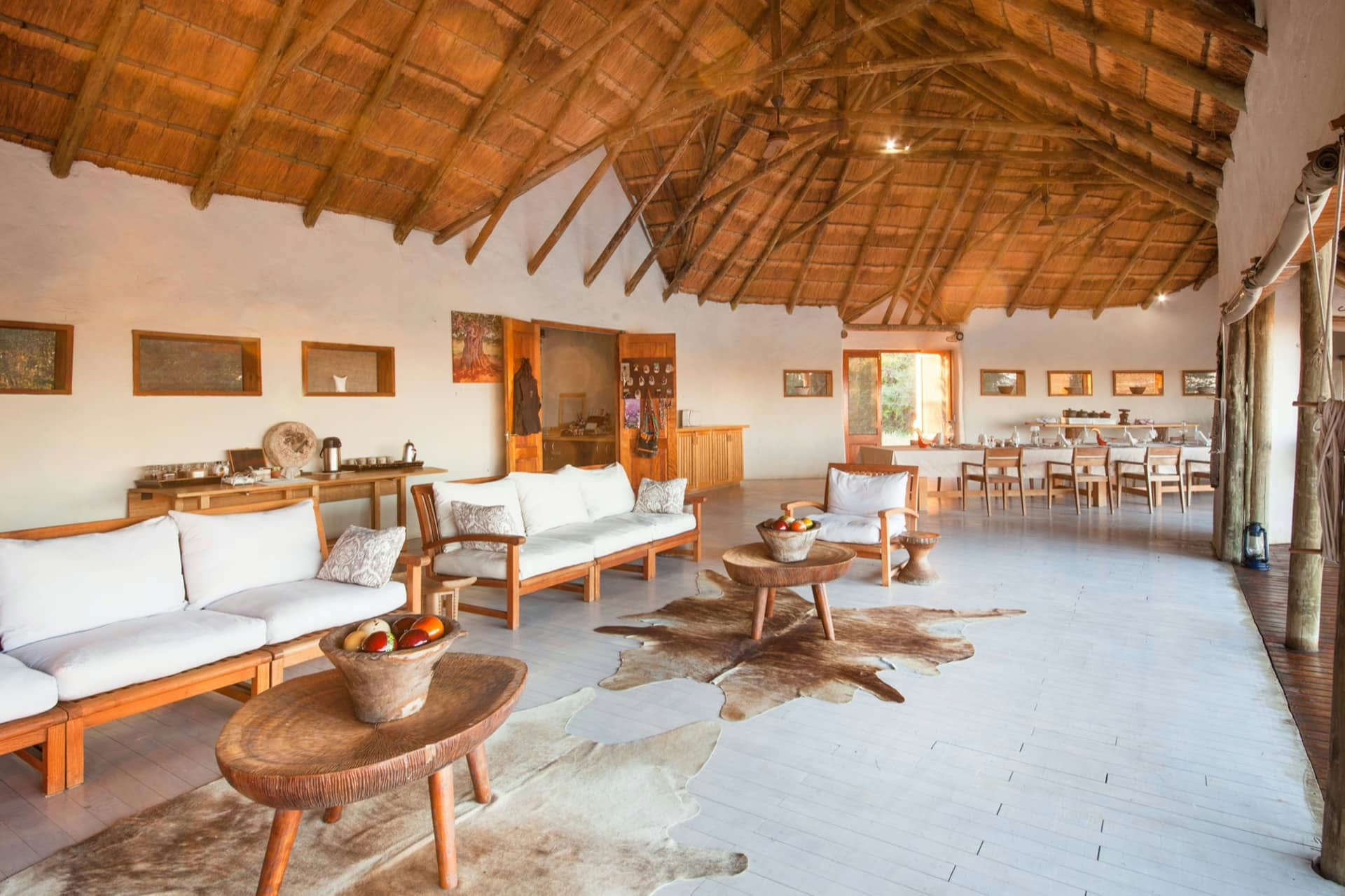
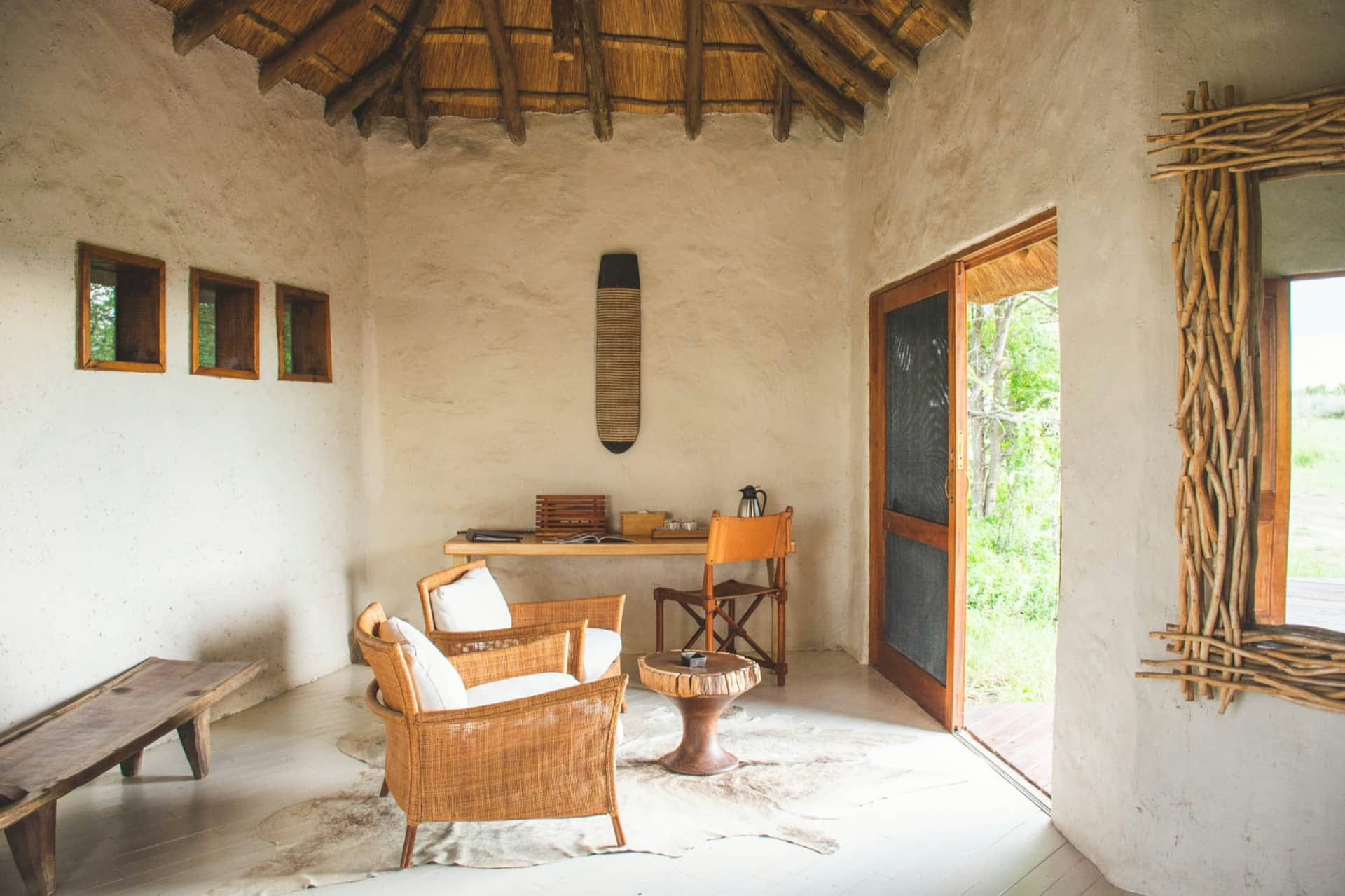
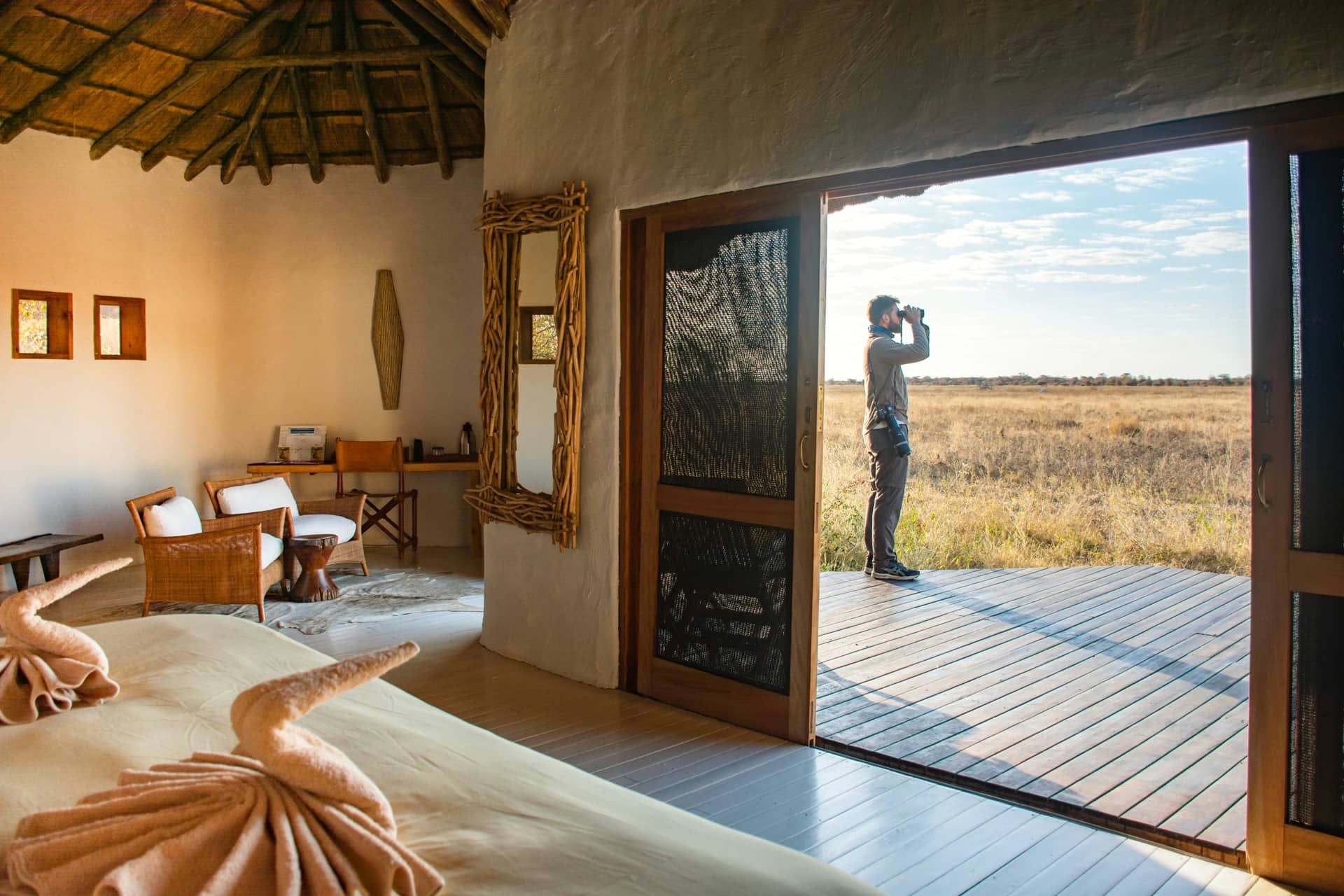
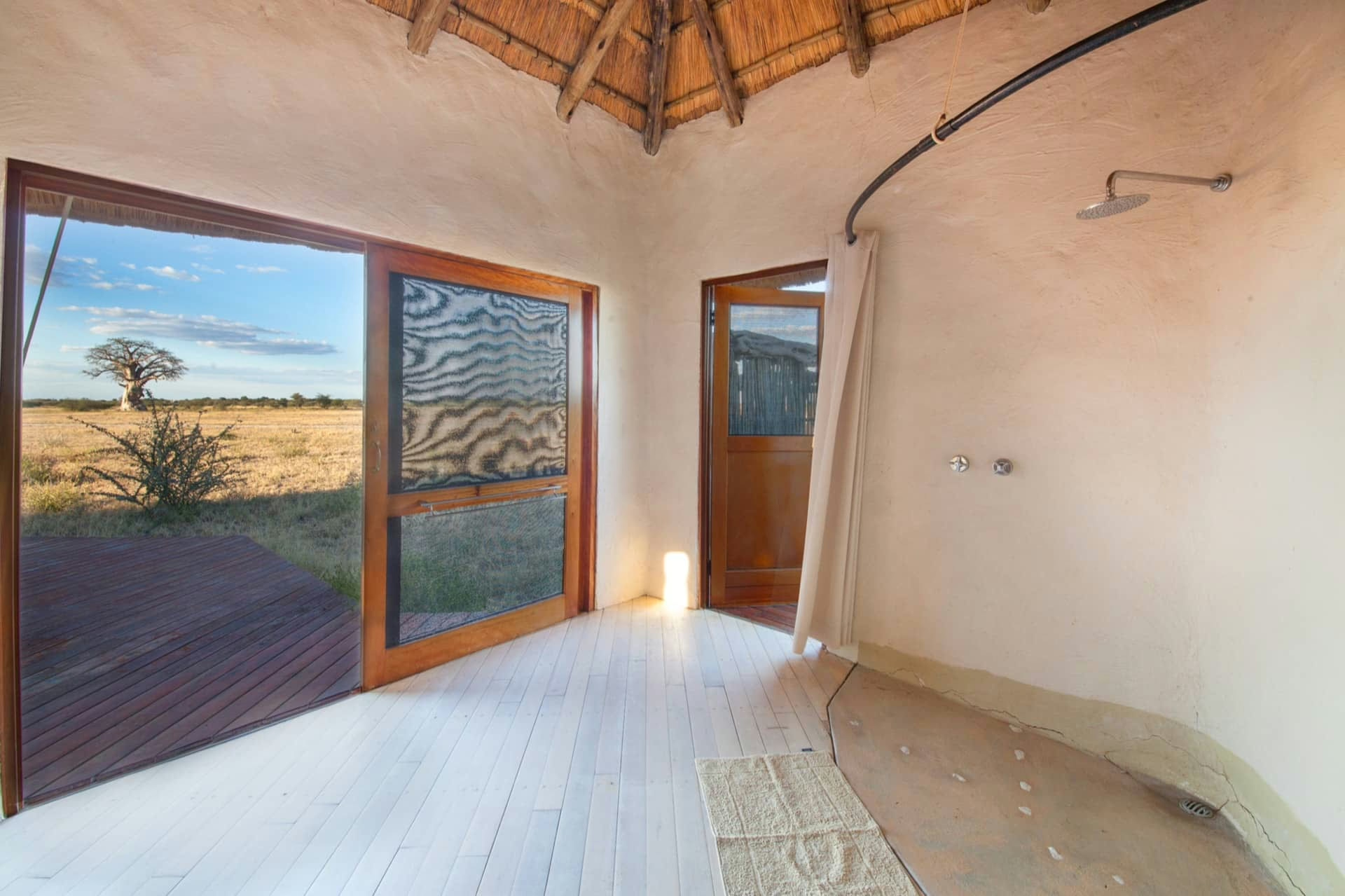
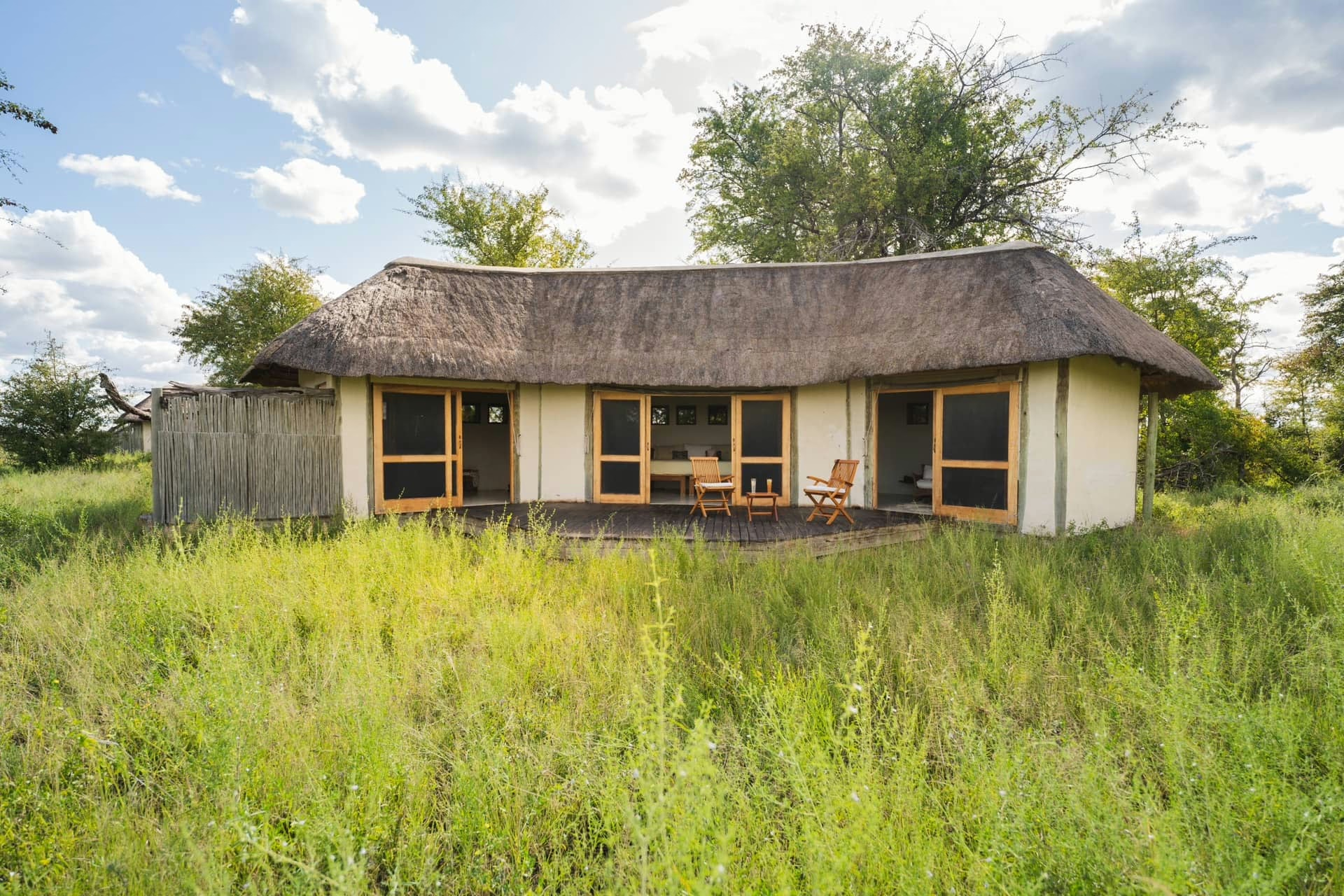
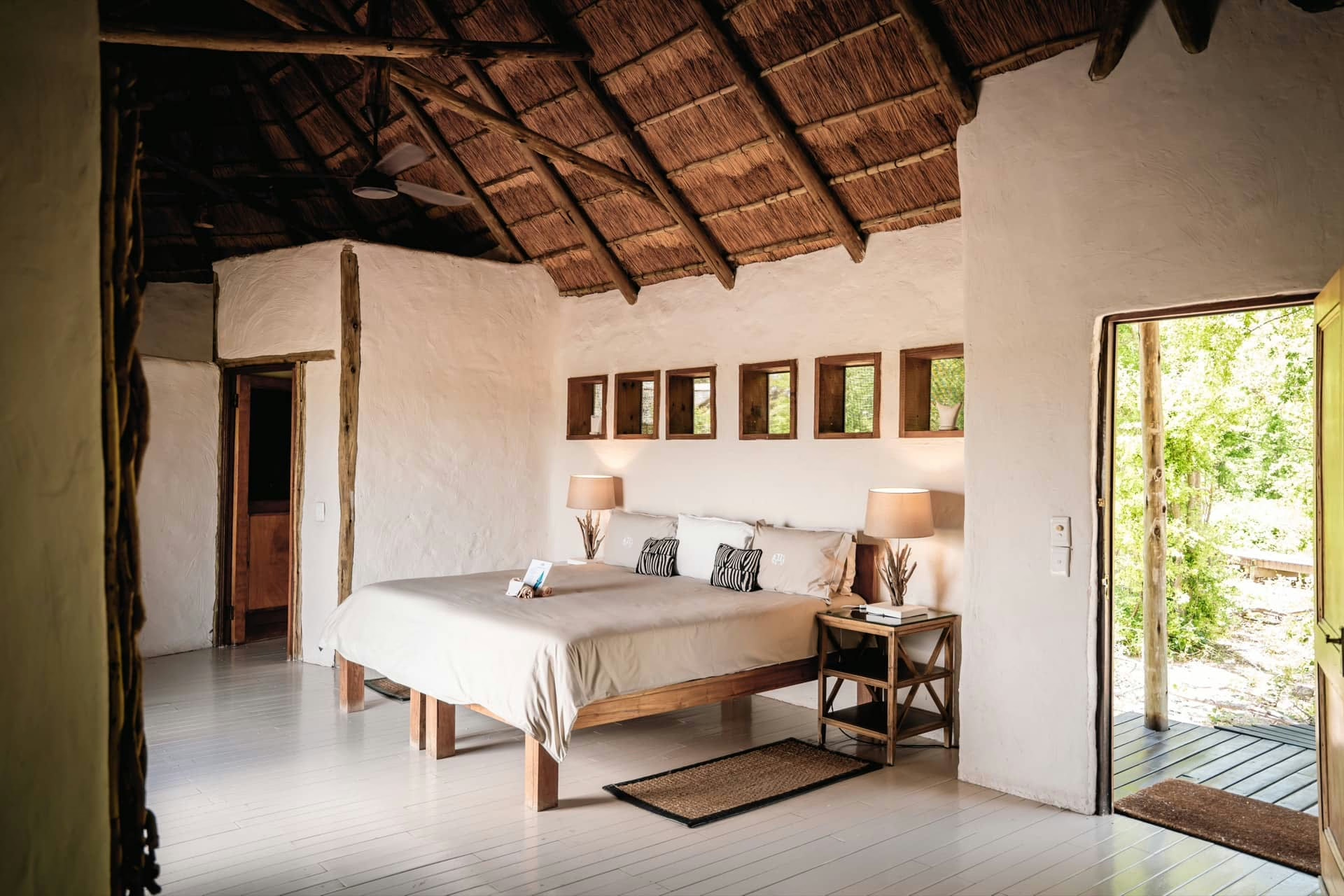
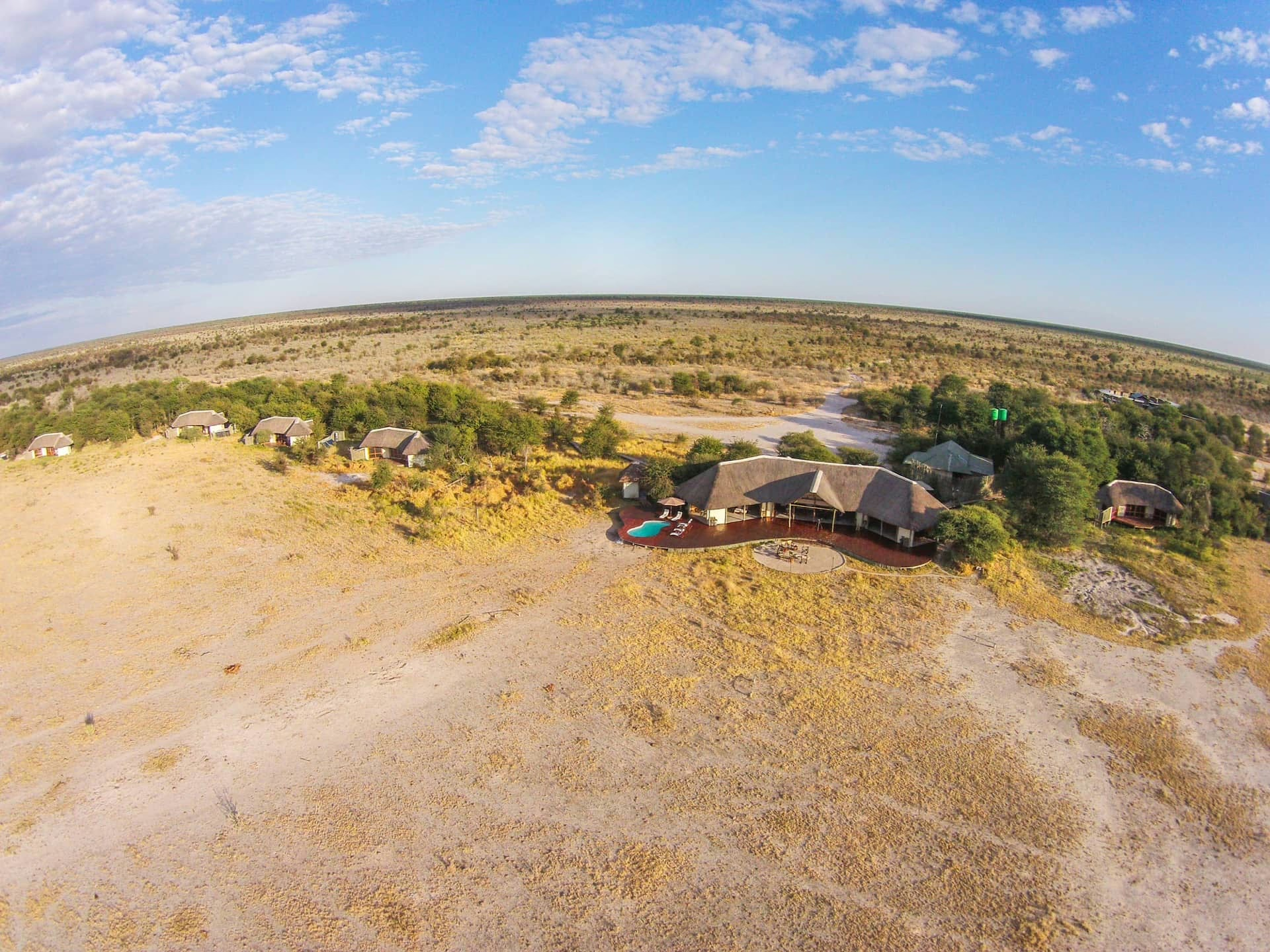
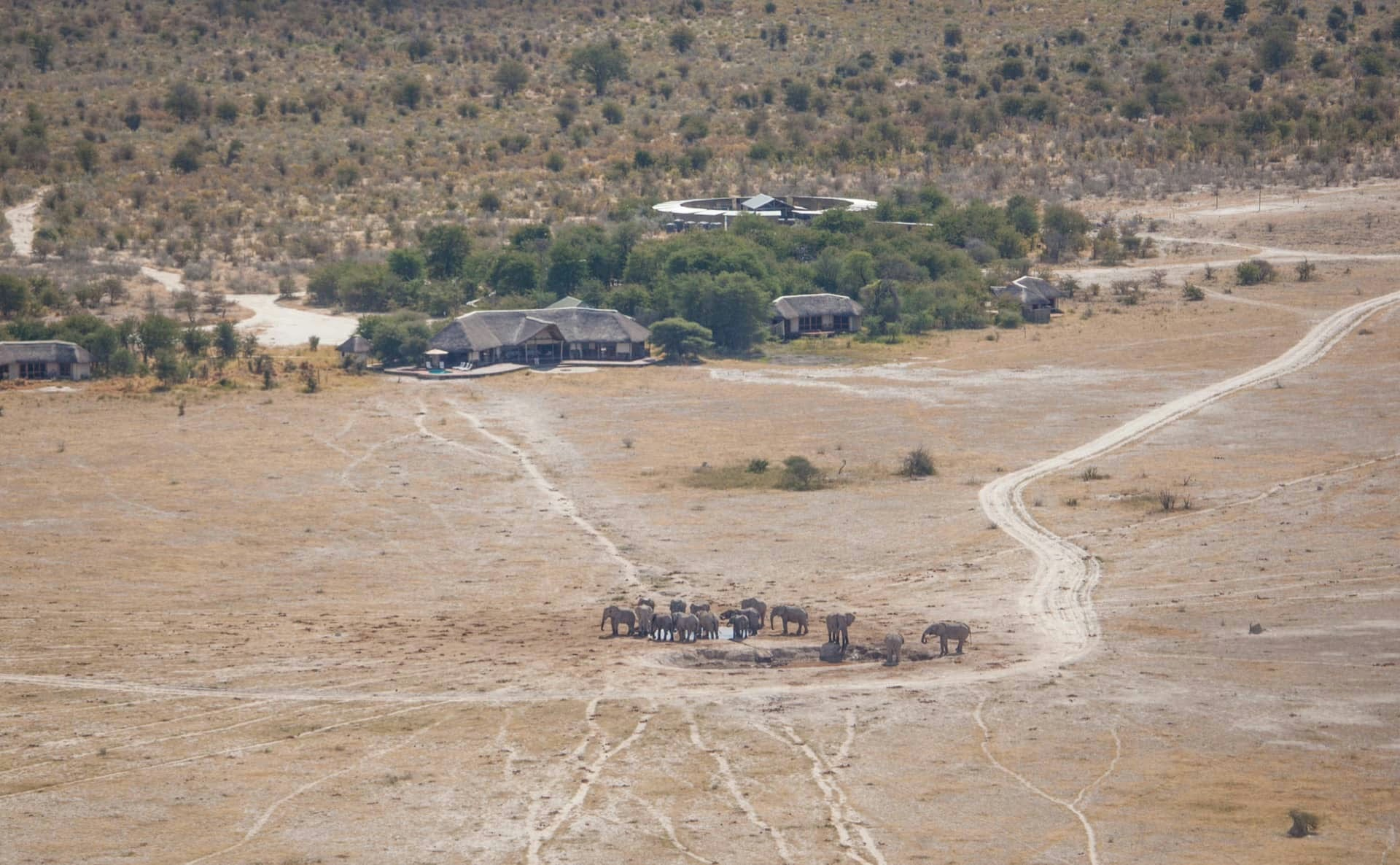
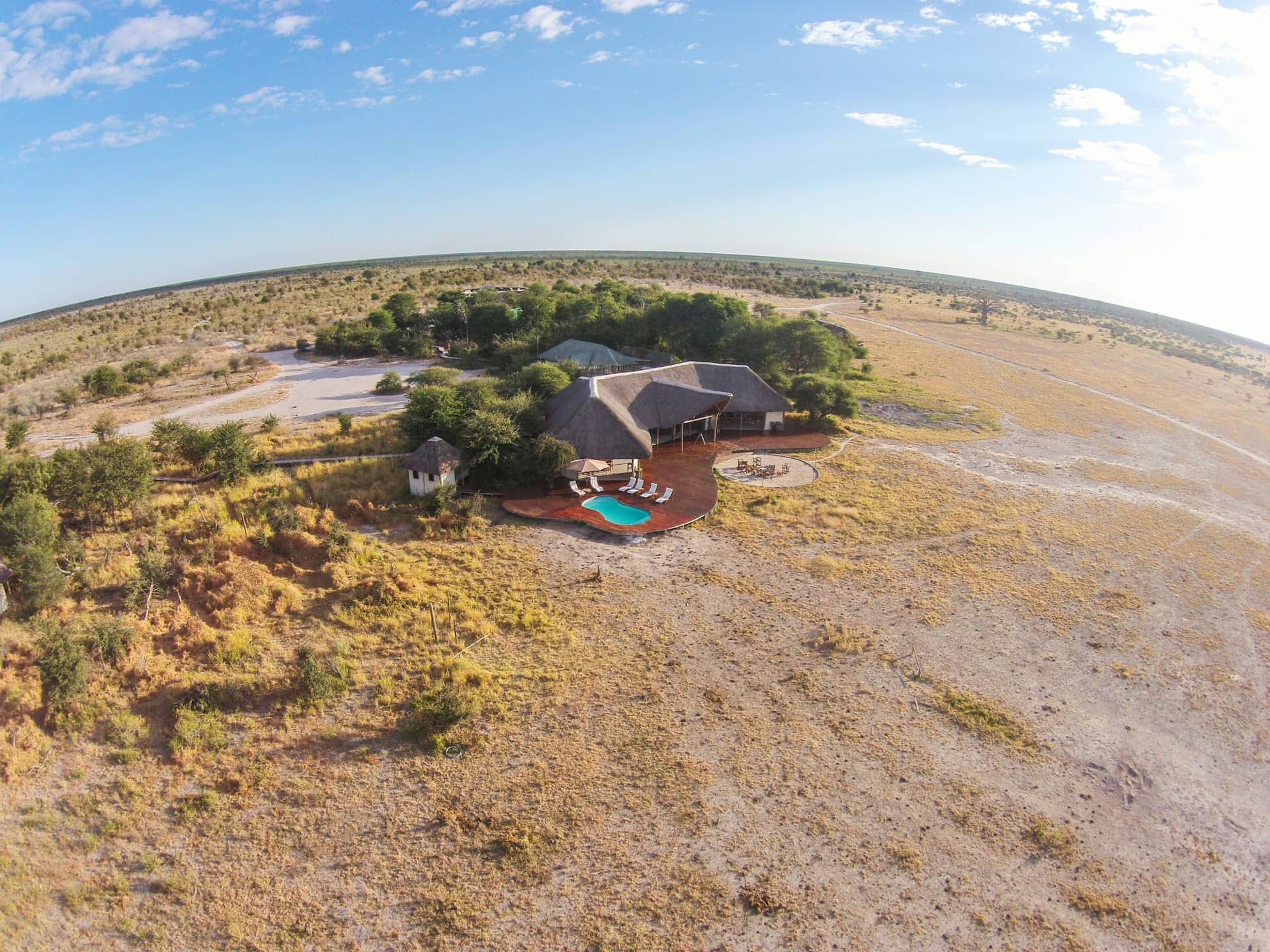
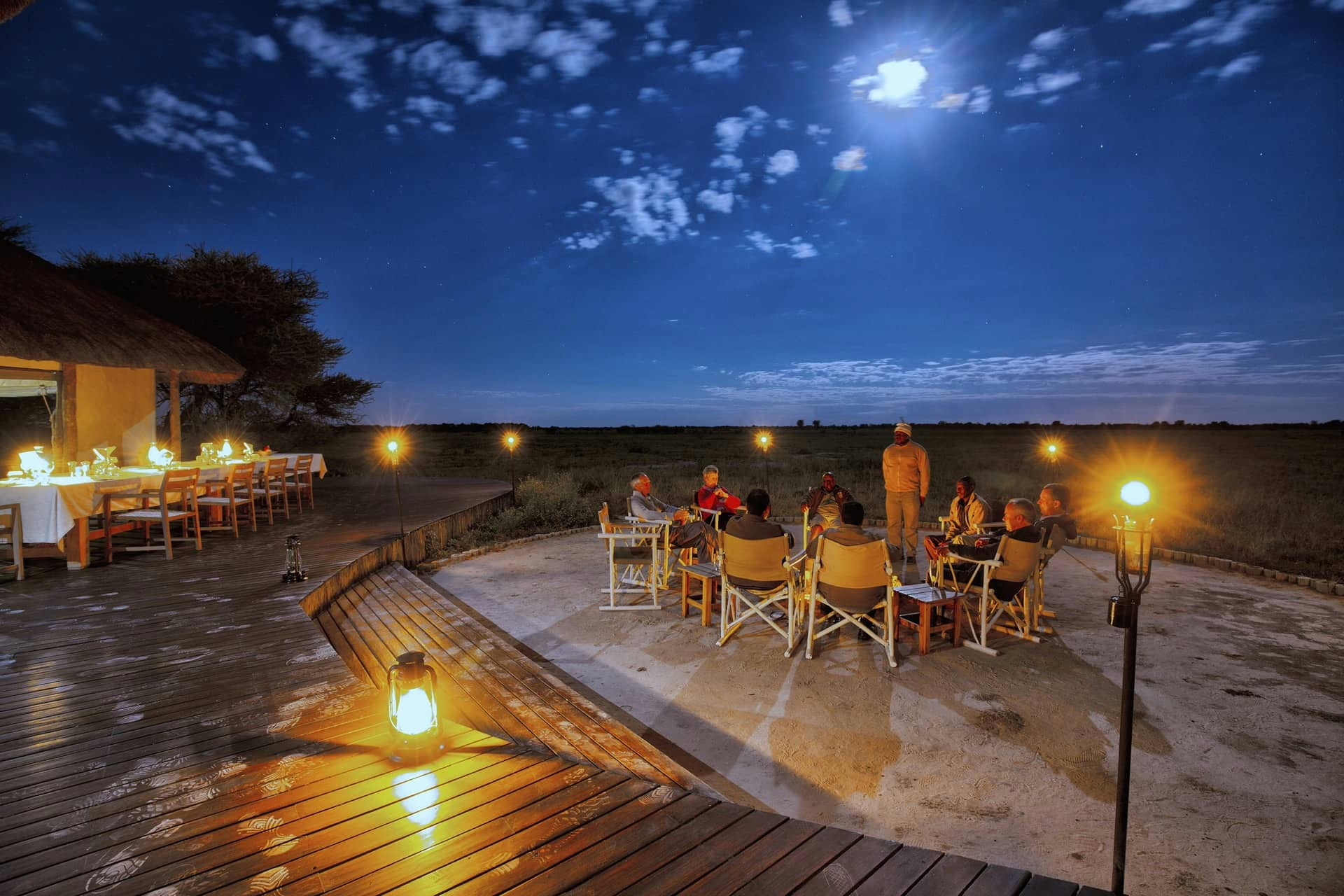
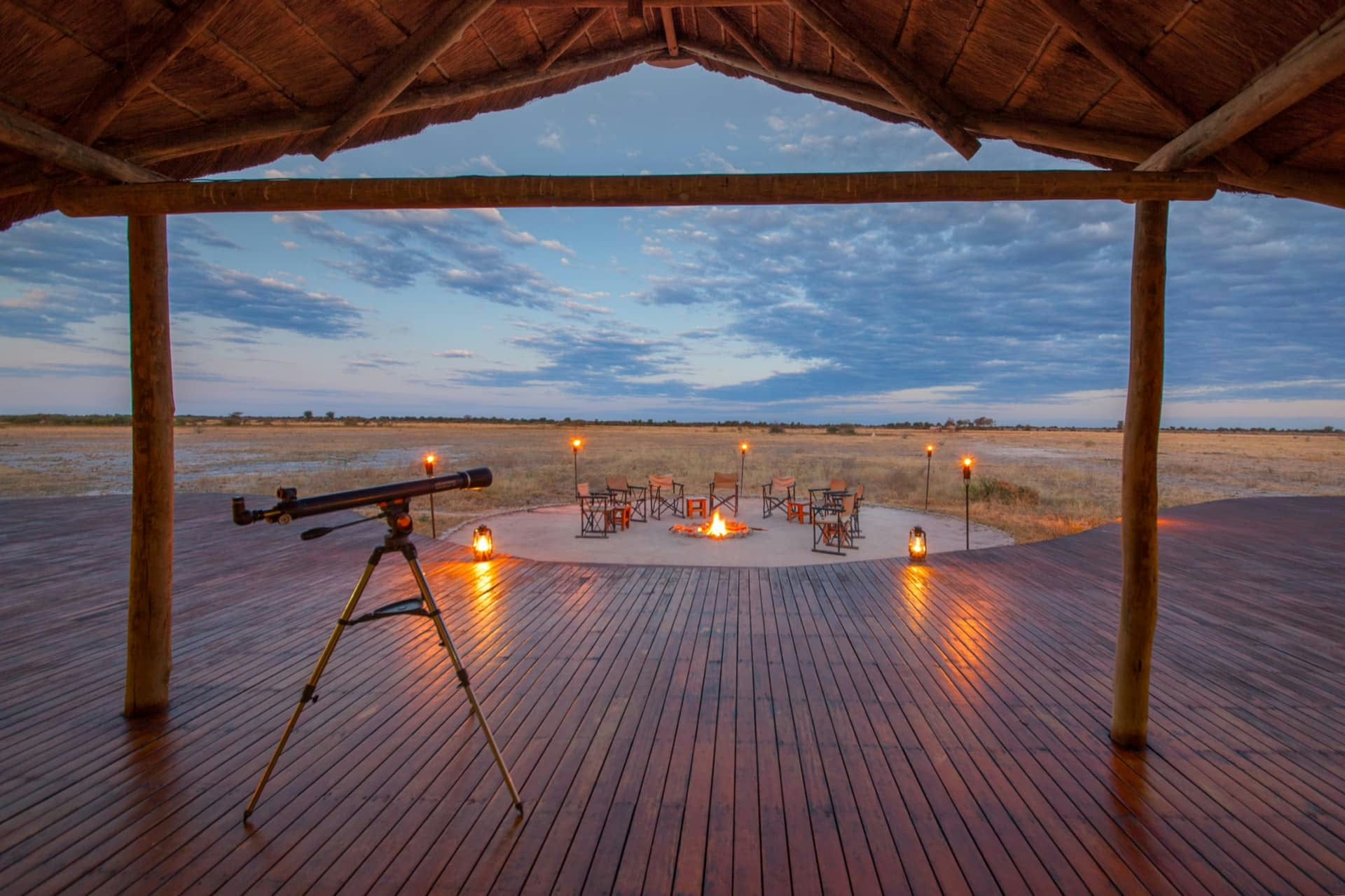
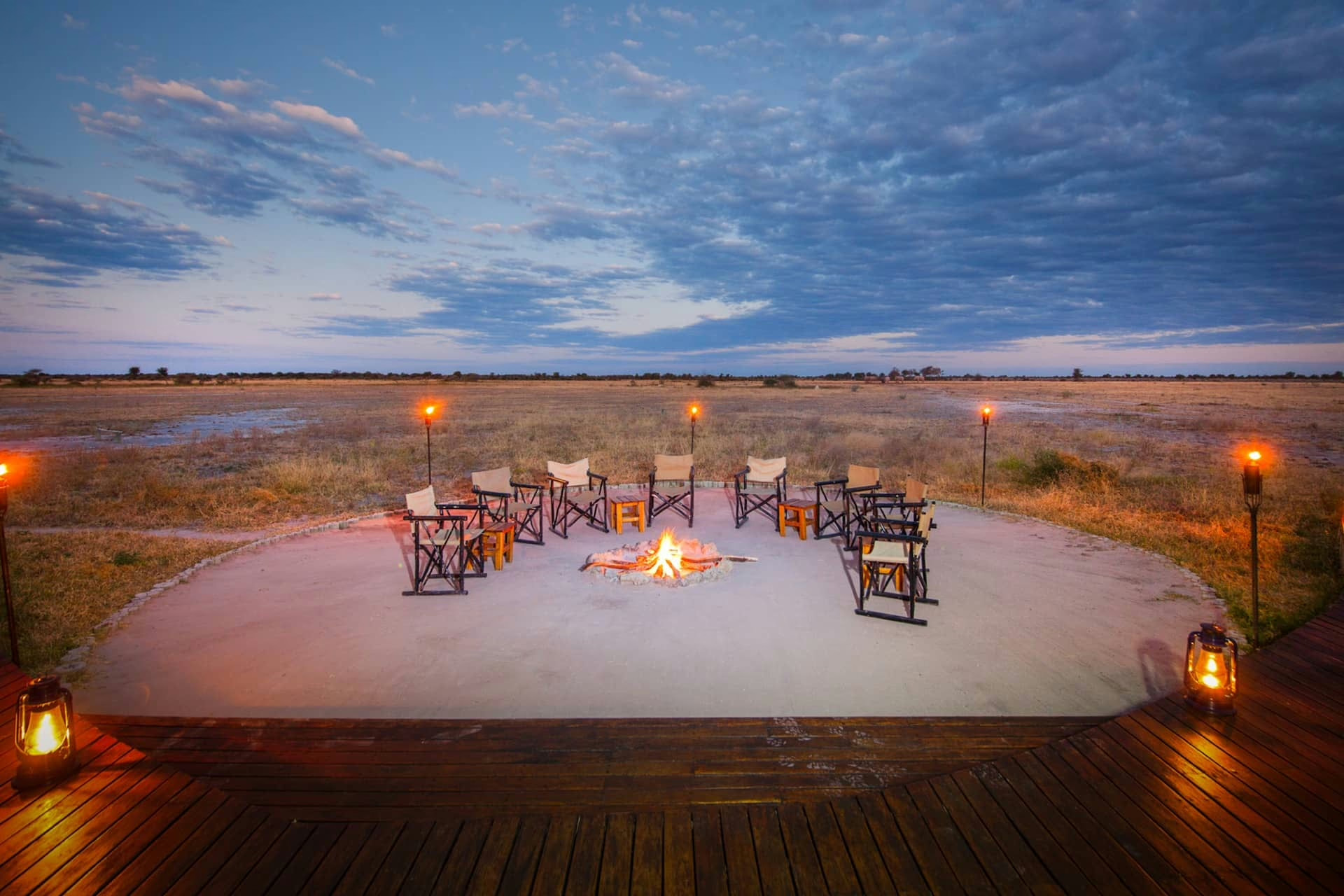
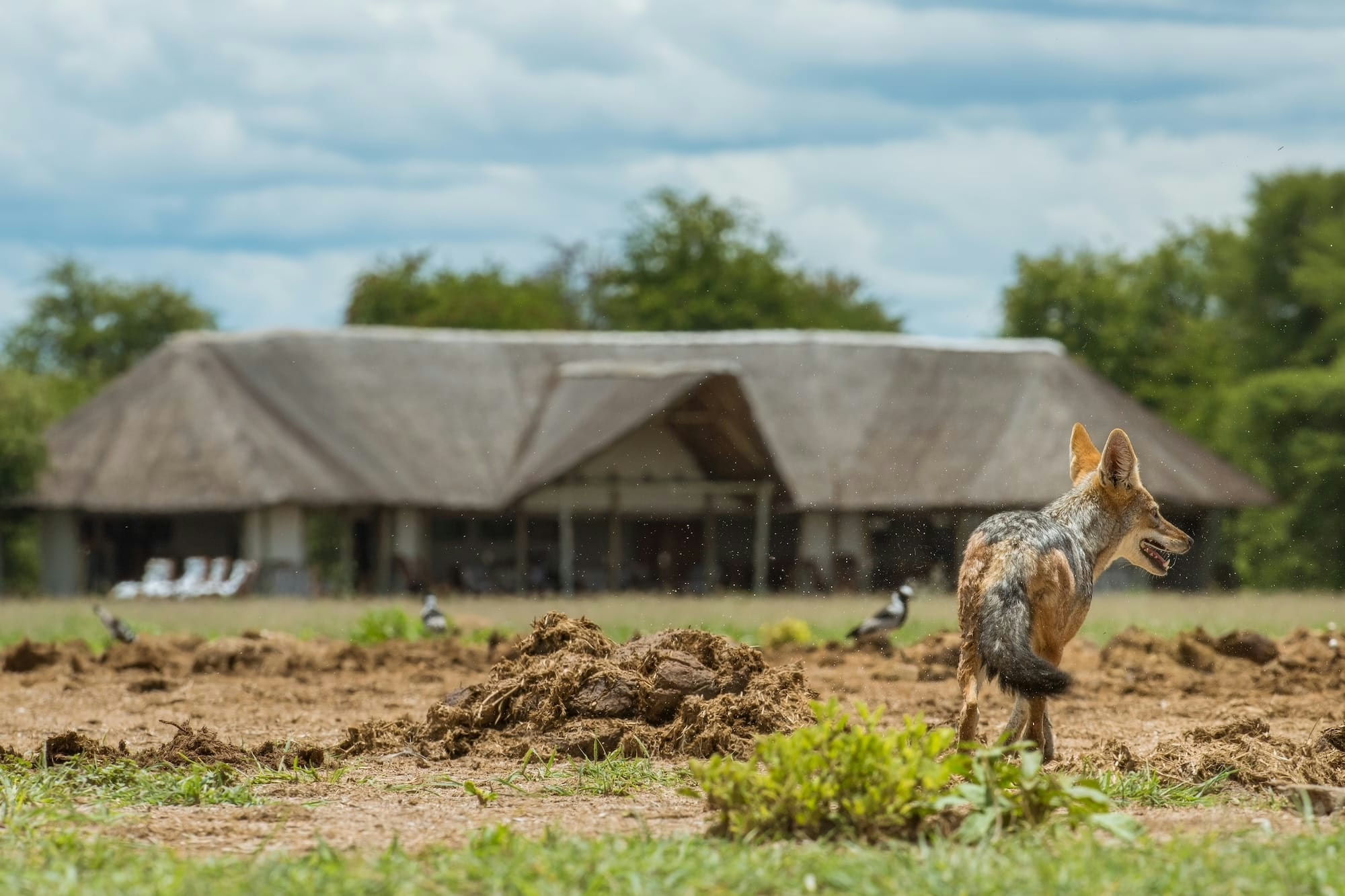
The camp occupies an architecturally distinctive position arranged in a semicircle facing an active waterhole, with all accommodations and facilities positioned toward this wildlife focal point. The minimalist white-washed design references the surrounding salt pans, creating visual harmony with the landscape. The main lodge comprises a crescent-shaped thatched structure elevated on a wooden deck, featuring open-air design that removes barriers between guests and the surrounding wilderness.